
A moment of transfer
Moritz handing the sword of rule to his brother — carved three years after his death.
User:Kolossos — CC BY-SA 3.0 · Diverse — CC BY-SA 4.0 · Lupus in Saxonia — CC BY-SA 4.0 · Verlag von Hermann Poy, Dresden — CC BY-SA 4.0
The oldest surviving monument in Dresden, carved in 1555, standing on the fortification wall below the Brühl Terrace. The relief depicts a moment of transfer: Elector Moritz of Saxony handing the sword of rule to his brother August. It was carved three years after Moritz's death — he was killed in battle in 1553 at the age of thirty-two. Moritz is a contentious figure in German history: a Protestant who allied with the Catholic Emperor Charles V against other Protestants in exchange for the electoral title, then later turned on the emperor and fought on the Protestant side. His contemporaries called him the Judas of Meissen. What distinguishes the monument artistically is that it is among the earliest Renaissance sculpture in Germany — an Italian manner at a time when German building was still largely Gothic. The monument stands in the open on a wall and is free to see as you walk below the Brühl Terrace. Most passers-by never notice it.
Moritz handing the sword of rule to his brother — carved three years after his death.
The name contemporaries gave him after he changed sides twice.
Among the first Italian-manner sculpture in still-Gothic Germany.
Below the Brühl Terrace, central Dresden
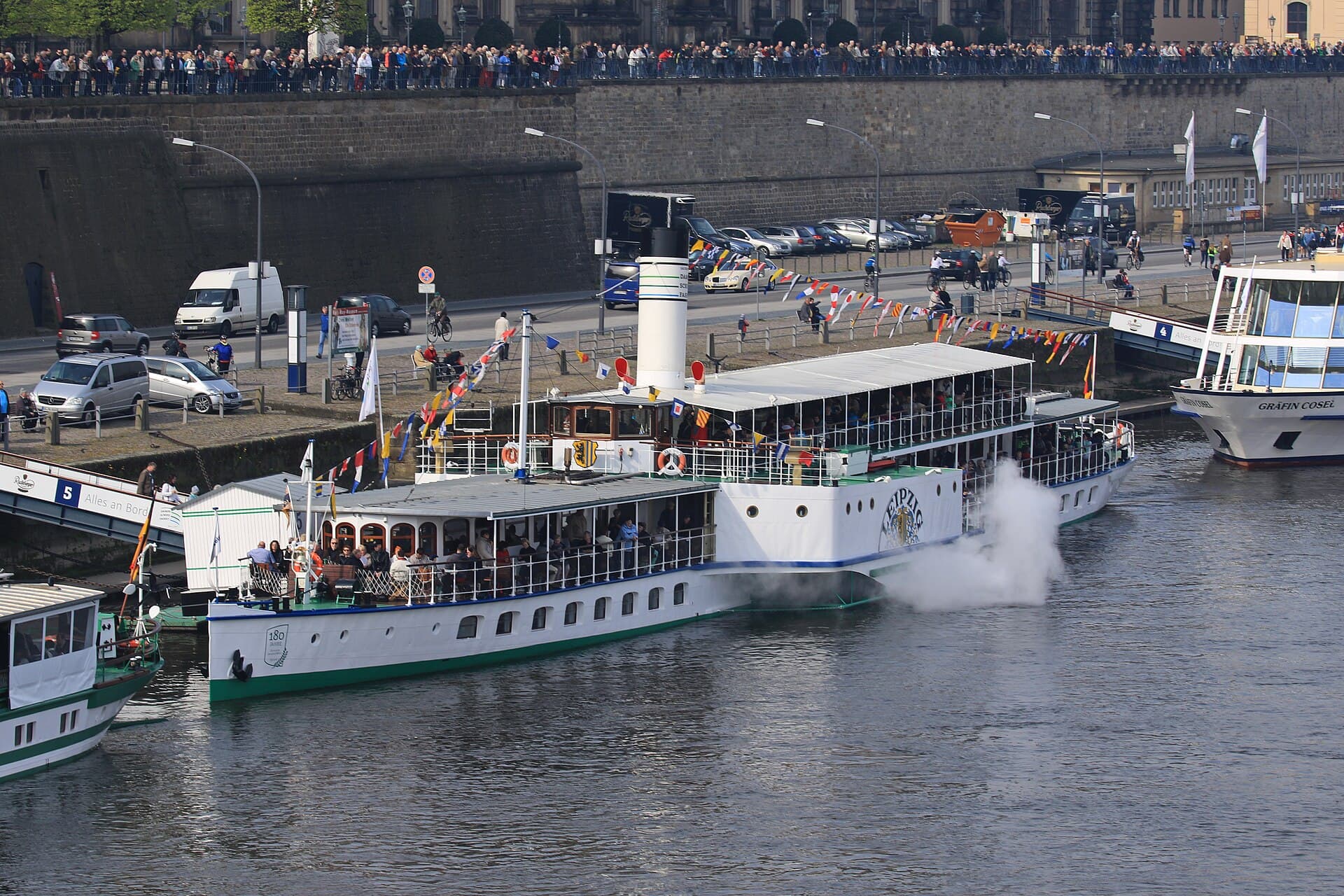 The White Fleet and the Elbe Paddle SteamersDresden's White Fleet is the largest and oldest working fleet of historic paddle1 minute walk4.7
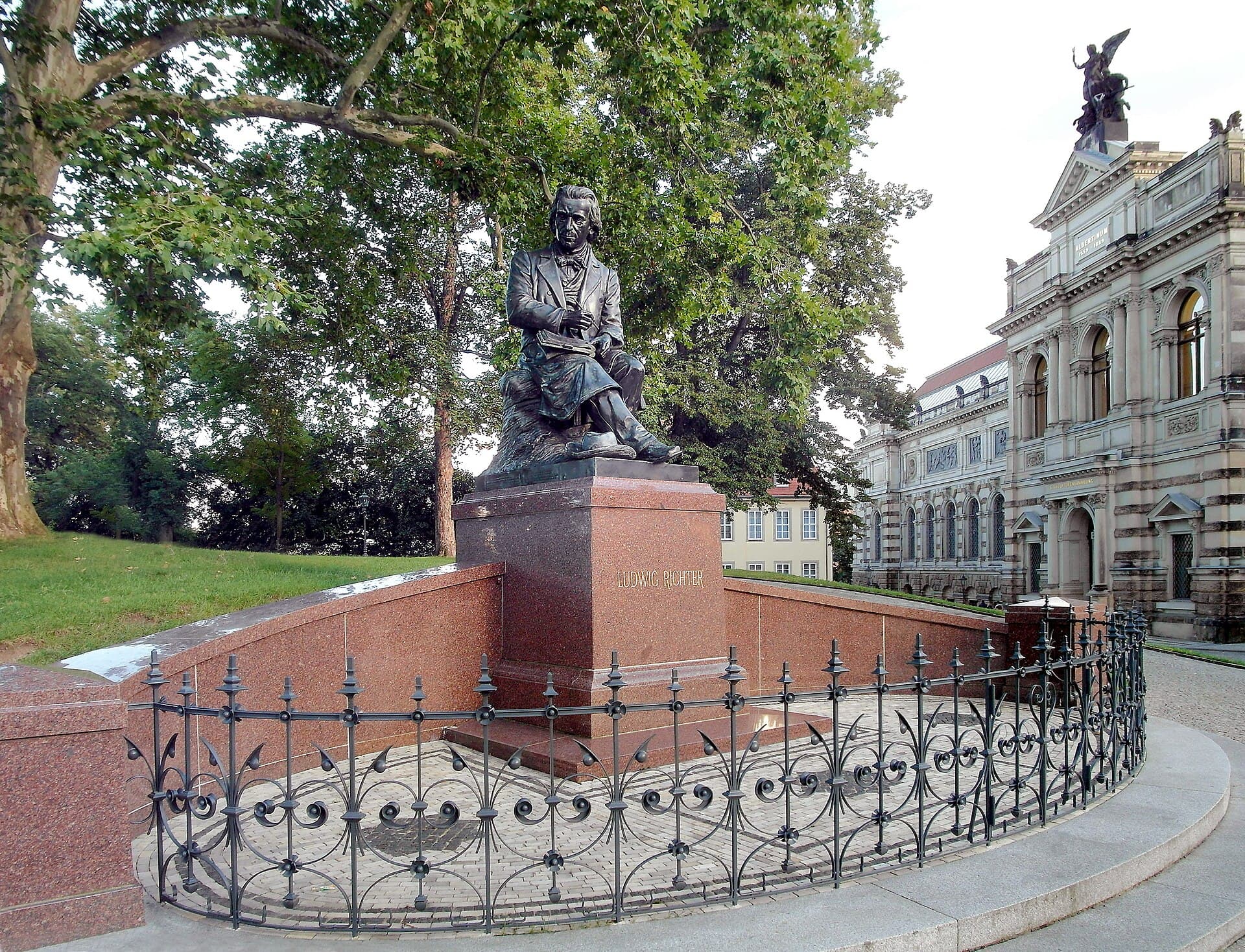 The Ludwig Richter MonumentA late nineteenth-century monument to the German painter and engraver Ludwig Ric2 minutes walk4.9
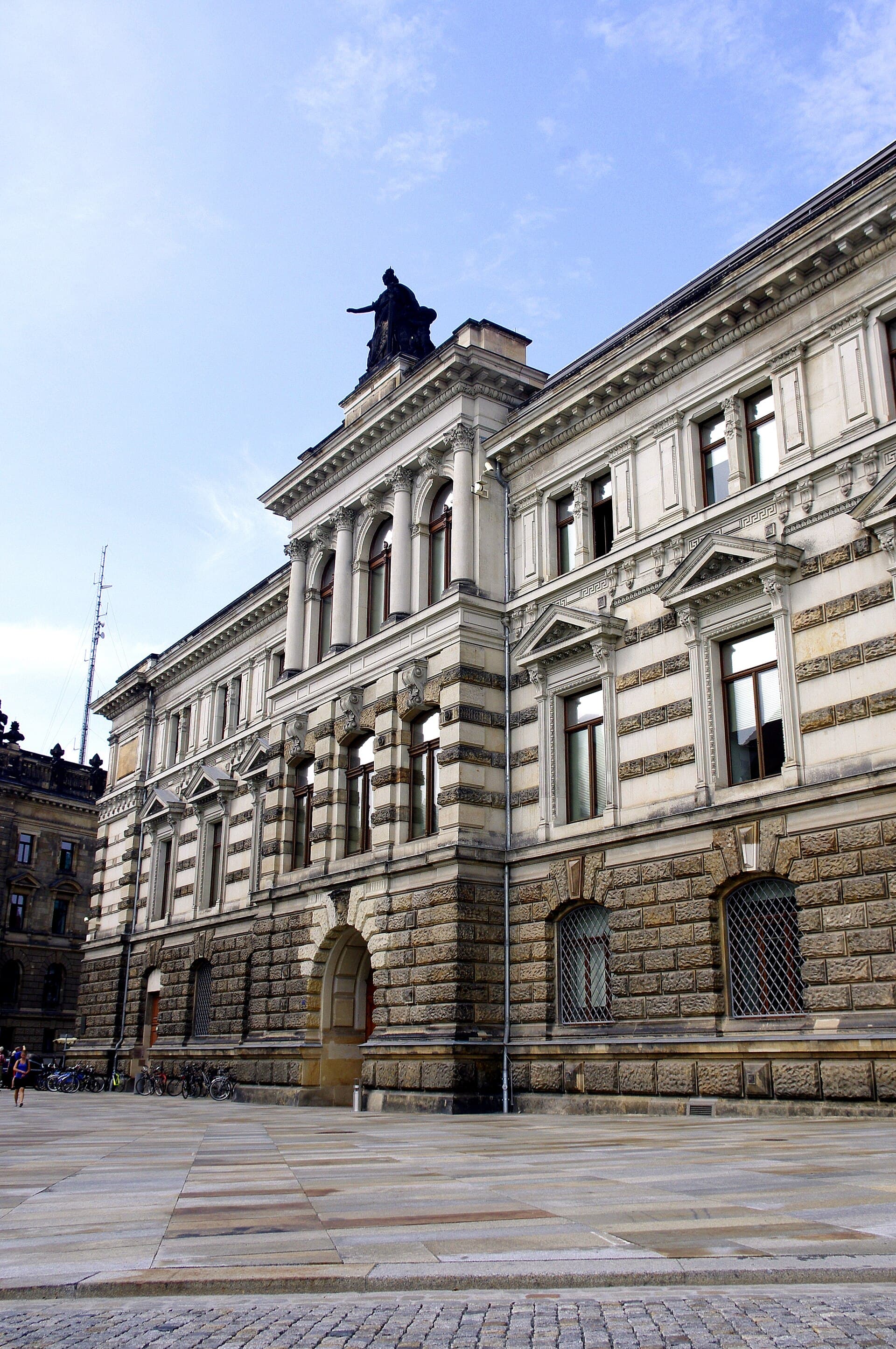 AlbertinumThe Albertinum is a large late nineteenth-century building at the end of the Brü2 minutes walk4.5
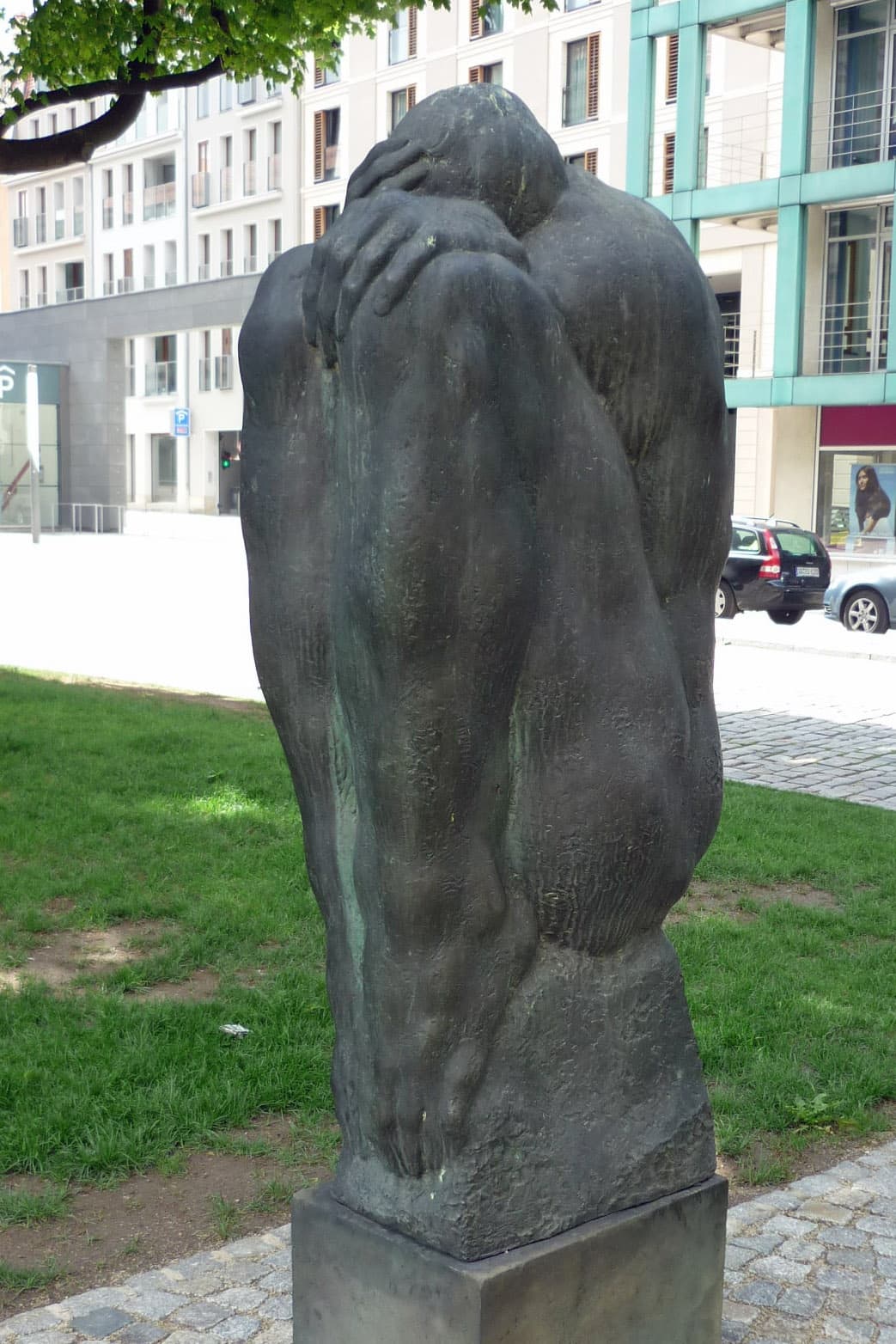 The Large Grieving ManA sculpture of a seated man with a bowed back in central Dresden, by the German 3 minutes walk4.3
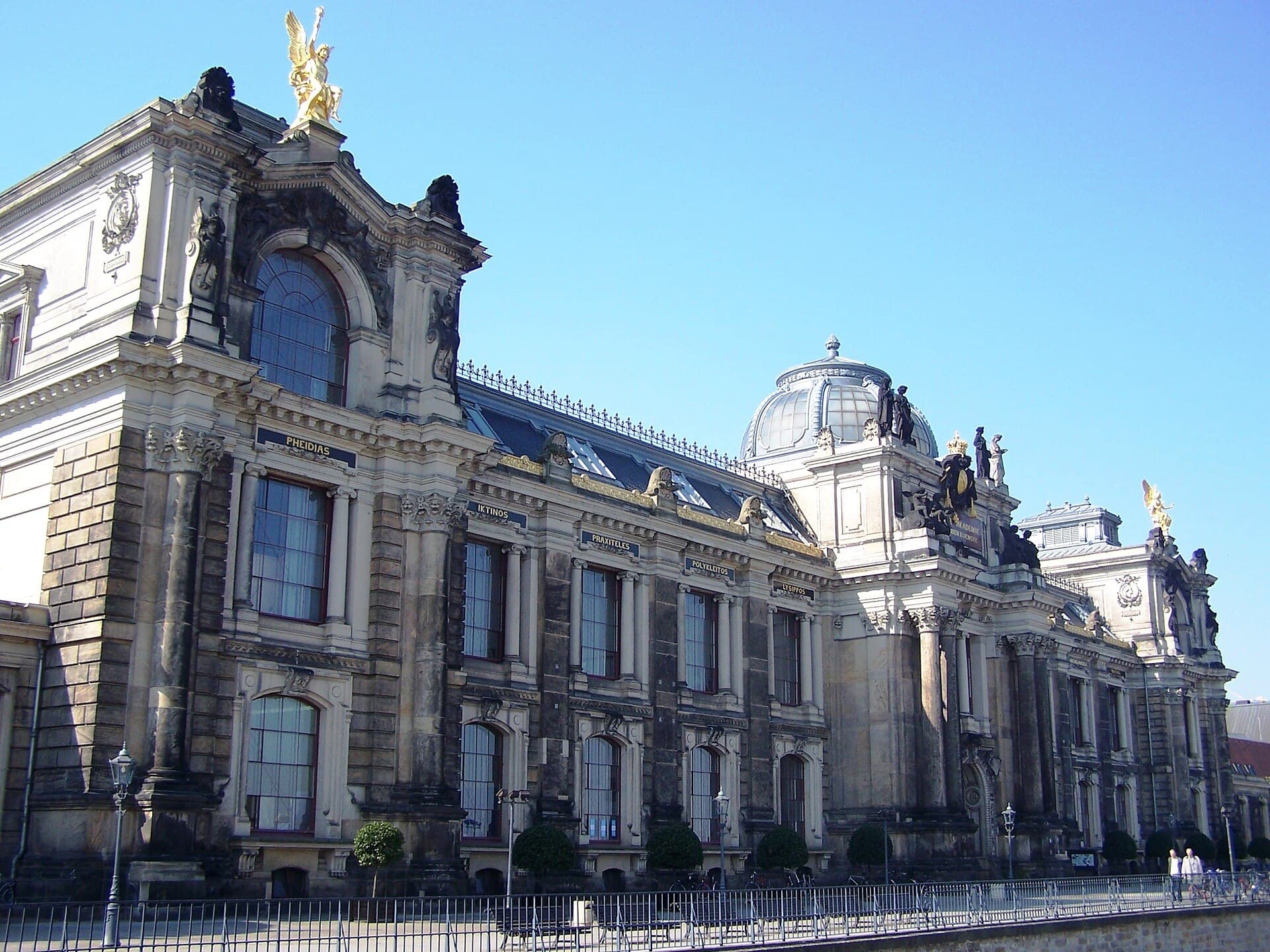 The Academy of Fine Arts and the Lipsius BuildingThe great mass closing the eastern end of Brühl's Terrace is the Academy of Fine3 minutes walk4.5
A raised promenade on the Elbe bank in central Dresden, built on the old fortification walls. It was nicknamed the Balcony of Europe in the nineteenth century. It runs about five hundred metres, flanked by buildings from the art academy to the Residenzschloss, and is the city's best-known walk and its finest at sunset. The monument stands directly below it.
No. It is a small monument on a wall you pass while walking below the terrace along the river. Stop for two minutes, look at it and read what it represents, then move on. But it is worth noticing, because most passers-by never see it at all.