
The workshop
Reconstructed woodcut and copperplate equipment, with live demonstrations of how images were printed.
Daderot — CC0 · Rufus46 — CC BY-SA 4.0 · avu-edm — CC BY 3.0 · Ajepbah — CC BY-SA 3.0 de
Albrecht Dürer was the most famous German artist of the Renaissance, and he lived and worked in this house from 1509 until his death in 1528. It is a traditional German building with exposed timber framing, standing just below Nuremberg Castle. The visit explains how an artist worked in the sixteenth century. There is a reconstructed workshop with woodcut and copperplate printing equipment, and staff sometimes give live demonstrations of the printing process. The living rooms are furnished in the style of the period. Most of the pictures on show are copies, because Dürer's original works are spread across museums worldwide. Anyone after originals will find some in the nearby Germanic National Museum. The house survived the war despite damage and was restored afterwards. The area around it is among the prettiest parts of the old town.
Reconstructed woodcut and copperplate equipment, with live demonstrations of how images were printed.
A sixteenth-century kitchen with its pots and chimney, showing daily life rather than only art.
A late fifteenth-century timber-framed house, one of few surviving at this size.
Albrecht-Dürer-Straße 39, 90403 Nürnberg
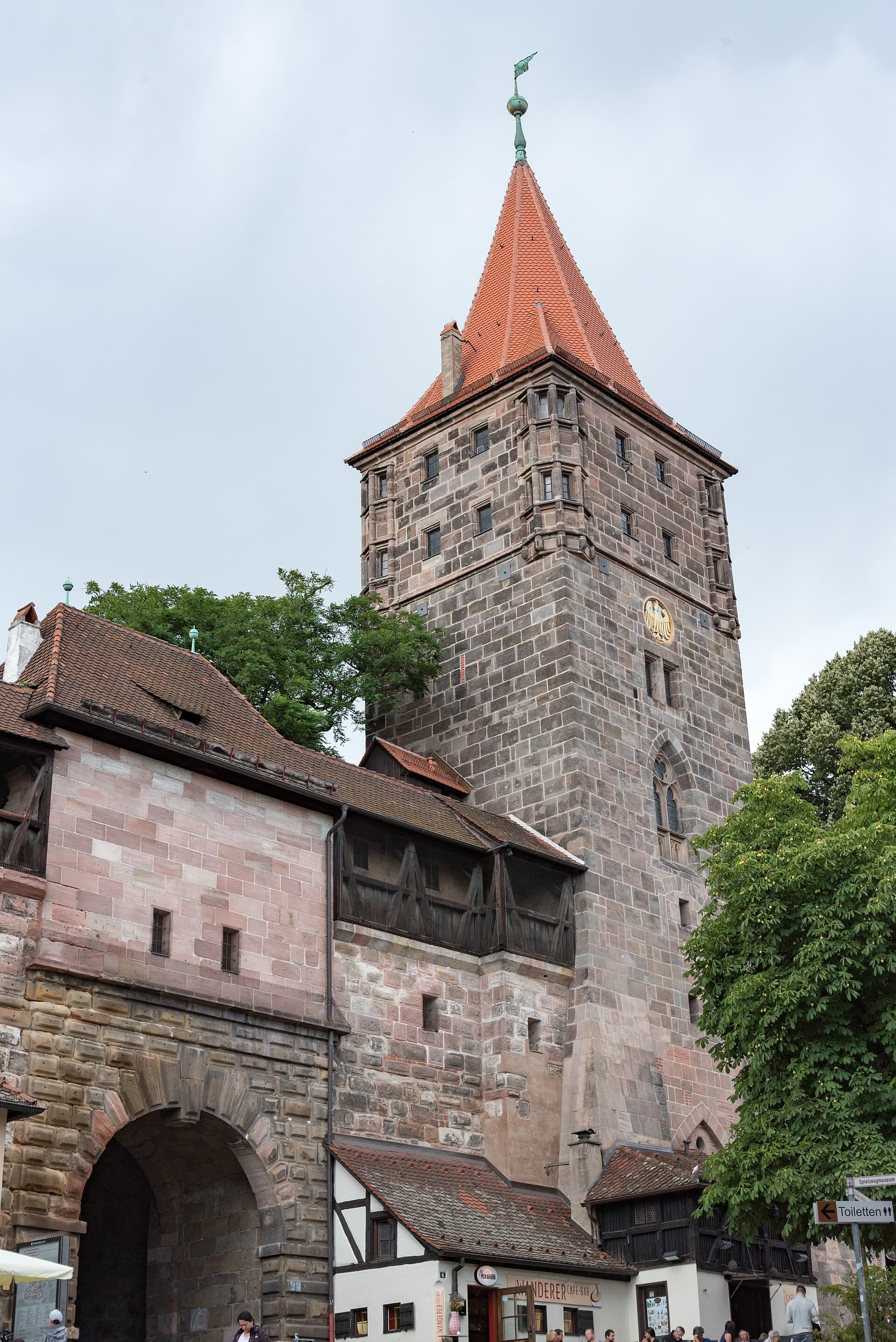 TiergartnertorplatzTiergärtnertorplatz is among Nuremberg's finest and most visually complete squar1 minute walk4.6
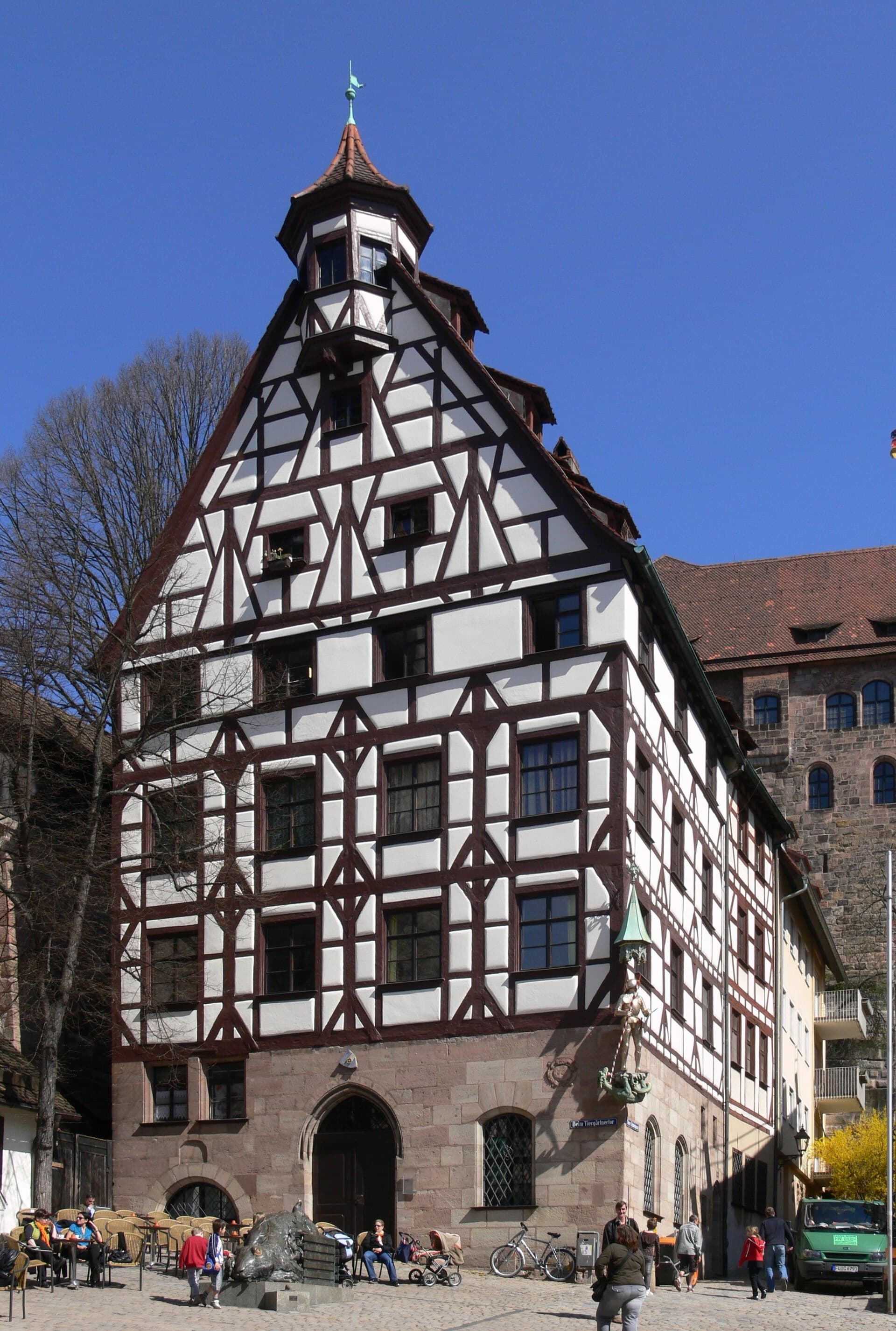 PilatushausA late Gothic house of fourteen eighty-nine on the corner of the square below th1 minute walk4.9
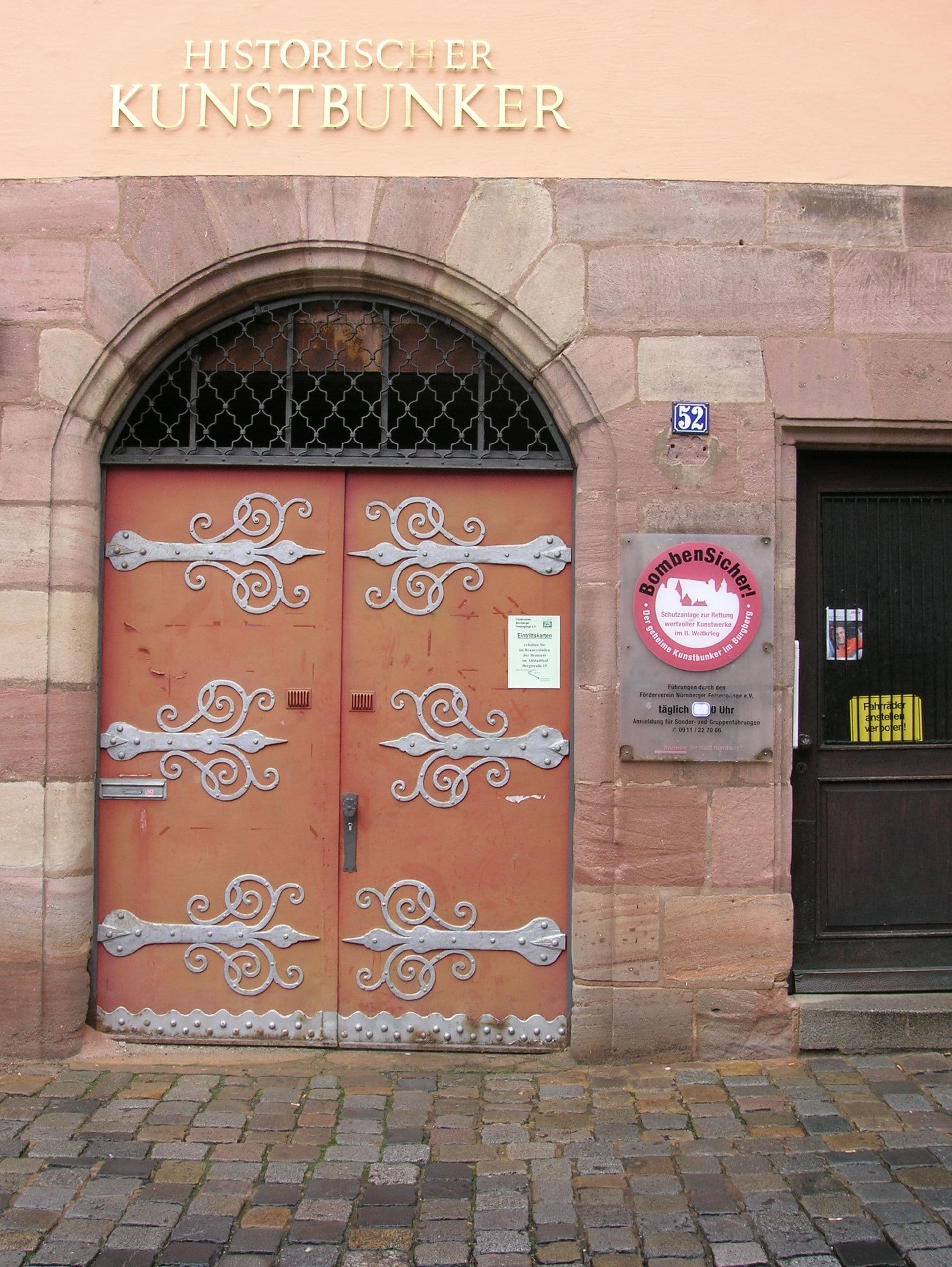 Historic Art BunkerDeep in the castle hill's rock hides a great rescue story: medieval beer cellars1 minute walk4.7
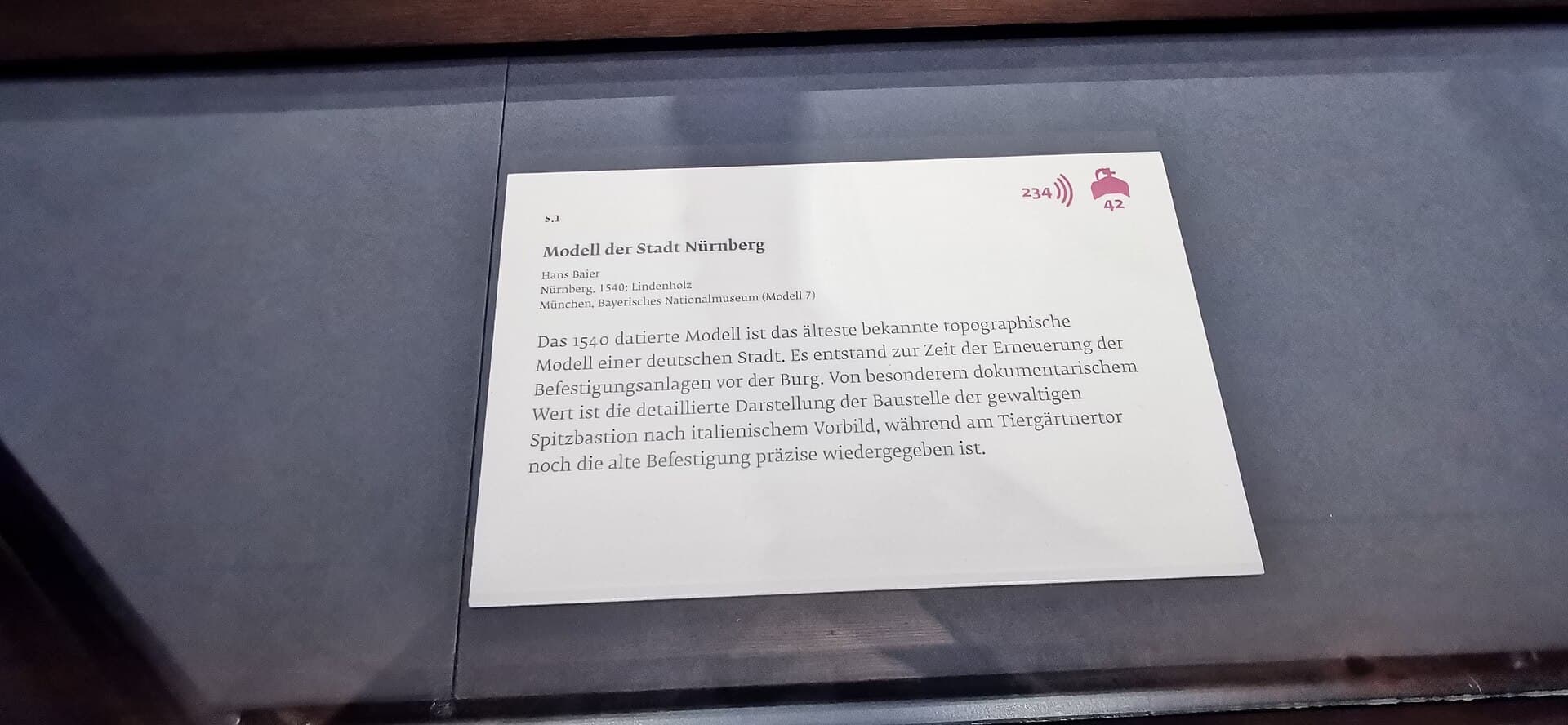 The Imperial Castle MuseumThe Imperial Castle Museum sits inside the Imperial Stables within Nuremberg's c2 minutes walk4.6
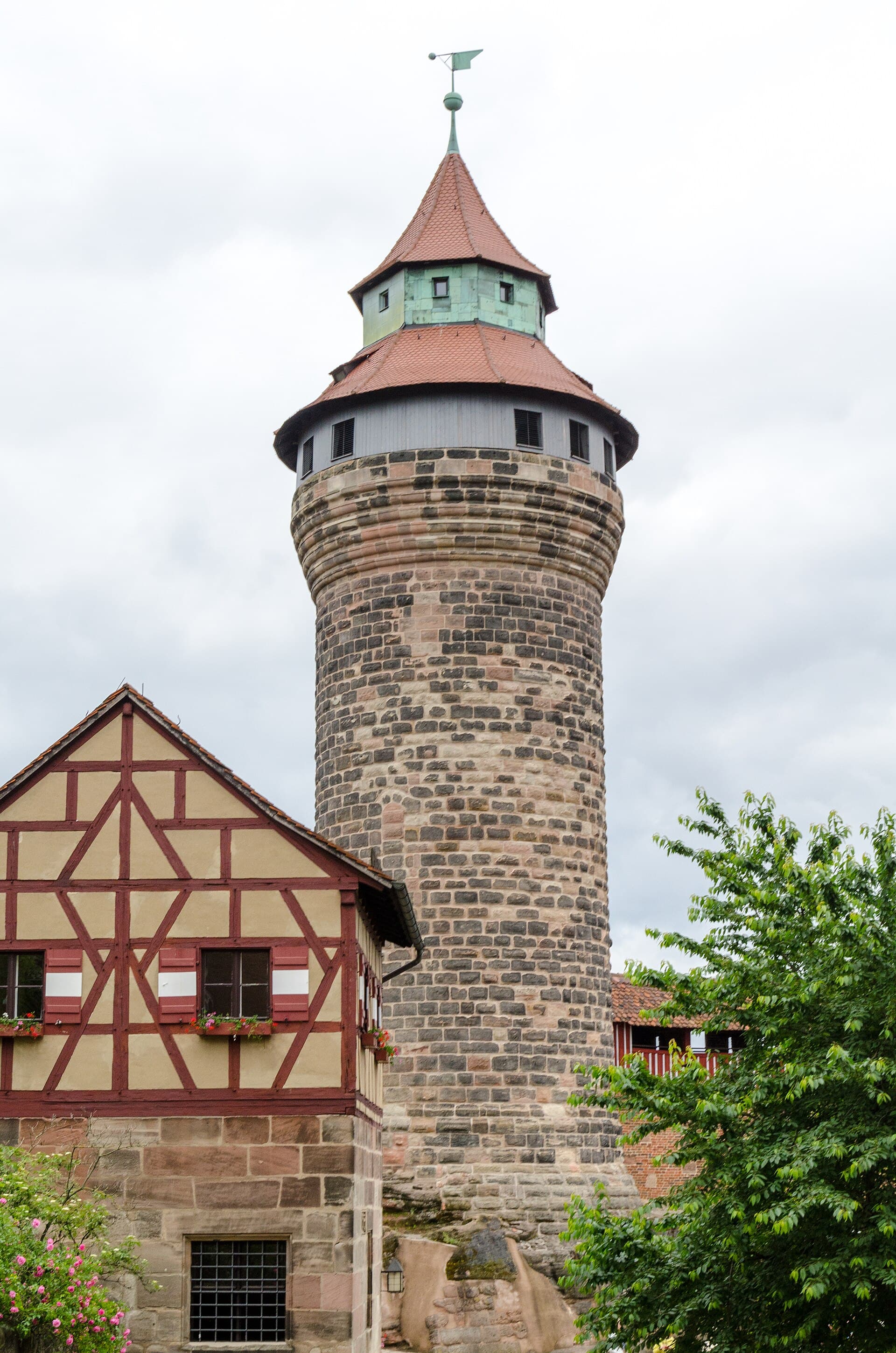 Sinwell TowerThe Sinwell Tower is the great round tower of Nuremberg Castle, and the highest 2 minutes walk4.9
Very few or none. What is shown are good copies, because the originals sit in major museums worldwide. The value here is the house, the workshop and the working method, not the pictures.
Yes if you are interested in how artists worked or in historic houses. The workshop and printing demonstrations engage even non-art visitors. Anyone coming for paintings will be disappointed.
Nuremberg Castle is directly above, with the old town around it. The whole area walks in two hours and is the finest part of the city.