
The royal tomb
Finely carved marble effigies of Ferdinand and Isabella above their grave.
Heparina1985 — CC BY-SA 4.0 · David suárez Benítez 2 — CC BY-SA 4.0 · Jl FilpoC — CC BY-SA 4.0 · Marianbp — CC BY-SA 4.0
The Royal Chapel of Granada is a Gothic building in the city centre holding the tomb of Ferdinand and Isabella, the monarchs who ended Muslim rule in Spain when Granada fell in 1492. They chose to be buried here precisely because Granada was the last conquest. Beneath the carved marble effigies lies a plain crypt with undecorated lead coffins — a striking contrast with the grandeur above. The attached museum displays Isabella's personal possessions: her crown and sceptre, and her collection of Flemish paintings. The place matters for understanding the other side of the Andalusian story, and it stands minutes from the cathedral and the old market.
Finely carved marble effigies of Ferdinand and Isabella above their grave.
Plain lead coffins beneath the effigies — a sharp contrast with the grandeur above.
Her crown, sceptre and Flemish paintings — rare personal possessions.
Calle Oficios, 18001 Granada
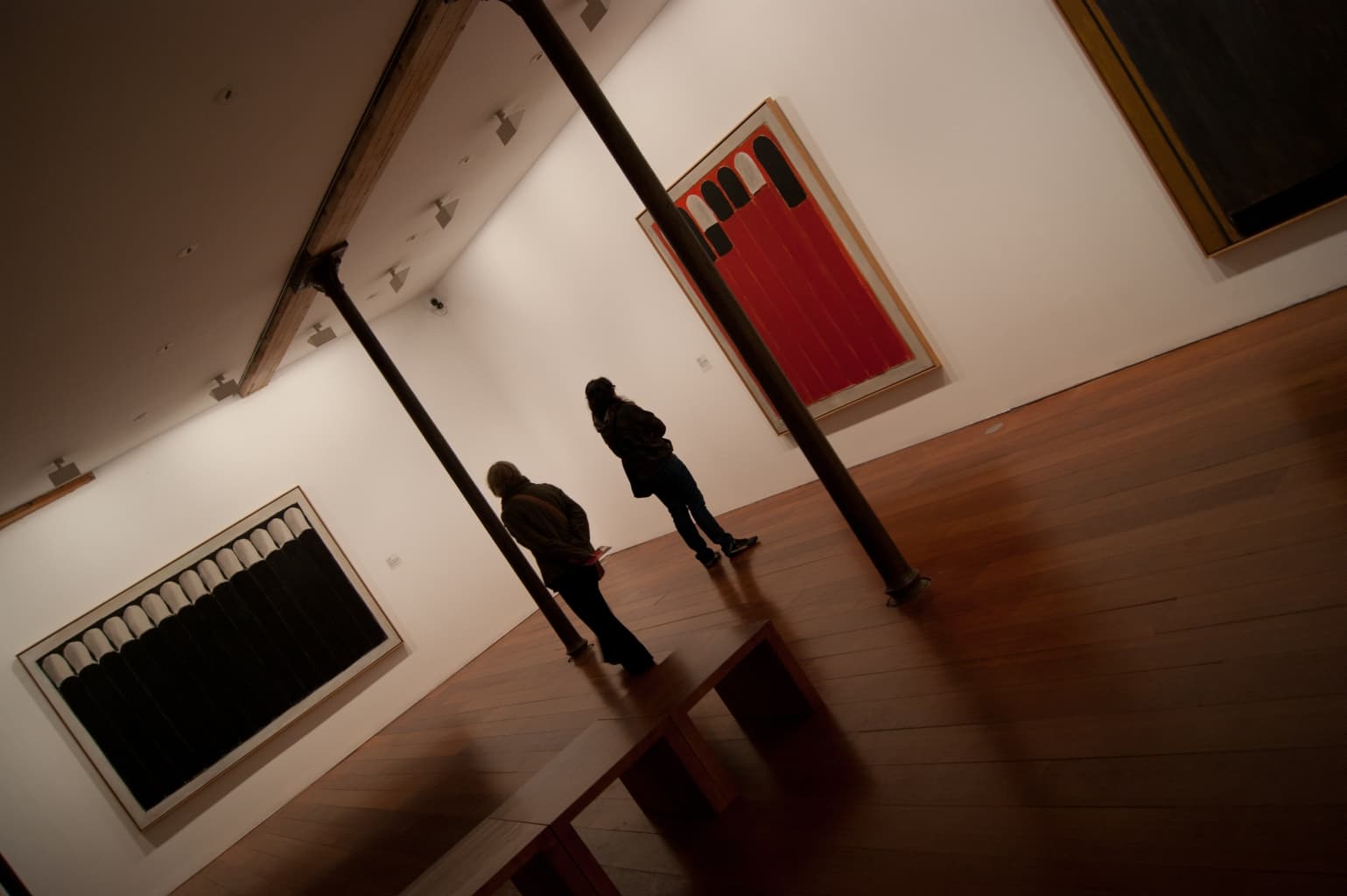 Centro José GuerreroAn art centre in central Granada devoted to José Guerrero, the Granadan painter 1 minute walk4.5
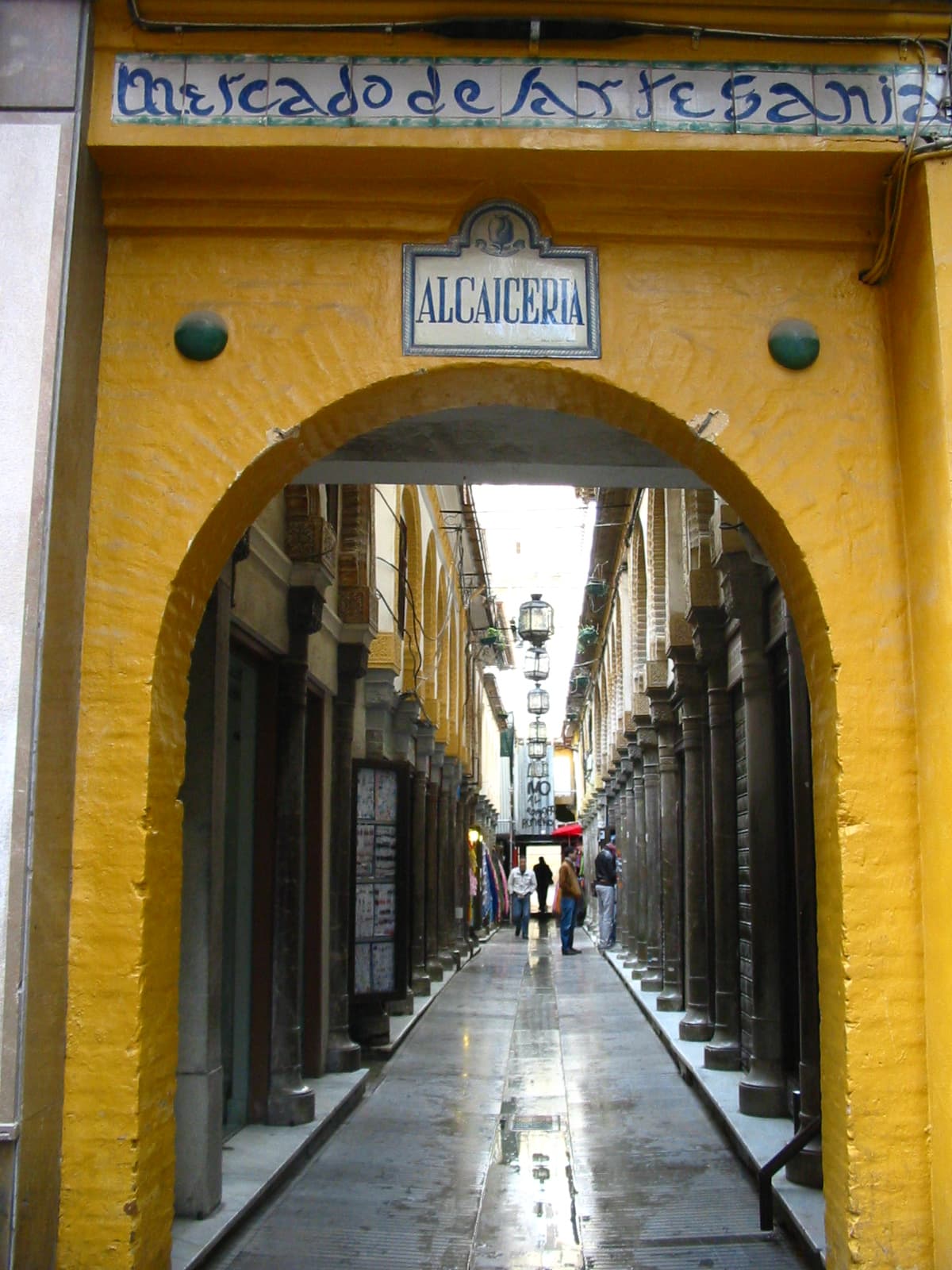 AlcaiceríaNarrow covered lanes beside the cathedral, what remains of the silk market of Is1 minute walk4.6
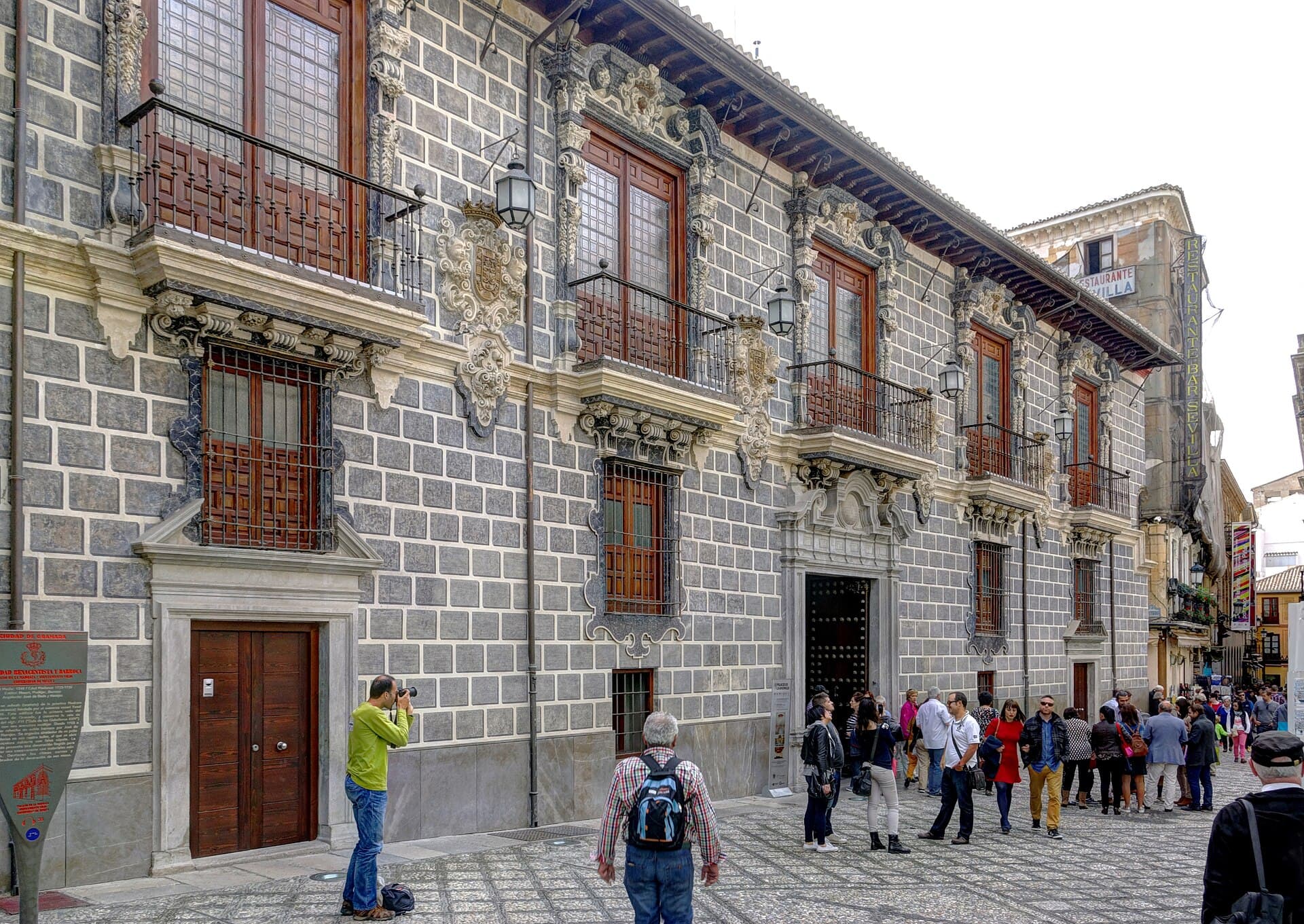 Palacio de la MadrazaWhat survives of the Nasrid madrasa founded by Sultan Yusuf I in the fourteenth 1 minute walk4.8
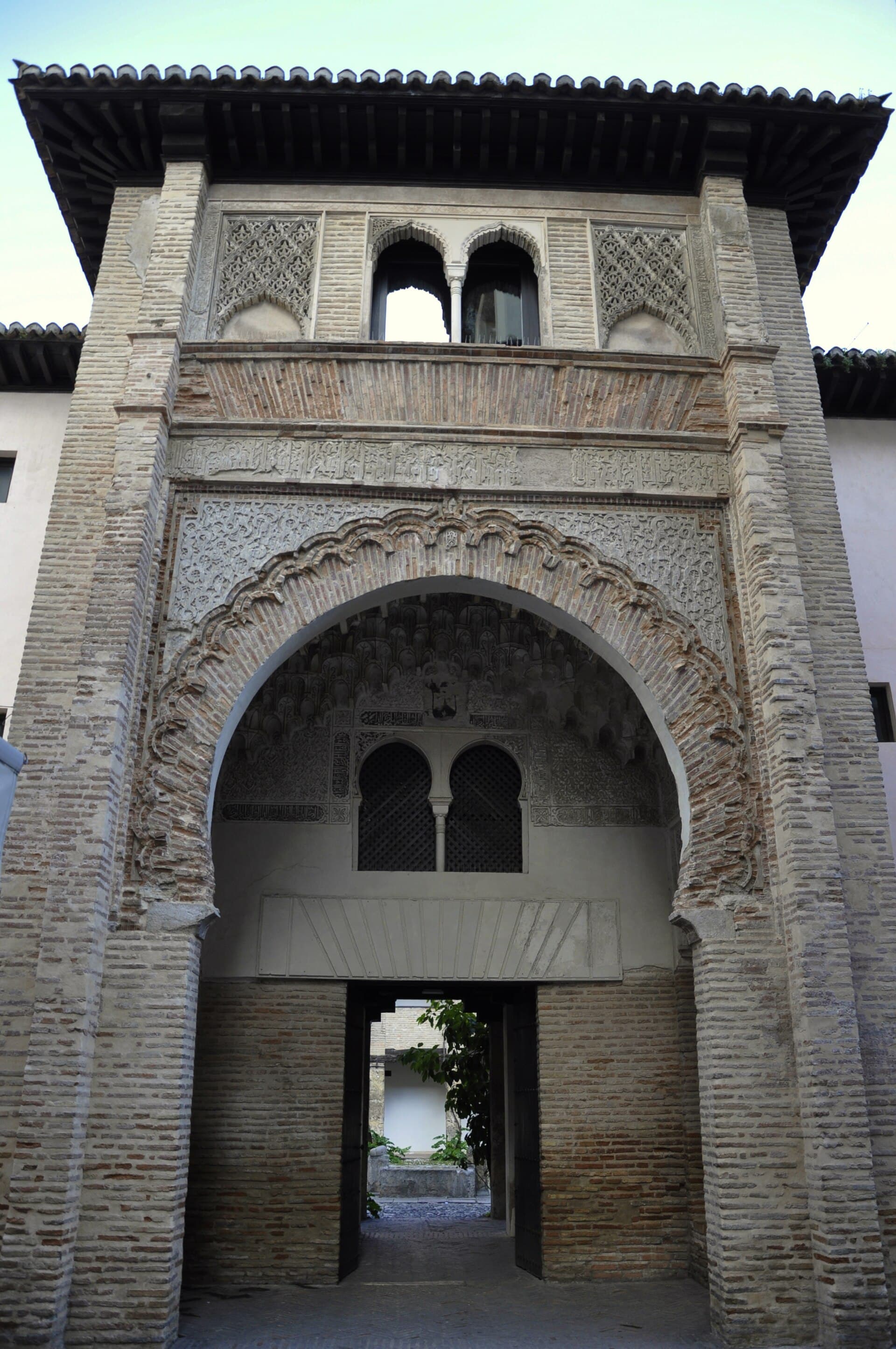 Corral del CarbónThe Corral del Carbón in Granada is the only surviving building of its kind in S2 minutes walk4.4
 Centro Federico García LorcaA modern cultural institution in central Granada, created to hold the archive of2 minutes walk4.2
Because Granada was the last Muslim kingdom in Spain, and its fall in 1492 was, in their eyes, their greatest achievement. They chose burial here to fix that meaning, even though Granada was neither their capital nor their birthplace.
Yes if Andalusian history interests you, because it is the other face of the Alhambra's story: here the conquest is told from the side that carried it out. The building is handsome and the museum holdings are rare. An hour is enough.
Granada Cathedral is all but attached, and the old Alcaicería silk market is beside them, a rebuilt version of the medieval bazaar. All three in one walk of about half a day through the centre.