
The Neptune fountain
A large 1937 fountain at its centre.
Rufus46 — CC BY-SA 3.0 · Ursula Jaeger — CC BY-SA 4.0 · DDRRei — CC0 · DALIBRI — CC BY-SA 4.0
The Old Botanical Garden is a small green space between the central station and Karlsplatz, and it is exactly what its name says: it was Munich's botanical garden from 1812 until 1914, when the plant collection moved to a larger site near Nymphenburg and this became an ordinary public park. Two elements survive from the past: a neoclassical gate at the southern entrance carrying a Latin inscription, and the large Neptune fountain of 1937 at its centre. The glasshouses and the Glaspalast that once stood here burned in 1931 in a deliberately set fire that destroyed an entire art exhibition inside it. Today it is a practical space more than a beautiful one: grass, mature trees and a summer cafe, used by travellers and office workers for a break. Its position between the station and the centre makes it a natural stop if you have time between trains — not a destination, but far better than waiting in the station concourse.
A large 1937 fountain at its centre.
A remnant of the original botanical garden.
Elisenstrasse, 80335 Munich
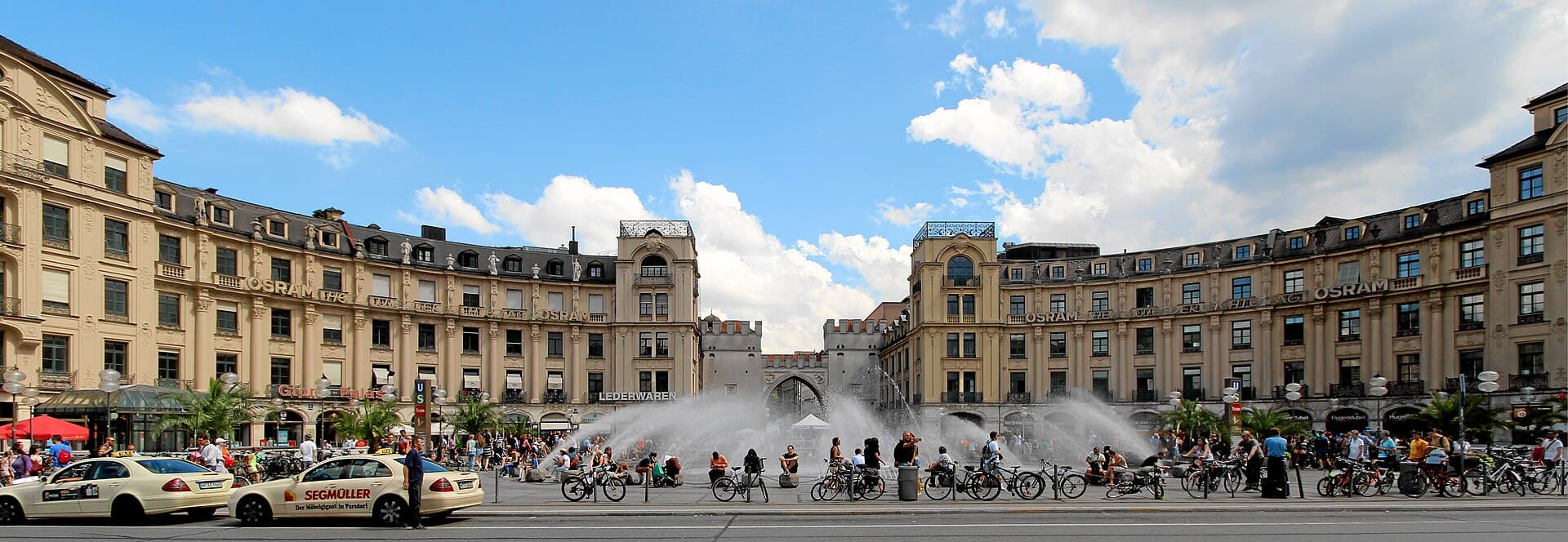 Karlsplatz (Stachus)Karlsplatz — which Munich locals call "Stachus" and nothing else — is the wester4 minutes walk4.6
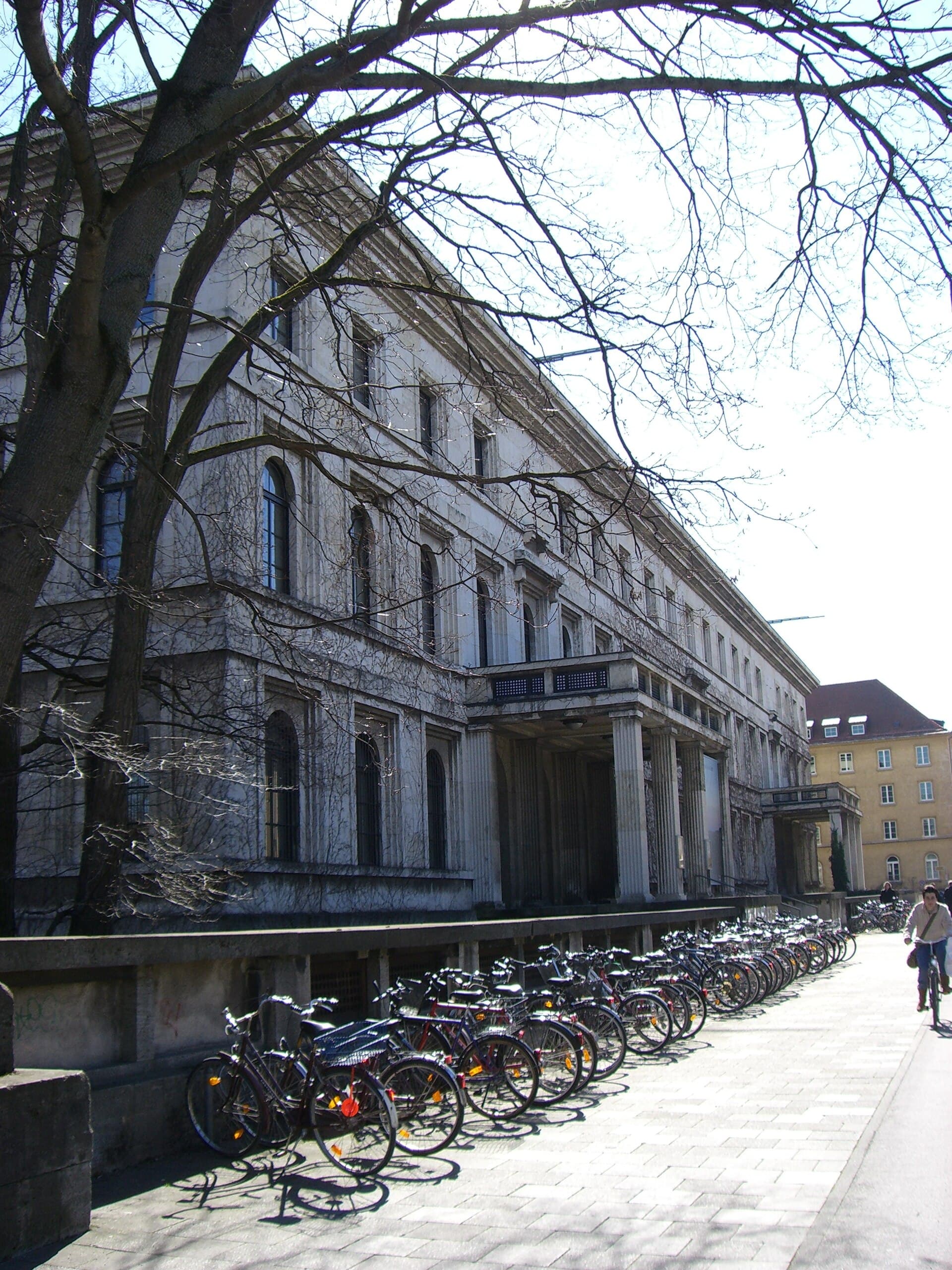 Museum of Classical CastsThe Museum für Abgüsse displays plaster casts of Greek and Roman sculpture — not4 minutes walk4.8
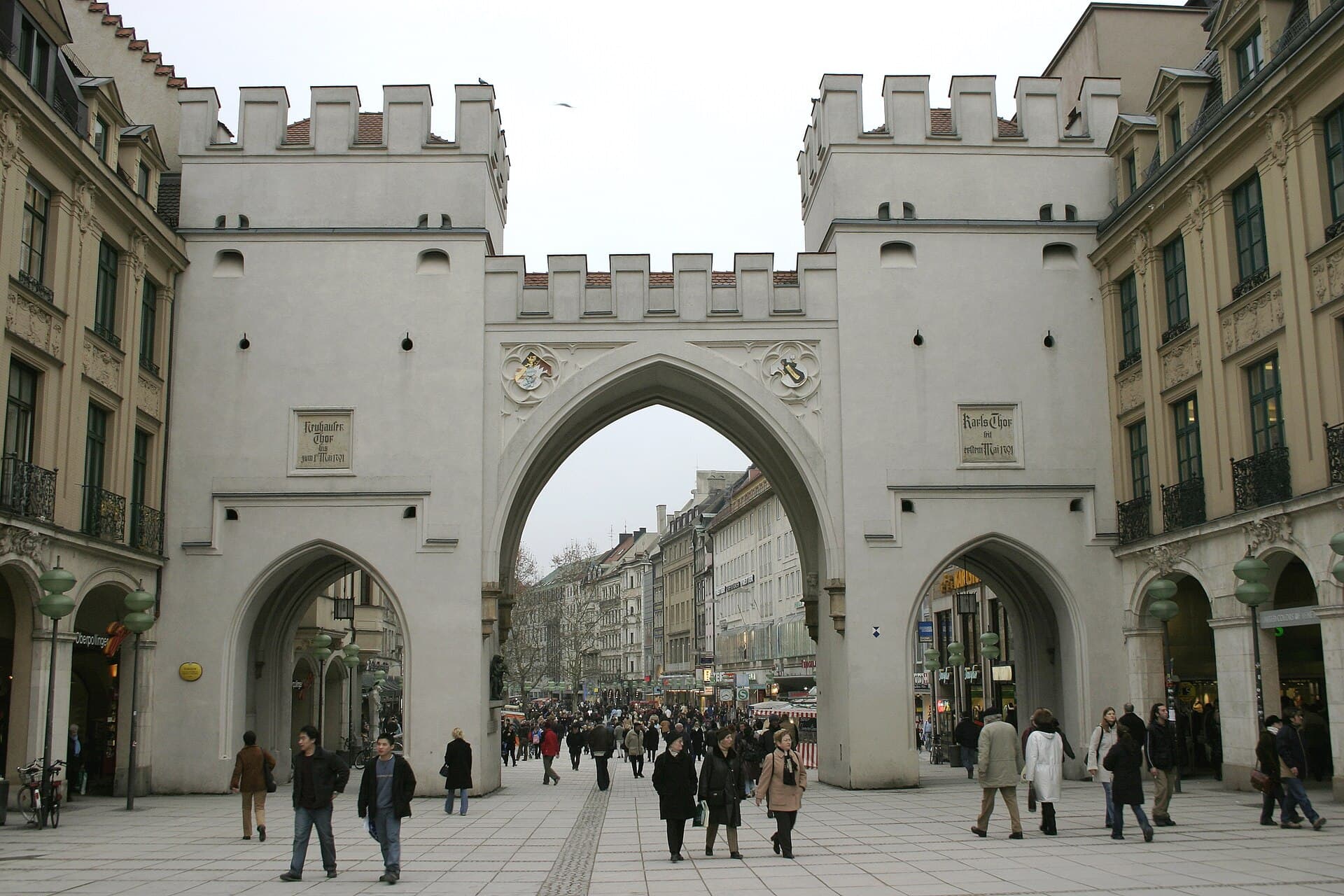 KarlstorThe Karlstor is one of three surviving gates from the second medieval wall that 5 minutes walk4.5
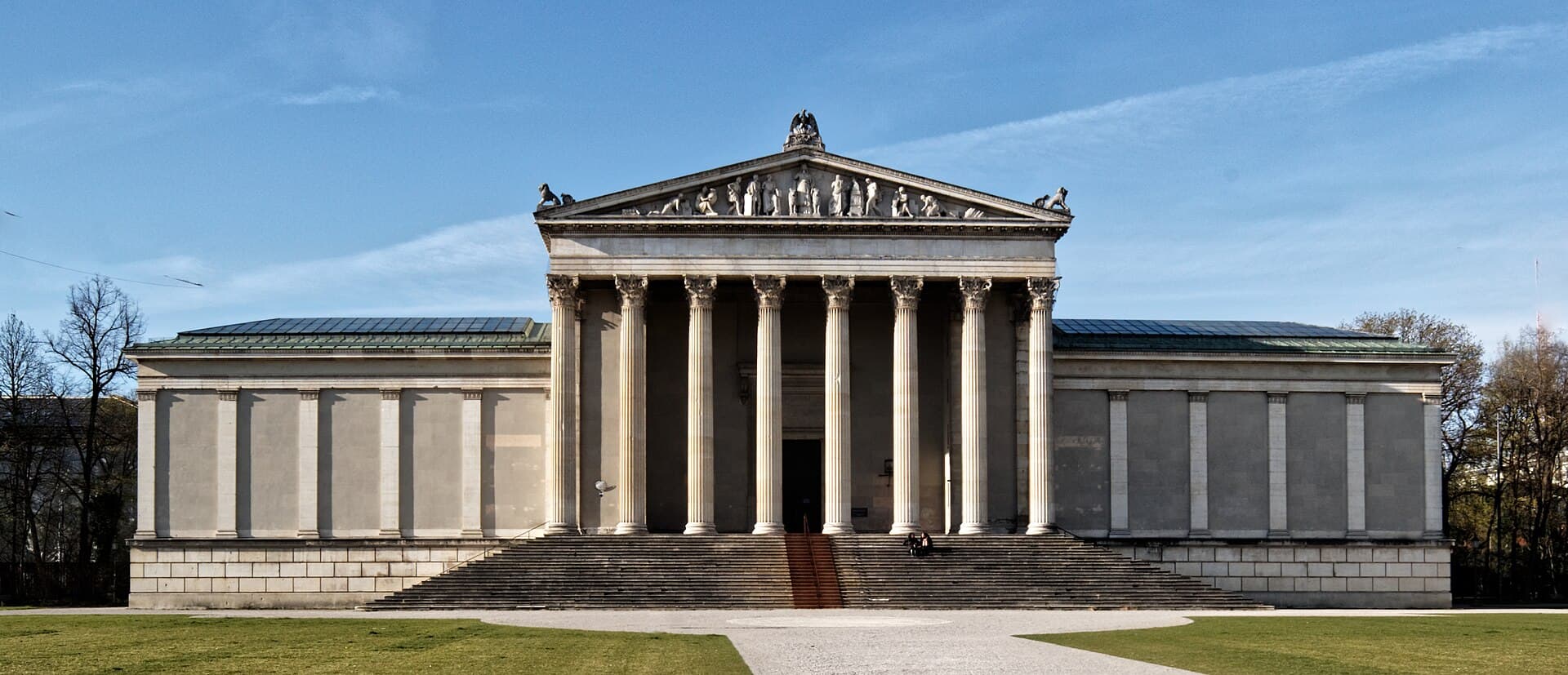 Staatliche AntikensammlungenOn the south side of Koenigsplatz stands a Corinthian-columned building put up b5 minutes walk4.3
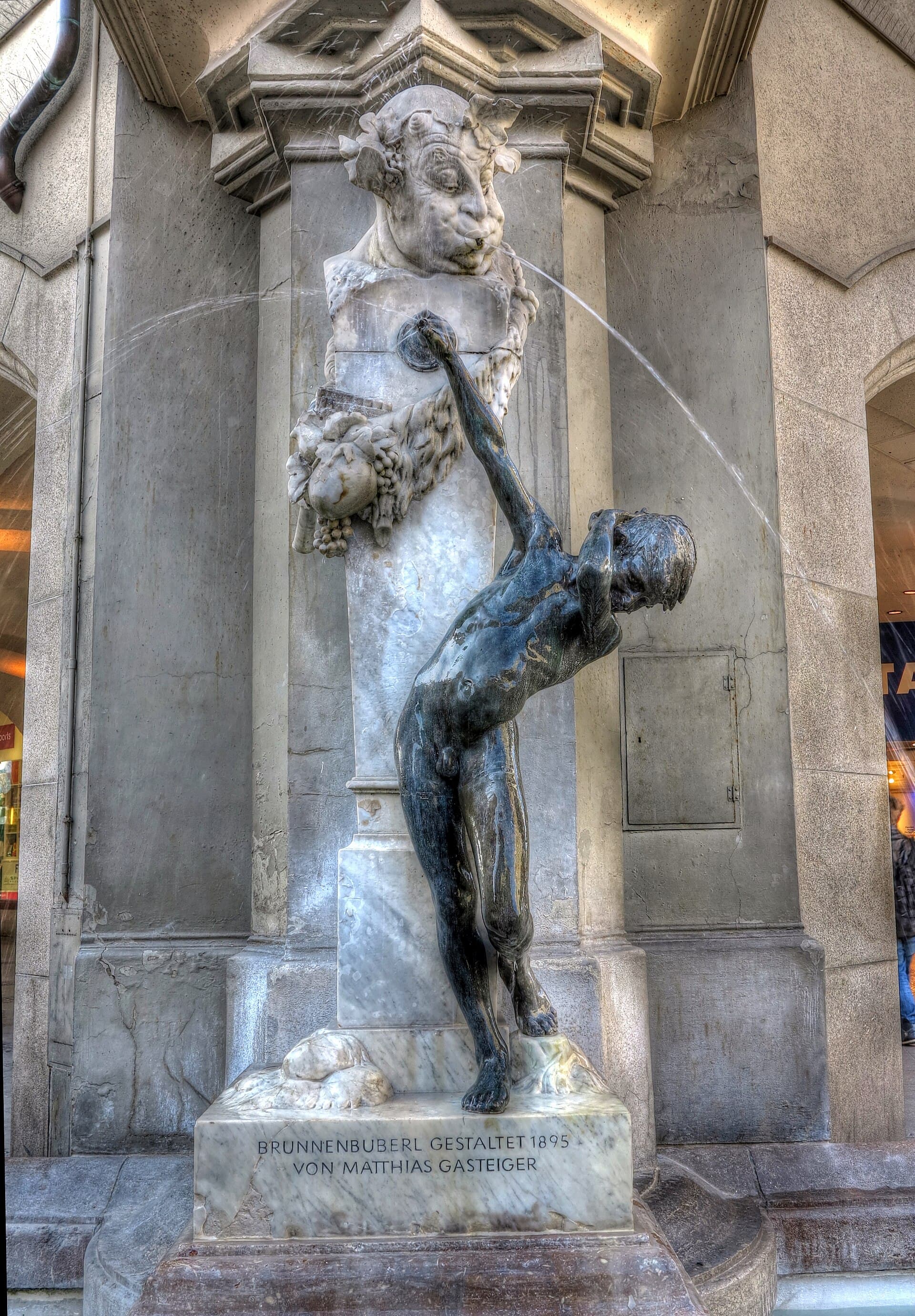 The BrunnenbuberlA small bronze fountain on the pedestrian Neuhauser Straße in central Munich, fr5 minutes walk4.7
A vast iron and glass exhibition building erected in 1854 in imitation of London's Crystal Palace, used for major art and industrial exhibitions. In June 1931 it burned down entirely in a deliberately set fire whose perpetrator was never identified, destroying some three thousand German Romantic paintings on show inside — one of the gravest losses to German art in the twentieth century before the war.