
The Stachus fountain
A ring of water that becomes an ice rink in winter.
User:Nino Barbieri — CC BY-SA 2.5 · böhringer friedrich — CC BY-SA 2.5 · Flocci Nivis — CC BY 4.0 · Szesztay Család — CC BY-SA 3.0
The Karlstor is one of three surviving gates from the second medieval wall that once ringed Munich. It first appears in the records in 1301 as the Neuhauser Tor, named for the road that ran out through it, and kept that name until 1791, when it was renamed for the Elector Karl Theodor — the same name given to the square in front of it, although Municher have always called that square the Stachus instead. The gate originally had three towers: two flanking and one tall central tower rising over the traffic. In 1857 gunpowder stored inside the central tower exploded and destroyed it outright, and it was never rebuilt. The two surviving towers were restored in a neo-Gothic manner, finished in 1861, and that is what stands today: an open gap where the heart used to be. Second World War bombing then struck the gate and the square, and restoration followed. In practice the Karlstor is not somewhere you enter but somewhere you walk through. It is the western mouth of the Neuhauser Strasse pedestrian street, which runs in a straight line to Marienplatz and the city centre, and the natural point of arrival for anyone coming from the main station. In front of it the round Karlsplatz fountain draws people to sit in summer and becomes an ice rink in winter. Stop for five minutes, take the photograph, then walk on.
A ring of water that becomes an ice rink in winter.
Starts under the gate and ends at Marienplatz.
Karlsplatz, 80335 Munich
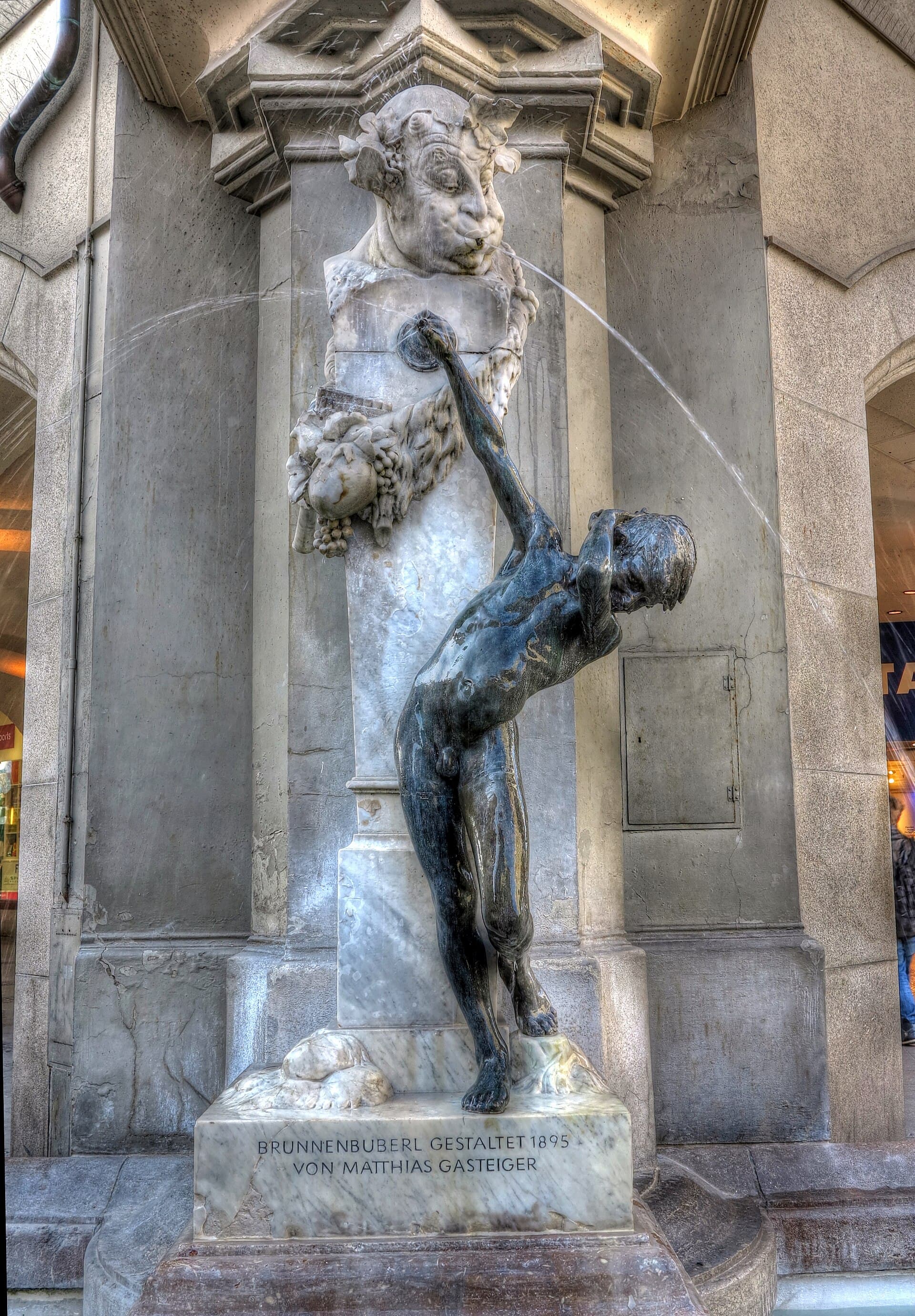 The BrunnenbuberlA small bronze fountain on the pedestrian Neuhauser Straße in central Munich, fr1 minute walk4.7
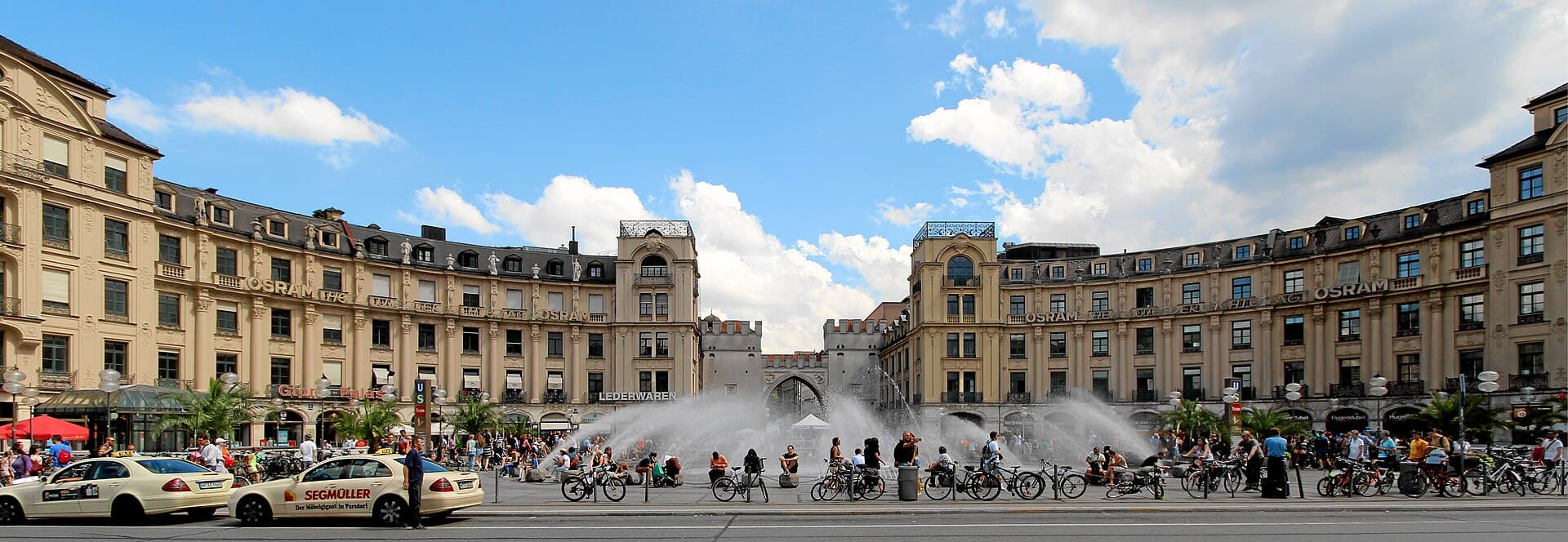 Karlsplatz (Stachus)Karlsplatz — which Munich locals call "Stachus" and nothing else — is the wester1 minute walk4.6
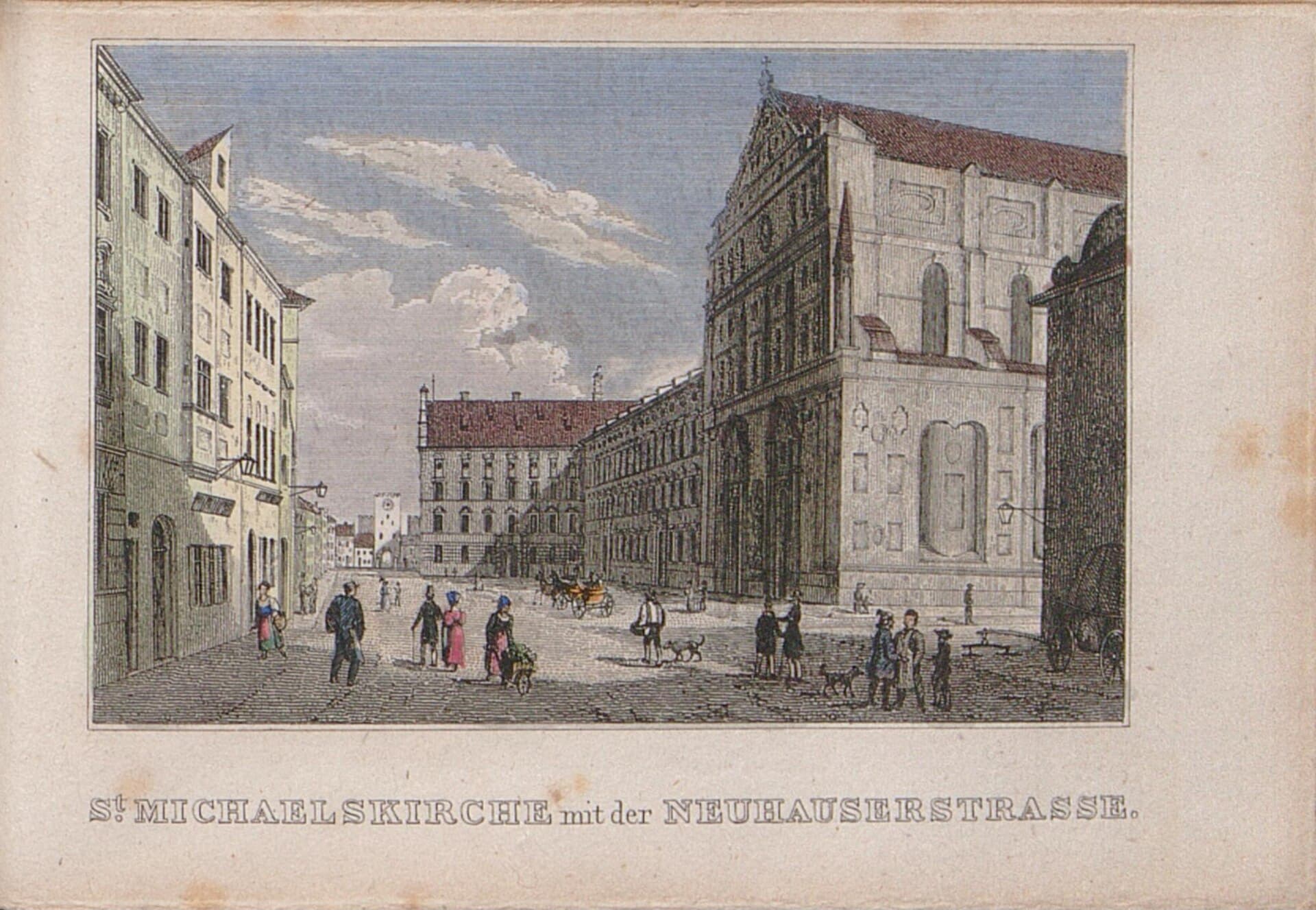 St Michael's ChurchSt Michael's is the Jesuit church in central Munich, built by Duke Wilhelm V bet3 minutes walk4.8
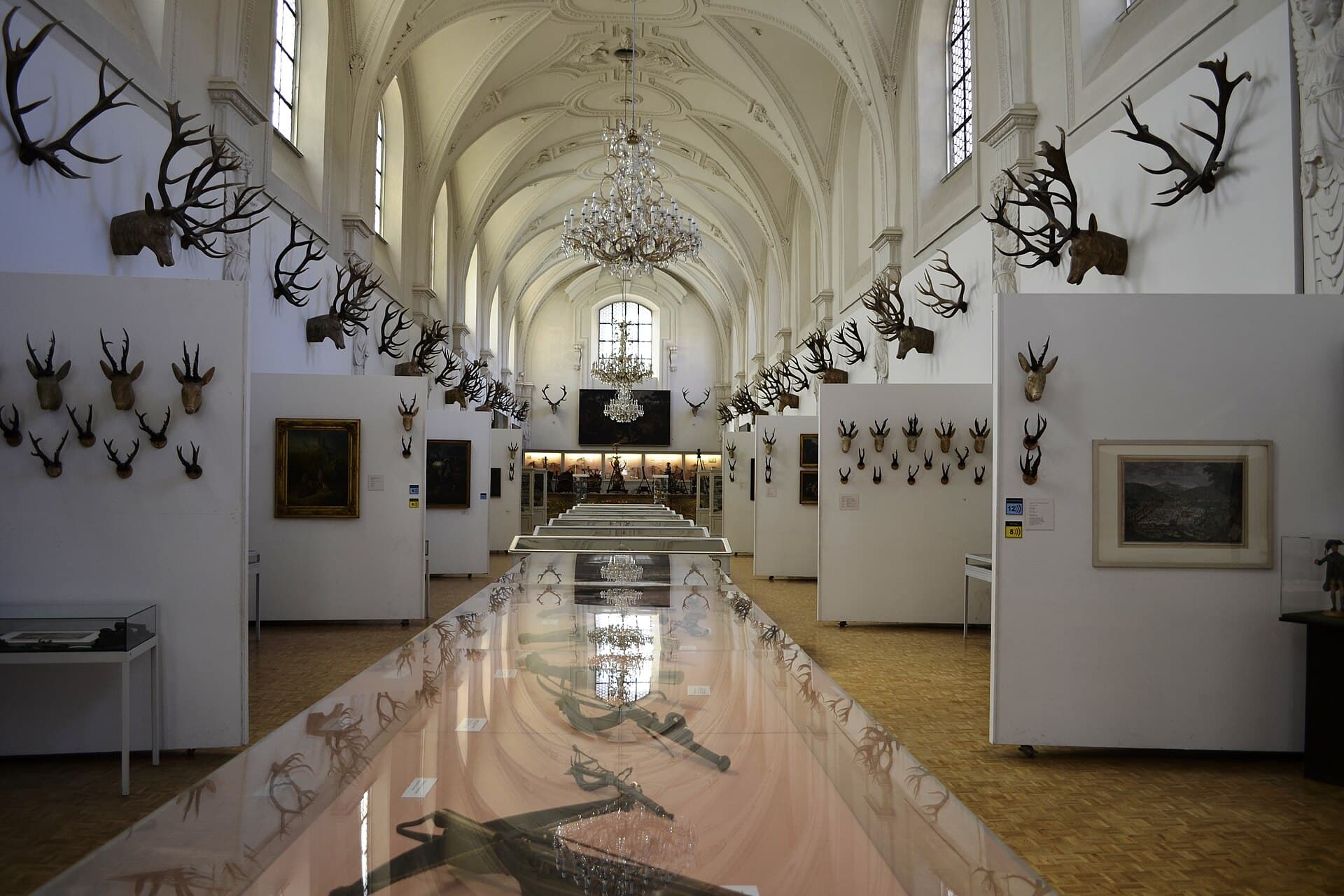 German Hunting and Fishing MuseumThe German Hunting and Fishing Museum occupies a fifteenth-century Augustinian c4 minutes walk4.5
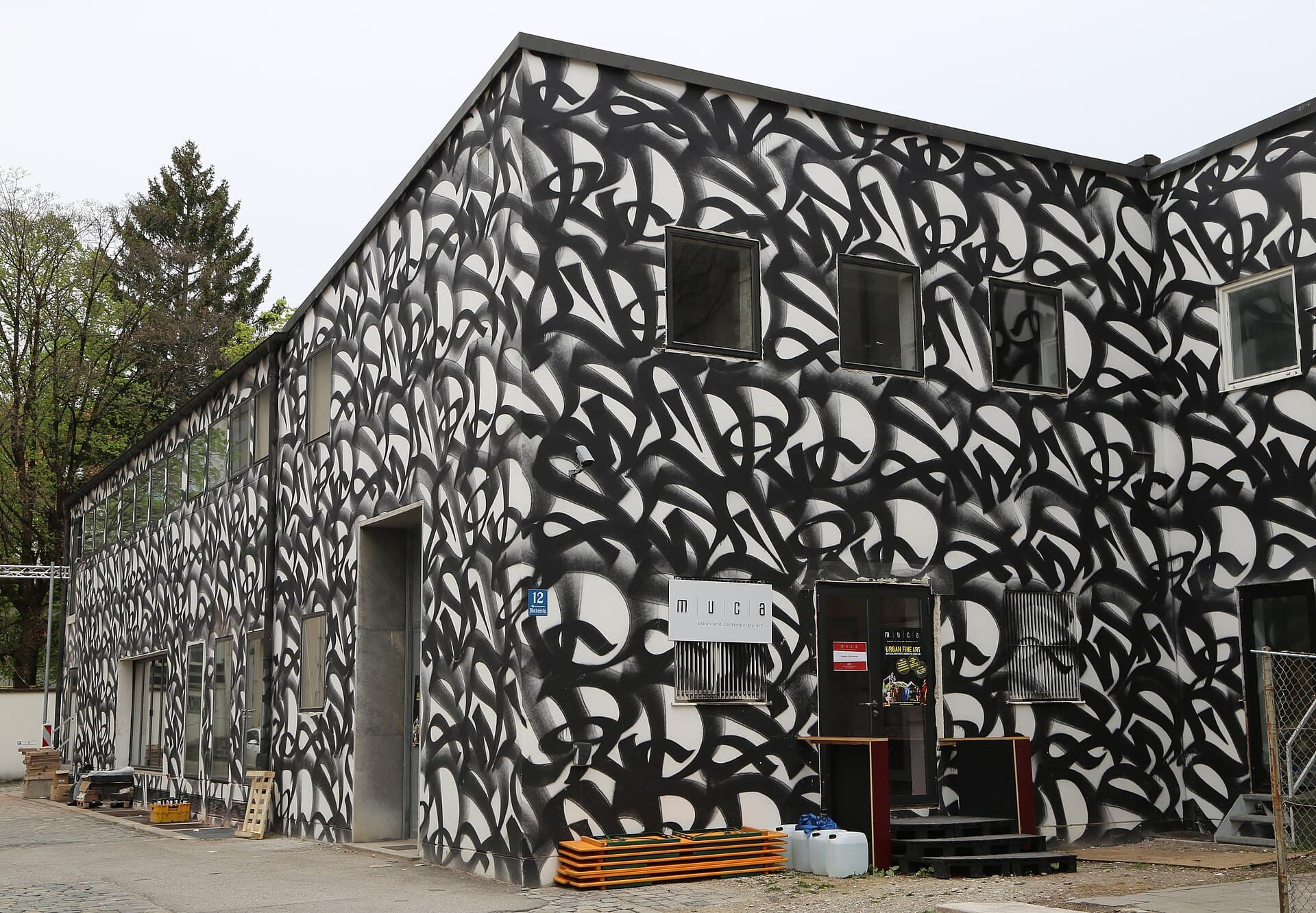 MUCA - Museum of Urban and Contemporary ArtMUCA is Germany's first museum devoted to street art and contemporary urban art,4 minutes walk4.2
Because the official name never stuck. When the Elector Karl Theodor put his name on the square in 1791 he was not a popular man in the city, so people simply carried on with the old nickname, taken from an inn that once stood there. More than two centuries later the signs still say Karlsplatz and the residents still say Stachus — even the underground station carries both names.