
The tulip mania story
History's first economic bubble (1637).
Pvt pauline — CC BY-SA 3.0 · dronepicr — CC BY 2.0 · GoldenArtists — CC BY 4.0 · Claude Monet — Public domain
The Tulip Museum is a small museum on the Prinsengracht telling the story of the flower that became the Netherlands' symbol — a stranger story than you would expect: the tulip came originally from the mountains of Central Asia and the Ottoman Empire (its name from "turban"), reached Holland in the sixteenth century, and set off history's first economic bubble: "tulip mania" (1637), when a single bulb sold for the price of a canal house before the market suddenly crashed. The museum is small but focused and enjoyable: explaining the flower's journey from Asia to the world, the science of growing it, and the famous bubble, with elegant visual displays. Its shop is among the best places to buy genuine exportable tulip bulbs (with certificate) as a gift from Holland. A half-hour visit on the canal in the lovely Jordaan quarter, steps from the Anne Frank House — a pleasant stop on the Netherlands' most famous theme.
History's first economic bubble (1637).
From Asian mountains and the Ottomans to Holland's symbol.
Genuine certified export bulbs — a real gift.
Prinsengracht 116, 1015 Amsterdam
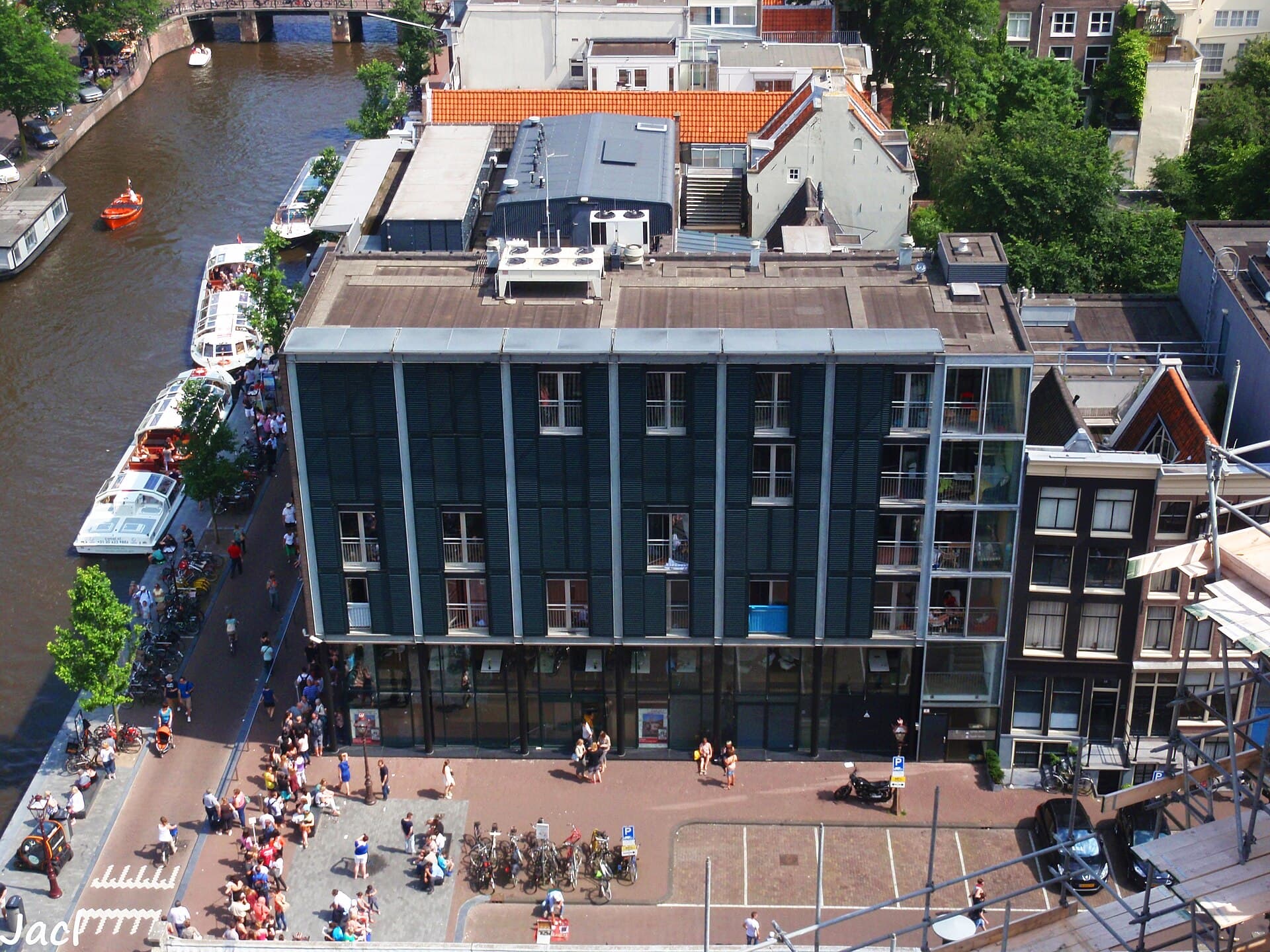 Anne Frank HouseThe Anne Frank House is not an ordinary museum but a place where it happened: he1 minute walk4.6
 The House with the Heads and the Free Mind LibraryThe House with the Heads is a canal house of 1622 on the Keizersgracht, known fo3 minutes walk4.4
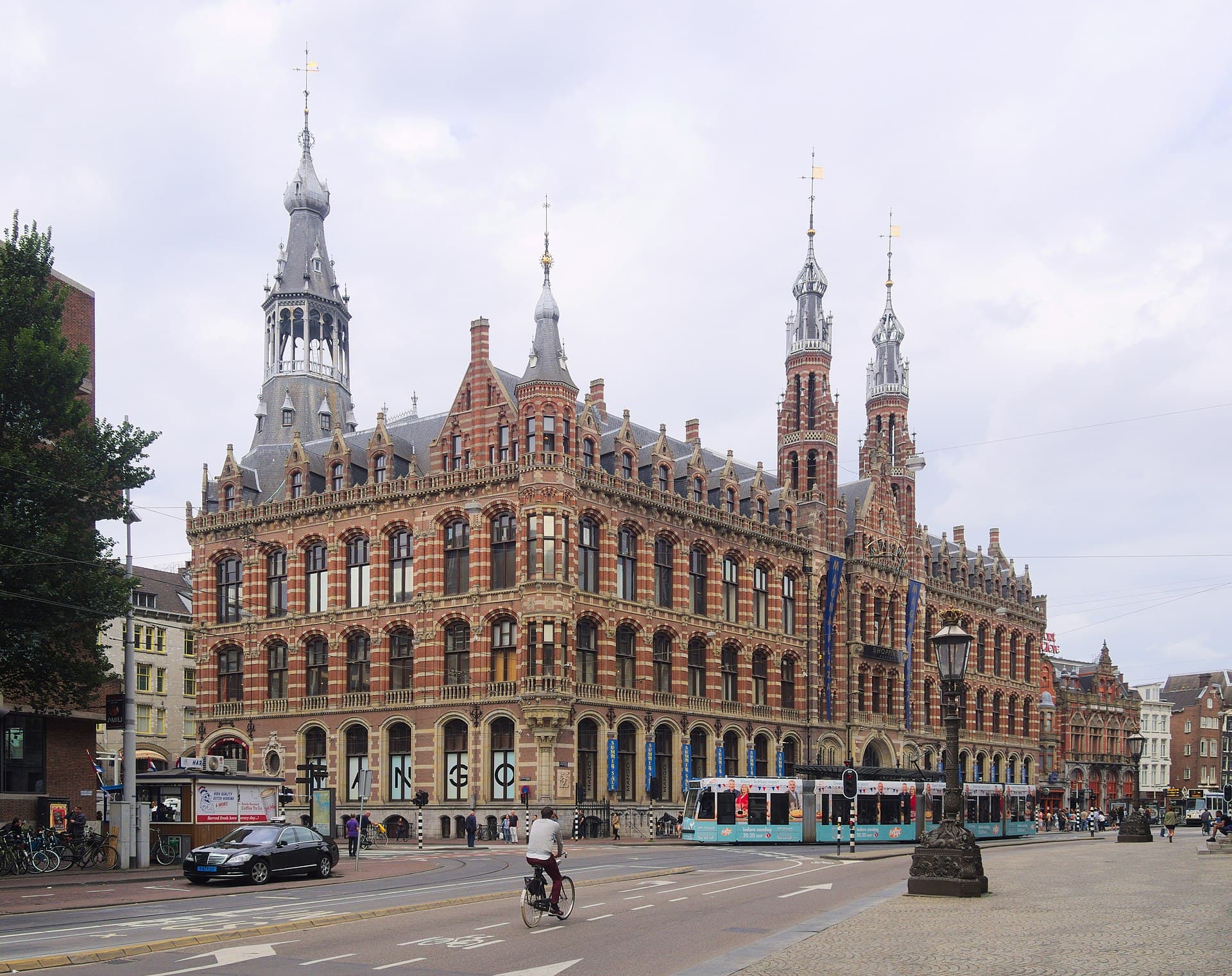 Magna PlazaMagna Plaza stands directly behind the Royal Palace, the largest neo-Gothic buil6 minutes walk3.9
 The Nieuwe KerkThe Nieuwe Kerk stands on Dam Square beside the Royal Palace, and its name misle8 minutes walk4.3
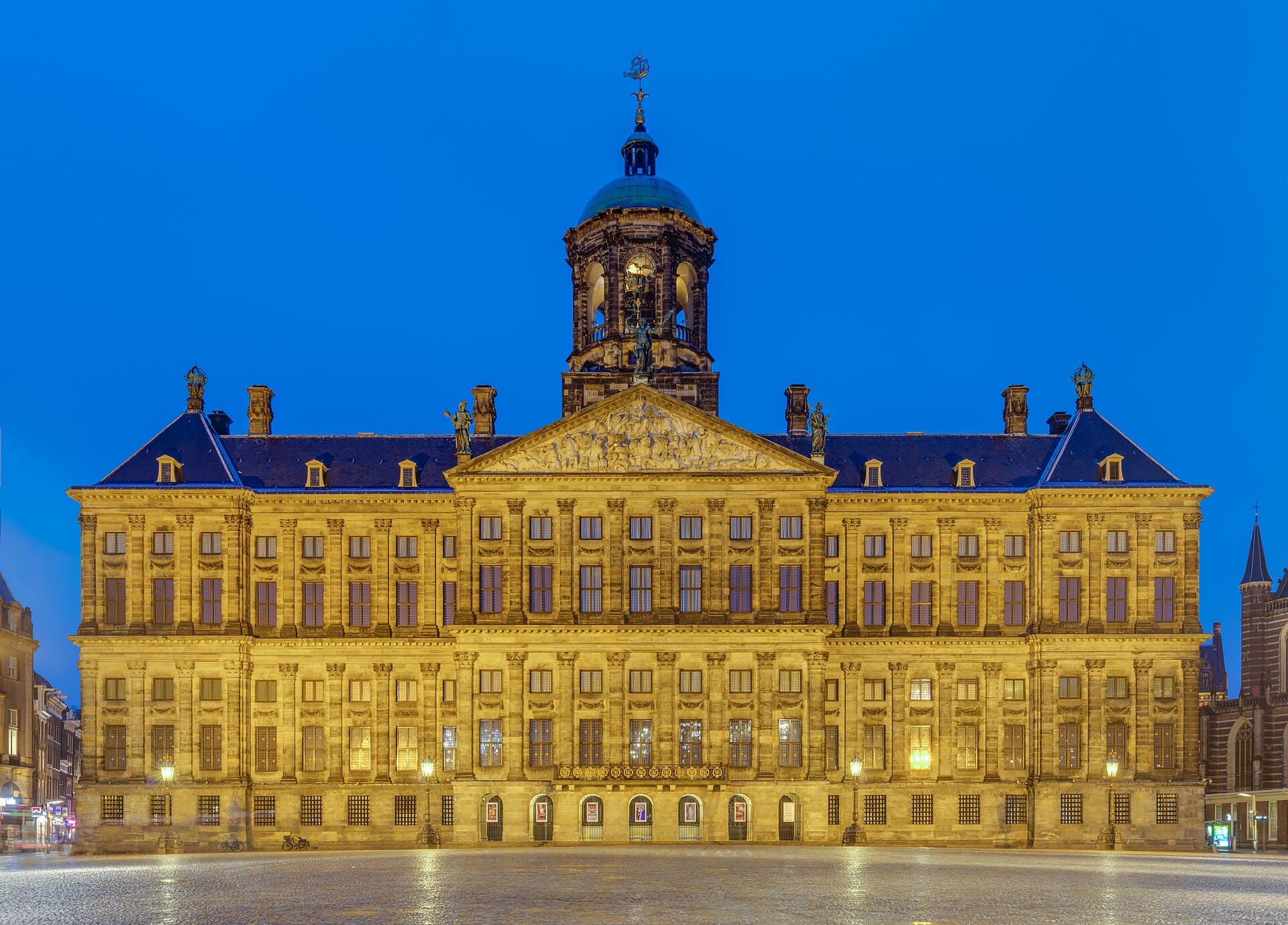 Royal Palace AmsterdamThe Royal Palace on Dam Square was not built as a palace but as a town hall: Ams8 minutes walk4.5
As a stop, not a destination: a cheap half hour on a lovely canal explaining Holland's most famous theme — and you are in the Jordaan near the Anne Frank House anyway. To see real tulips: the Keukenhof gardens (March–May, a day trip) are the destination. The museum explains; the fields dazzle.