
The alchemical manuscripts
Symbolic illustration in rare displayed books.
Cornelis Springer — Public domain · Samuel Mudrík — CC BY-SA 4.0 · Rijksmuseum — CC0 · A. J. van der Wal — CC BY-SA 4.0
The House with the Heads is a canal house of 1622 on the Keizersgracht, known for six carved stone heads on its facade. Popular legend says they are the heads of burglars struck off by a brave maidservant — an enjoyable story and an untrue one: the heads represent classical gods. The house today holds the Embassy of the Free Mind, the public face of an exceptional library: the Bibliotheca Philosophica Hermetica, a collection assembled by a Dutch businessman over decades, holding thousands of manuscripts and early printed books on hermetic thought, alchemy, mysticism, Kabbalah and symbolism. What is displayed is a small selected part of the collection, but what is shown is genuinely rare: books printed in the fifteenth century, illustrated alchemical manuscripts, and first editions of works the Church suppressed. The idea the place puts across is that seventeenth-century Amsterdam was free Europe's printing press — printing what was burned elsewhere.
Symbolic illustration in rare displayed books.
A canal house from Amsterdam's golden age.
Keizersgracht 123, 1015 Amsterdam
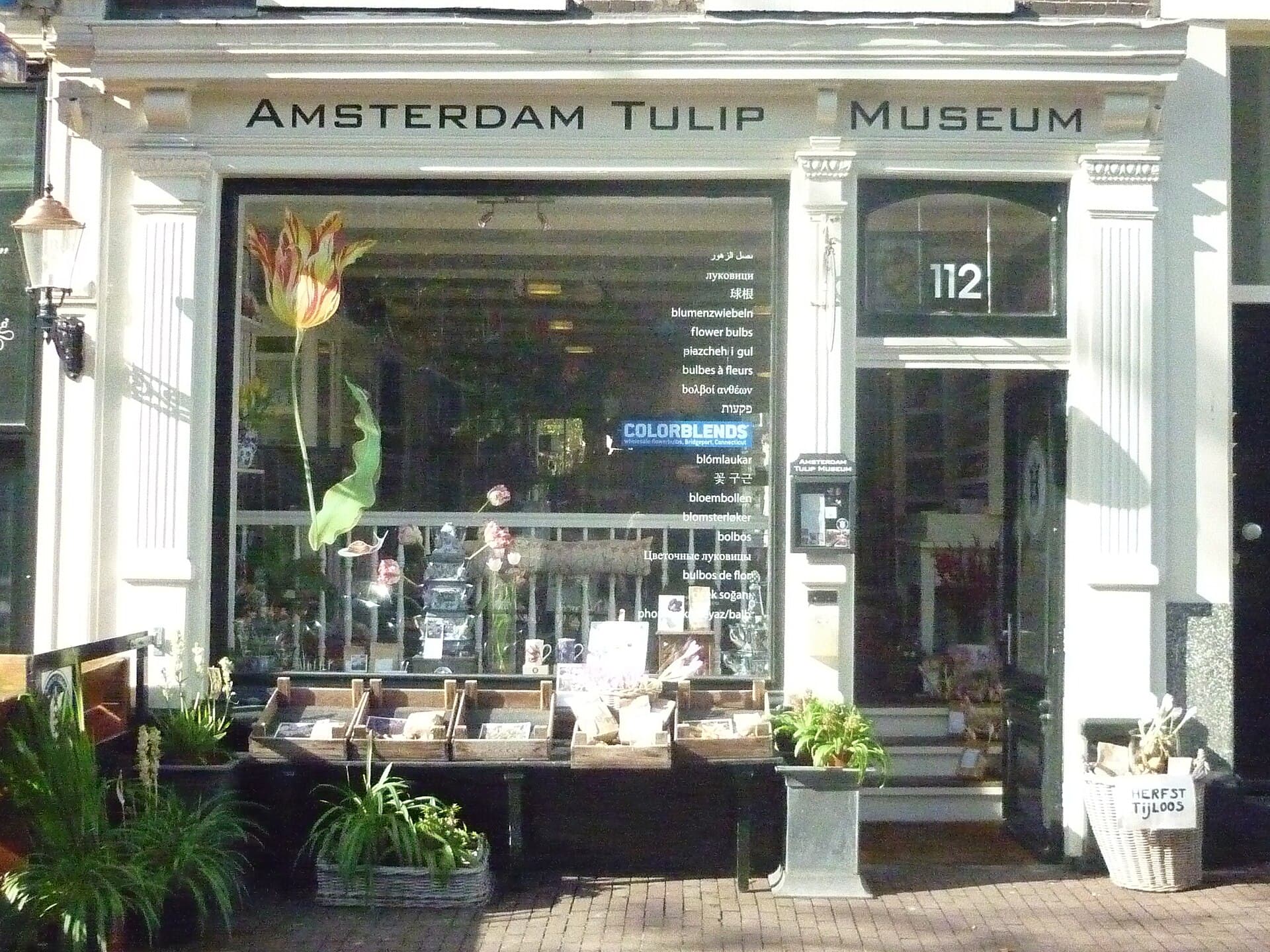 Amsterdam Tulip MuseumThe Tulip Museum is a small museum on the Prinsengracht telling the story of the3 minutes walk4.2
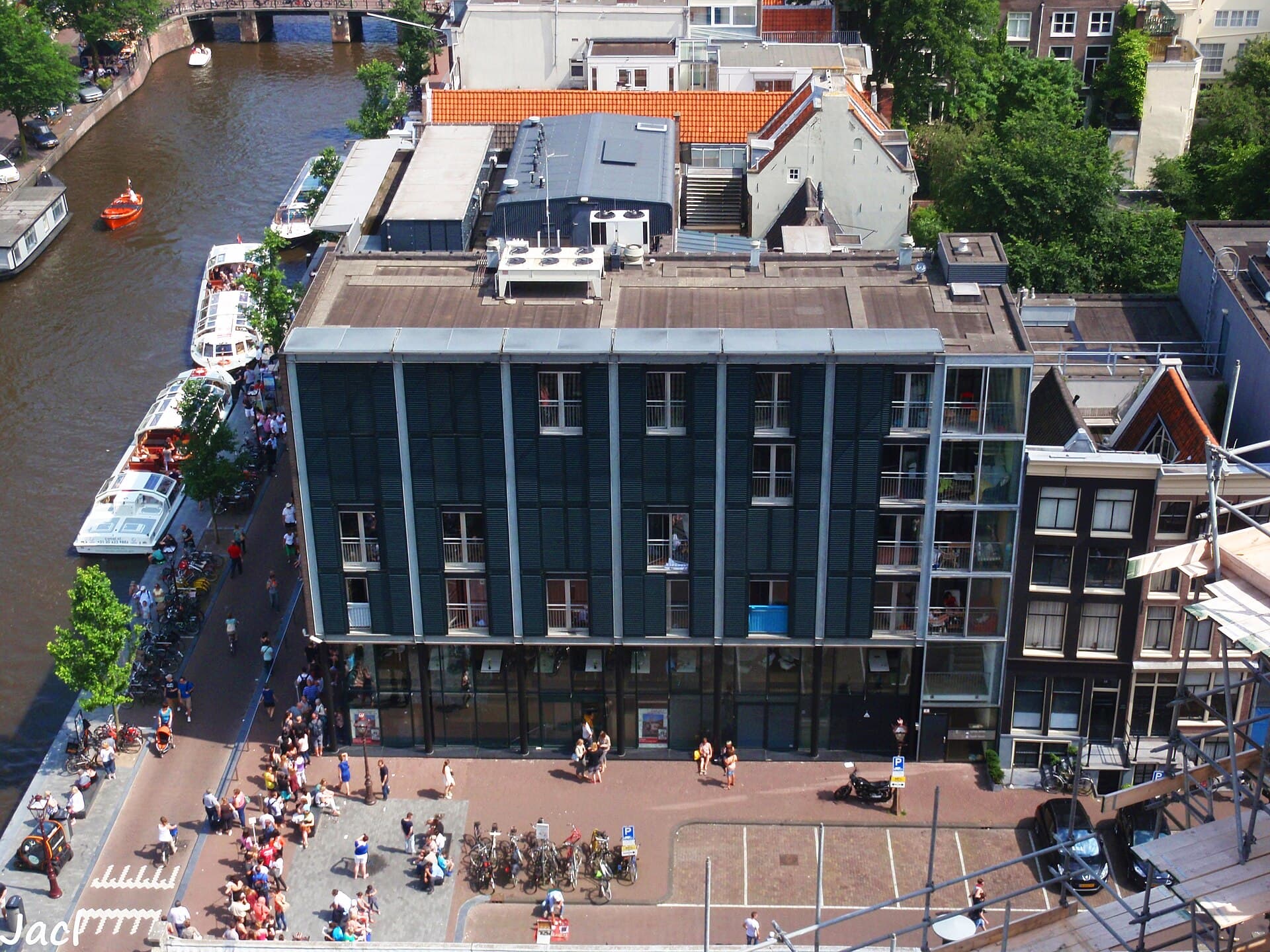 Anne Frank HouseThe Anne Frank House is not an ordinary museum but a place where it happened: he3 minutes walk4.6
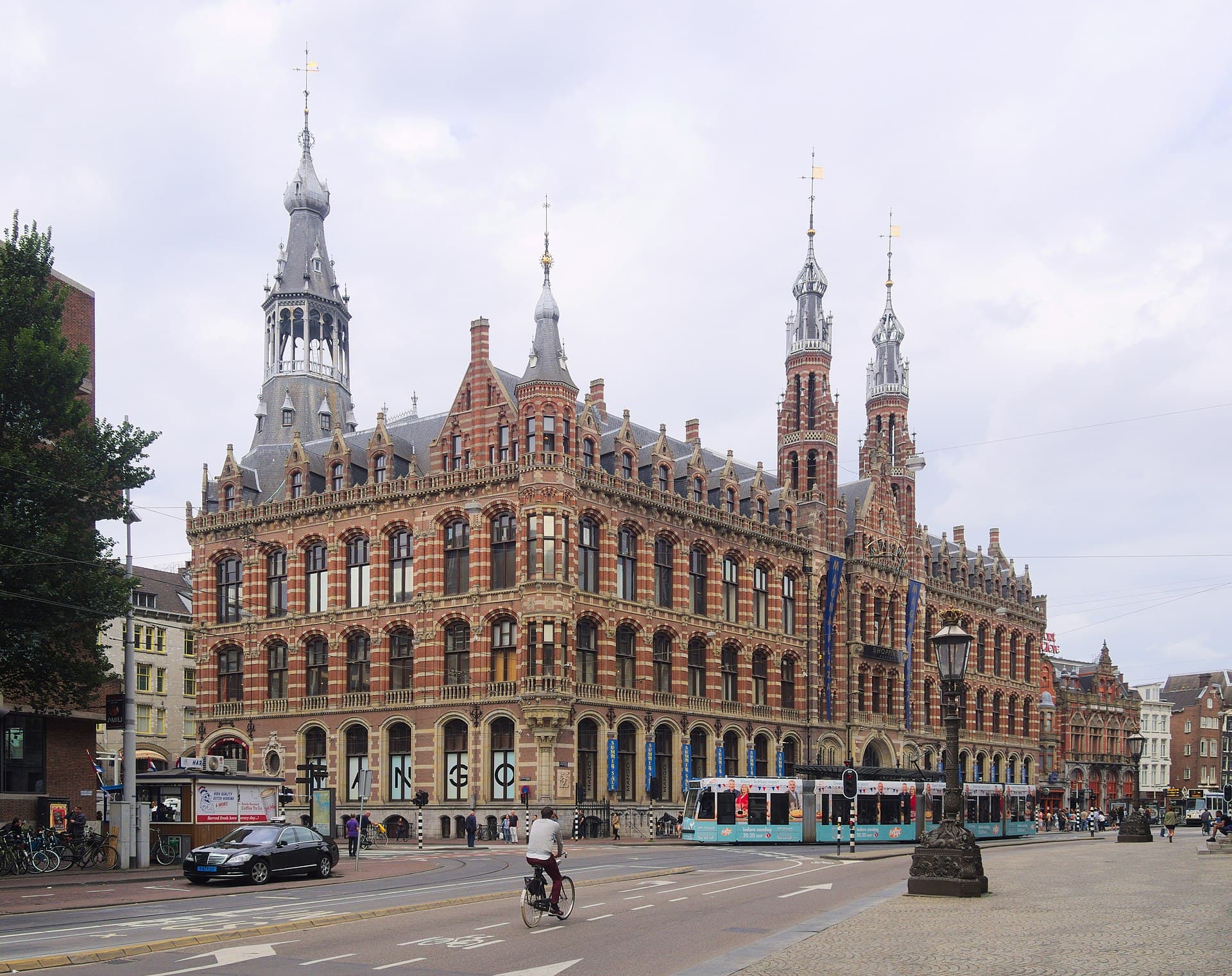 Magna PlazaMagna Plaza stands directly behind the Royal Palace, the largest neo-Gothic buil5 minutes walk3.9
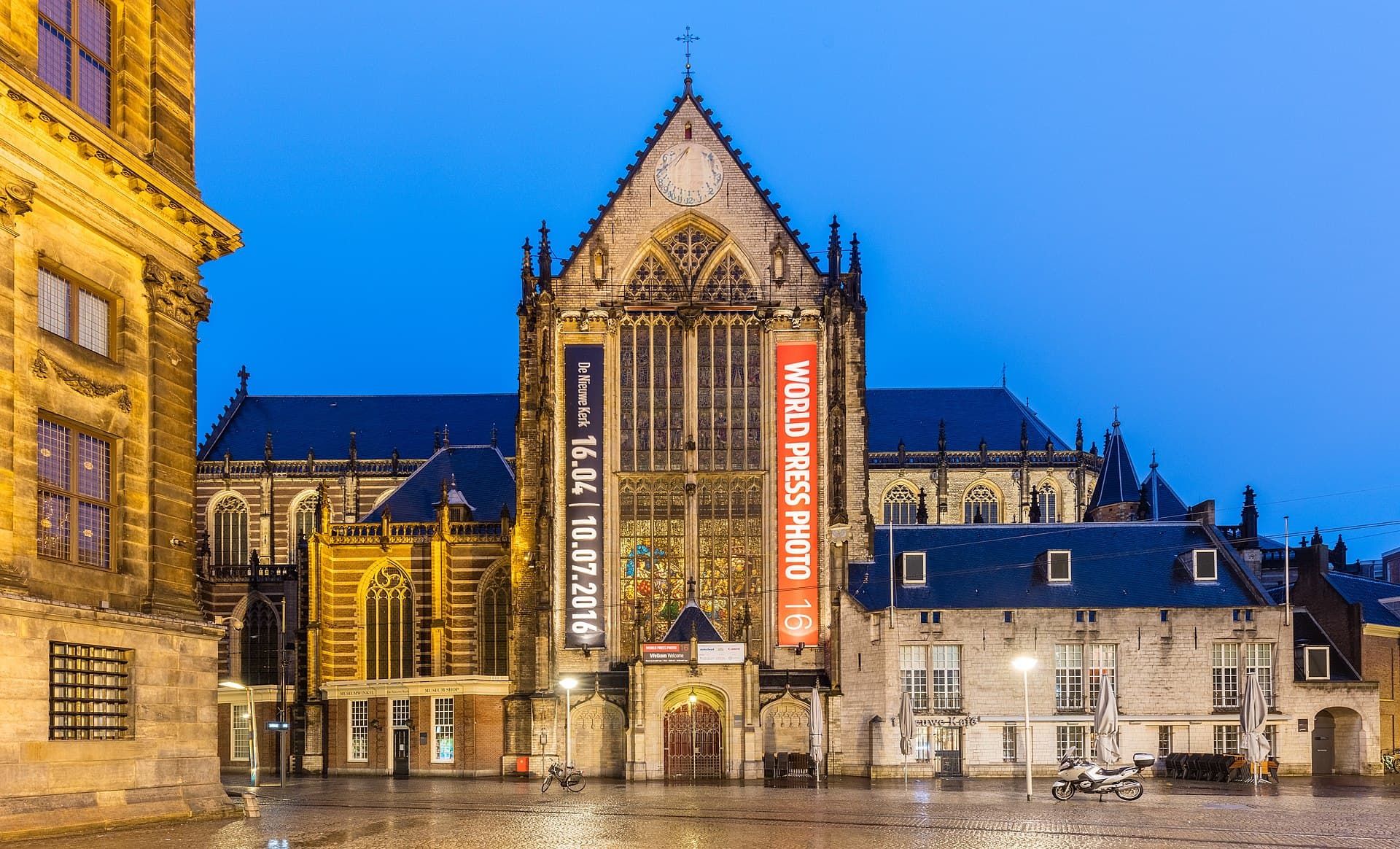 The Nieuwe KerkThe Nieuwe Kerk stands on Dam Square beside the Royal Palace, and its name misle5 minutes walk4.3
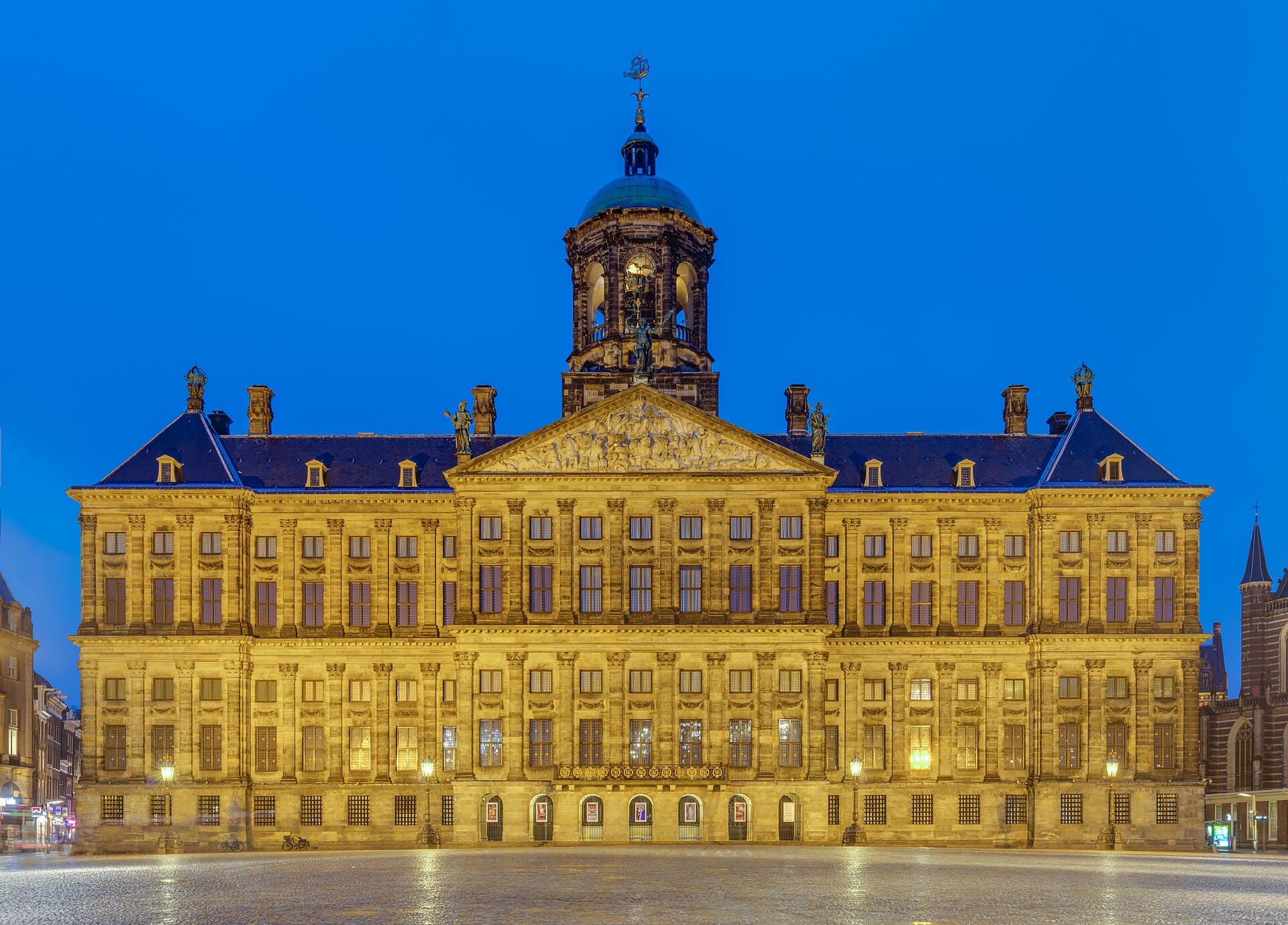 Royal Palace AmsterdamThe Royal Palace on Dam Square was not built as a palace but as a town hall: Ams6 minutes walk4.5
Because the seventeenth-century Dutch Republic combined three rare things: censorship far weaker than its neighbours', a global trading network that carried books everywhere, and a plural society of Protestants, Catholics, Sephardic Jews and French refugees. So Descartes and Spinoza were printed here, along with translations and books banned in France, Spain and Italy, and smuggled back into them. That background is what the library sets out to explain.