
The Roman heating system
A complete hypocaust exposed under glass.
Elena Chochkova — CC BY-SA 3.0 · Pitxiquin — CC BY-SA 4.0 · Pitxiquin — CC BY-SA 4.0 · Pitxiquin — CC BY-SA 4.0
Serdica is ancient Rome literally beneath modern Sofia's feet: a complete Roman city (2nd-6th century AD) discovered by chance during metro excavation (2010s) — the municipality chose to display it as found rather than rebury it: original paved streets, temple and bath foundations, and a Roman underfloor heating network (hypocaust) fully exposed beneath glass walkways people walk over history on daily. Emperor Constantine the Great loved Serdica so much he seriously considered making it the Roman Empire's capital instead of Constantinople — his famous line, Serdica is my Rome, is inscribed near the site. The small neighbouring St. Petka Samardzhiyska church (14th century) is built partly inside earlier Roman ruins themselves — literally stacked civilisational layers: Roman paganism, then Byzantine Christianity, then Ottoman, then modern, all within one hundred metres in Sofia's heart.
A complete hypocaust exposed under glass.
Pagan, Byzantine and Ottoman layers stacked.
Ploshtad Nezavisimost, 1000 Sofia
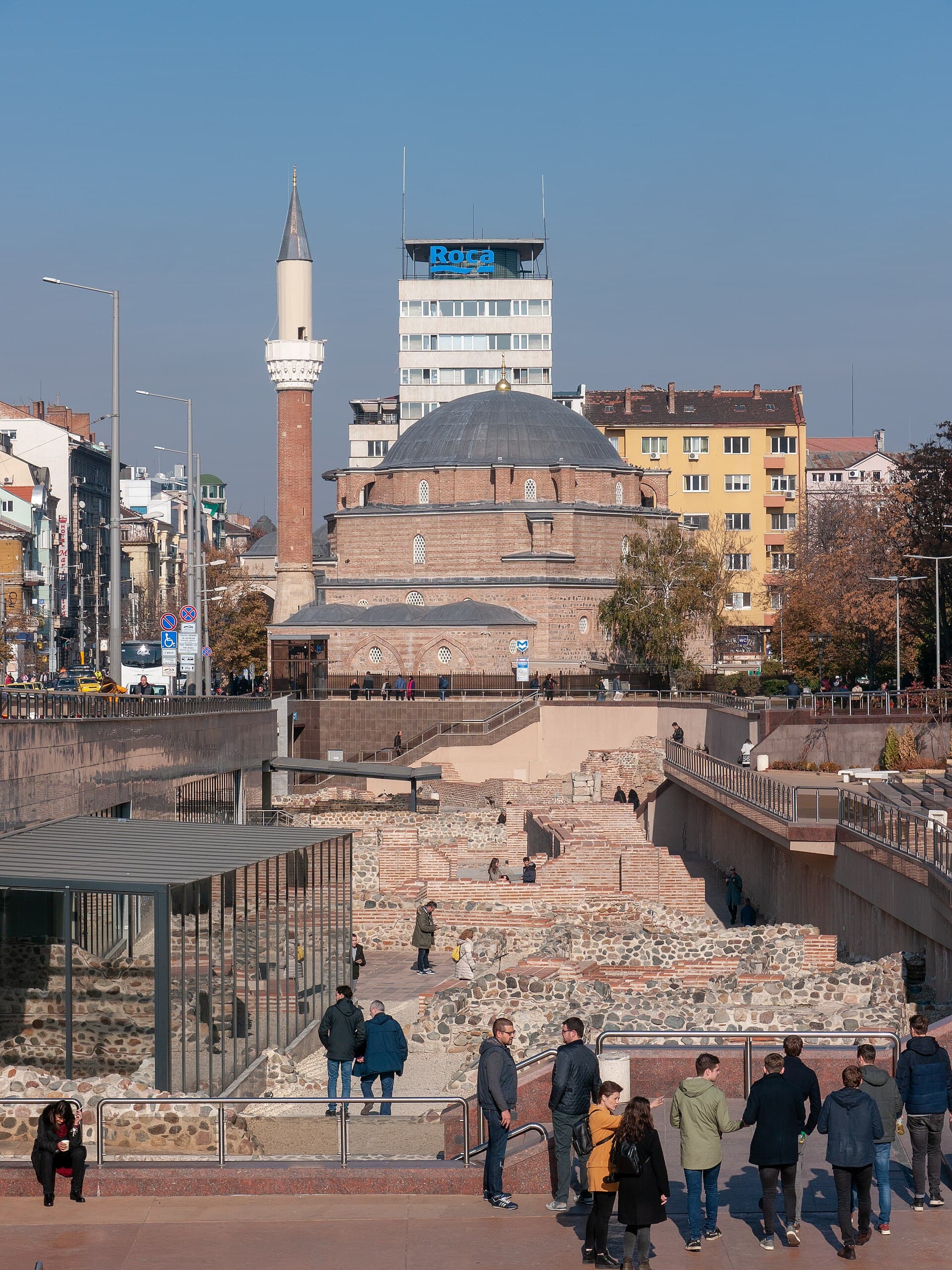 The Serdica Archaeological ComplexThe remains of the Roman city of Serdica exposed below street level in the heart1 minute walk4.5
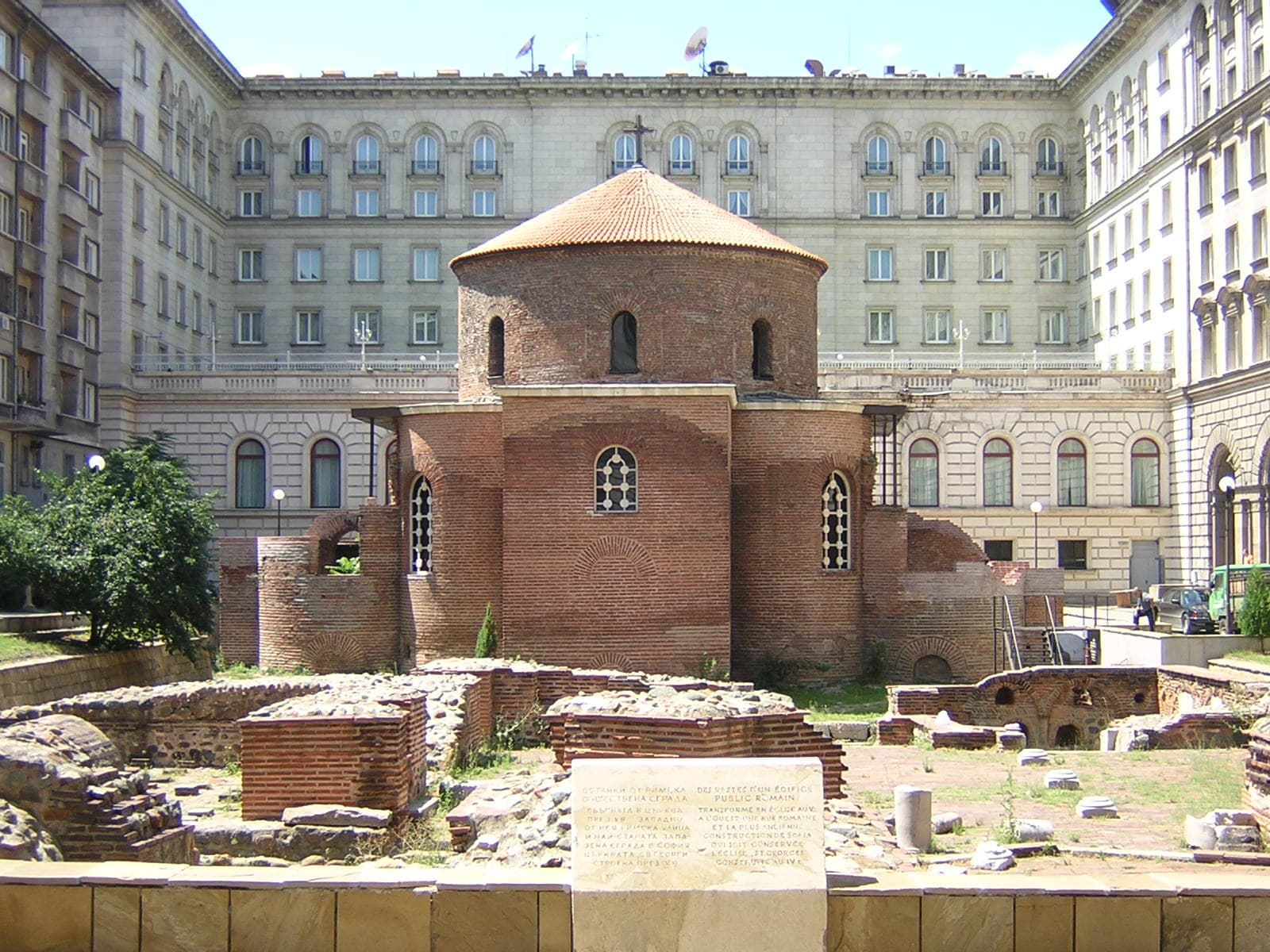 St. George RotundaSt. George Rotunda is Sofia's oldest continuously standing building: a Roman bri2 minutes walk4.7
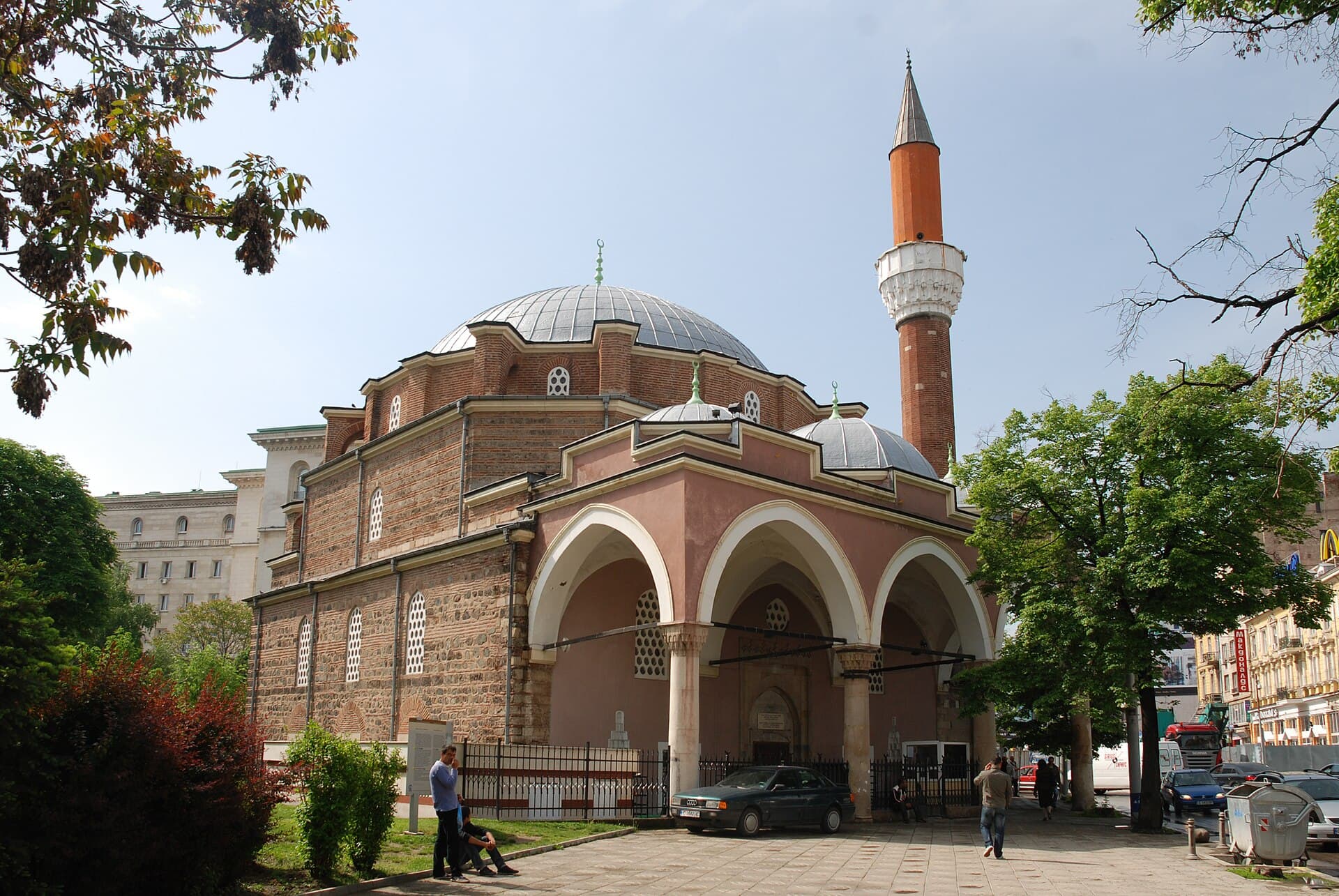 Banya Bashi MosqueBanya Bashi is the sole remaining working mosque in Sofia from nearly seventy Ot2 minutes walk4.3
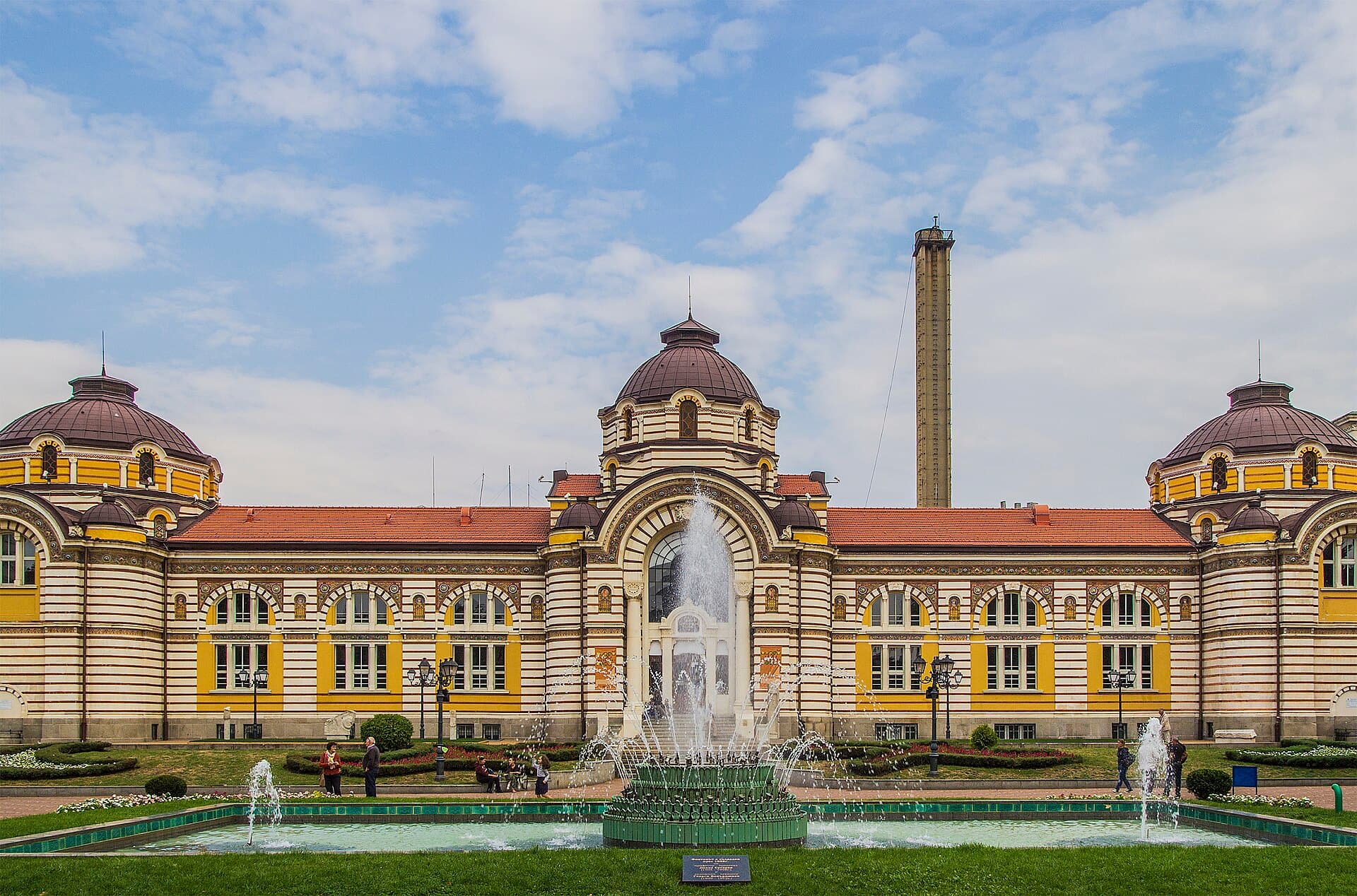 The Central Mineral BathsThe Central Mineral Baths building has one of the finest fronts in Sofia: banded2 minutes walk4.5
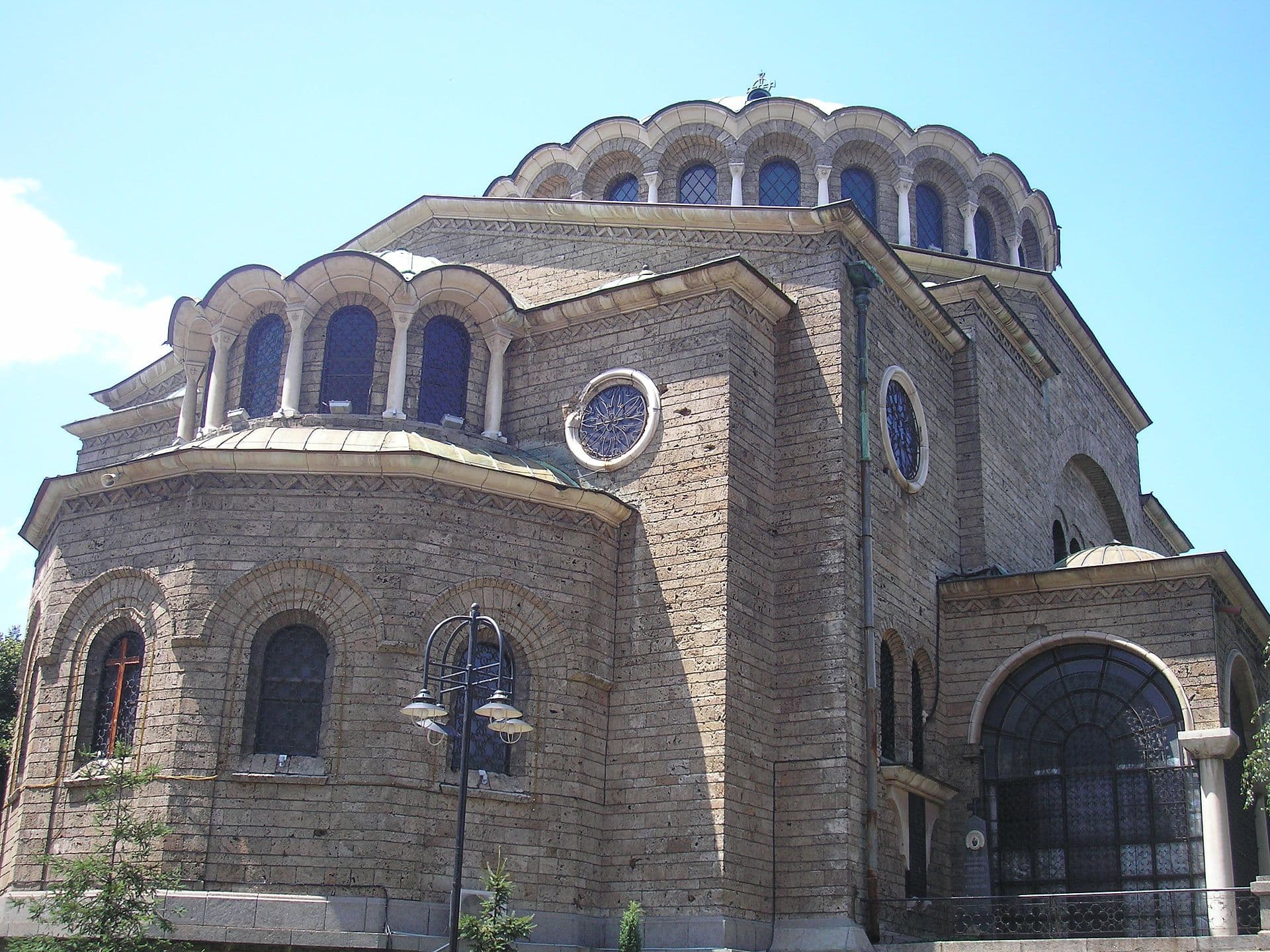 Sveta Nedelya ChurchSveta Nedelya is Sofia's old Orthodox cathedral, standing on the square that car3 minutes walk4.6
Historical account holds he spent considerable time in the city before assuming full imperial power, taken by its strategic Balkan-central position and mild climate — considering it for the new eastern capital before finally settling on Byzantium (later Constantinople) for its more defensible coastal position. The line attributed to him remains Sofia's unofficial cultural motto to this day.