
The front
Banded brick, coloured tile and Byzantine-Secession ornament.
Miroslav.Nikolov — CC BY-SA 4.0 · Pitxiquin — CC BY-SA 4.0 · MrPanyGoff — CC BY-SA 3.0 · MrPanyGoff — CC BY-SA 3.0
The Central Mineral Baths building has one of the finest fronts in Sofia: banded yellow and red brick, arches, coloured tile and ornament combining a Byzantine manner with the Vienna Secession — built between 1904 and 1913 in place of an Ottoman bath that stood on the same spot. The water is why Sofia exists at all. The city grew on hot mineral springs the Romans knew, naming their settlement Serdica and building their baths on them. Use continued without a break through the Byzantines and the Ottomans to the present. The baths stopped working in 1986, and the building now holds the **Sofia History Museum**, a well-arranged museum telling the city from Serdica to the twentieth century, its best part the royal carriages and court holdings. In front of the building are **public taps** where people from Sofia fill bottles with hot mineral water for nothing — a sight worth stopping for in itself.
Banded brick, coloured tile and Byzantine-Secession ornament.
Royal carriages and court holdings inside the old baths.
Ulitsa Exarch Yosif 2, Sofia
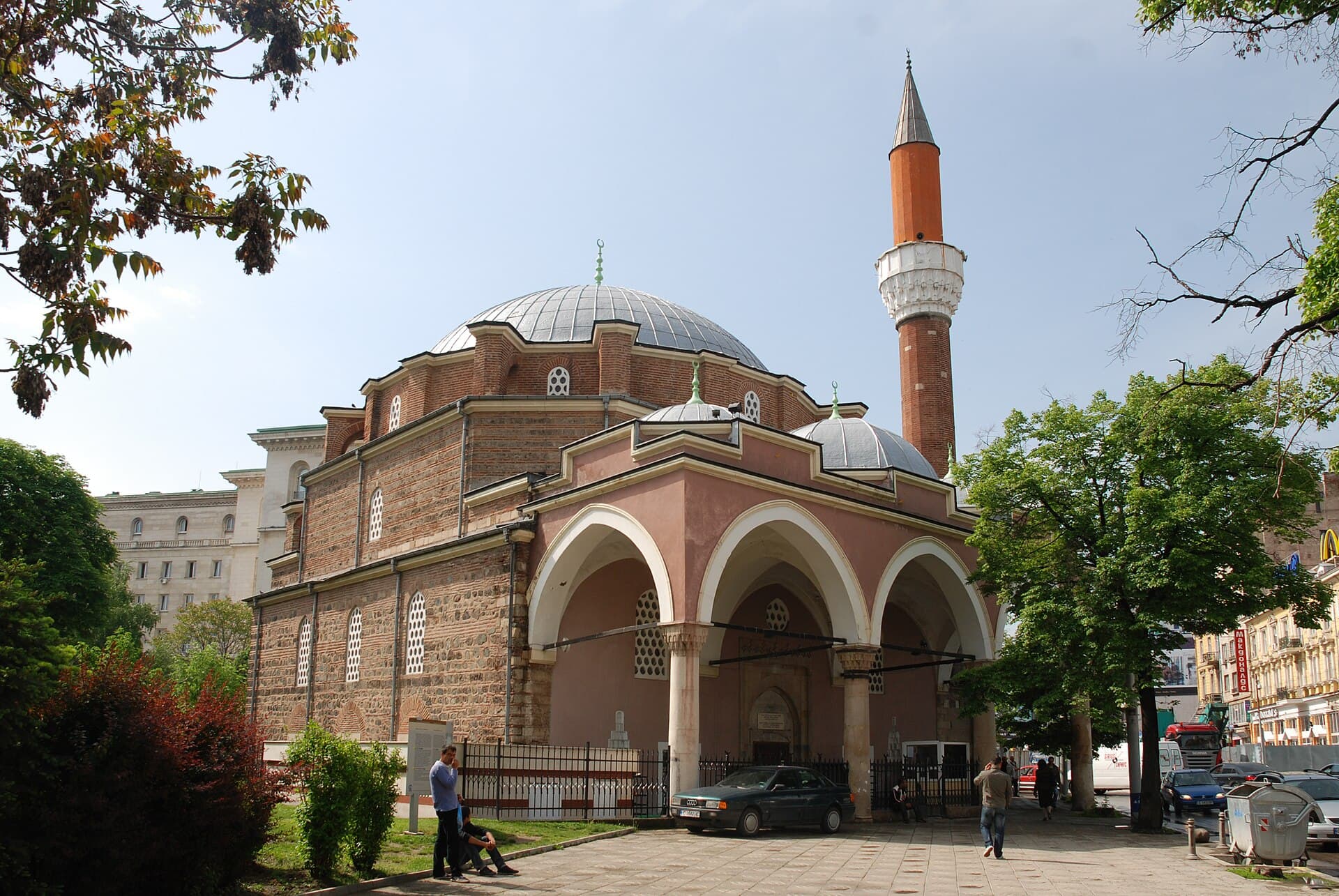 Banya Bashi MosqueBanya Bashi is the sole remaining working mosque in Sofia from nearly seventy Ot1 minute walk4.3
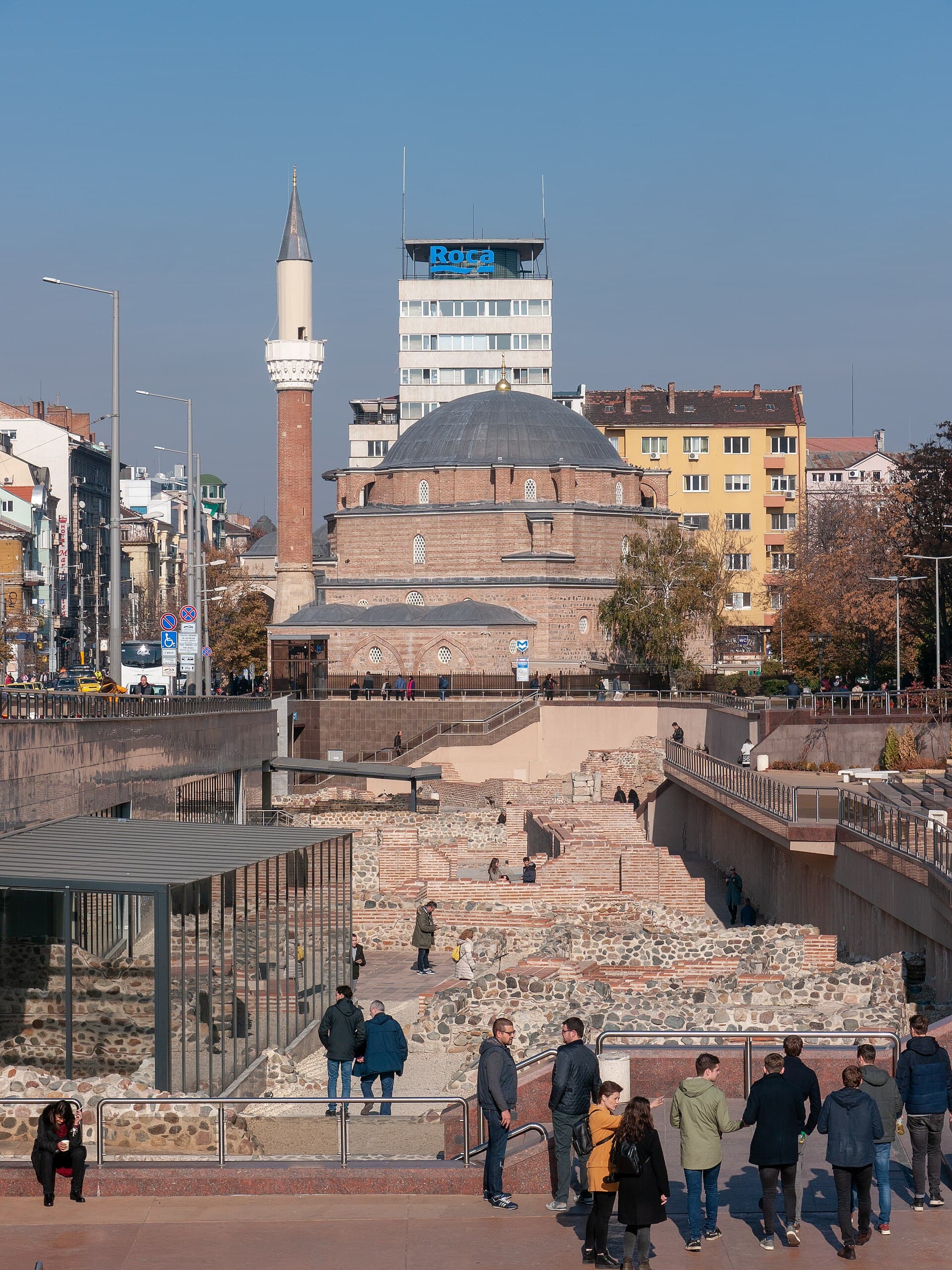 The Serdica Archaeological ComplexThe remains of the Roman city of Serdica exposed below street level in the heart2 minutes walk4.5
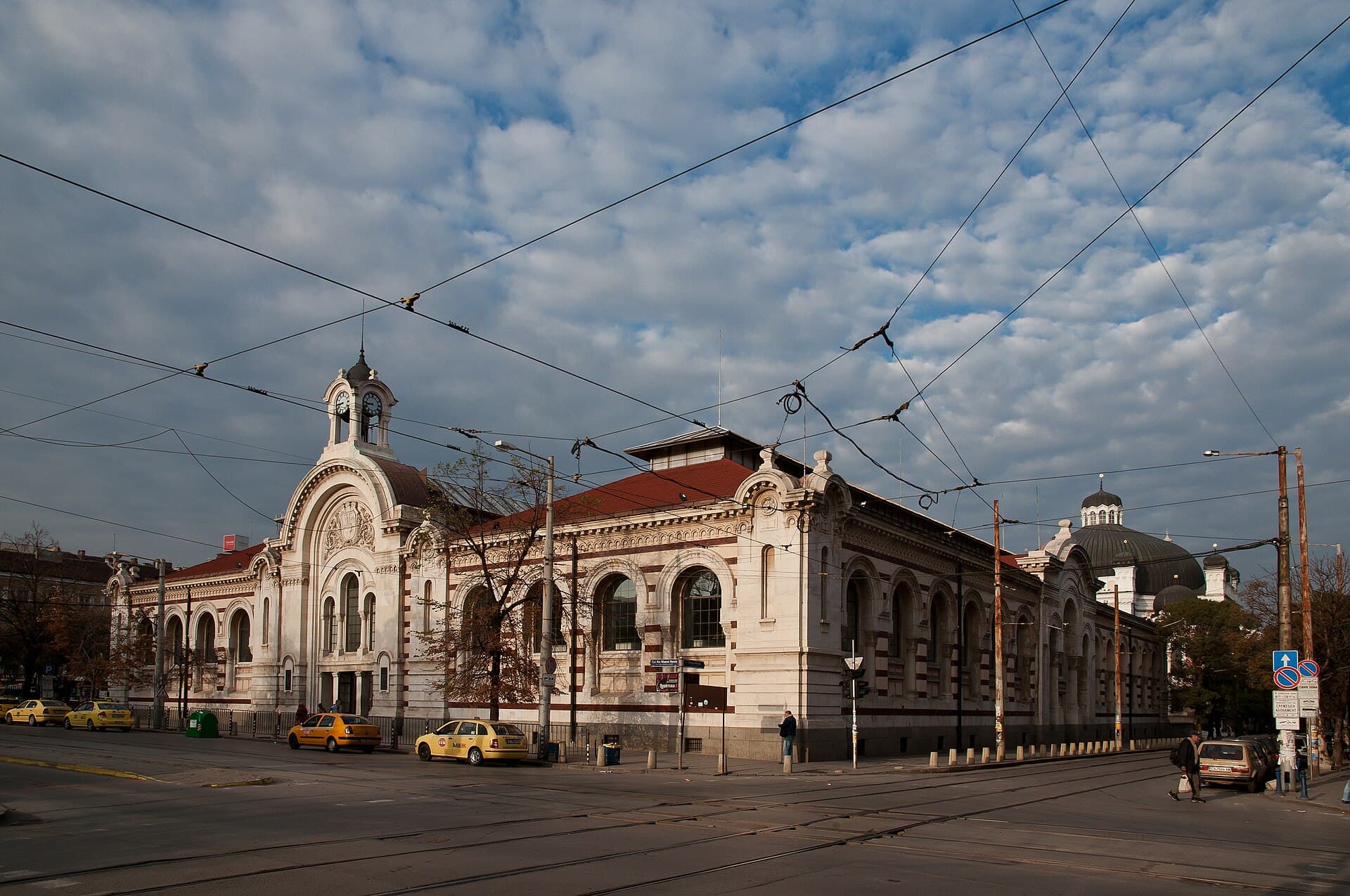 The Central Market HallThe Halite — the Central Market Hall — is a building of 1911 with a neo-Renaissa2 minutes walk4.1
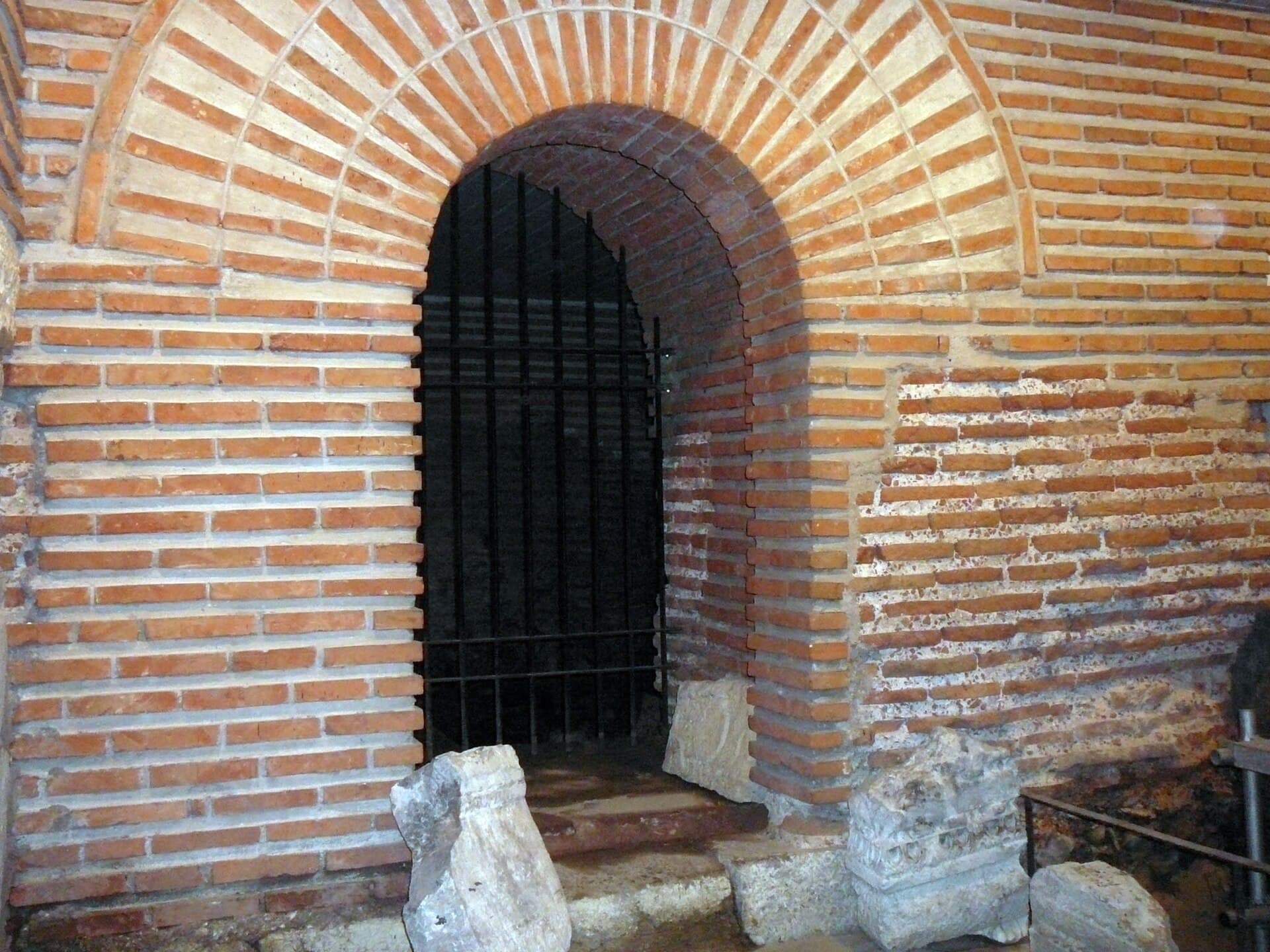 Ancient Serdica ComplexSerdica is ancient Rome literally beneath modern Sofia's feet: a complete Roman 2 minutes walk4.7
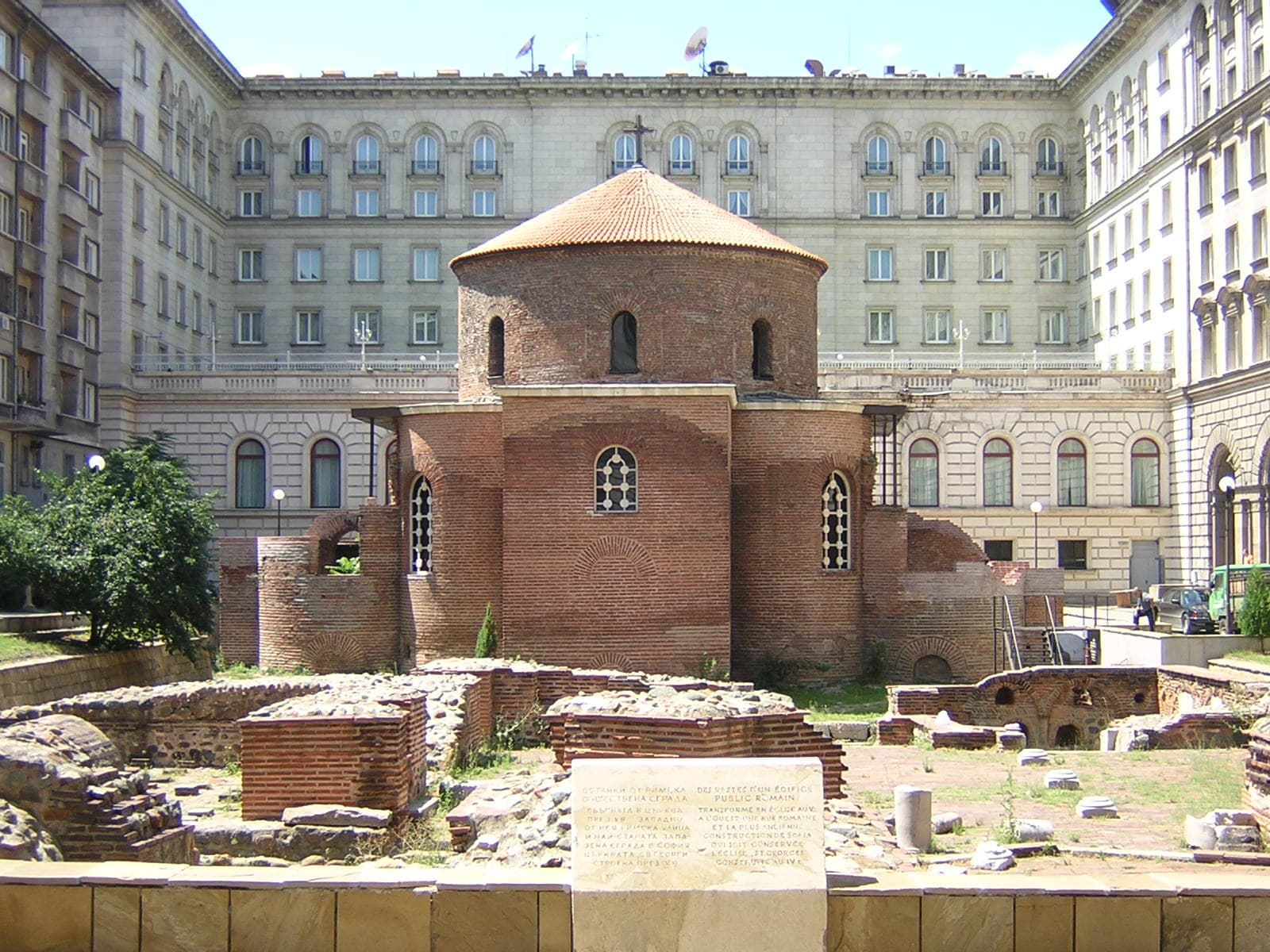 St. George RotundaSt. George Rotunda is Sofia's oldest continuously standing building: a Roman bri4 minutes walk4.7
Yes, and it is used daily: you will see people from Sofia standing with large bottles, filling them and carrying them home. The water comes out hot, around forty-six degrees, from a natural spring, and is alkaline mineral water popularly credited with helping digestion. The taste is different from ordinary tap water — slightly mineral and without chlorine. Let it cool before drinking. There are similar points in other Sofia districts, the best known the Gorna Banya spring. If you have a sensitive stomach, start with a small amount.