
Sinan's dome
The sultanate's most famous architect — columnless.
xiquinhosilva from Cacau — CC BY 2.0 · MrPanyGoff — CC BY-SA 3.0 · Bin im Garten — CC BY-SA 3.0 · Bin im Garten — CC BY-SA 3.0
Banya Bashi is the sole remaining working mosque in Sofia from nearly seventy Ottoman mosques the Turkish rule built over five centuries — its design (1576) a single massive dome without interior columns, attributed to the sultanate's most famous architect, Mimar Sinan himself, designer of Istanbul's great mosques, making it a rare architectural gem outside Turkey. Its name (the Pasha's Bath) traces to its site above a natural hot mineral spring still flowing today — the free public taps surrounding the mosque directly (locals visit daily to fill bottles) stand as living witness to this rare thermal origin for a European city. It stands mere steps from Sofia's central synagogue, the Orthodox St. Nedelya church, and the mosque itself — a four-faith intersection in one small square locals call the square of religious tolerance, a symbolism the city officially takes pride in.
The sultanate's most famous architect — columnless.
Mosque, synagogue and church in one square.
Ploshtad Banski, 1000 Sofia
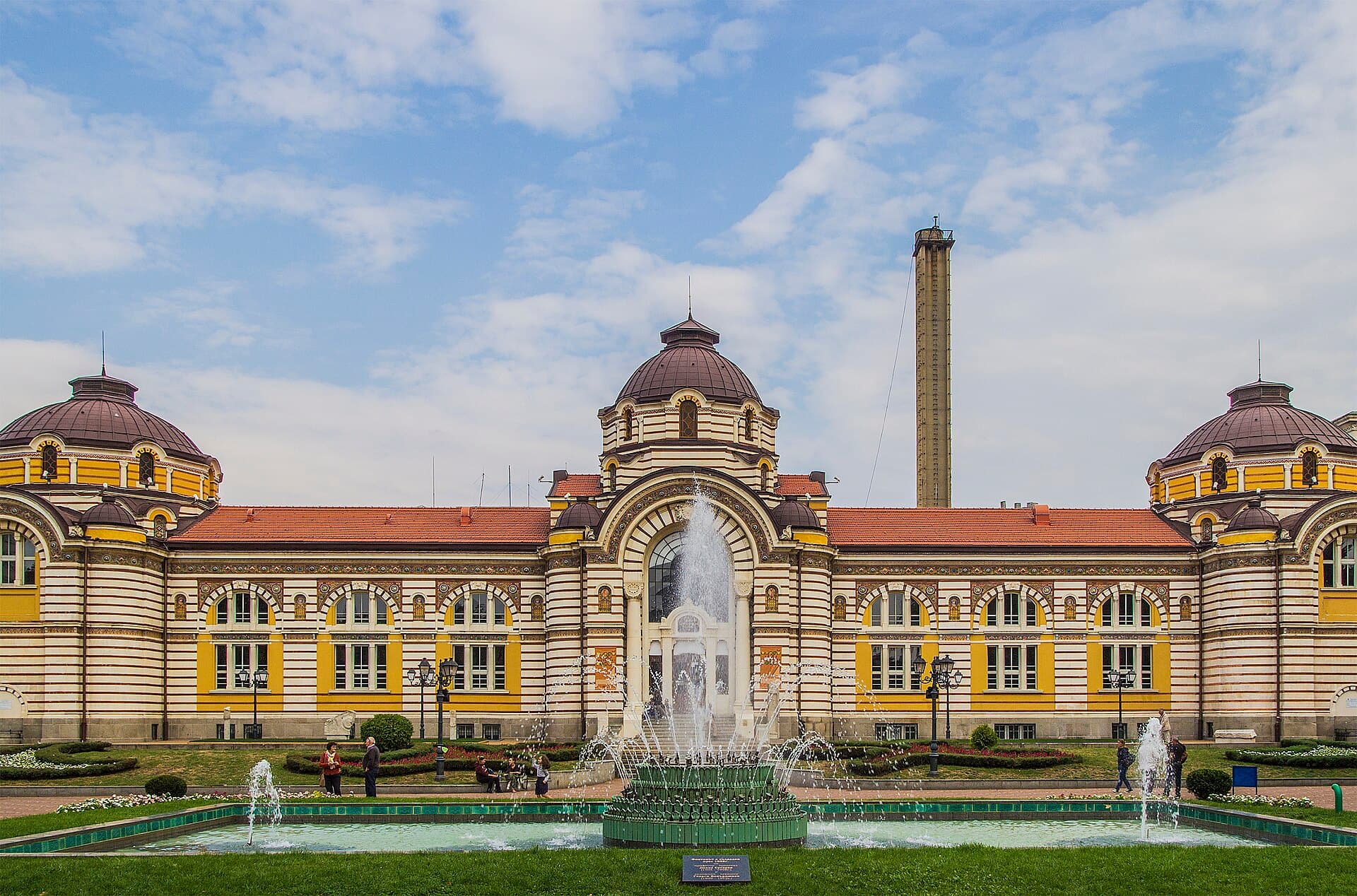 The Central Mineral BathsThe Central Mineral Baths building has one of the finest fronts in Sofia: banded1 minute walk4.5
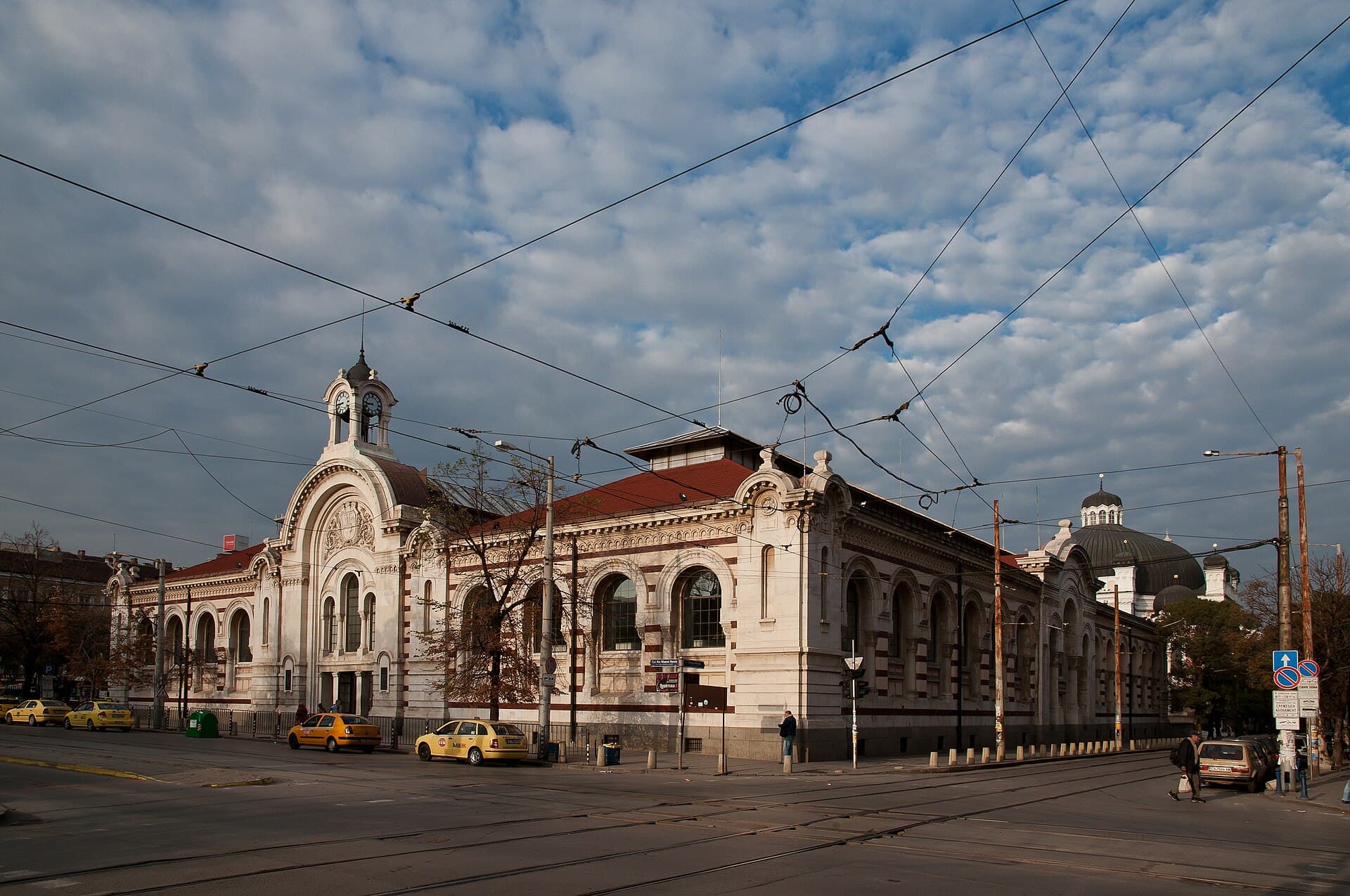 The Central Market HallThe Halite — the Central Market Hall — is a building of 1911 with a neo-Renaissa1 minute walk4.1
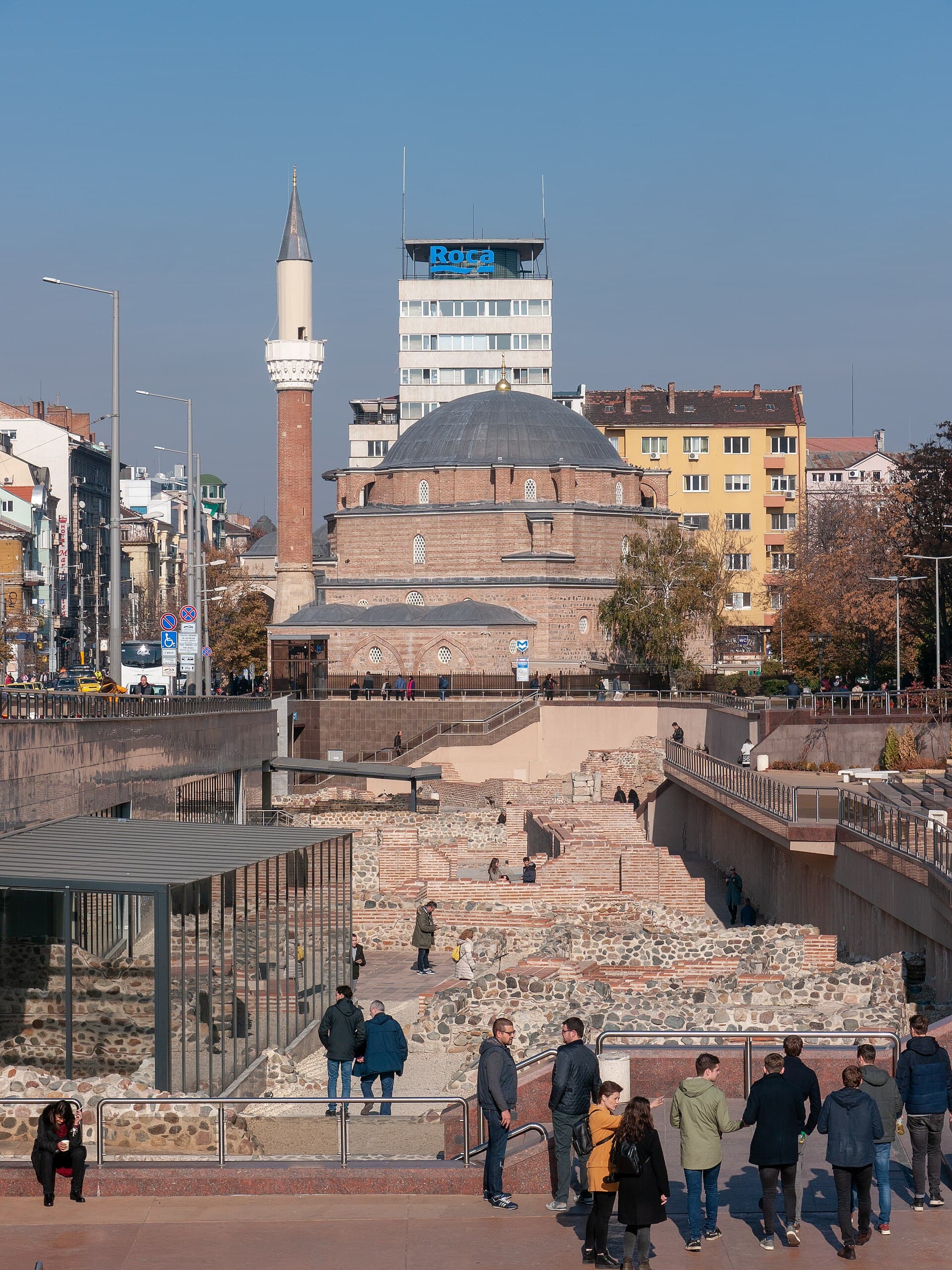 The Serdica Archaeological ComplexThe remains of the Roman city of Serdica exposed below street level in the heart1 minute walk4.5
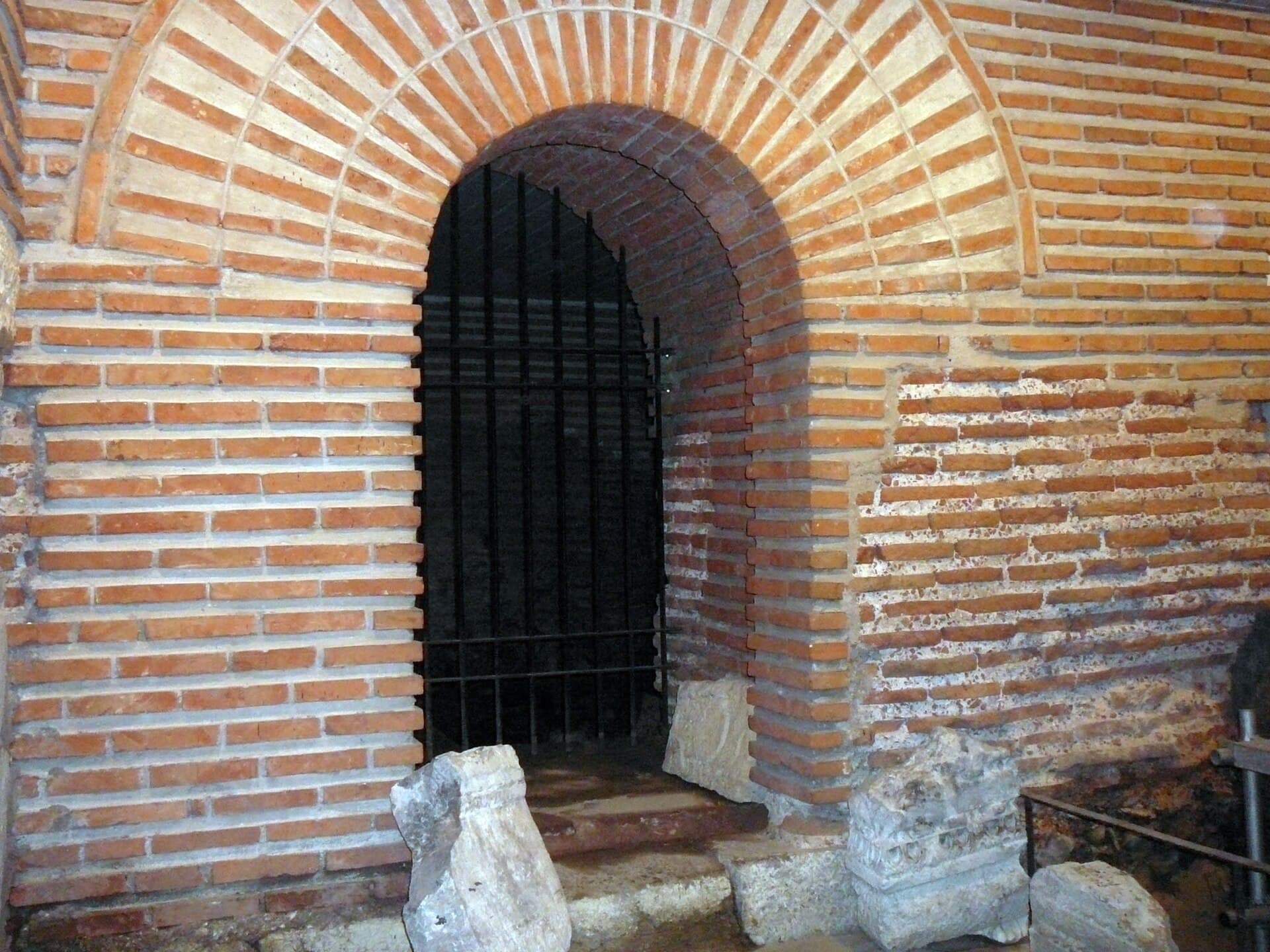 Ancient Serdica ComplexSerdica is ancient Rome literally beneath modern Sofia's feet: a complete Roman 2 minutes walk4.7
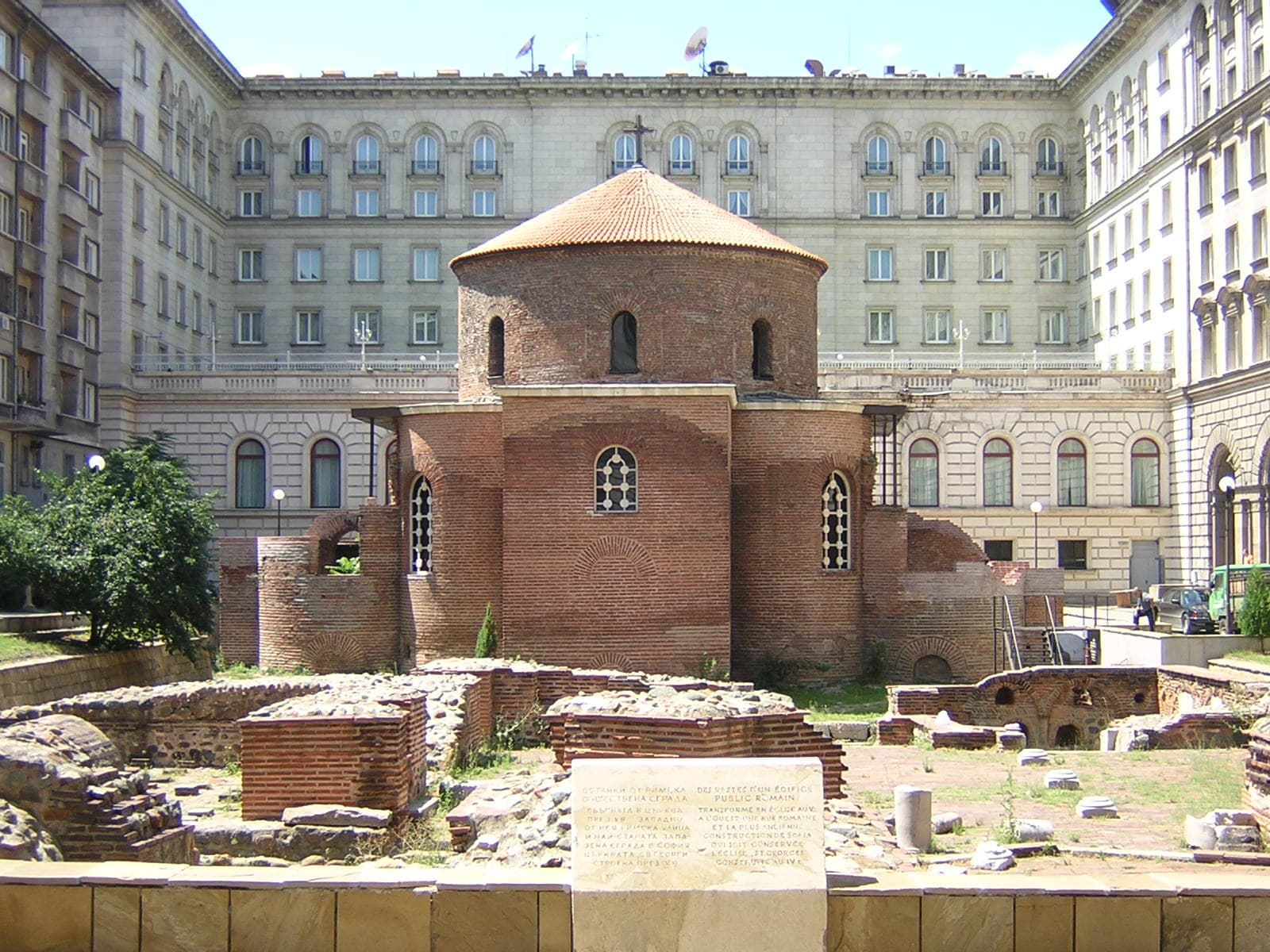 St. George RotundaSt. George Rotunda is Sofia's oldest continuously standing building: a Roman bri4 minutes walk4.7
After liberation from Ottoman rule (1878) most mosques were demolished or converted to churches, museums and warehouses as part of reshaping the new national city identity — some barely survived (the Sofia mosque became today's National Archaeological Museum) while most vanished entirely by the mid-twentieth century, leaving Banya Bashi the sole working witness to five centuries of Ottoman architectural history in the capital.