
The great ballroom
The restored central hall, with its columns and ceiling, is the finest object in the building and the room where the young Republic held its balls.
Hajo-Muc — CC BY-SA 4.0 · Ray Swi-hymn from Sijhih-Taipei, Taiwan — CC BY-SA 2.0 · nurettingülay(from T… — CC BY-SA 3.0 · Gargarapalvin — CC BY-SA 4.0
This is the building where the new elite of the Turkish Republic learned to waltz. Ankara Palas was the grand hotel raised between 1924 and 1927 for a dusty Anatolian town that had just been declared a capital and had nowhere fit to put the world's ambassadors. Vedat Tek drew it and Kemalettin Bey finished it in the First National style: a symmetrical facade, a dome over the entrance flanked by twin towers, tilework and pointed arches nodding to the Ottoman past at the very moment the state was turning its back on it. Atatürk would cross the road from the parliament opposite to unwind here after sessions, and the great ballroom hosted the Republic's receptions and, in January 1929, the wedding of his adopted daughter Nebile. After decades as the Foreign Ministry's state guesthouse from 1983, National Palaces took the building over, gave it a thorough restoration and opened it as a museum on 21 February 2024. What you get is not a preserved hotel with its bedrooms but restored salons wrapped around a treasury-style show: hundreds of objects across a suite of halls, arranged by type rather than by room. There are portraits by the first painters of the Republican era, clocks, European silver from the Ottoman palaces, Hereke carpets, Yıldız porcelain, Beykoz glass, medals, seals and diplomatic gifts, and a case of things Atatürk actually used. The best exhibit is the central hall itself, its columns, ceiling and light, more than any single vitrine. Set expectations accordingly: this is an hour, and its real value is context. It stands in the heart of Ulus, the old town, a few steps from the Republic Museum in the Second Parliament building and the War of Independence Museum in the First, so the three together tell half a century of nation-making in half a day. With small children it is calm, air-conditioned and mostly step-free, and the visit is short and largely self-explanatory, but they will tire long before you do. Weather barely matters: it is as good a refuge from an August afternoon as from a snowy January morning.
The restored central hall, with its columns and ceiling, is the finest object in the building and the room where the young Republic held its balls.
Objects Atatürk actually used, shown alongside diplomatic gifts and early Republican medals and orders.
Hereke carpets, Yıldız porcelain, Beykoz glass and European silver brought from the Istanbul palaces to Ankara.
Cumhuriyet Caddesi No. 3, Hacı Bayram, Altındağ (Ulus)
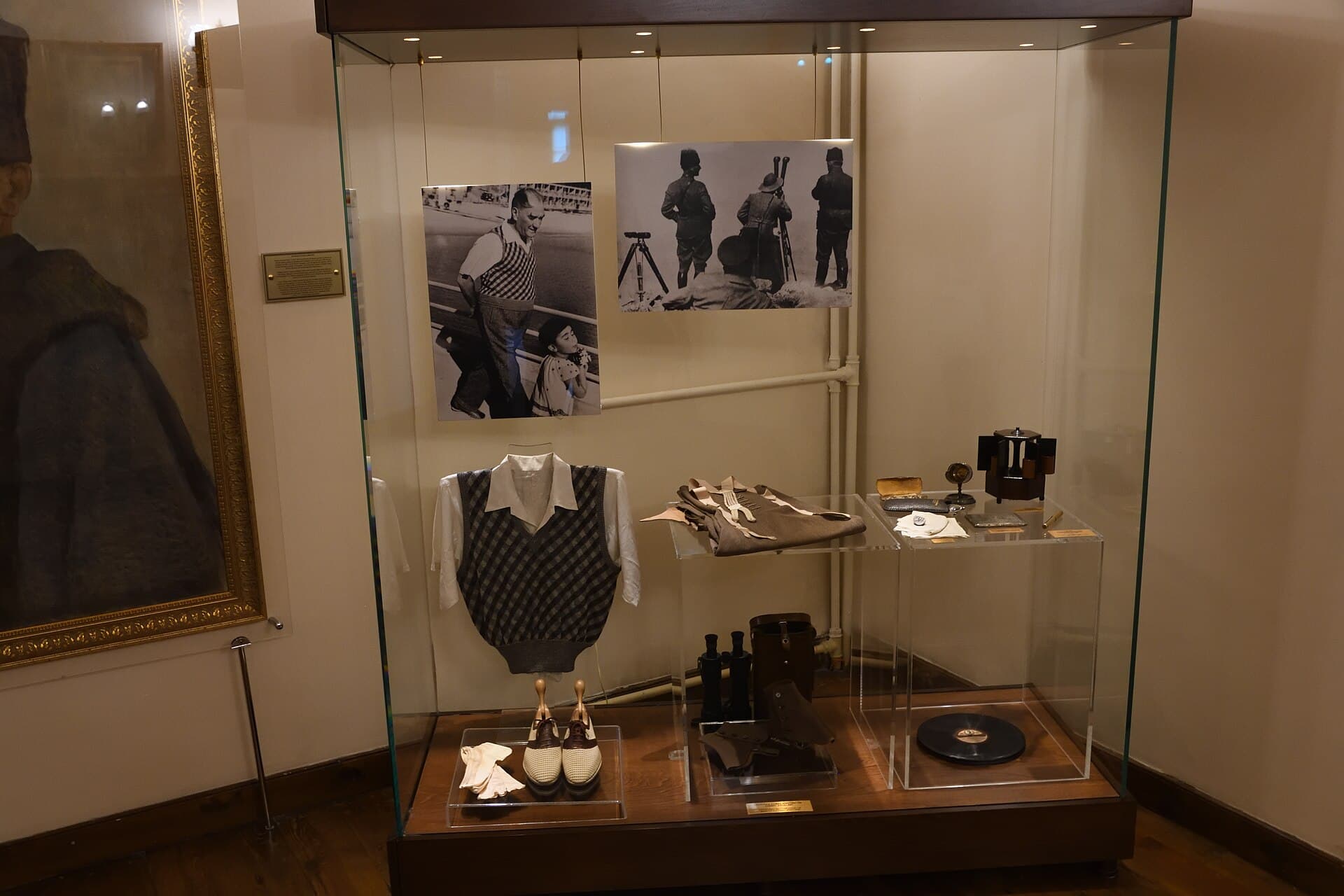 Republic Museum (Second Parliament)From this wooden rostrum, between 15 and 20 October 1927, Mustafa Kemal Atatürk 1 min walk4.8
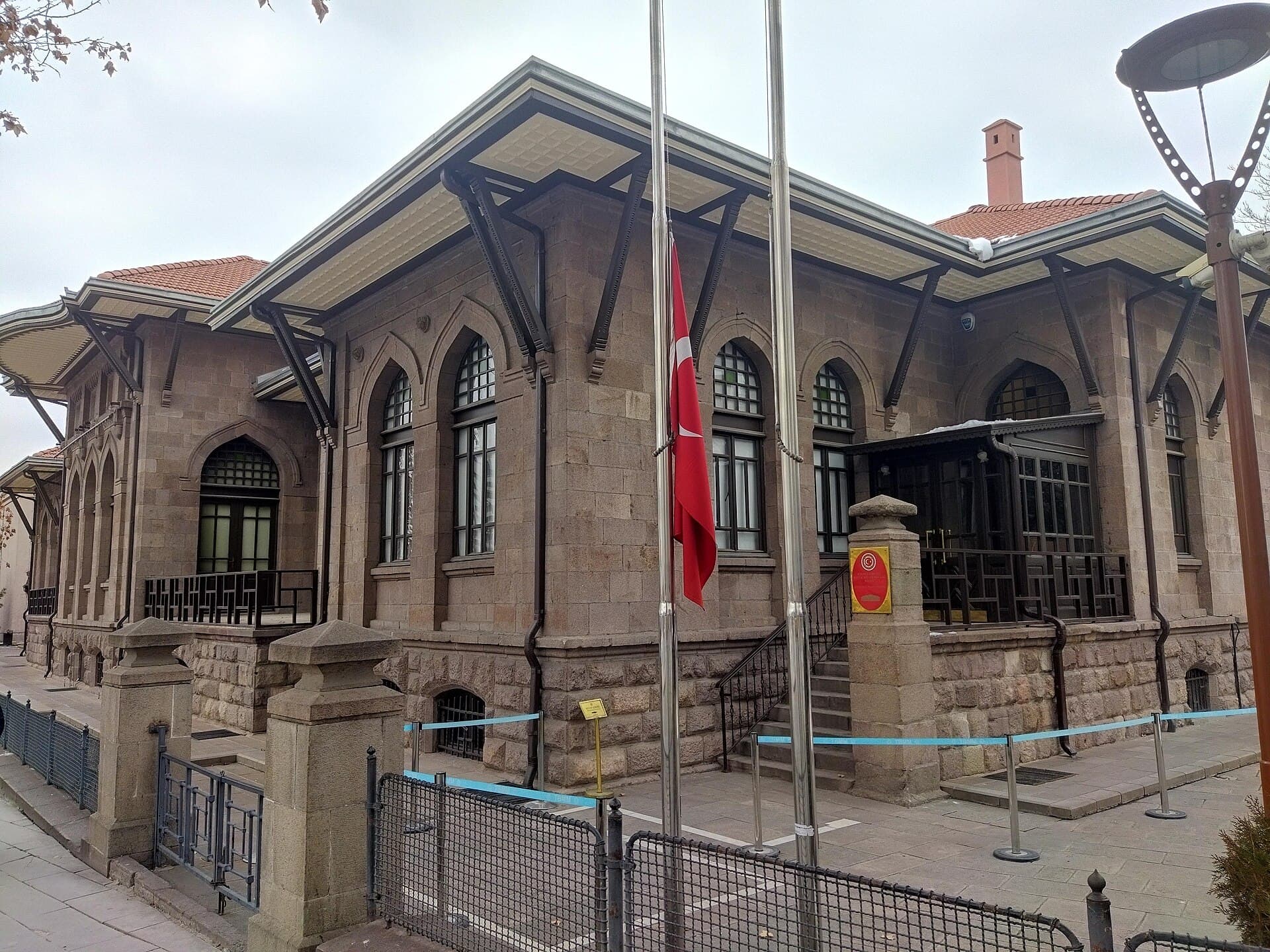 War of Independence Museum (First Parliament)On a Friday in the spring of 1920, the congregation walked out of Hacı Bayram Ve3 min walk4.8
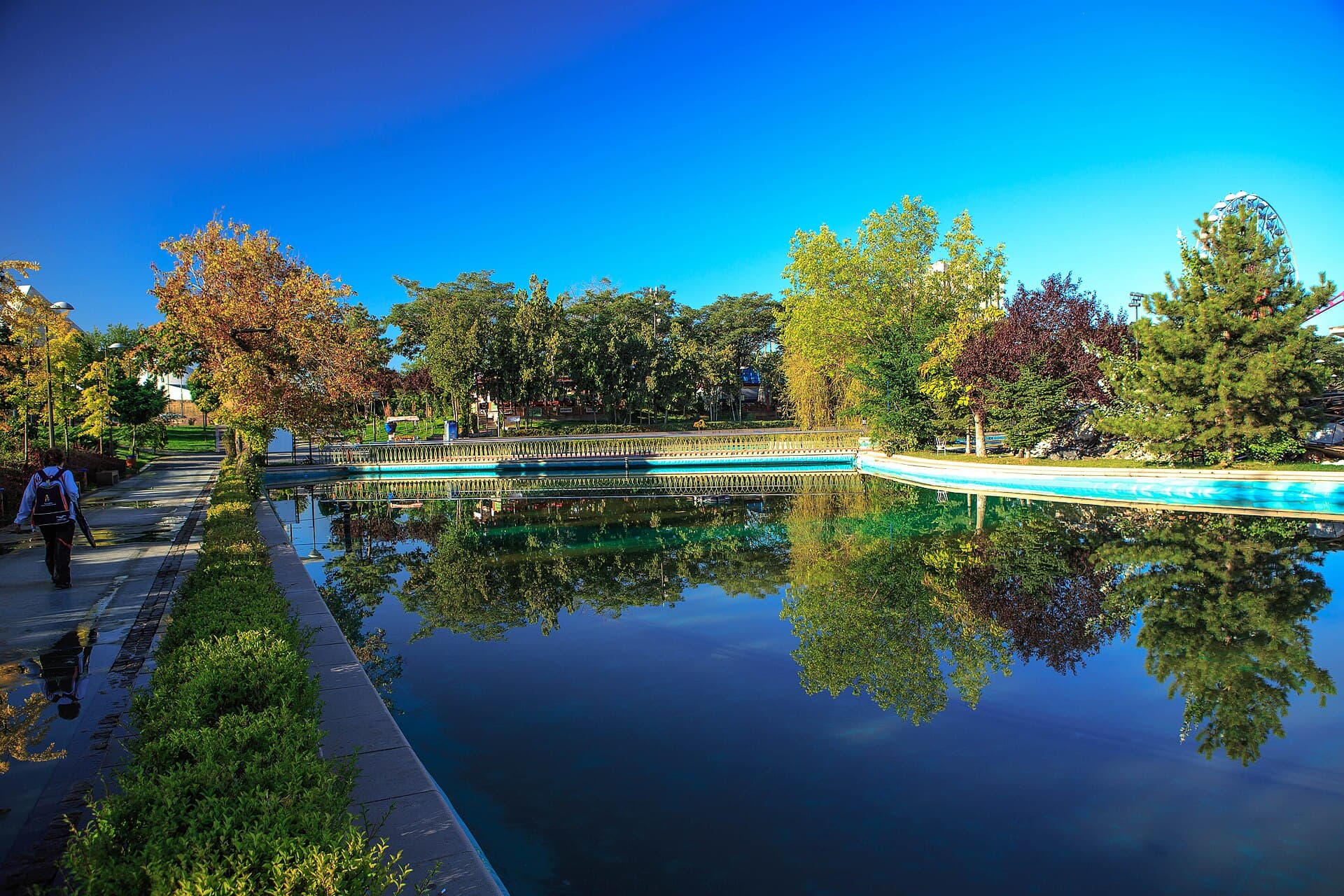 Gençlik ParkThis was a marsh in the low ground below the old town until a 1936 cabinet meeti5 min walk4.3
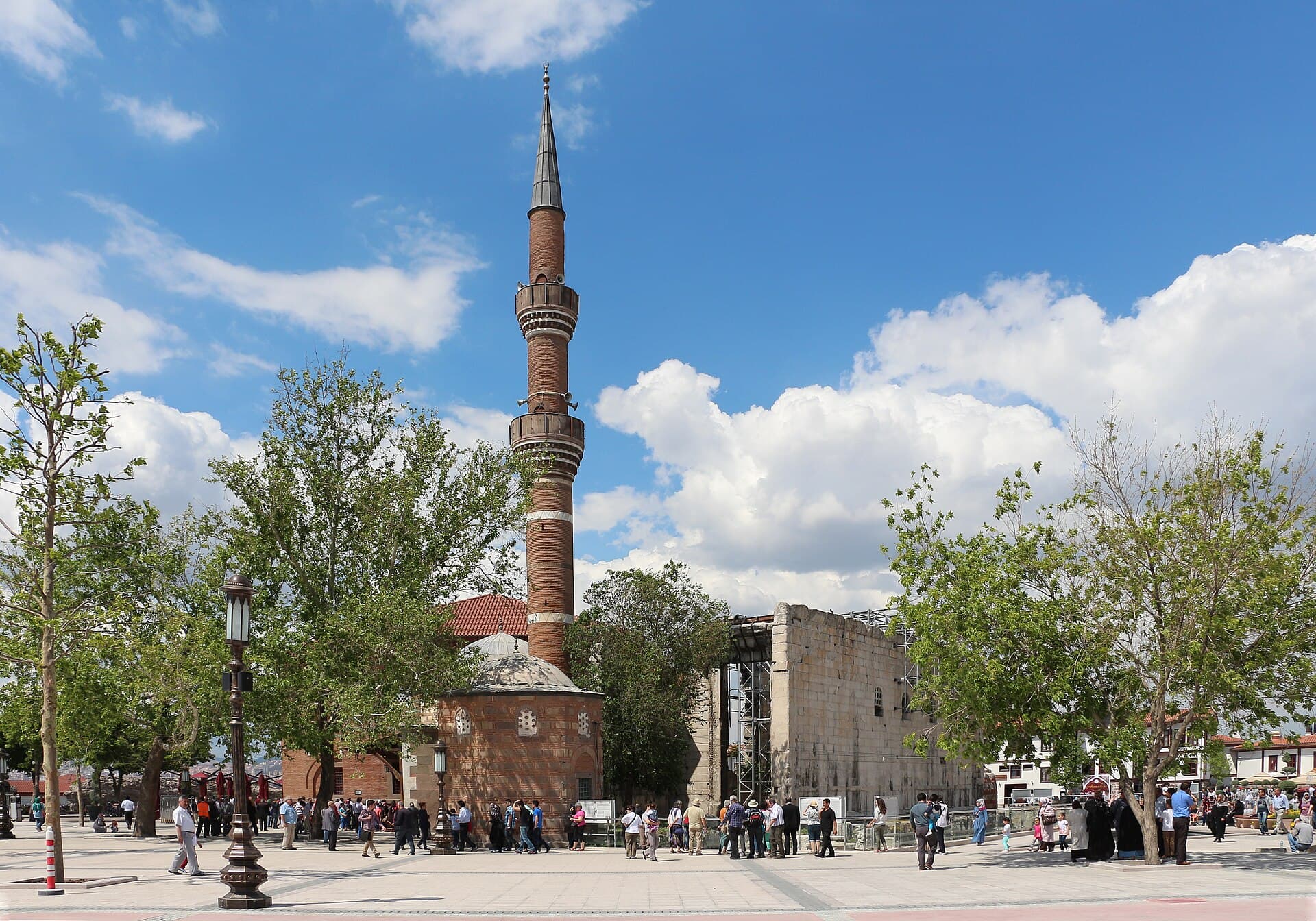 Hacı Bayram MosqueA single wall separates the tomb of a Sufi sheikh who died in 1430 from a Roman 8 min walk4.9
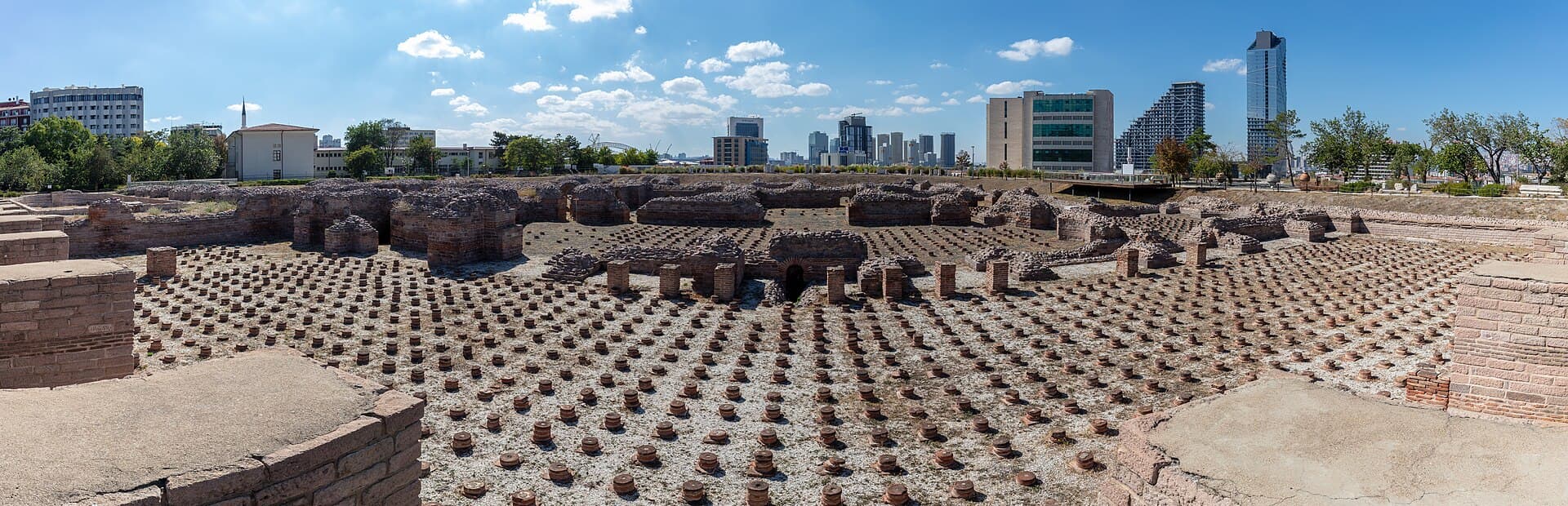 Roman Baths of AnkaraWhat you are looking at is not a bath but its underside: hundreds of stubby bric8 min walk4.4
With time for only one, the Republic Museum in the Second Parliament is the more important and the cheaper. Ankara Palas earns its ticket when you have a spare hour and a taste for salons and palace objects; the building itself is the best thing in it.
Practically yes: the main floor is level, air-conditioned and the visit is short, but the content is vitrines and salons, so under-tens fade after twenty minutes. Treat it as a quick stop on an Ulus walk, not a destination in itself.
Sign in to write your review of this place.
No reviews yet — be the first.