
The lit lake and fountains
An artificial lake of about four hectares with colour-lit fountains after dark, ringed by a flat pushchair-friendly loop path.
Murray Foubister — CC BY-SA 2.0 · Ömer Ünlü — CC BY 2.0 · Murray Foubister — CC BY-SA 2.0 · Ugur0641 — CC BY-SA 4.0
This was a marsh in the low ground below the old town until a 1936 cabinet meeting chaired by Atatürk approved draining it and laying out the new capital's first big public park, on the site reserved for it in Hermann Jansen's master plan for the city. It opened on 19 May 1943, Turkey's Youth and Sports Day, which is where the name comes from. Today it covers about 27.5 hectares between Ulus square and Ankara's railway station, wrapped around an artificial lake of roughly four hectares whose fountains are lit in changing colours after dark. Be clear about what it is: not a sight you cross the city for, but a comfortable evening finish to a day in the Ulus museums. The loop path around the lake is flat, paved and genuinely pushchair-friendly, and the lakeside tea gardens are the real point. Ankara families sit here for hours over tea and simit on summer evenings, with the crowds thickest in July and August, so Sundays get packed. Entry is free at all hours and the park never closes. Inside are a small mosque, a wedding hall and a 638-seat municipal theatre, and the famous Opera House stands at the park's south-eastern corner on Atatürk Boulevard. At the northern end is the Luna Park, running since 1951, when it was set up on the model of a travelling Italian fairground that had visited Ankara that year, and it is what makes the visit worthwhile with children. The rides zone charges a token entry fee and then each ride is bought separately, at roughly 100 lira a go, so set a budget before the kids spot the Ferris wheel. The rides open in the afternoon and run late into the evening in summer, with shorter hours in winter, when snow covers Ankara and the park itself stays open but empty apart from people cutting through. Getting here could not be easier: one of the Ulus metro exits (line M1) comes out beside the park gate, the railway station is across the road at the park's south-western end, and the walk down Atatürk Boulevard from Kızılay takes about twenty minutes. The best hour is sunset from April to October, when the fountains light up and the temperature drops; a midday visit in August offers little beyond vertical sun and trees that have not yet grown tall enough since the 2007-09 renovation.
An artificial lake of about four hectares with colour-lit fountains after dark, ringed by a flat pushchair-friendly loop path.
A venerable fairground at the northern end with a Ferris wheel and pay-per-ride attractions, the reason families come.
Tea and simit among Ankara families in the evening is the real experience here, especially after a day in the Ulus museums.
Cumhuriyet Caddesi, Ulus, Altındağ
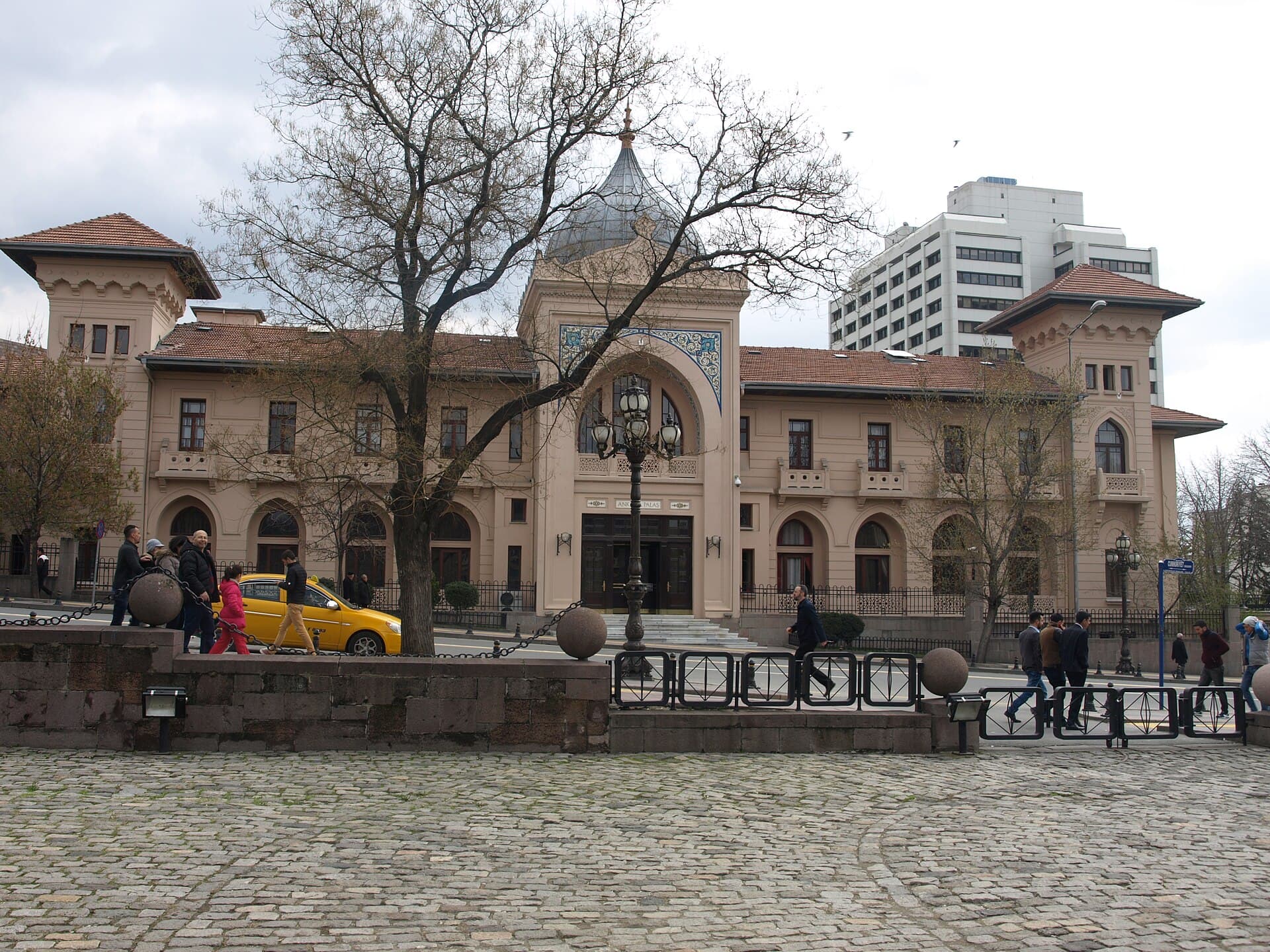 Ankara Palas MuseumThis is the building where the new elite of the Turkish Republic learned to walt5 min walk4.5
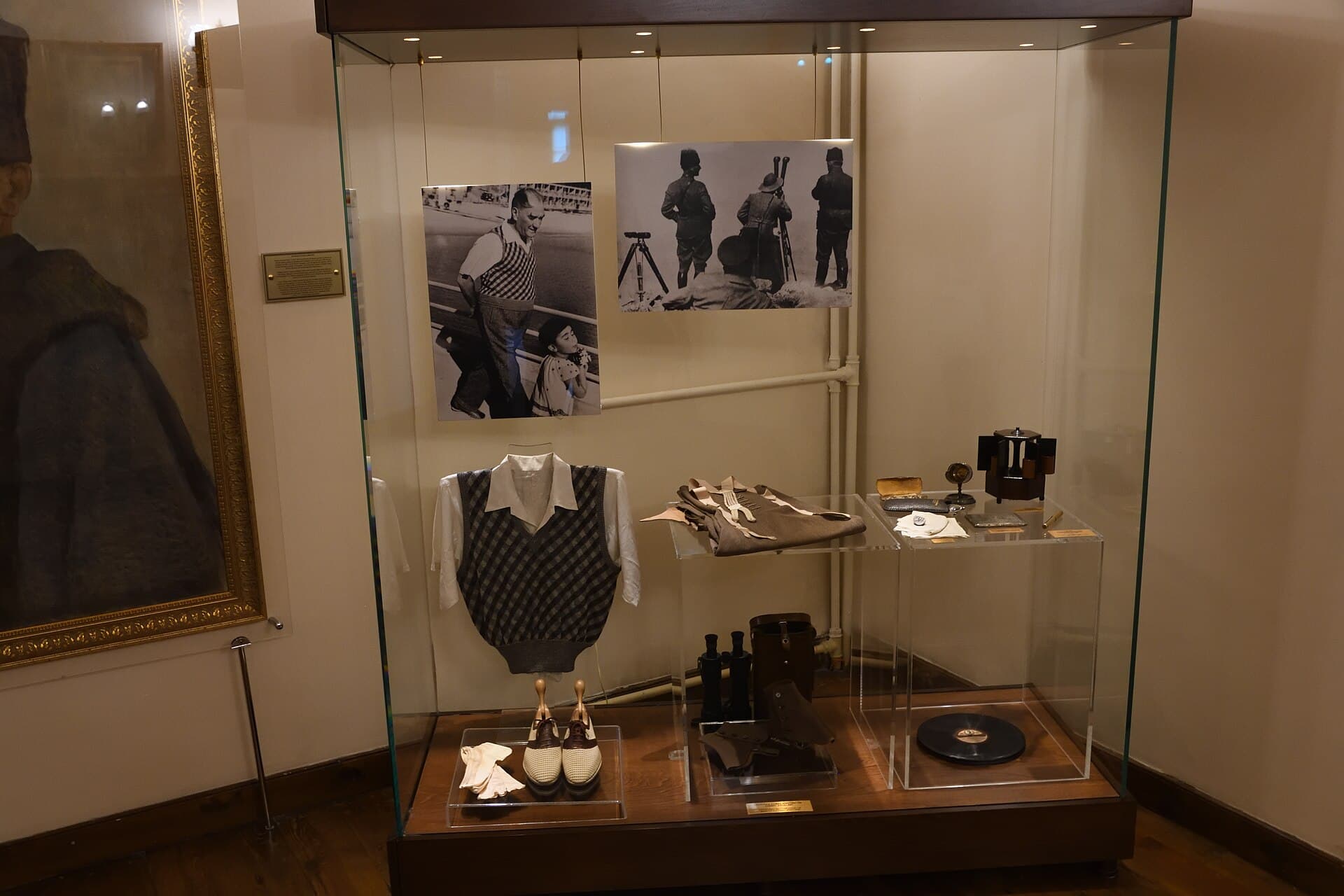 Republic Museum (Second Parliament)From this wooden rostrum, between 15 and 20 October 1927, Mustafa Kemal Atatürk 5 min walk4.8
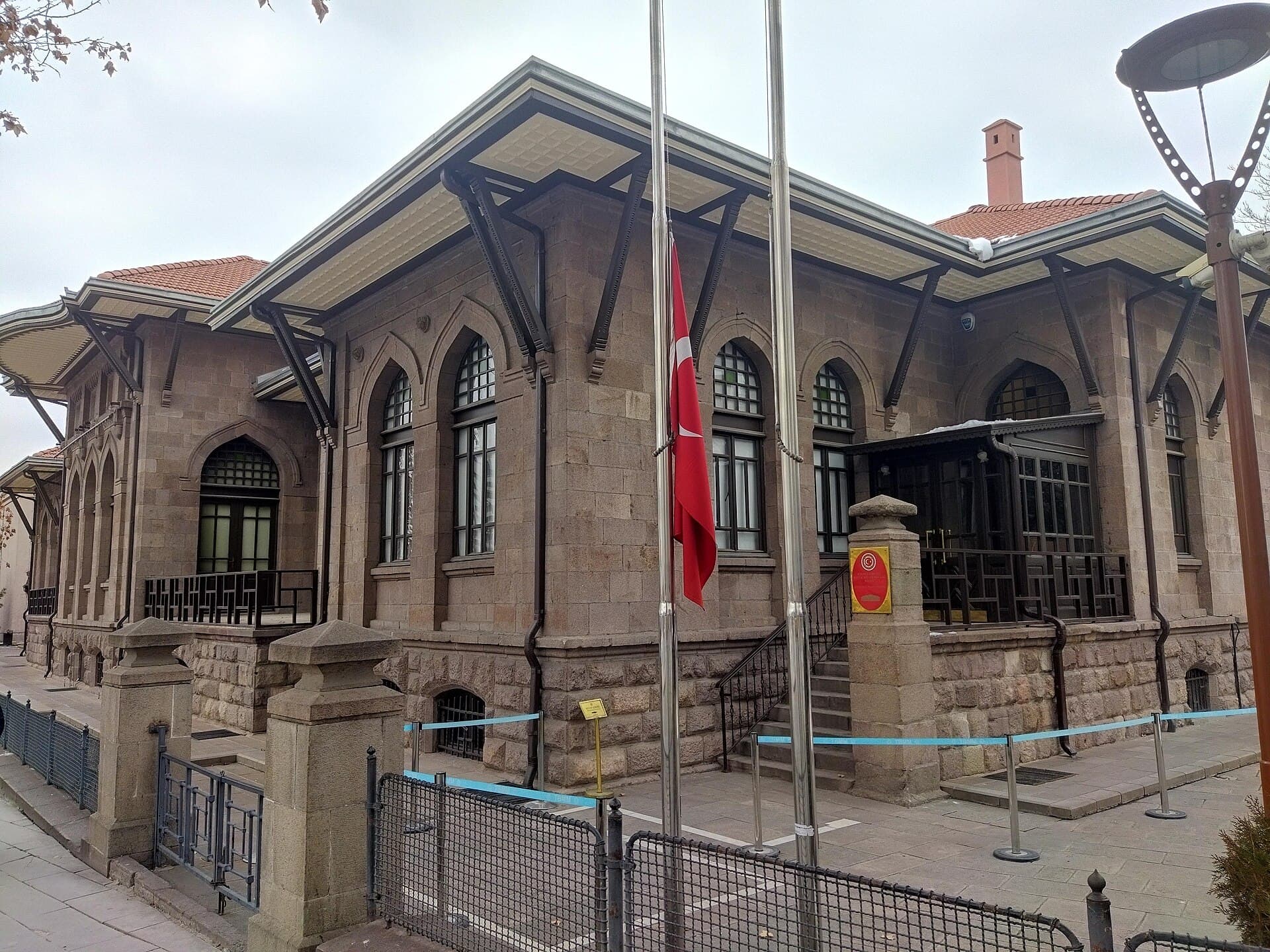 War of Independence Museum (First Parliament)On a Friday in the spring of 1920, the congregation walked out of Hacı Bayram Ve8 min walk4.8
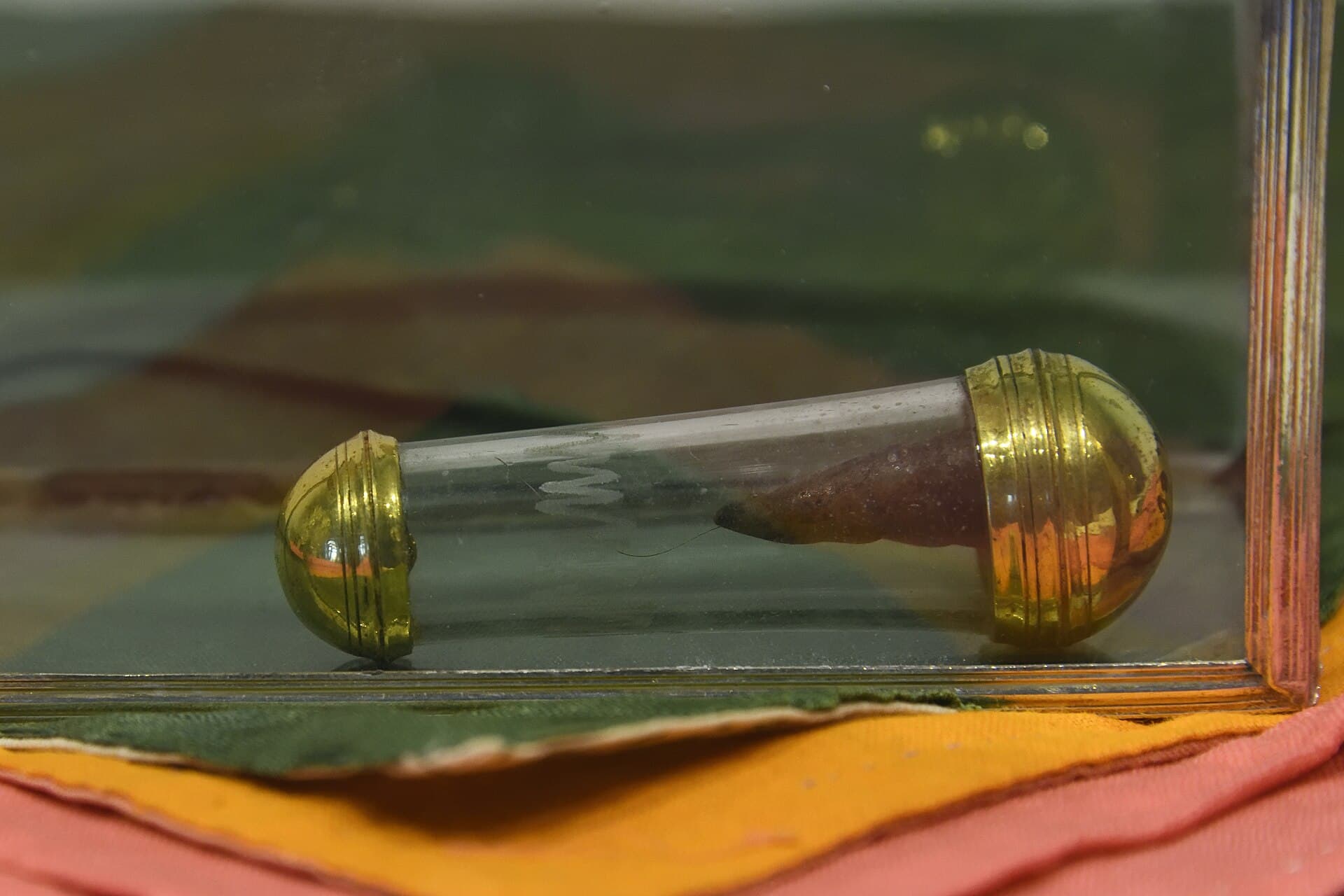 Ethnography Museum of AnkaraFor fifteen years all but a few days, from 21 November 1938 to 10 November 1953,8 min walk4.7
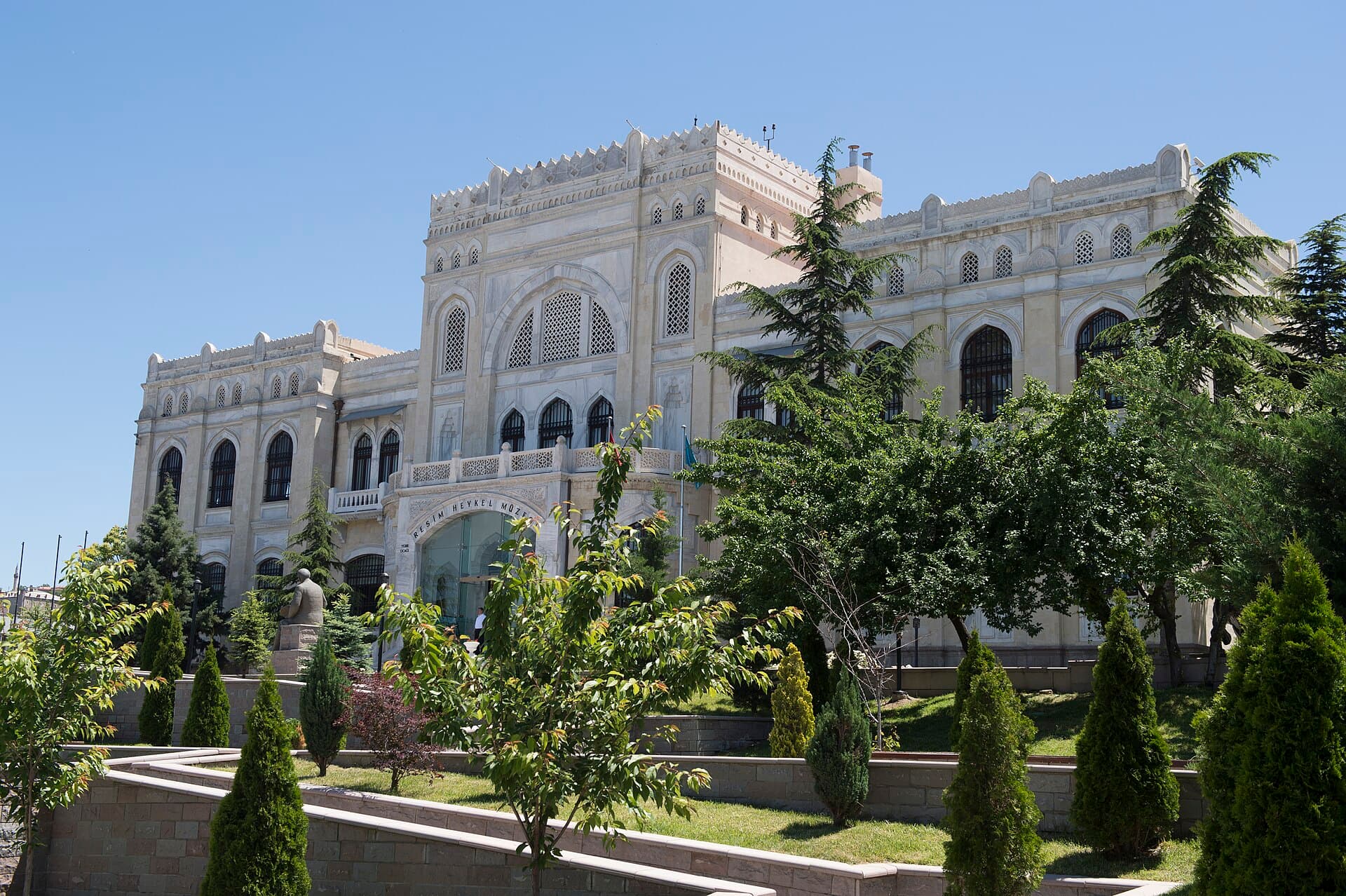 Ankara Painting and Sculpture MuseumHalf the ticket price here buys the building, not the paintings. The palace that9 min walk4.8
Honestly, not as a destination in itself. If you are already in Ulus, do a half-hour sunset loop and a tea by the lake; otherwise the time is better spent at the citadel or the Museum of Anatolian Civilizations.
Ankara gets snow from December to February; the park stays open but the tea gardens empty out and the rides run shorter hours and may pause on cold days. In winter it works as a shortcut between the metro and the station, little more.
Sign in to write your review of this place.
No reviews yet — be the first.