
The hypocaust pillars
A forest of squat brick supports that held the heated floors and pushed hot air beneath them, the one feature a non-specialist grasps at a glance.
Diego Delso — CC BY-SA 4.0 · Diego Delso — CC BY-SA 4.0 · Diego Delso — CC BY-SA 4.0 · Dosseman — CC BY-SA 4.0
What you are looking at is not a bath but its underside: hundreds of stubby brick pillars that once held up the heated floors and let hot air circulate beneath them, still standing after everything above has gone. That is the fact to hold on to before you buy a ticket. The Roman Baths of Ankara are a knee-high archaeological site, not a standing building; anyone expecting vaulted halls will leave disappointed, while anyone who enjoys reading a ruin will find one of the most complete Roman bath plans in Anatolia. The complex went up under the emperor Caracalla in the early third century, dated by coins from the dig to 212-217, and it was huge for a provincial city: the bath block alone measures roughly 140 by 180 metres by the Turkish reckoning, fronted by a square exercise court once ringed by a portico of 128 marble columns. You can walk the sequence of the three rooms, cold, warm and hot, and notice that the two heated rooms are unusually large, which some scholars put down to Ankara's brutal winters. The baths ran for about five centuries until a fire, probably in the eighth century, after which later settlement buried them until Turkish excavations uncovered the site between 1937 and 1944. The second half of the visit, arguably the better half, is the open-air museum laid out around the palaestra: around a thousand tombstones, inscriptions, altars and column capitals from the Hellenistic, Roman and Byzantine periods, arranged in rows so you can read the whole layered history of the city. There is no visitor centre and little in the way of interpretation panels, so arrive knowing roughly what you are looking for. Foreigners pay 3 euros, among the cheapest state-museum tickets in town, and the site opens daily. The ground is fairly level but gravelly, with a few steps, so a pushchair struggles. Children lose interest within ten minutes unless you turn the brick pillars into a counting game. It is completely exposed, so avoid an August midday and any rain. Give it 30 to 45 minutes as a stop on the walk north from Hacı Bayram Mosque and the Temple of Augustus, which stand side by side ten minutes to the south; it does not justify a separate trip.
A forest of squat brick supports that held the heated floors and pushed hot air beneath them, the one feature a non-specialist grasps at a glance.
Around a thousand tombstones, inscriptions and altars from Hellenistic, Roman and Byzantine Ankara laid out around the old exercise court.
Walk cold, warm and hot in sequence and note the oversized heated rooms, usually explained by Ankara's bitter winters.
Çankırı Caddesi No. 43, Anafartalar, Altındağ
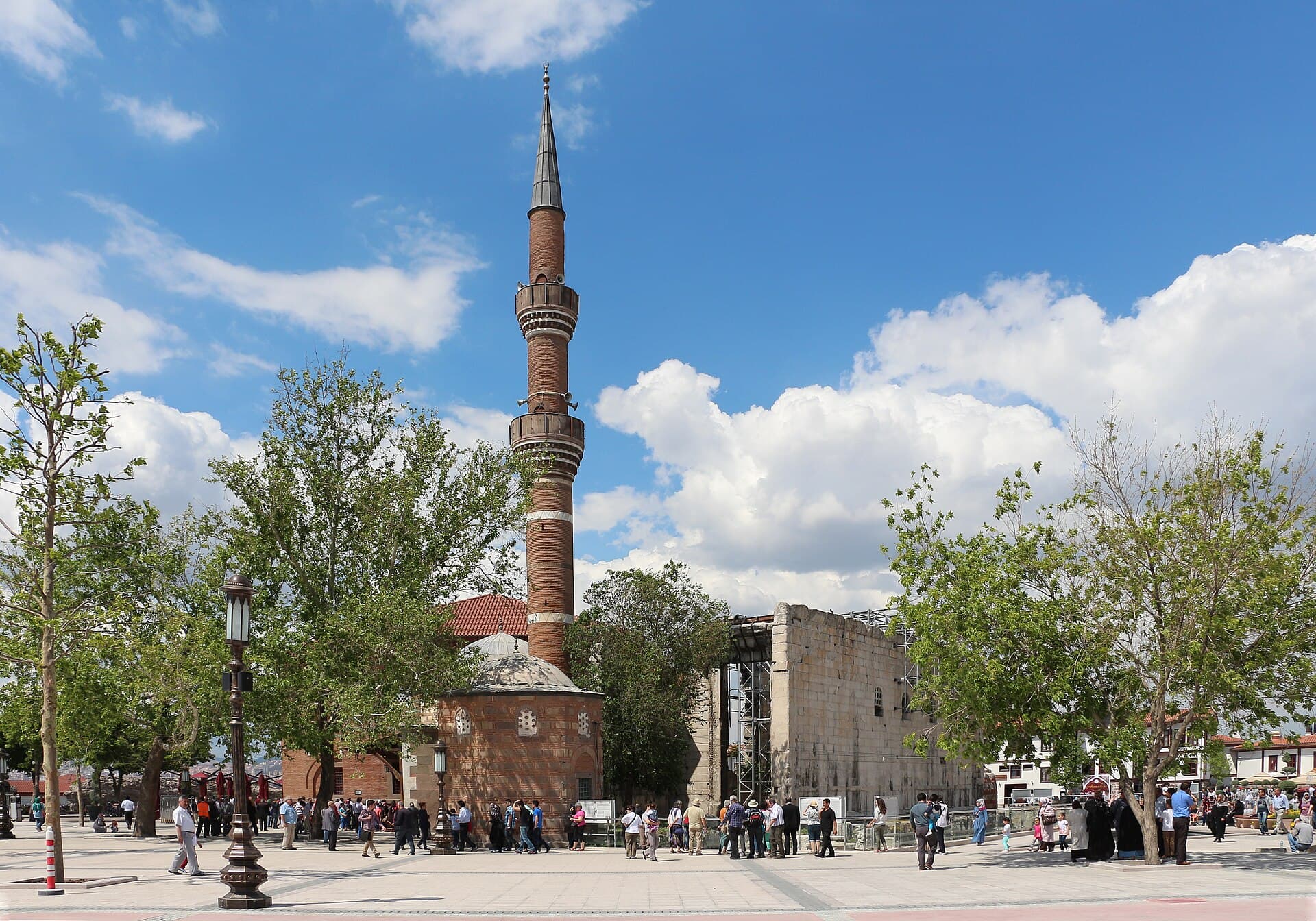 Hacı Bayram MosqueA single wall separates the tomb of a Sufi sheikh who died in 1430 from a Roman 6 min walk4.9
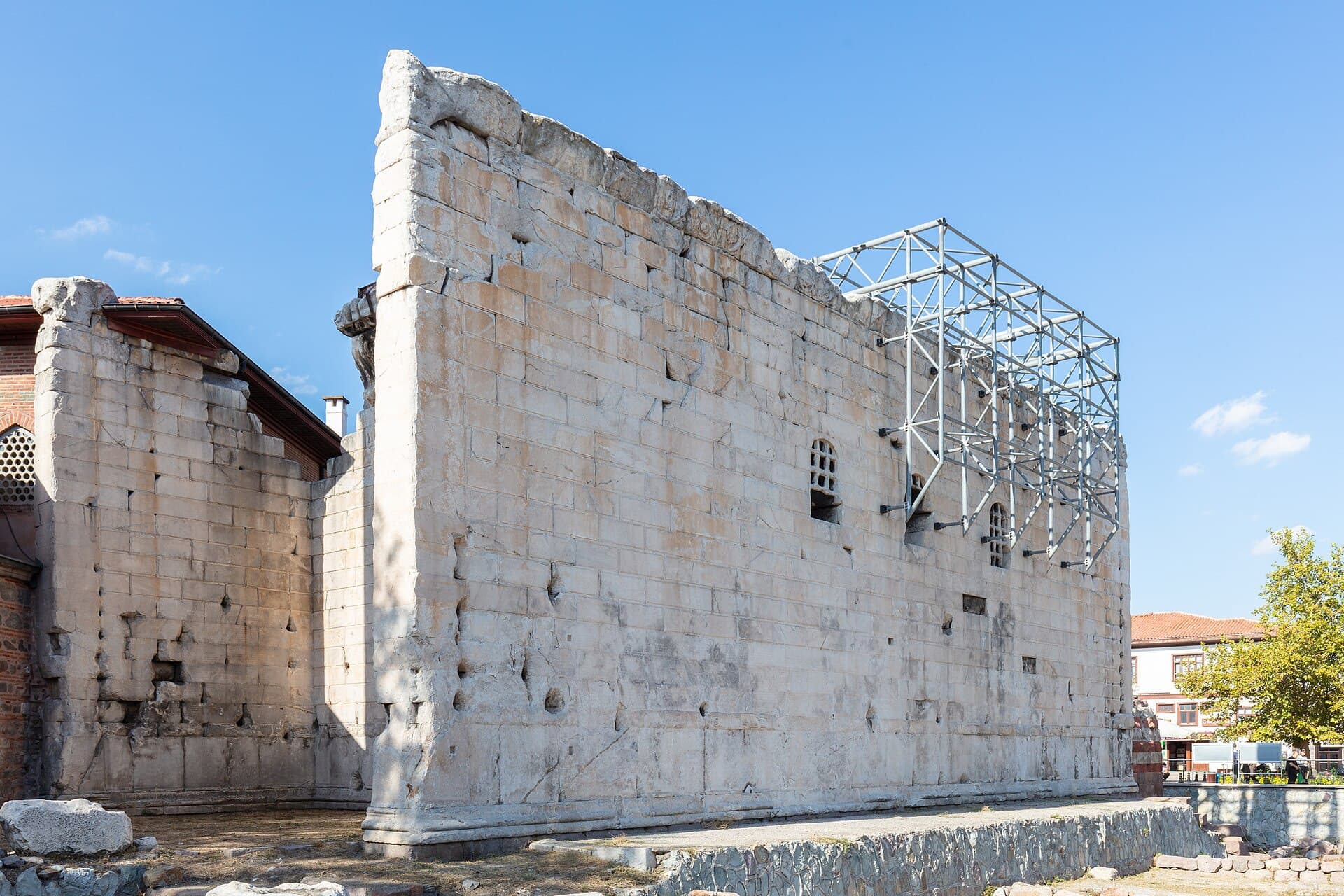 Temple of Augustus and RomeThe political last will of Rome's first emperor survives most completely not in 6 min walk4.5
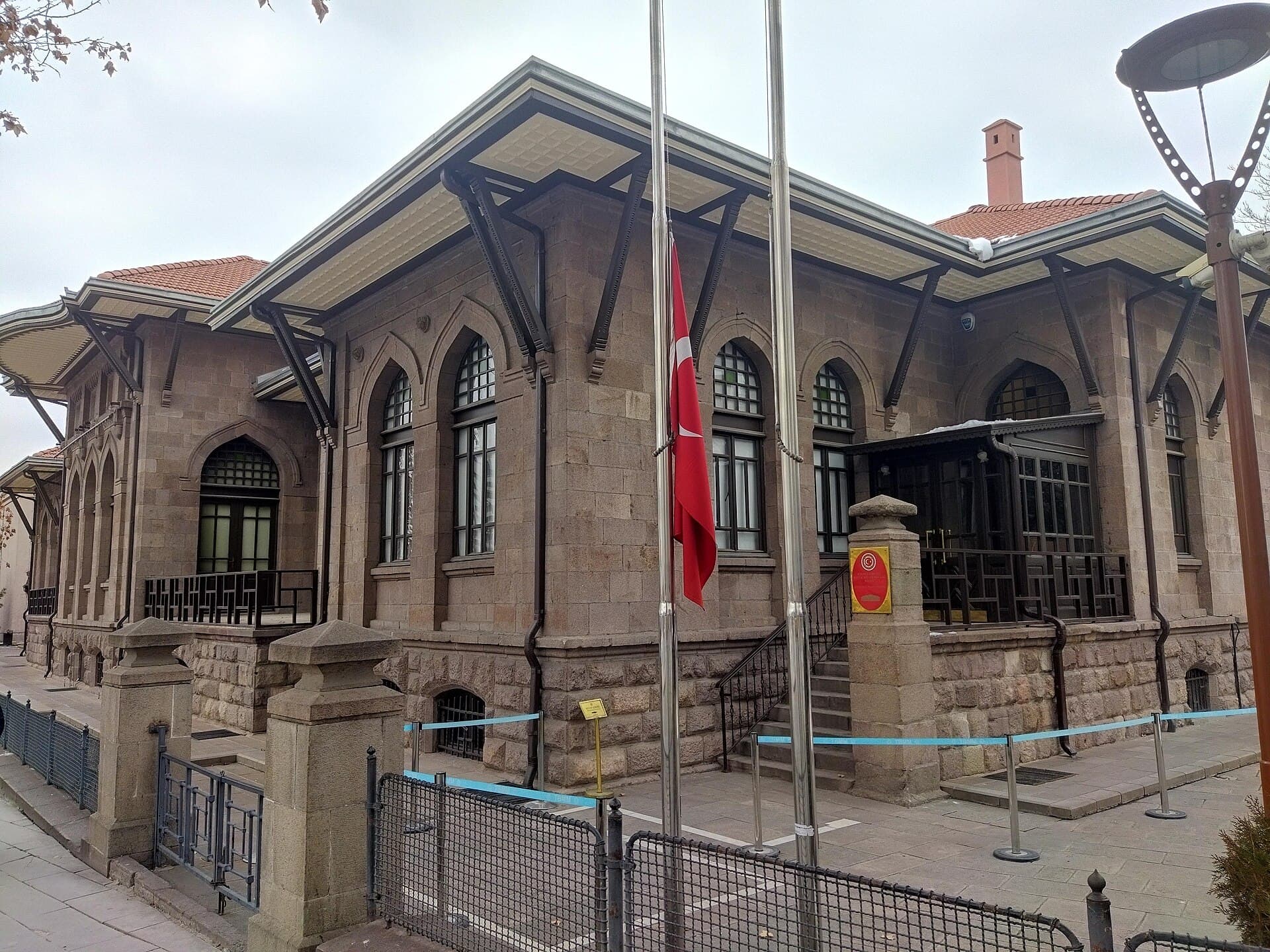 War of Independence Museum (First Parliament)On a Friday in the spring of 1920, the congregation walked out of Hacı Bayram Ve6 min walk4.8
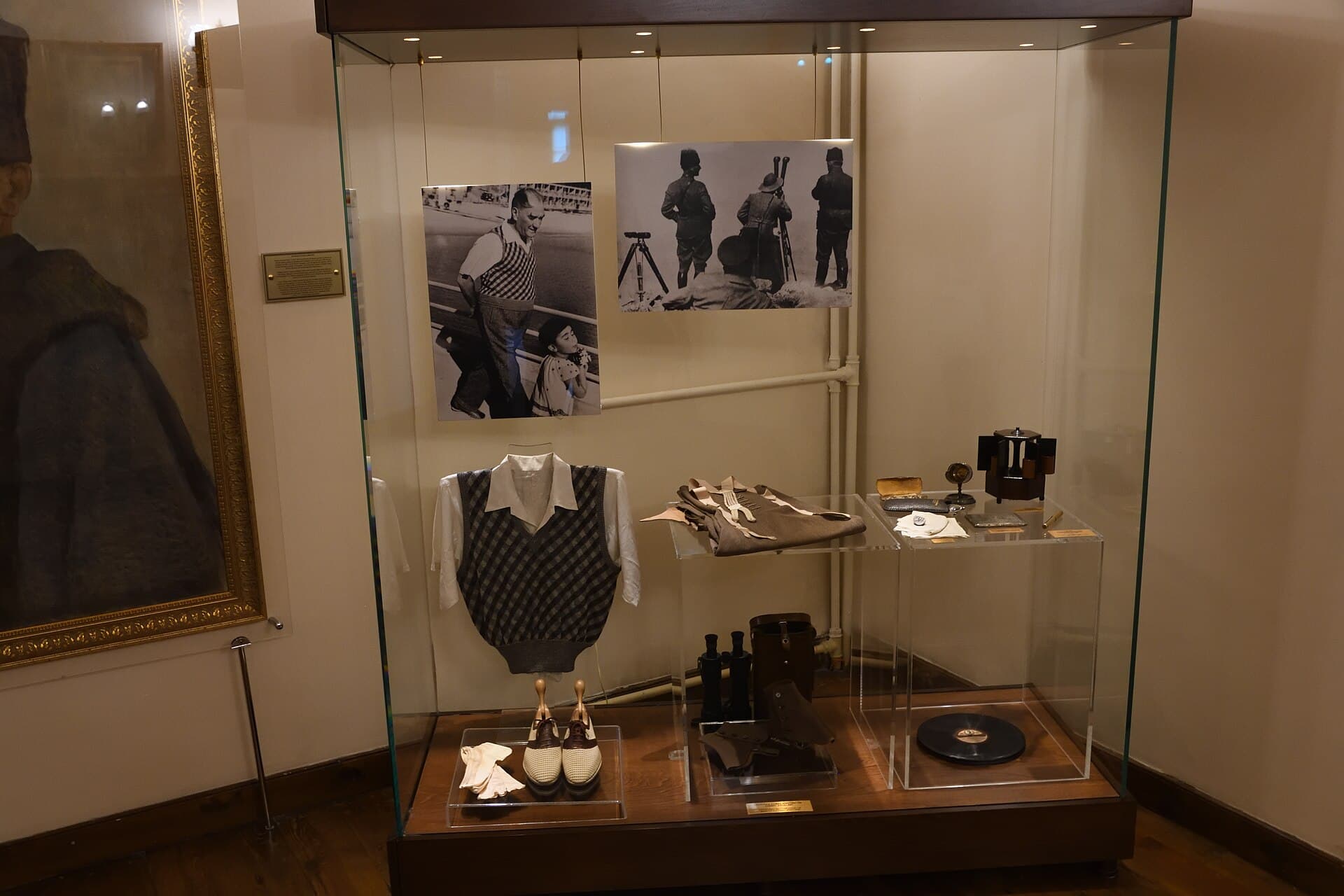 Republic Museum (Second Parliament)From this wooden rostrum, between 15 and 20 October 1927, Mustafa Kemal Atatürk 8 min walk4.8
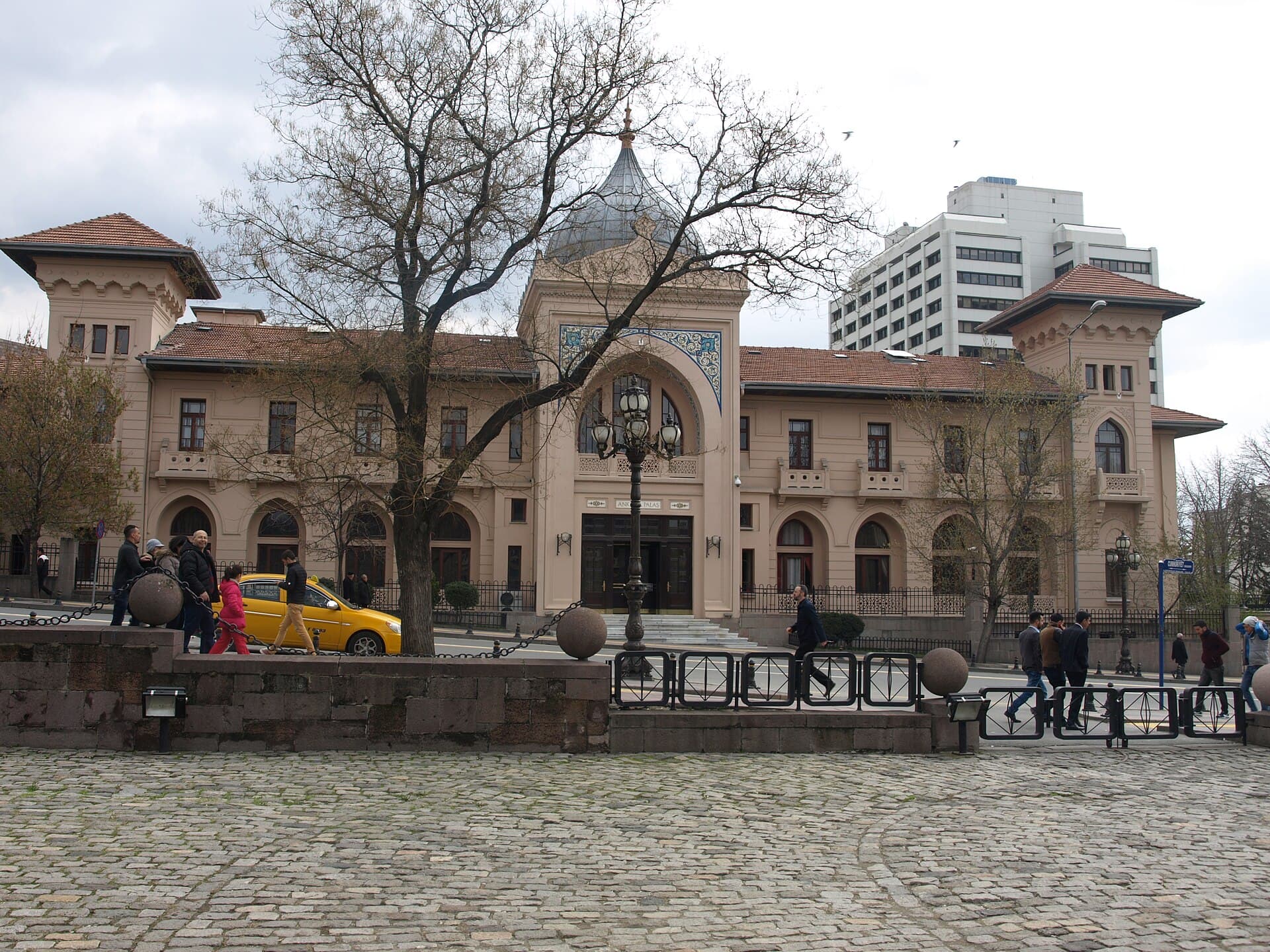 Ankara Palas MuseumThis is the building where the new elite of the Turkish Republic learned to walt8 min walk4.5
Honestly no, unless archaeology is your thing. Put the Museum of Anatolian Civilisations and the citadel first, then fit this in as a half-hour stop, since it sits on the same walking route north of Hacı Bayram Mosque.
No. It is a roofless Roman ruin that has held no water for some thirteen centuries. For a working Turkish hammam, the bathhouses around Ulus are a different matter entirely.
Sign in to write your review of this place.
No reviews yet — be the first.