
The tomb of Hacı Bayram-ı Veli
An unbroken line of visitors at the resting place of Ankara's foremost saint, swelling on Fridays and in Ramadan.
Bernard Gagnon — CC BY-SA 3.0 · Bernard Gagnon — CC BY-SA 3.0 · Canercangul — CC BY-SA 4.0 · Dosseman — CC BY-SA 4.0
A single wall separates the tomb of a Sufi sheikh who died in 1430 from a Roman temple carved with the political testament of the Emperor Augustus, the most complete copy to survive anywhere in the world. That odd adjacency is what lifts Hacı Bayram Mosque above being just another old Ottoman mosque: it is the spot where Roman Ankara and Muslim Ankara stand a few paces apart, in the heart of the old Ulus quarter. The mosque went up around 1427, in the lifetime of Hacı Bayram-ı Veli himself, founder of the Bayramiyye, usually counted as the first Sufi order established by an Anatolian Turk; he was buried three years later in a tomb built against the qibla wall. What you see today is the product of seventeenth- and eighteenth-century enlargements: plain stone walls outside, and inside, blue-and-white Kütahya tile panels, a painted timber ceiling and a carved wooden minbar. It is modest in scale and warm in feel, nothing like the grandeur of Istanbul's imperial mosques, but that was never the point. The point is the tomb. Hacı Bayram is Ankara's patron saint in all but name, and the queue at the türbe never really stops: families reciting the Fatiha, students before exams, mothers with small children in tow. On Fridays, through Ramadan and on the holy nights the crowd becomes serious, so come on a weekday morning if you want quiet. The square around it was cleared and rebuilt in the last decade with shops selling prayer beads, Qurans and Ankara sweets; it is a pleasant place to wander with children, almost step-free, and a pushchair rolls through easily. You cannot enter the Temple of Augustus, which is closed to visitors, has spent recent years behind restoration fencing and is viewed from the square, but whenever the scaffolding allows, the Latin and Greek inscriptions on its outer wall are legible in daylight and worth a few minutes of your attention. Mosque and tomb are free, with the usual rules: headscarf for women, shoes off. The whole visit takes thirty minutes to an hour, and pairs naturally with Ankara Castle and the Museum of Anatolian Civilizations, about a quarter of an hour's walk uphill, in a single morning.
An unbroken line of visitors at the resting place of Ankara's foremost saint, swelling on Fridays and in Ramadan.
The most complete surviving Res Gestae of Augustus in Latin and Greek, carved on a wall touching the mosque and read from the square.
A small, warm interior lined with blue-and-white tile panels under a colourfully painted timber roof.
Hacı Bayram Mahallesi, Sarıbağ Sokak, Ulus, Altındağ
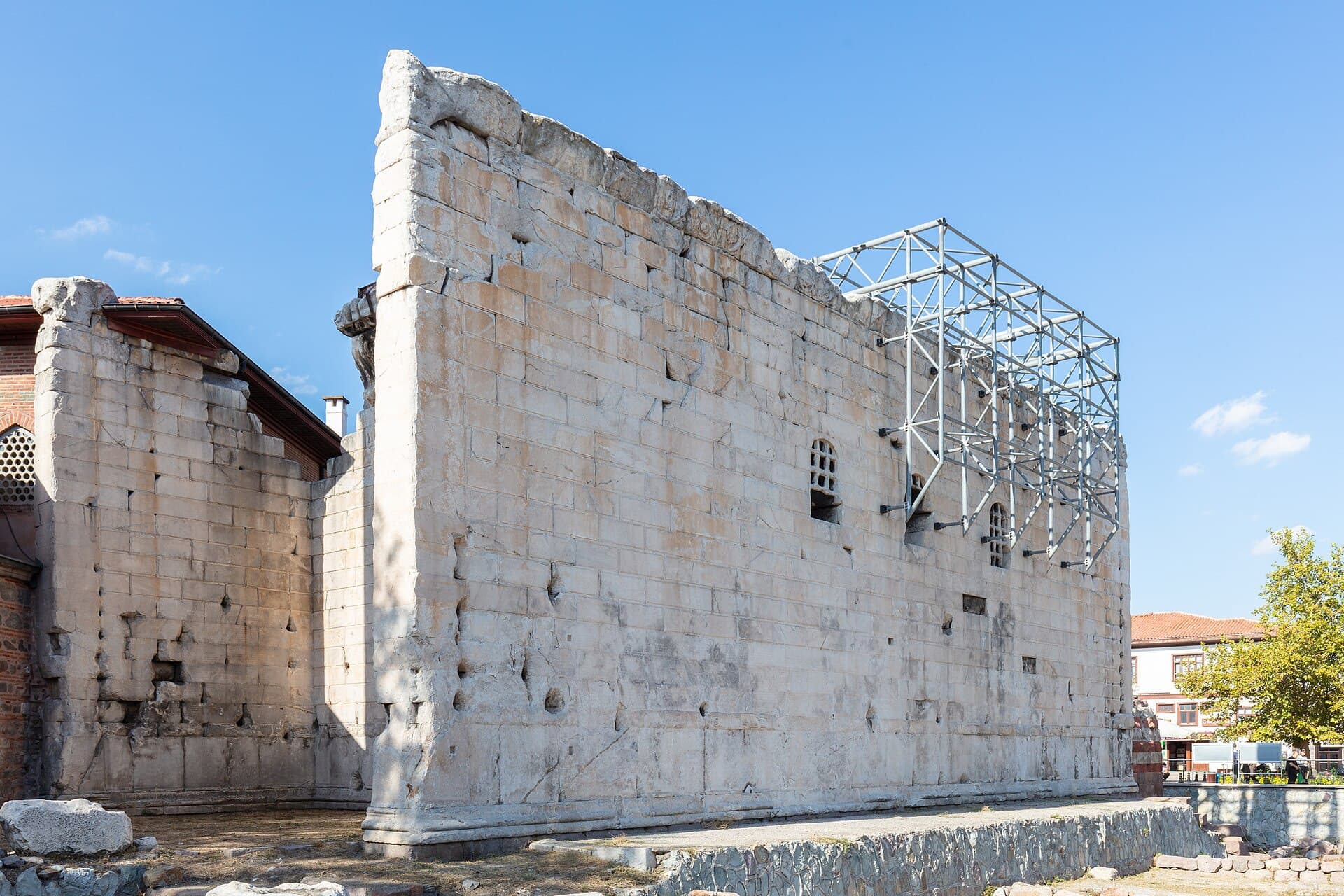 Temple of Augustus and RomeThe political last will of Rome's first emperor survives most completely not in 1 min walk4.5
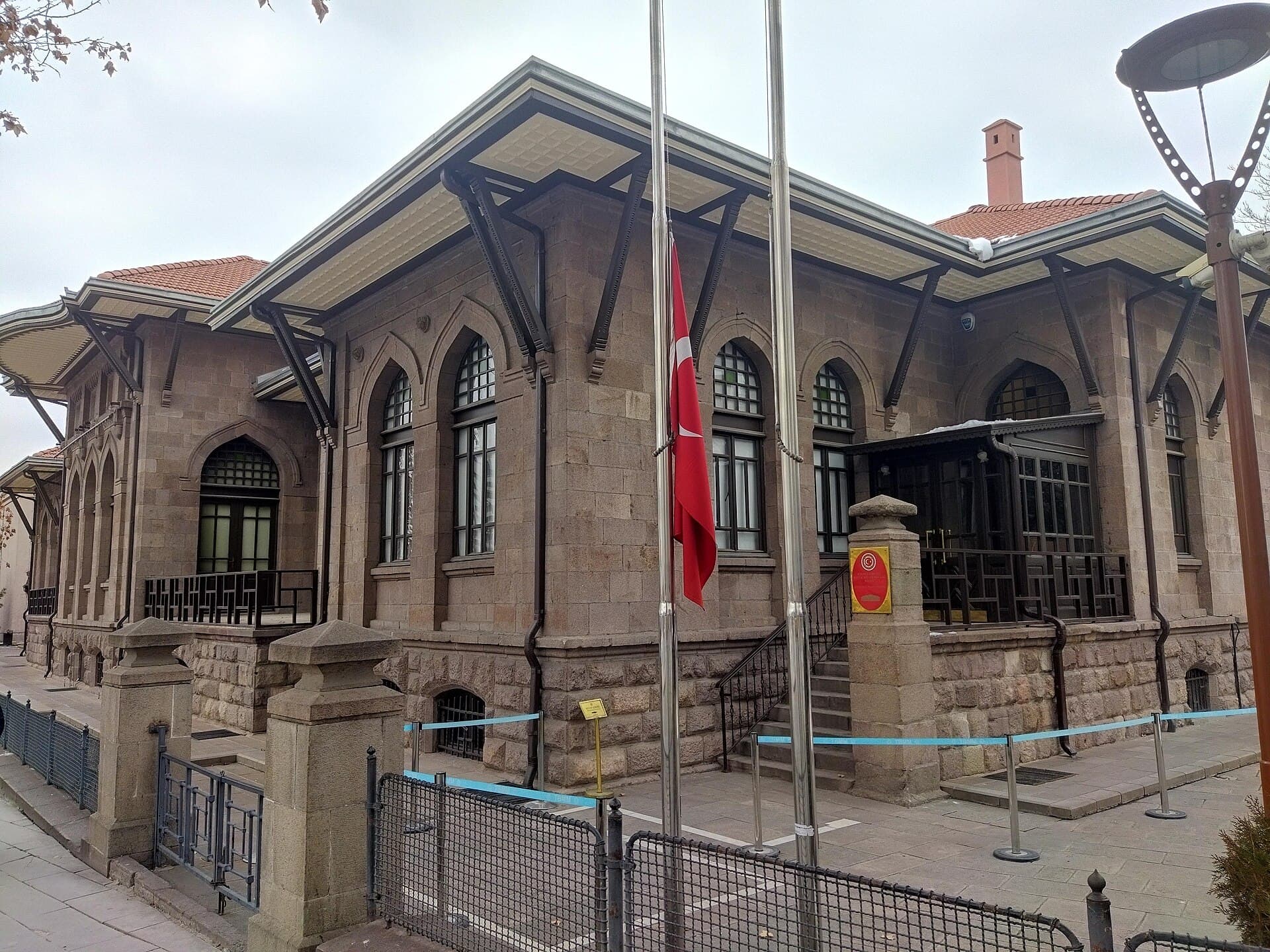 War of Independence Museum (First Parliament)On a Friday in the spring of 1920, the congregation walked out of Hacı Bayram Ve5 min walk4.8
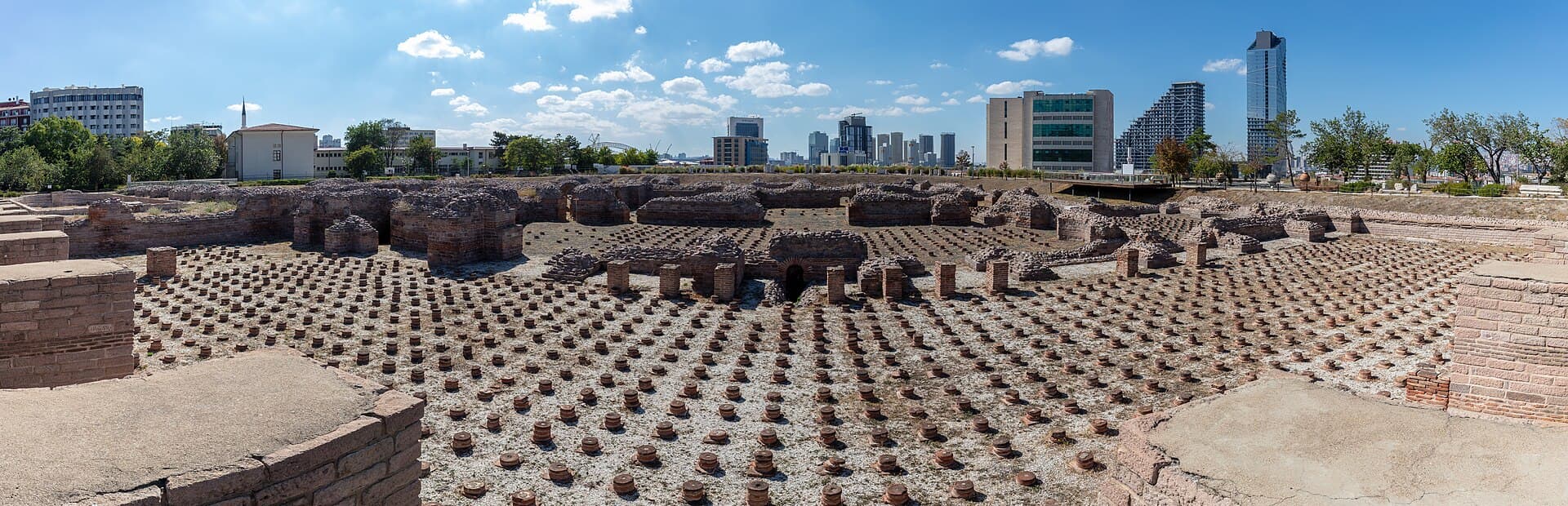 Roman Baths of AnkaraWhat you are looking at is not a bath but its underside: hundreds of stubby bric6 min walk4.4
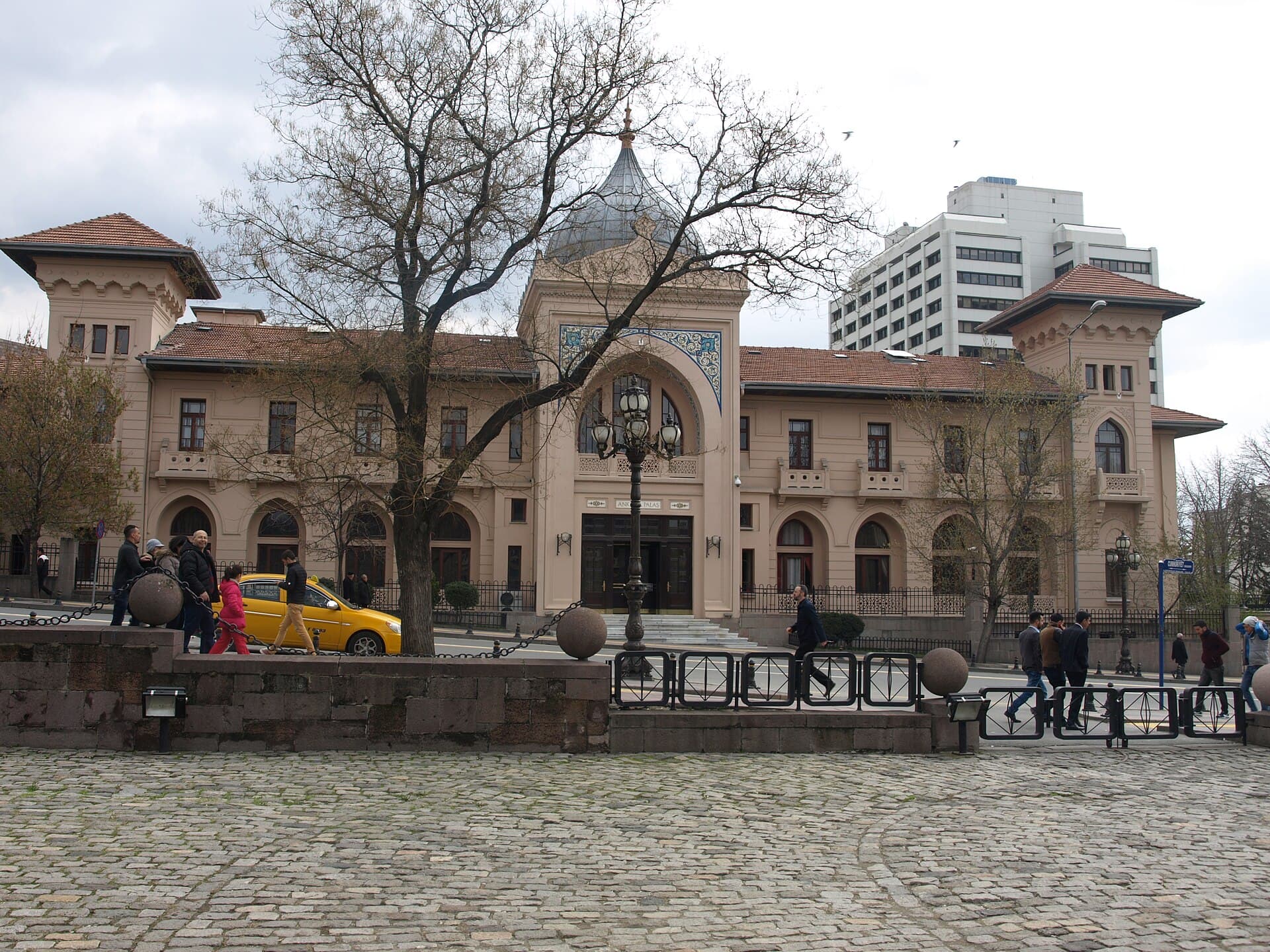 Ankara Palas MuseumThis is the building where the new elite of the Turkish Republic learned to walt8 min walk4.5
 Republic Museum (Second Parliament)From this wooden rostrum, between 15 and 20 October 1927, Mustafa Kemal Atatürk 8 min walk4.8
Yes, but not on its own. The mosque itself is small and will hold you for half an hour at most; its value lies in the tomb, the Roman temple against its wall and the lively square around it. Fold it into a single morning with the Museum of Anatolian Civilizations and Ankara Castle, about a quarter of an hour's walk uphill, and keep the afternoon for Anıtkabir.
No. The temple is closed to entry and has spent recent years behind restoration fencing, but its walls and inscriptions can be seen from the square and the side of the mosque whenever the scaffolding allows, and that is genuinely enough, since the famous text is carved on the outer wall.
Sign in to write your review of this place.
No reviews yet — be the first.