
The plaster casts
Full size, and some are now the only surviving record.
RhinoMind — CC BY-SA 4.0 · User:Pred, Søren Fuglede Jørgensen — CC BY-SA 3.0 · RhinoMind — CC BY-SA 3.0
A small university museum inside the **Aarhus University** campus, showing antiquities from the civilisations around the Mediterranean — and one of the least-visited sites in the city despite being free. The collection was built for teaching rather than display: pieces the university bought for classical archaeology students to study, later opened to the public. So the arrangement feels closer to a laboratory than an exhibition, and that is part of its appeal. On display are **Greek pottery** in black and red figure, **Roman** portrait busts and funerary monuments, **Egyptian**, **Mesopotamian** and **Cypriot** material, and coins. Its best-known holding is a set of full-size **plaster casts** of famous Greek and Roman sculptures. The idea sounds dated, but many of these casts were taken in the nineteenth century from originals that have **since been damaged or lost**, so the copies have themselves become the surviving record. Note: **the hours are very short** and tied to the academic term — check before going.
Full size, and some are now the only surviving record.
Black and red figure, with everyday and mythological scenes.
Yellow brick and sloping lawns, a sight in itself.
Victor Albecks Vej 3, Aarhus University
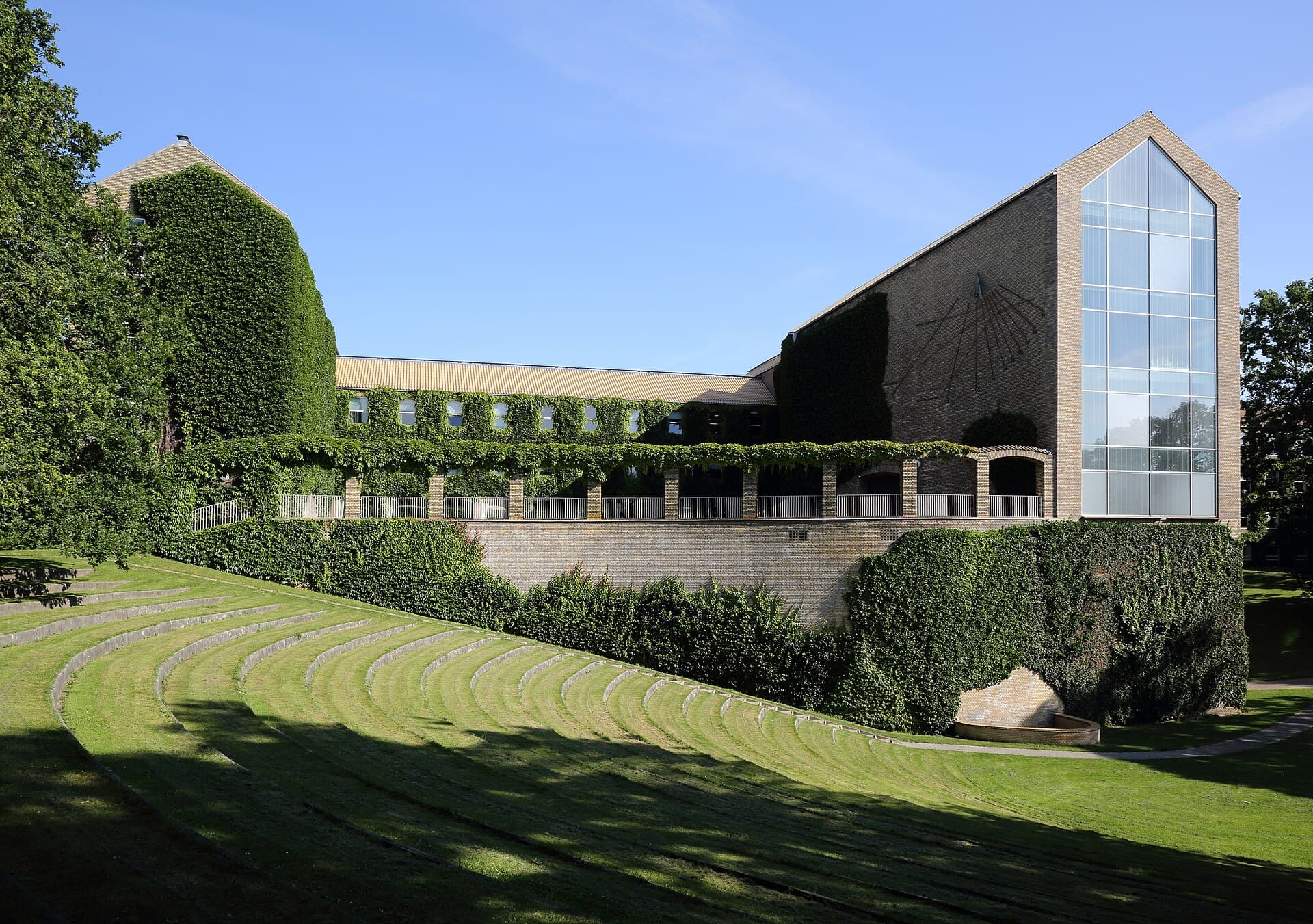 Aarhus University ParkThe best-known university campus in Denmark, and a public park open to everyone 3 minutes walk4.4
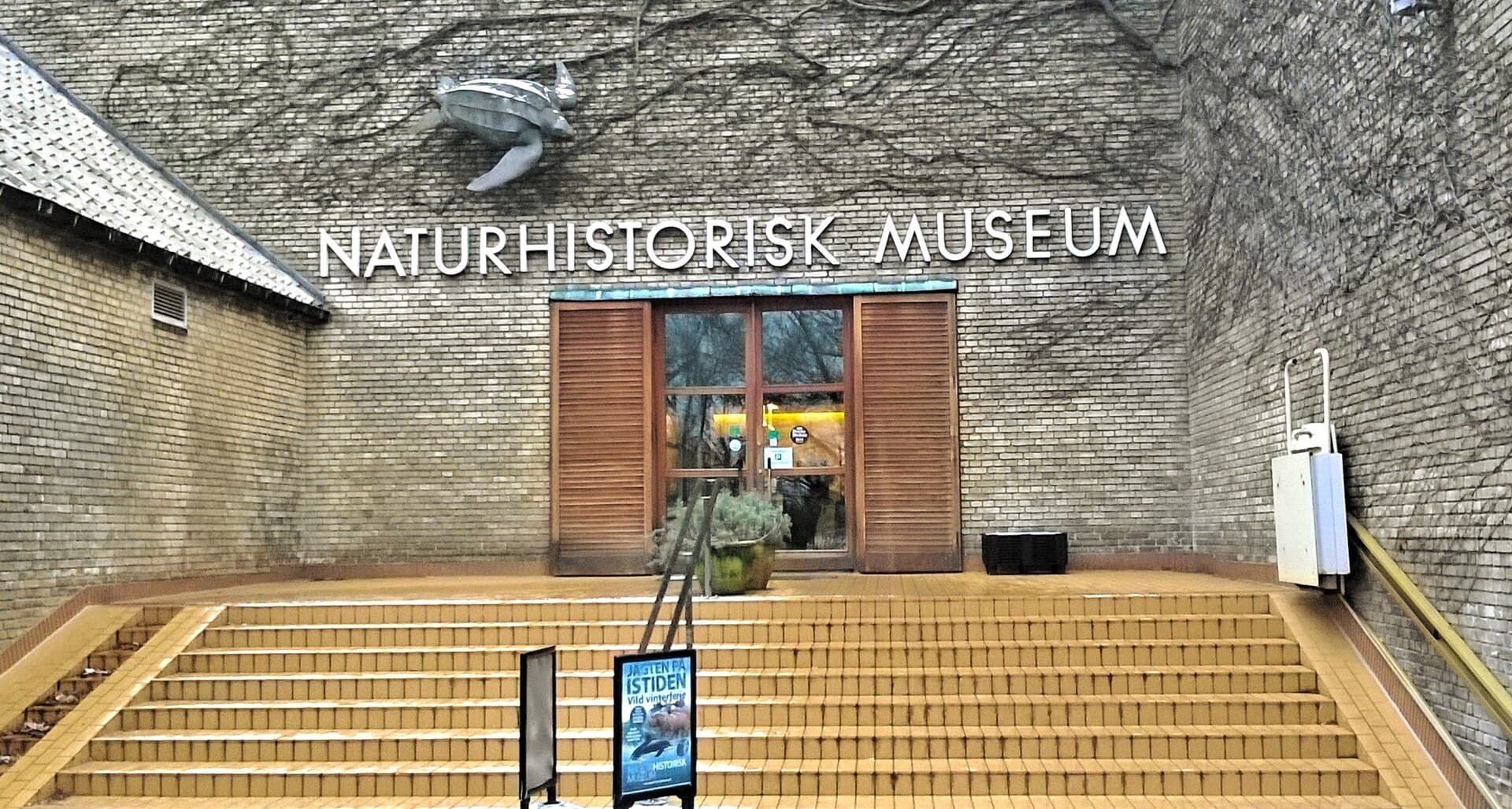 Natural History Museum AarhusAarhus's natural history museum, inside the university campus a short way from t5 minutes walk4.4
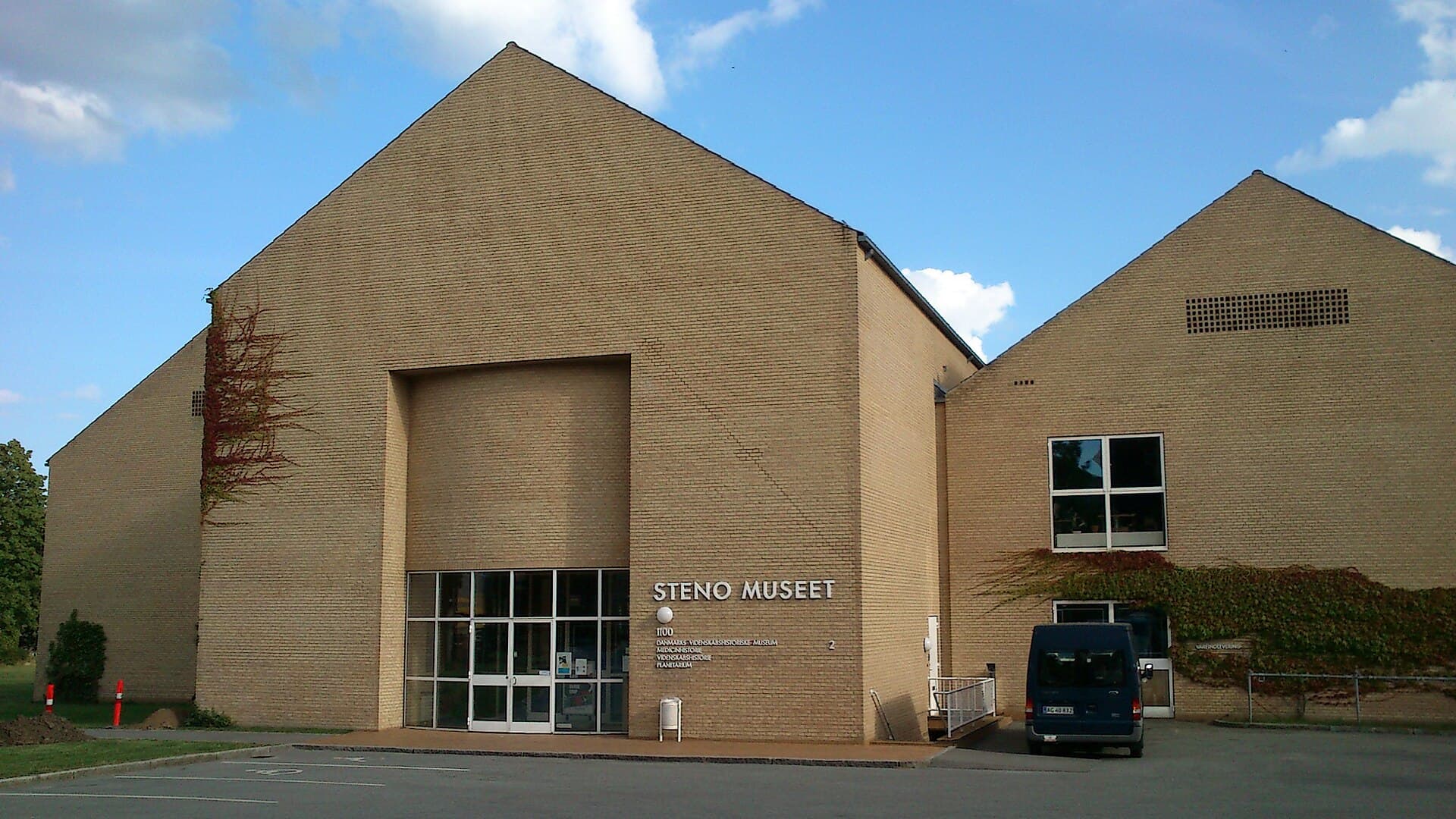 Steno MuseumA museum of the history of science and medicine inside the Aarhus University cam7 minutes walk4.6
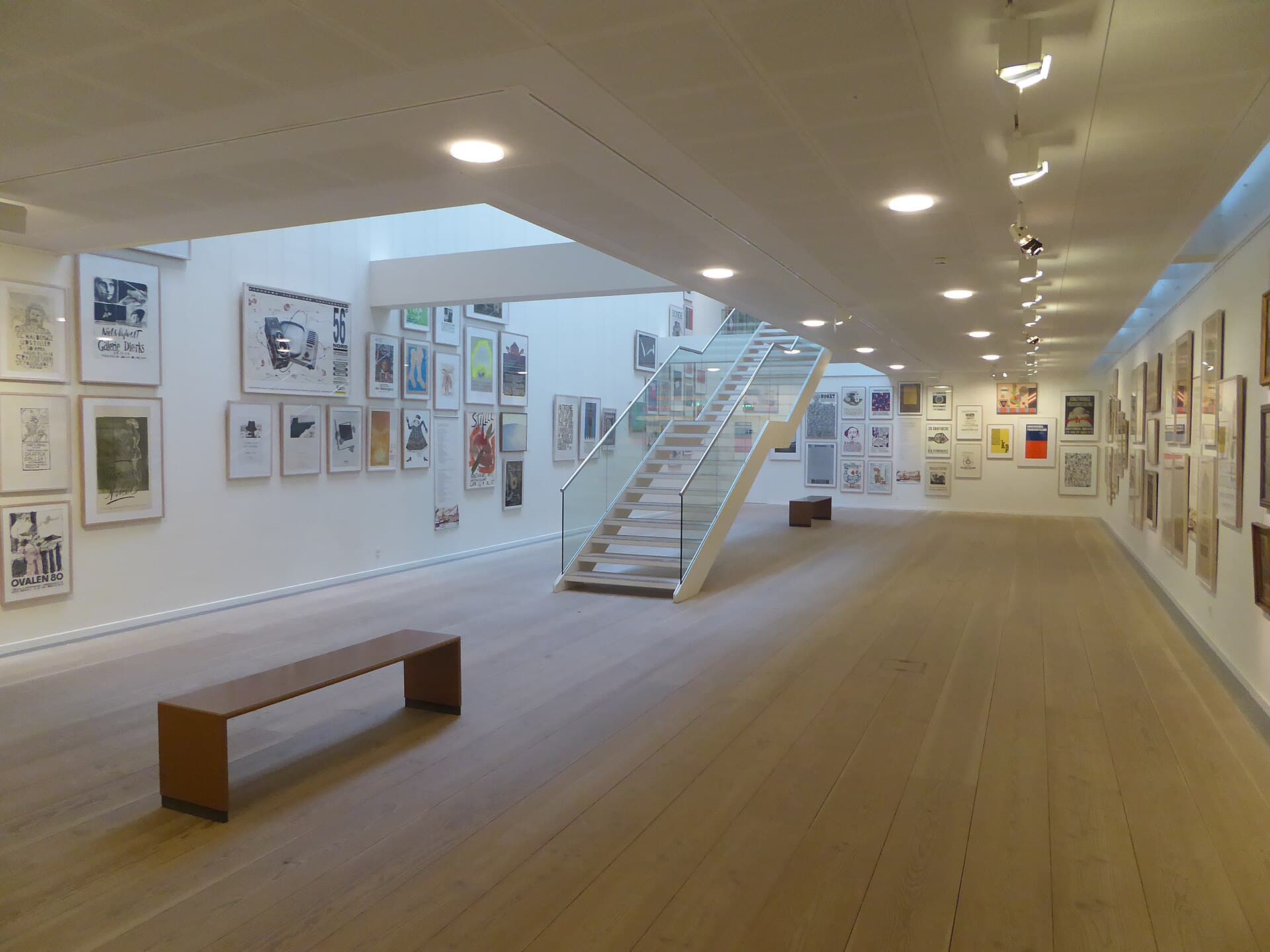 Danish Poster MuseumDenmark's only museum devoted to the poster, inside **Den Gamle By** — the open-18 minutes walk4.4
 Den Gamle By — the Living Old TownDen Gamle By is the world's first open-air town museum (1914): seventy-five hist18 minutes walk4.5
It is worth it combined with **the University Park** itself, not on its own. The campus is one of Denmark's best-known architectural ensembles: **yellow brick** buildings with steep tiled roofs set across sloping lawns around a small valley and lake, designed by **Kay Fisker** and colleagues from the 1930s onward, with a strikingly strict unity of materials. Walking the park is free and beautiful in any season, and the museum inside it is free too. Make the two one half-day, and check the museum's hours before you make the walk.