
The valley and lake
The heart of the campus, oaks around a small water.
Villy Fink Isaksen — CC BY-SA 4.0 · RhinoMind — CC BY-SA 4.0 · RhinoMind — CC BY-SA 4.0 · RhinoMind — CC BY-SA 4.0
The best-known university campus in Denmark, and a public park open to everyone rather than a closed student precinct. Planning began in 1931 with an unusual decision: **one material for every building**. Every structure on the campus is **yellow brick** with a steep tiled roof, without exception, and that decision has been held to for eighty years across dozens of buildings and several different architects. The result is a visual unity that almost never happens in an ensemble this size. The buildings are spread across **sloping lawns** around a small natural valley with a lake and oak trees at its bottom. The ground was never levelled, so walking it is up and down. Students sit on the slopes on any sunny day, and the sight is part of the place. In autumn the whole valley turns yellow and orange. Inside it are the **Museum of Ancient Art** and the **Steno Museum** of science, both free or cheap. It is about 25 minutes' walk north of the centre, or a short bus ride.
The heart of the campus, oaks around a small water.
A strict material unity across eighty years and many architects.
Lawns people sit on the first sunny day.
Nordre Ringgade 1, Aarhus
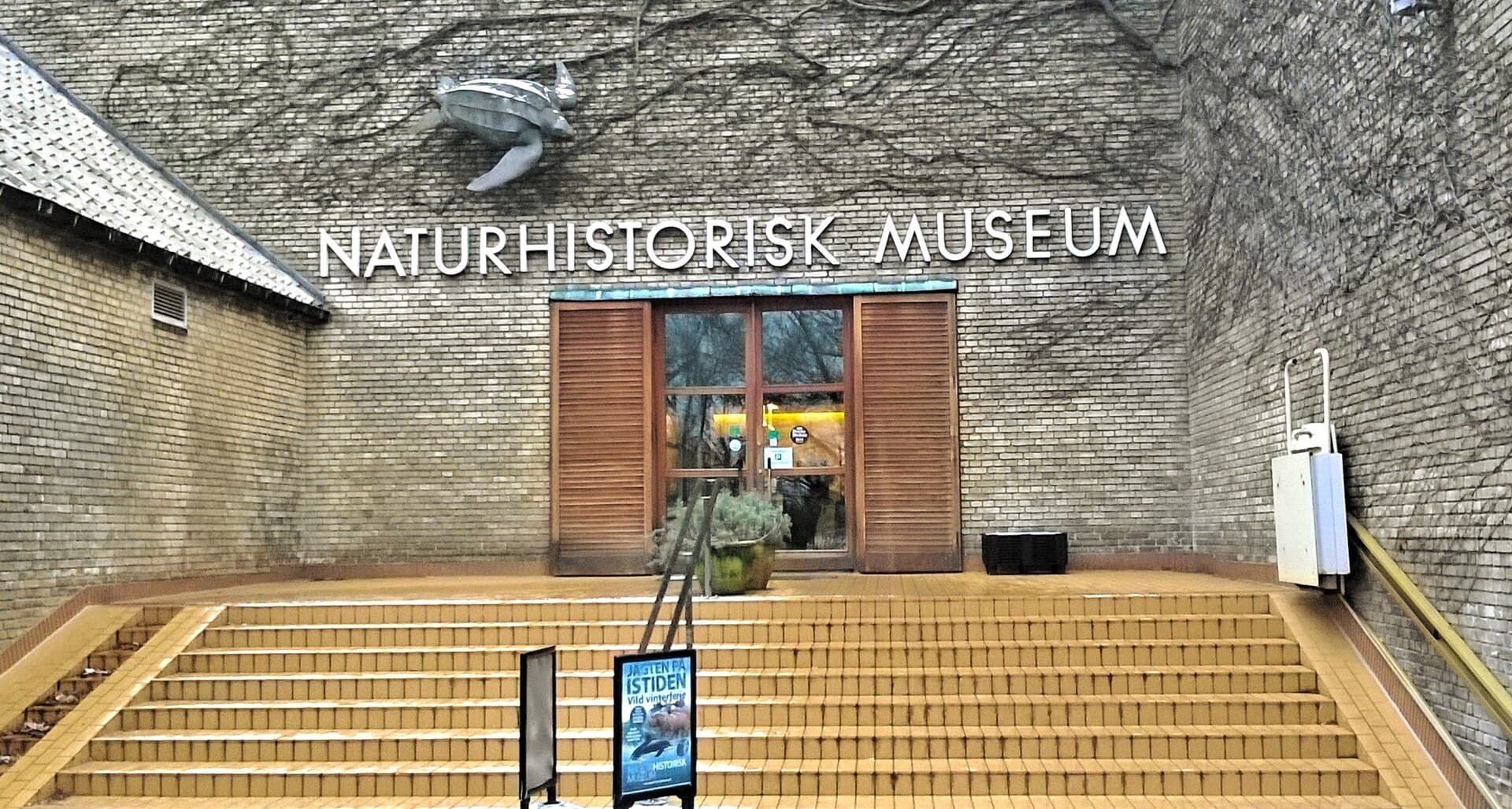 Natural History Museum AarhusAarhus's natural history museum, inside the university campus a short way from t2 minutes walk4.4
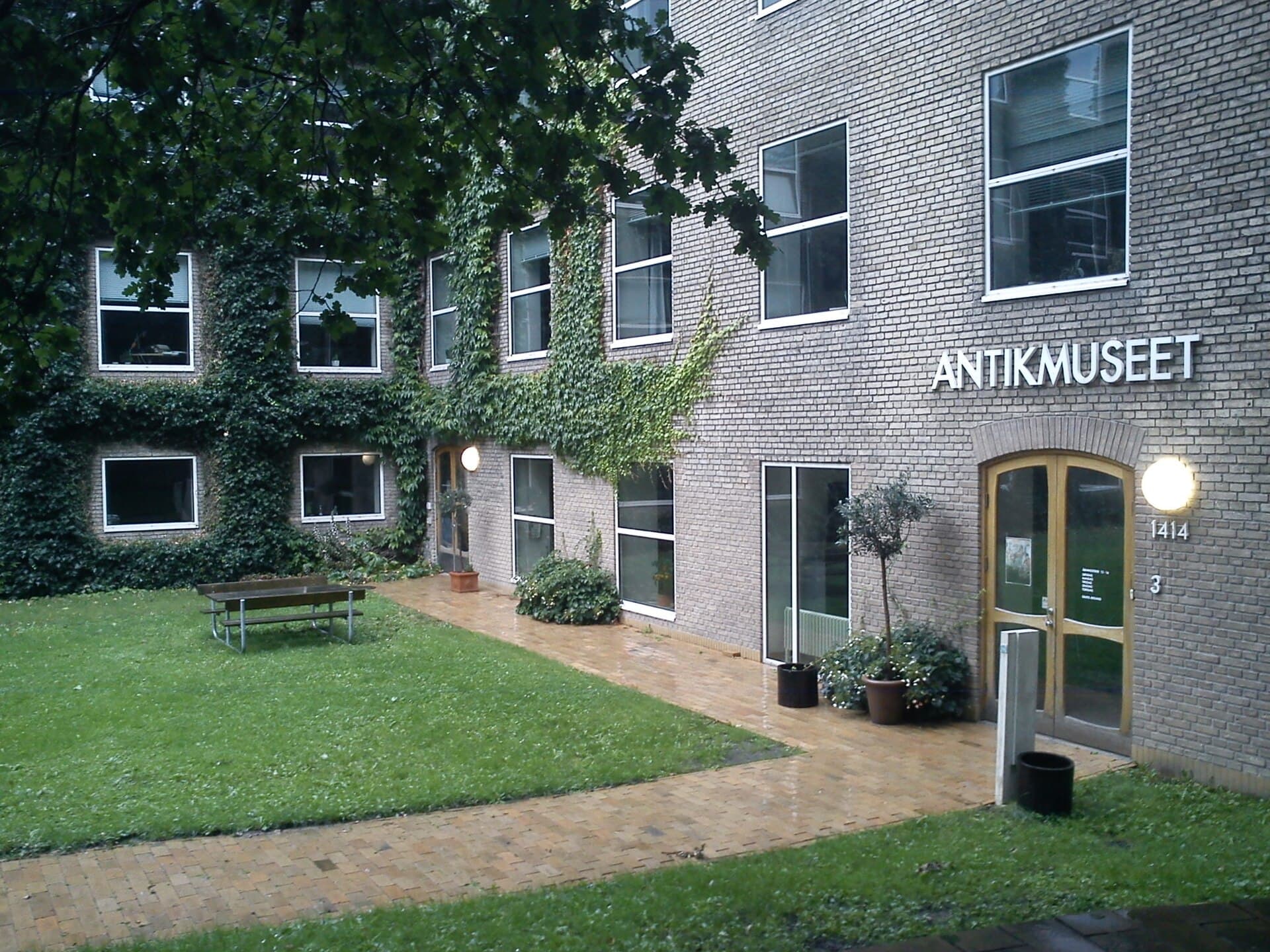 Museum of Ancient ArtA small university museum inside the **Aarhus University** campus, showing antiq3 minutes walk4.3
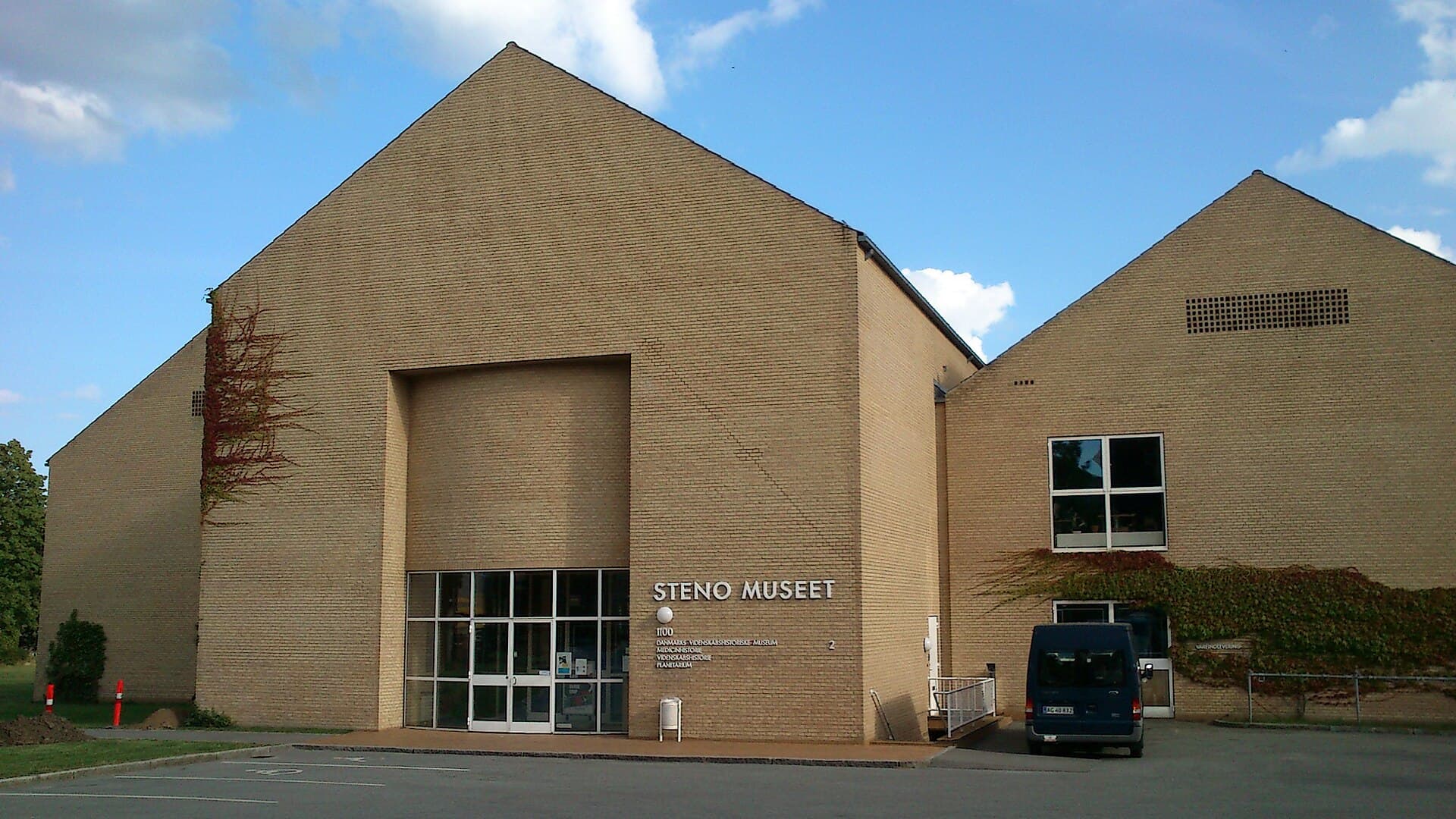 Steno MuseumA museum of the history of science and medicine inside the Aarhus University cam5 minutes walk4.6
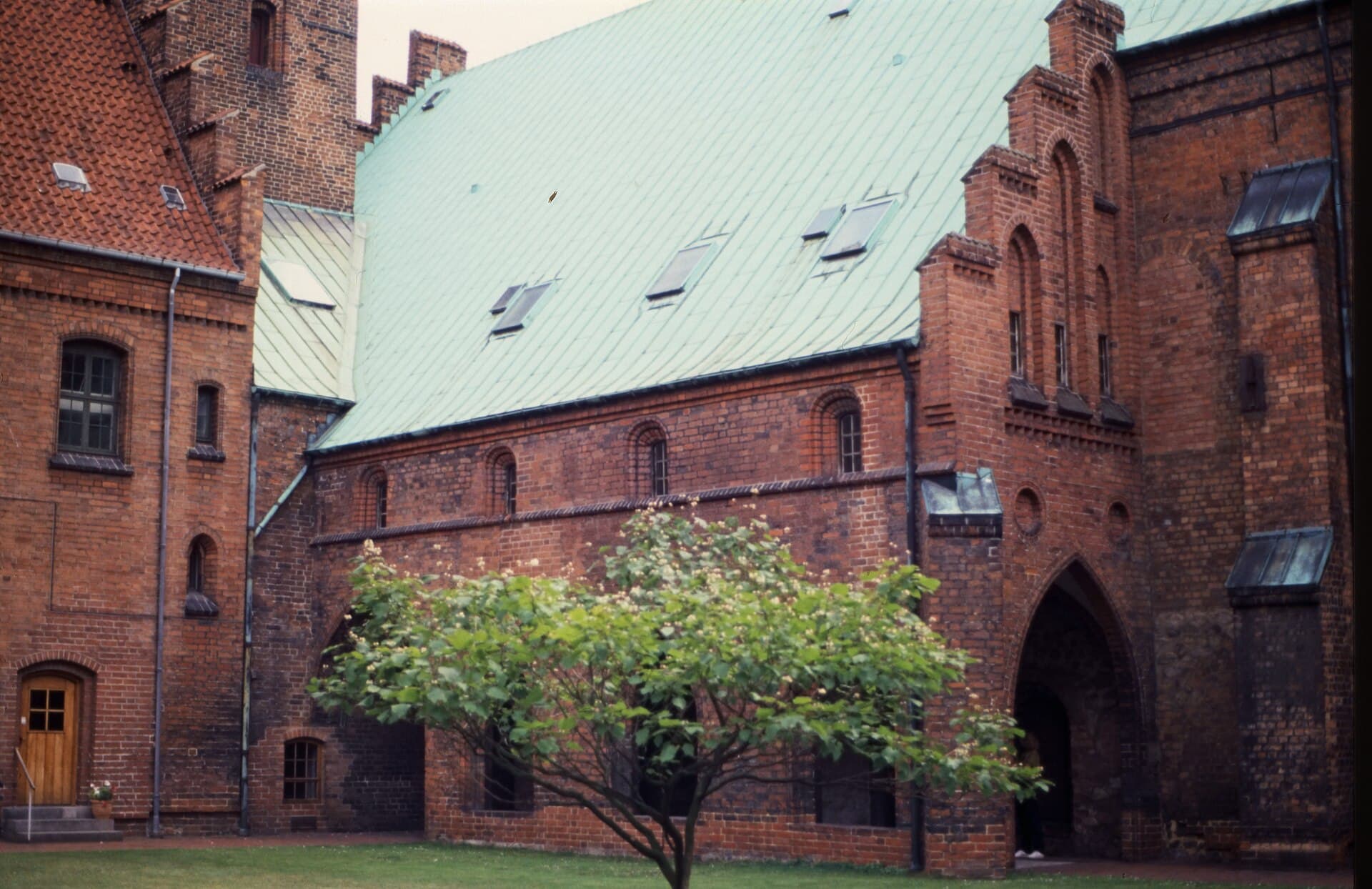 Church of Our Lady, AarhusAn ordinary-looking church from outside, hiding beneath it the oldest standing s15 minutes walk4.6
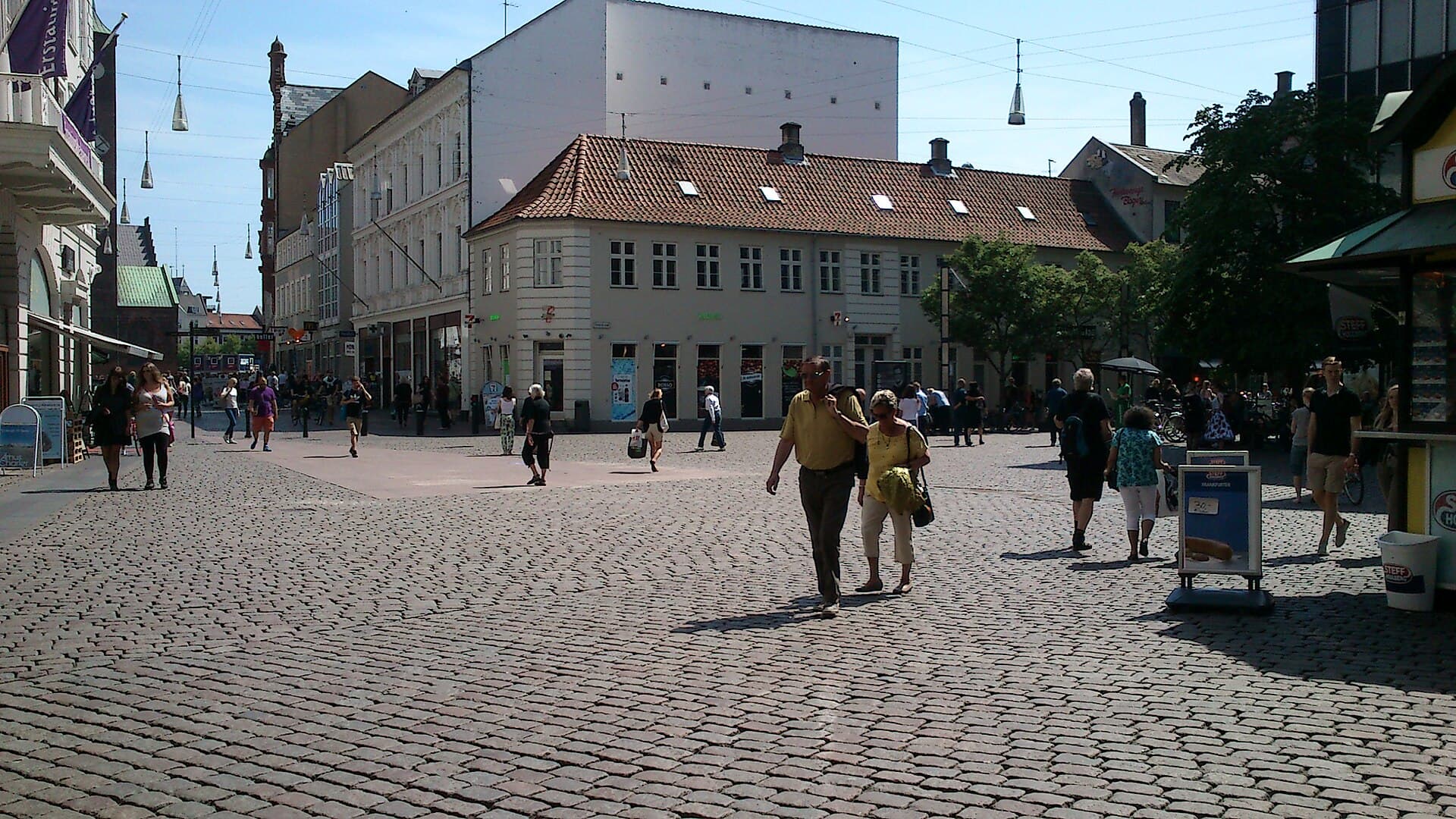 Lille TorvA small square in the heart of old Aarhus, its name meaning the little square, d16 minutes walk4.4
**The University Park** is not a botanical garden but an architectural landscape: its value is the unity of yellow brick and the sloping valley, and it suits walking, photography and sitting. The **Botanical Garden** next to Den Gamle By has a large free **tropical glasshouse** and ordered planting sections, and is the better choice on a wet day. Small **Mølleparken** on the river in the centre is the nearest and quickest, right for a short break between two visits. All three are free.