
Steno and rock strata
The idea that made the Earth's age readable came from a Danish scholar.
RhinoMind — CC BY-SA 4.0 · De naturvidenskabelige museer i Aarhus — CC BY 4.0 · Salisbury and South Wiltshire Museum, Nadia Messina, 2017-07-03 16:37:19 — CC BY 2.0 · Villy Fink Isaksen — CC BY-SA 3.0
A museum of the history of science and medicine inside the Aarhus University campus, with a planetarium. It is named after Nicolas Steno, a seventeenth-century Danish scholar who laid the first foundations of stratigraphy — the man who understood that rock layers are laid down over one another through time, the idea that made reading the age of the Earth possible at all. The collection covers the history of medicine and its instruments, along with physics, chemistry and astronomy, with original holdings and hands-on experiments. The medical section holds old surgical and diagnostic instruments that explain how practice developed. The planetarium gives shows on the sky and space, and is a core part of the visit rather than an addition — check the programme and its language before going, as most shows are in Danish. It works well with children and teenagers thanks to the hands-on experiments, and stands minutes on foot from the natural history museum on the same campus, so the two are visited together.
The idea that made the Earth's age readable came from a Danish scholar.
Surgical and diagnostic tools showing how medical practice developed.
A core part of the visit rather than an add-on — fit a show into your timing.
Aarhus University campus, north of the centre
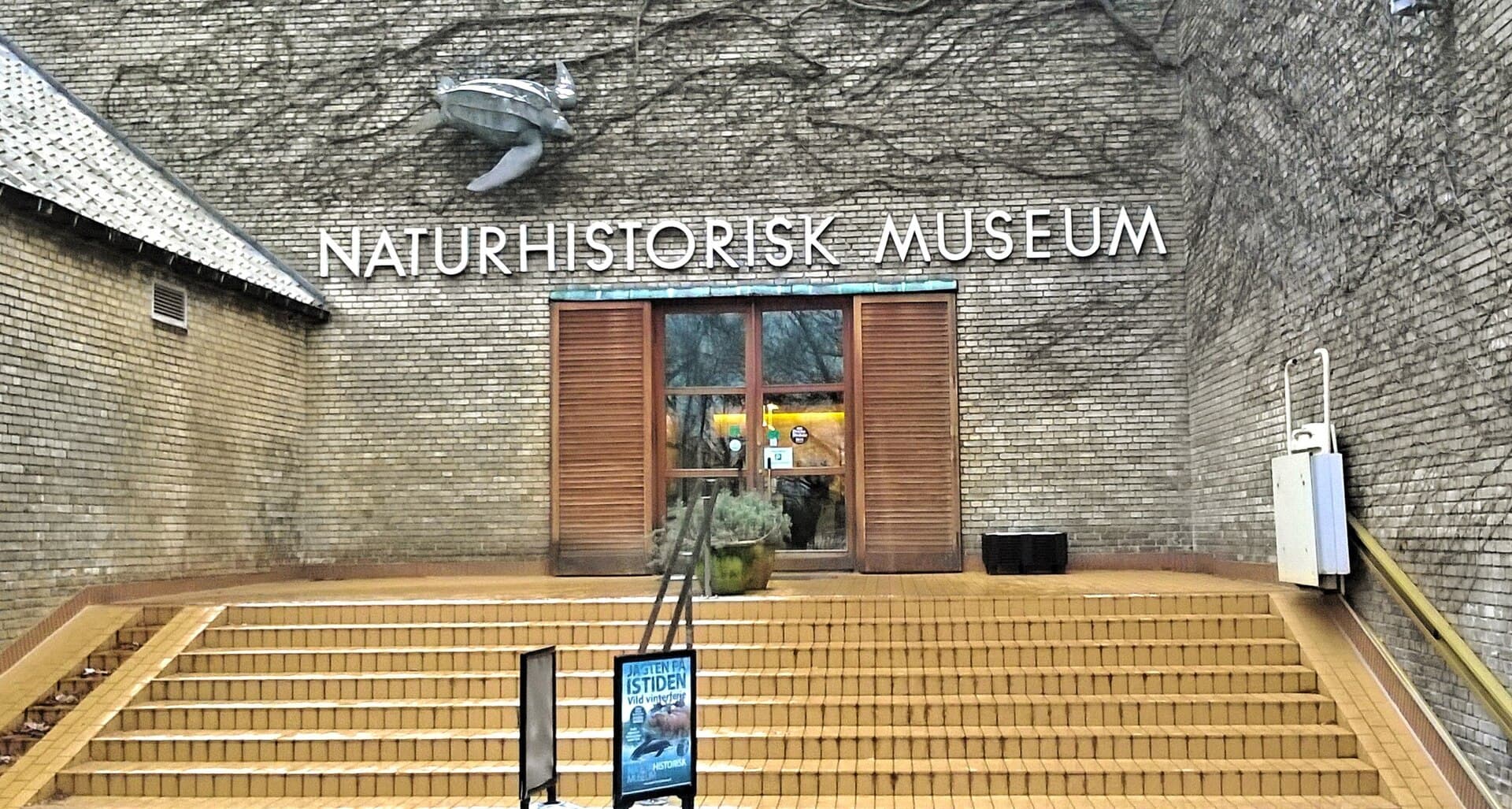 Natural History Museum AarhusAarhus's natural history museum, inside the university campus a short way from t3 minutes walk4.4
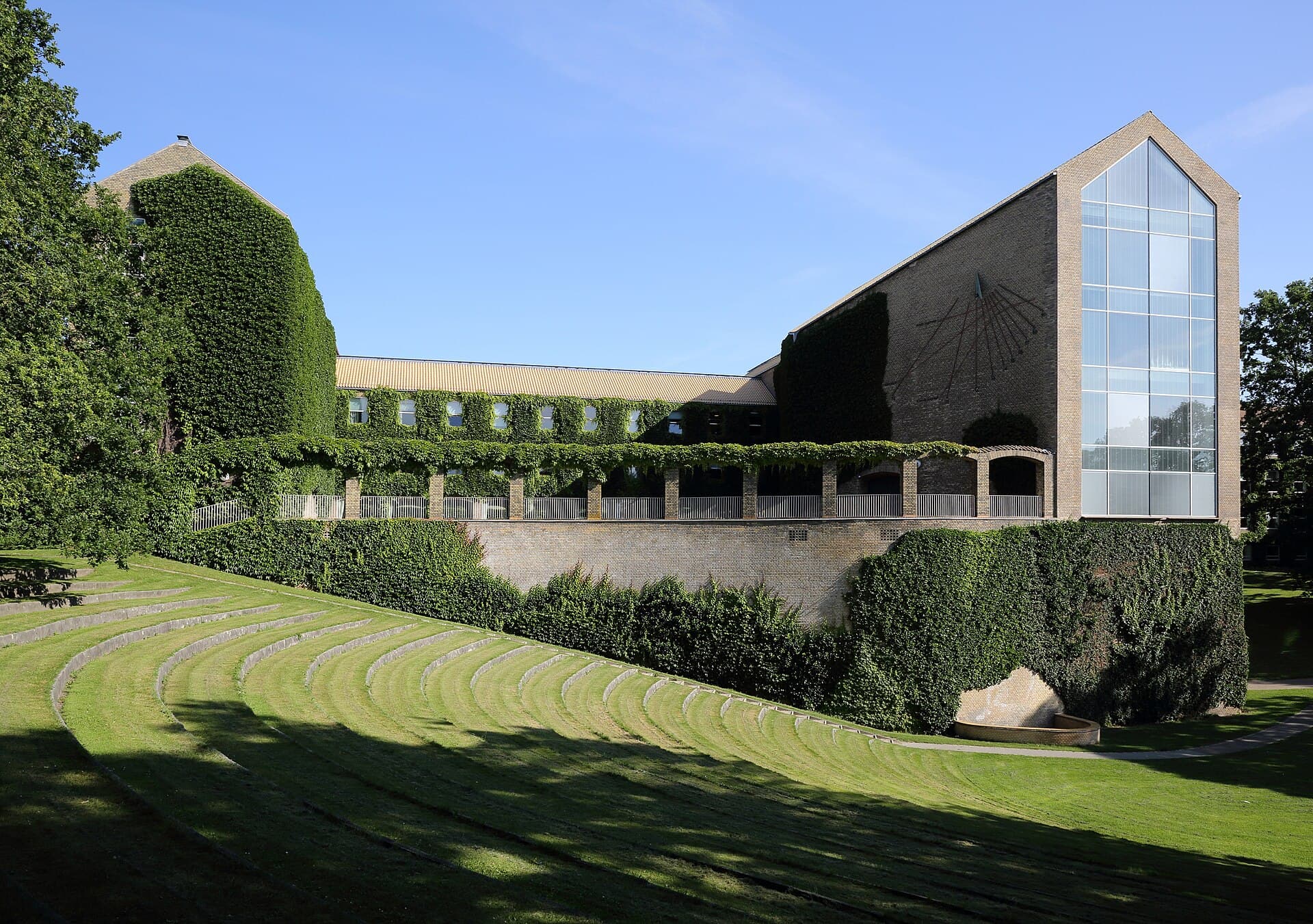 Aarhus University ParkThe best-known university campus in Denmark, and a public park open to everyone 5 minutes walk4.4
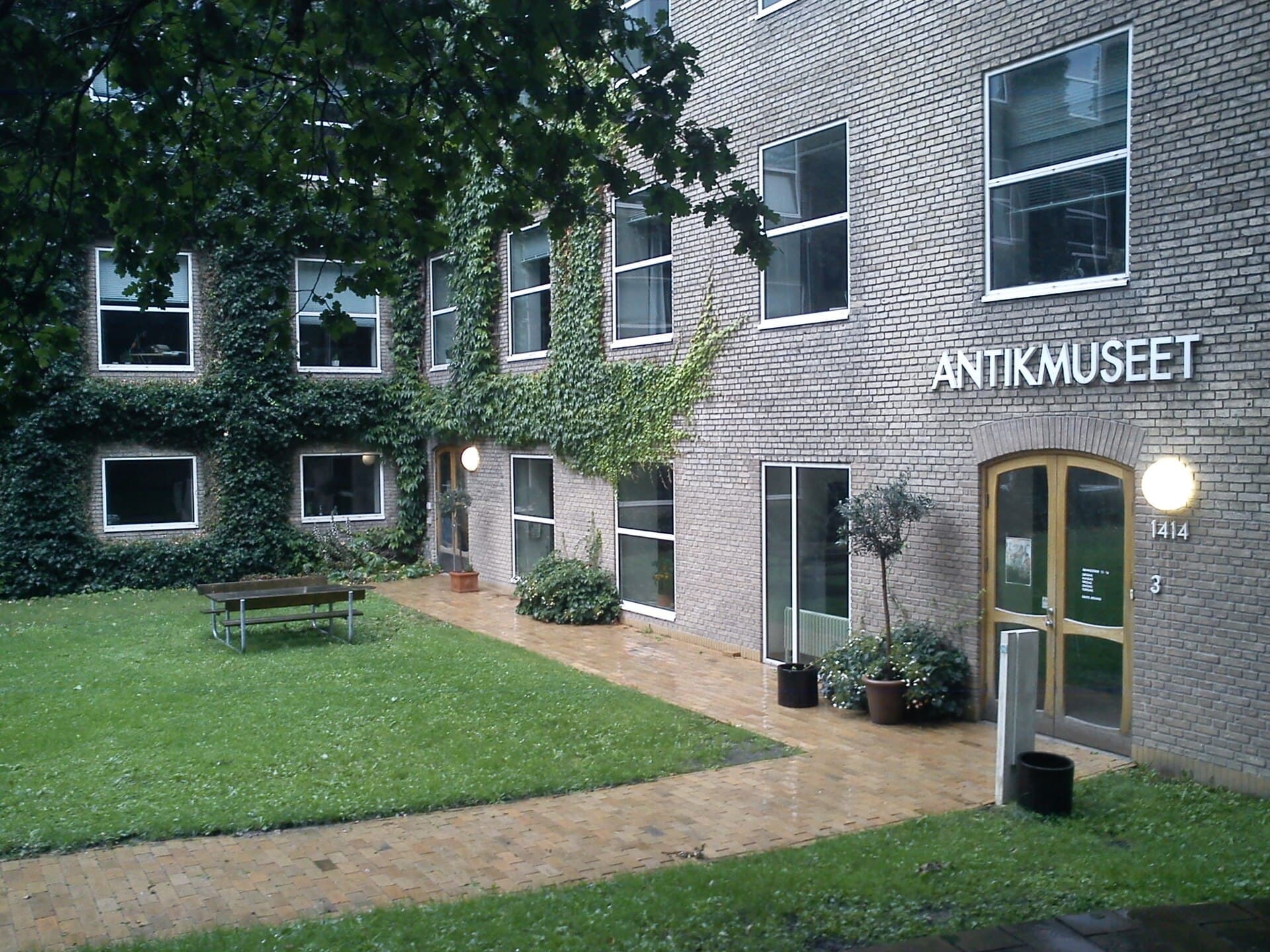 Museum of Ancient ArtA small university museum inside the **Aarhus University** campus, showing antiq7 minutes walk4.3
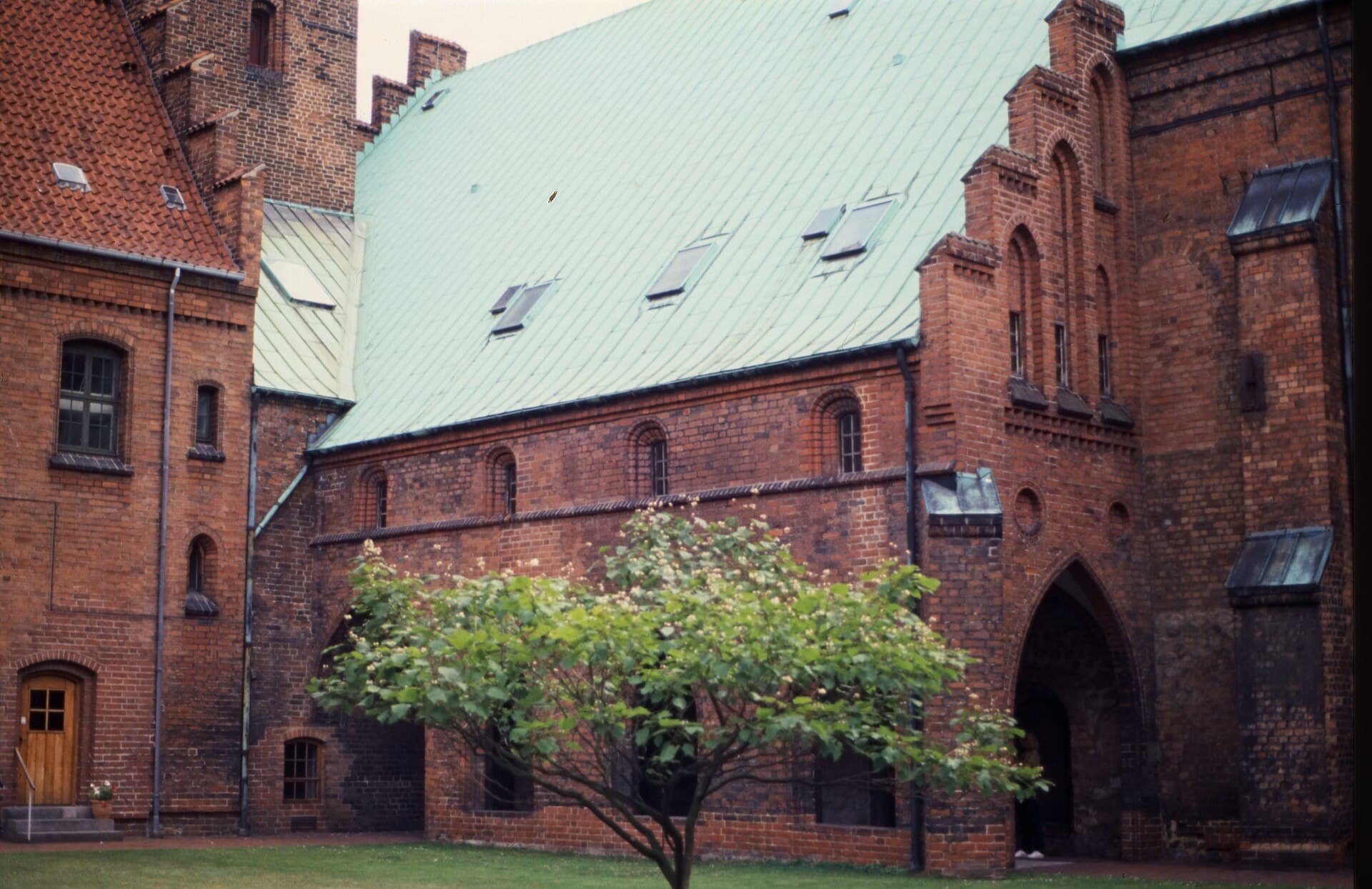 Church of Our Lady, AarhusAn ordinary-looking church from outside, hiding beneath it the oldest standing s10 minutes walk4.6
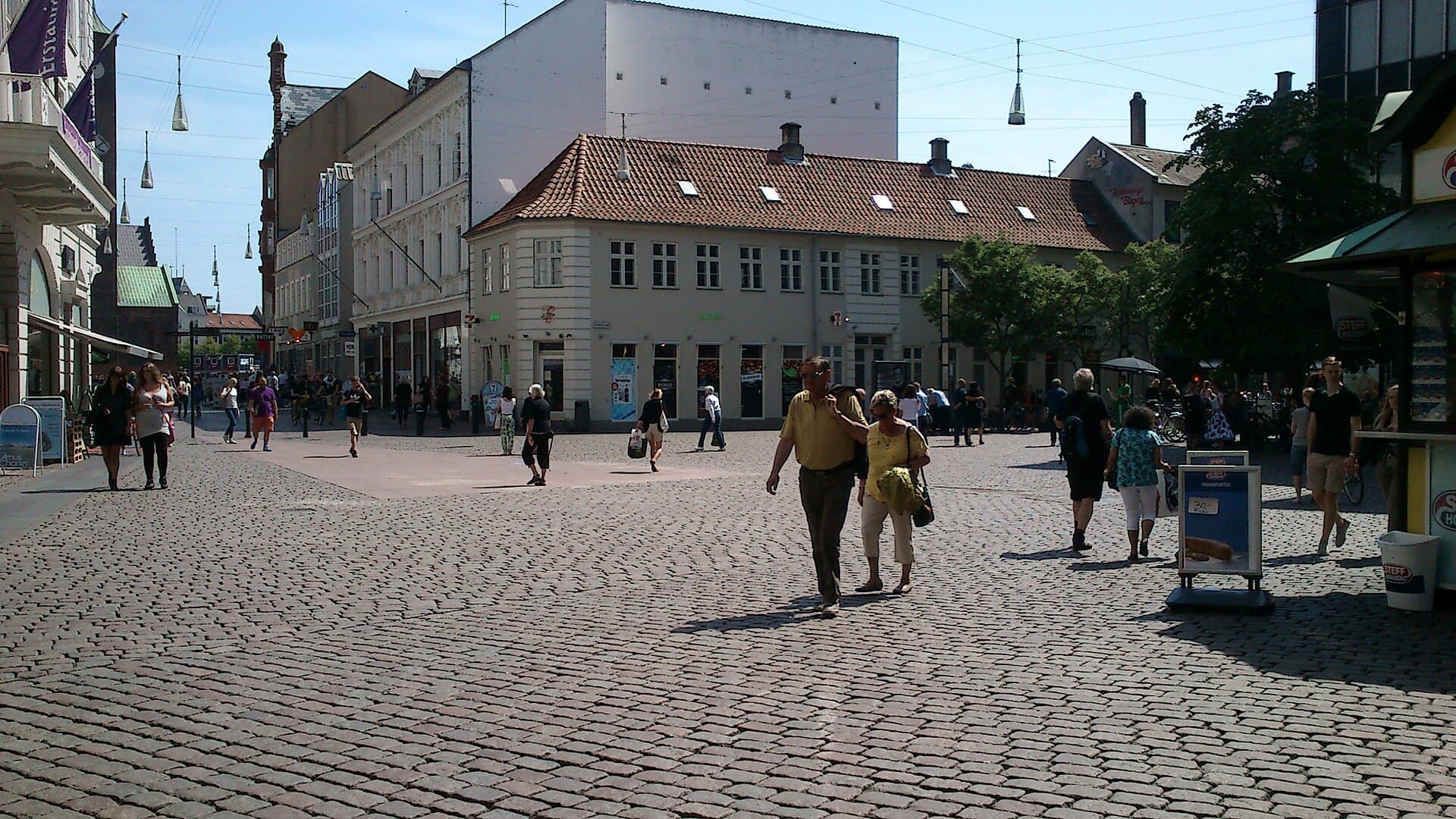 Lille TorvA small square in the heart of old Aarhus, its name meaning the little square, d12 minutes walk4.4
Most are in Danish, with English shows possibly at limited times or in season. Check the programme before going and choose your time accordingly, since the planetarium is a core part of the visit and a show in a language you don't follow loses much of it.
Start at the Steno Museum early so a planetarium show fits your schedule, then walk minutes to the natural history museum. Between them, walk the campus itself with its yellow buildings and grassy hills — free, and among the best-known works of Danish architecture.