
The habitat scenes
Animals shown in reproductions of their habitats — visual and direct for children.
Kenny Arne Lang Antonsen — CC BY-SA 4.0 · Villy Fink Isaksen — CC BY-SA 3.0 · Kenny Arne Lang Antonsen — CC BY-SA 4.0 · Kenny Arne Lang Antonsen — CC BY-SA 4.0
Aarhus's natural history museum, inside the university campus a short way from the city centre. The collection concentrates on the nature of Denmark and northern Europe: mounted animals displayed in scenes reproducing their habitats, birds, insects and skeletons, and sections on the ice age and the formation of the Danish landscape. This is a university museum, meaning the collections are research collections that were then put on display, which gives it more precision than a science entertainment centre but makes it quieter and less interactive. It works particularly well with primary-school-age children: the habitat scenes are visual and direct and need little reading, and the museum is a size that can be finished without exhaustion. The campus itself is worth walking through: yellow brick buildings of a single unified design set among grassy hills, among the best-known works of twentieth-century Danish architecture, and free to walk.
Animals shown in reproductions of their habitats — visual and direct for children.
Sections on the ice age and the shaping of the Danish landscape.
Yellow brick and grassy hills — among modern Danish architecture's best-known works.
Aarhus University campus, north of the centre
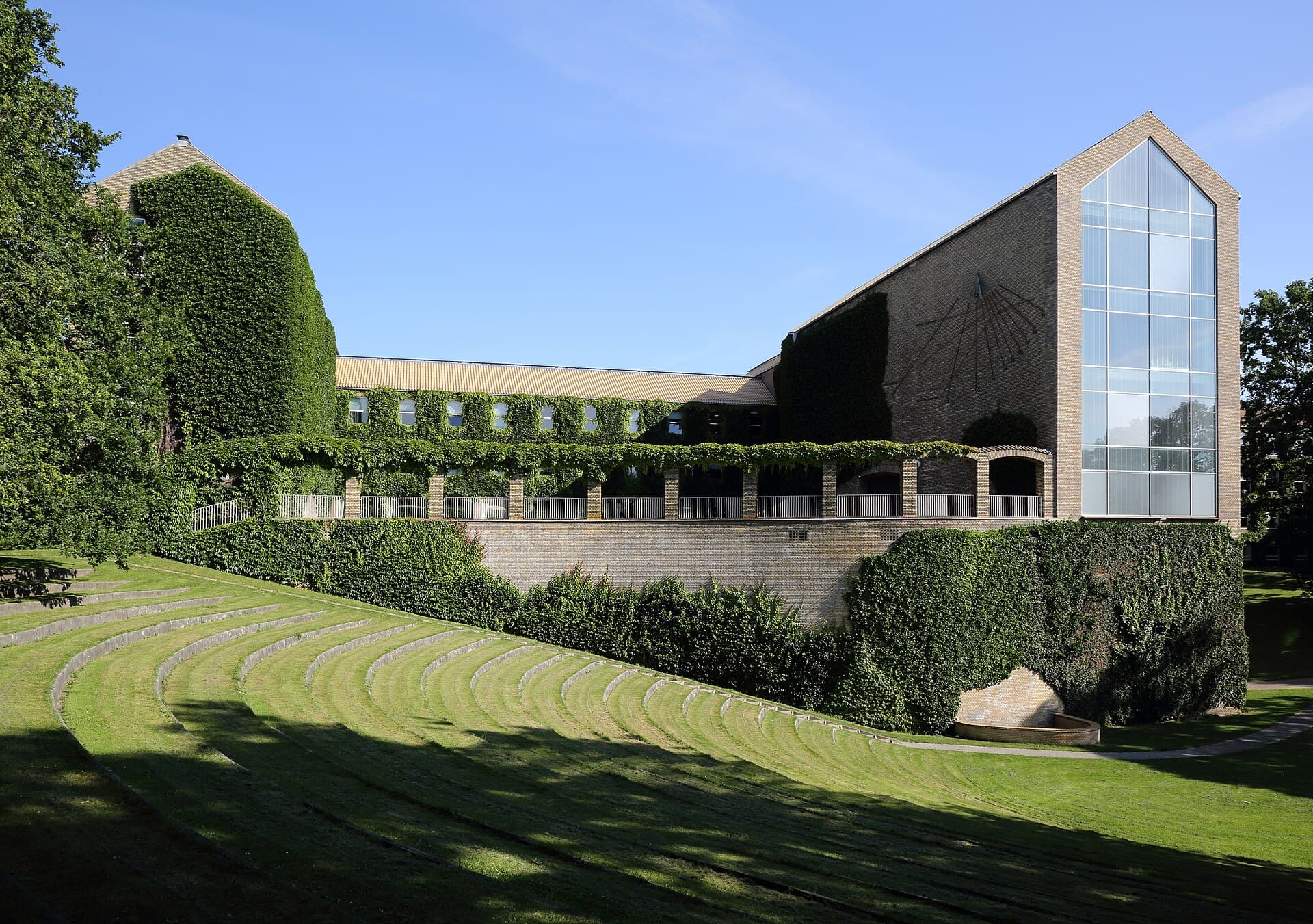 Aarhus University ParkThe best-known university campus in Denmark, and a public park open to everyone 2 minutes walk4.4
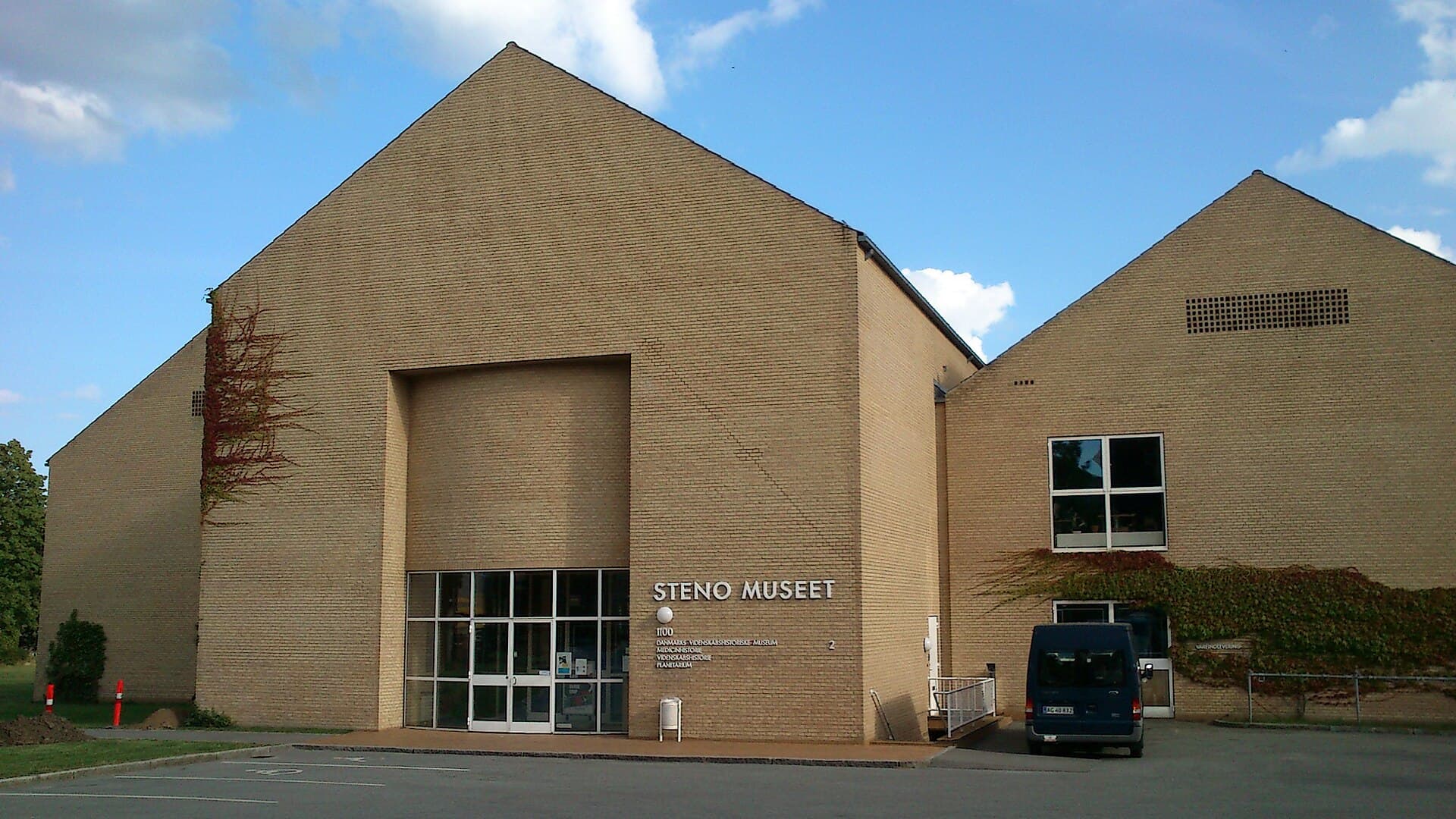 Steno MuseumA museum of the history of science and medicine inside the Aarhus University cam3 minutes walk4.6
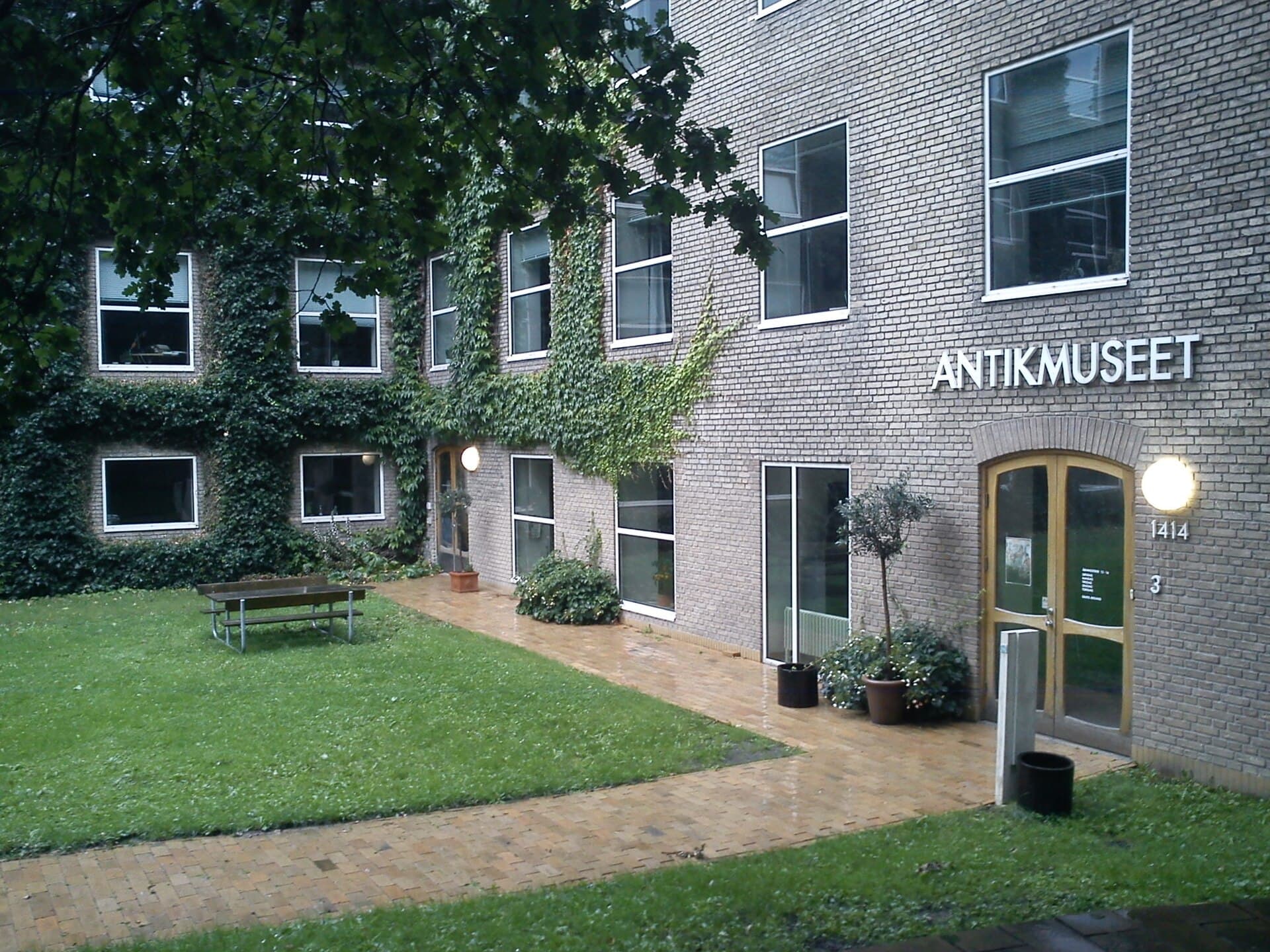 Museum of Ancient ArtA small university museum inside the **Aarhus University** campus, showing antiq5 minutes walk4.3
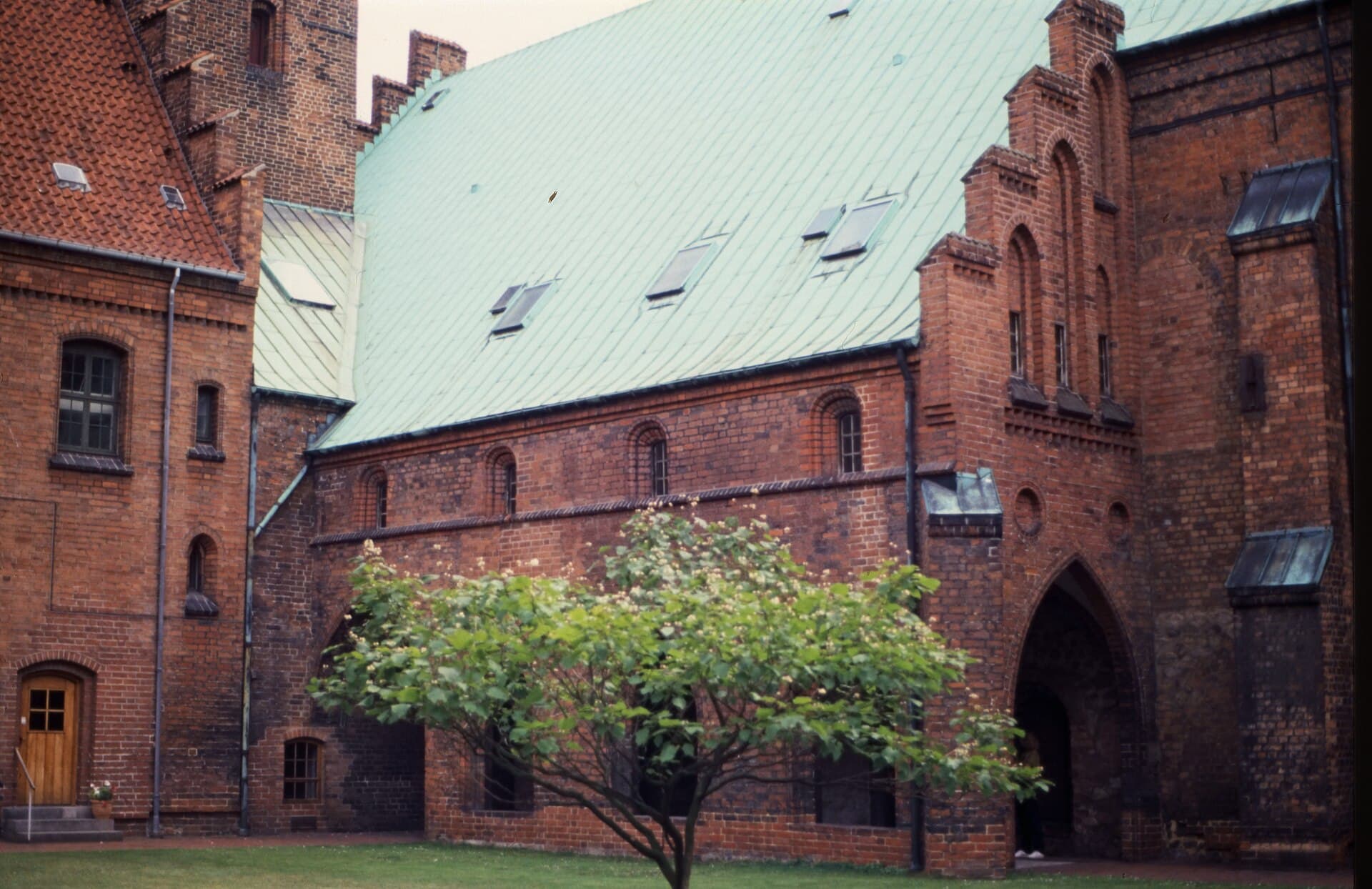 Church of Our Lady, AarhusAn ordinary-looking church from outside, hiding beneath it the oldest standing s13 minutes walk4.6
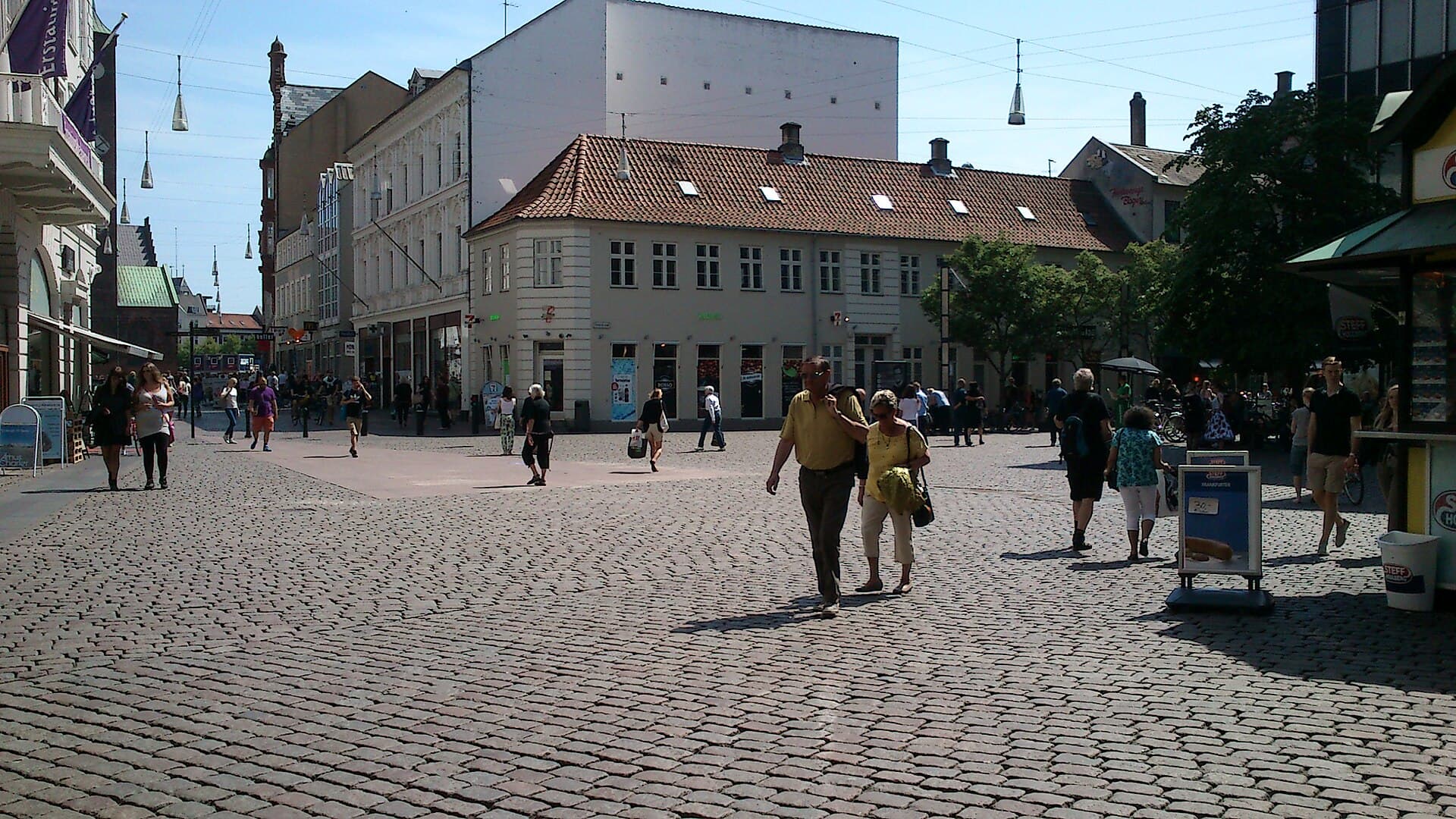 Lille TorvA small square in the heart of old Aarhus, its name meaning the little square, d14 minutes walk4.4
Yes — both are inside the same campus minutes apart on foot, and their subjects complement each other: this one nature, the other the history of science and medicine with a planetarium. Together they make a logical half day with children.
Den Gamle By, the open-air museum in central Aarhus, rebuilds Danish streets from different eras and is spent outdoors — the better choice on a clear day. The woods and beaches south of the city are close too. Keep the indoor museums for a wet day.