
The Kültepe cuneiform tablets
Letters and contracts of Assyrian merchants from roughly four thousand years ago, some still in their sealed clay envelopes, the oldest written texts in Anatolia.
Dosseman — CC BY-SA 4.0 · Dosseman — CC BY-SA 4.0 · Dosseman — CC BY-SA 4.0 · Dosseman — CC BY-SA 4.0
Four thousand years ago Assyrian merchants were writing their letters and contracts on small clay tablets in a trading colony called Kanesh, just 22 km east of where you are standing. Those tablets, in tight cuneiform script and often still inside their sealed clay envelopes, are the oldest written texts ever found in Anatolia, and they are the real reason this museum exists. The Kültepe excavations that Tahsin Özgüç began in 1948, and which have never stopped, buried the city in finds; a purpose-built museum opened for them in 1969, and in October 2019 the whole collection moved inside the walls of Kayseri Castle in the middle of town. The setting is half the pleasure. The castle, in the city's trademark black volcanic stone, is Roman in origin, was strengthened by the Byzantines under Justinian and rebuilt by the Seljuks in 1224 and repaired again by the Ottomans; it stands right on Cumhuriyet Meydanı, a few steps from the Hunat Hatun complex where the museum began life in 1930 as a storage depot before opening to the public in 1938 for a five-kuruş ticket. Today you pay four euros and walk into a clean modern building set inside the inner castle, with thirteen halls arranged chronologically from the Chalcolithic to the Ottoman period, plus a temporary-exhibition space. Start with the Tablet and Assyrian Trade Colonies halls, which are the heart of the place, and stop at the Roman sarcophagus known as the Heracles Sarcophagus, turned up by chance during building work in the city in 1991 and carved with the hero's twelve labours. What follows, from the Hittite and Hellenistic rooms to Byzantine coins and Seljuk ceramics, is solid but will not surprise anyone who has done the Museum of Anatolian Civilizations in Ankara. The museum is generously laid out and pushchair-friendly, though small children will fade after half an hour; the walls outside will please them more. An hour to ninety minutes is plenty, and the visit folds neatly into a walking loop with the covered bazaar and the Hunat Hatun mosque. It opens daily from 08:30 to 17:30 in both summer and winter on the current official timetable, with the box office shutting fifteen minutes before closing. In Kayseri's bitter, snowy winter it is the perfect warm stop between ski days on Erciyes; in August heat it is the calmest hour of a busy day.
Letters and contracts of Assyrian merchants from roughly four thousand years ago, some still in their sealed clay envelopes, the oldest written texts in Anatolia.
A white-marble sarcophagus found by chance during construction in the city in 1991, carved with the twelve labours of Heracles, and the best-known piece after the tablets.
A modern building set within the black-stone inner castle, a few steps from the covered bazaar and the Hunat Hatun complex.
Kazancılar Caddesi No:2, inside Kayseri Castle, Cumhuriyet Meydanı, Melikgazi
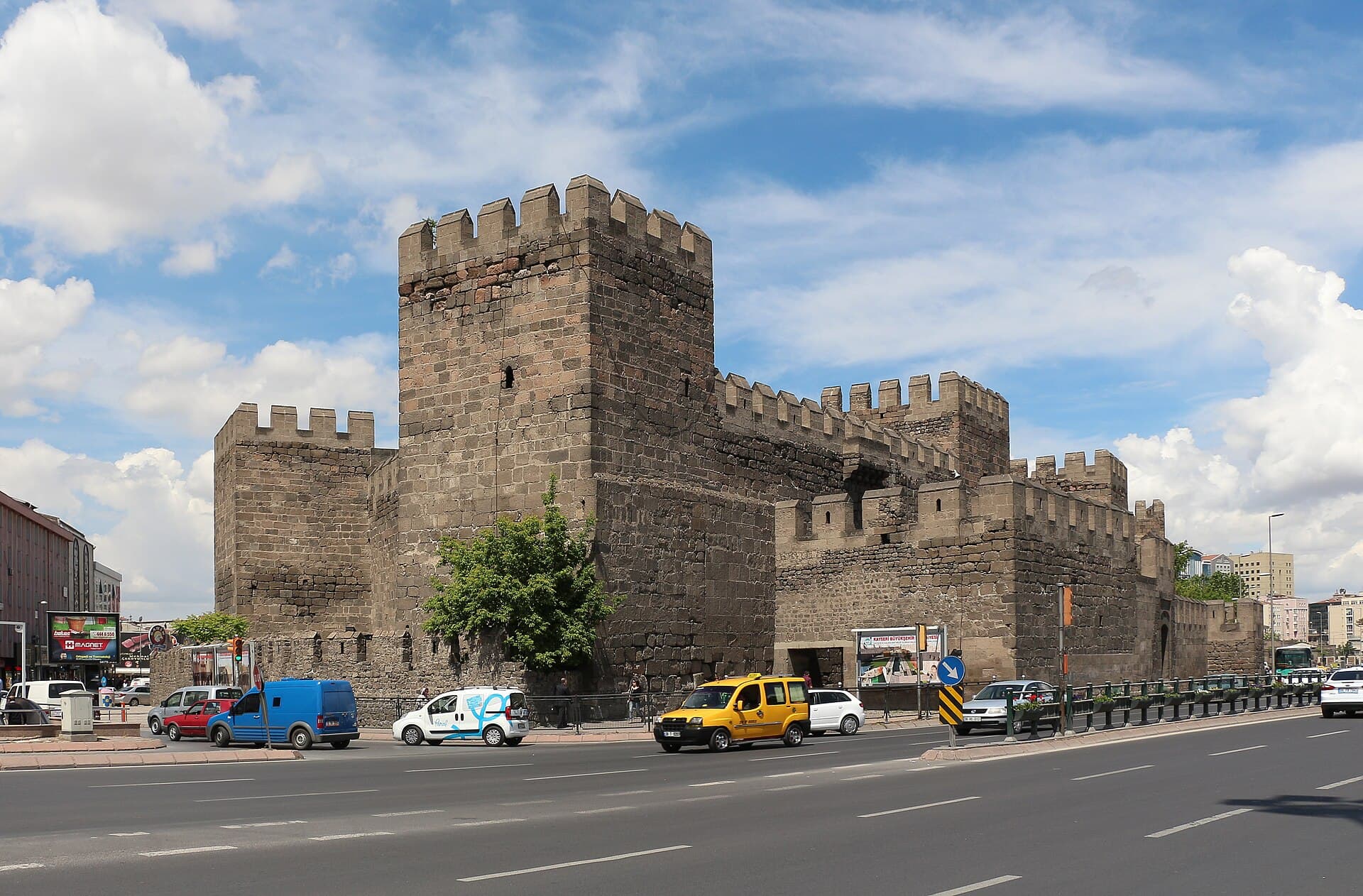 Kayseri CastleThe walls are black. That is the first thing about Kayseri Castle: eighteen rect1 minute walk
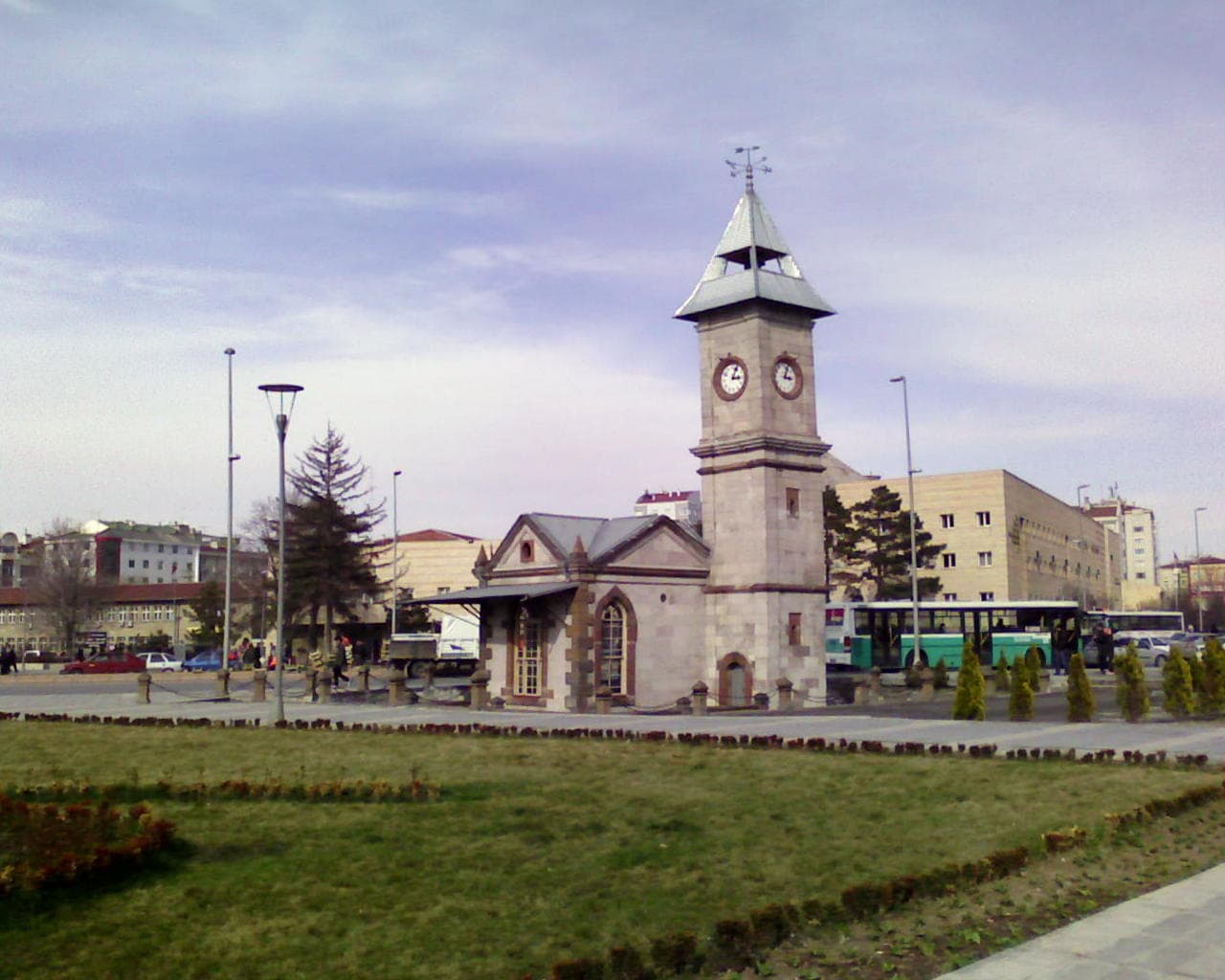 Kayseri Clock TowerA Leipzig-made clock has been striking the hours over this Anatolian square sinc2 minutes walk
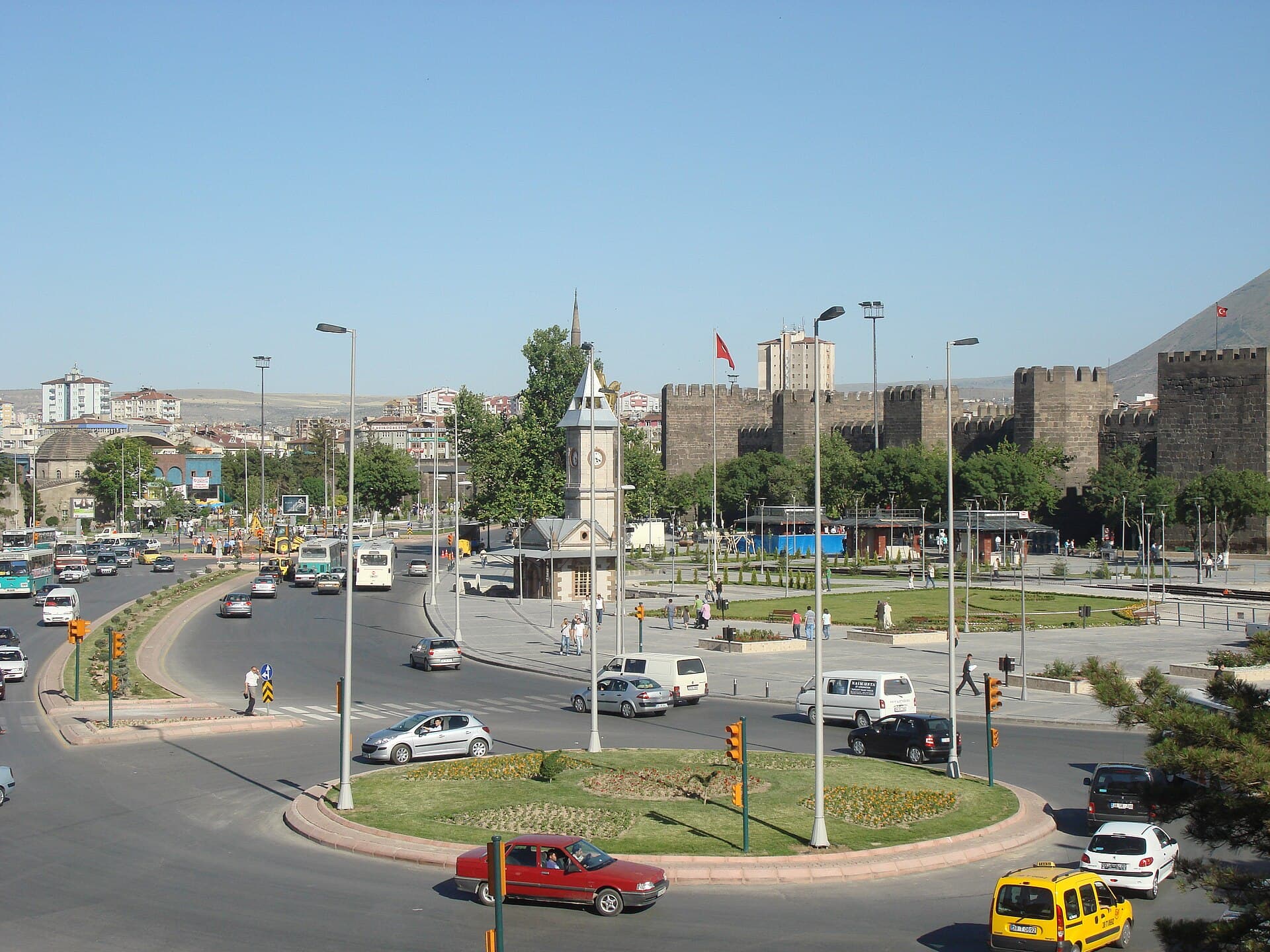 Republic Square (Cumhuriyet Meydanı), KayseriA third-century Roman fortress with black volcanic-stone walls sits in the middl2 minutes walk
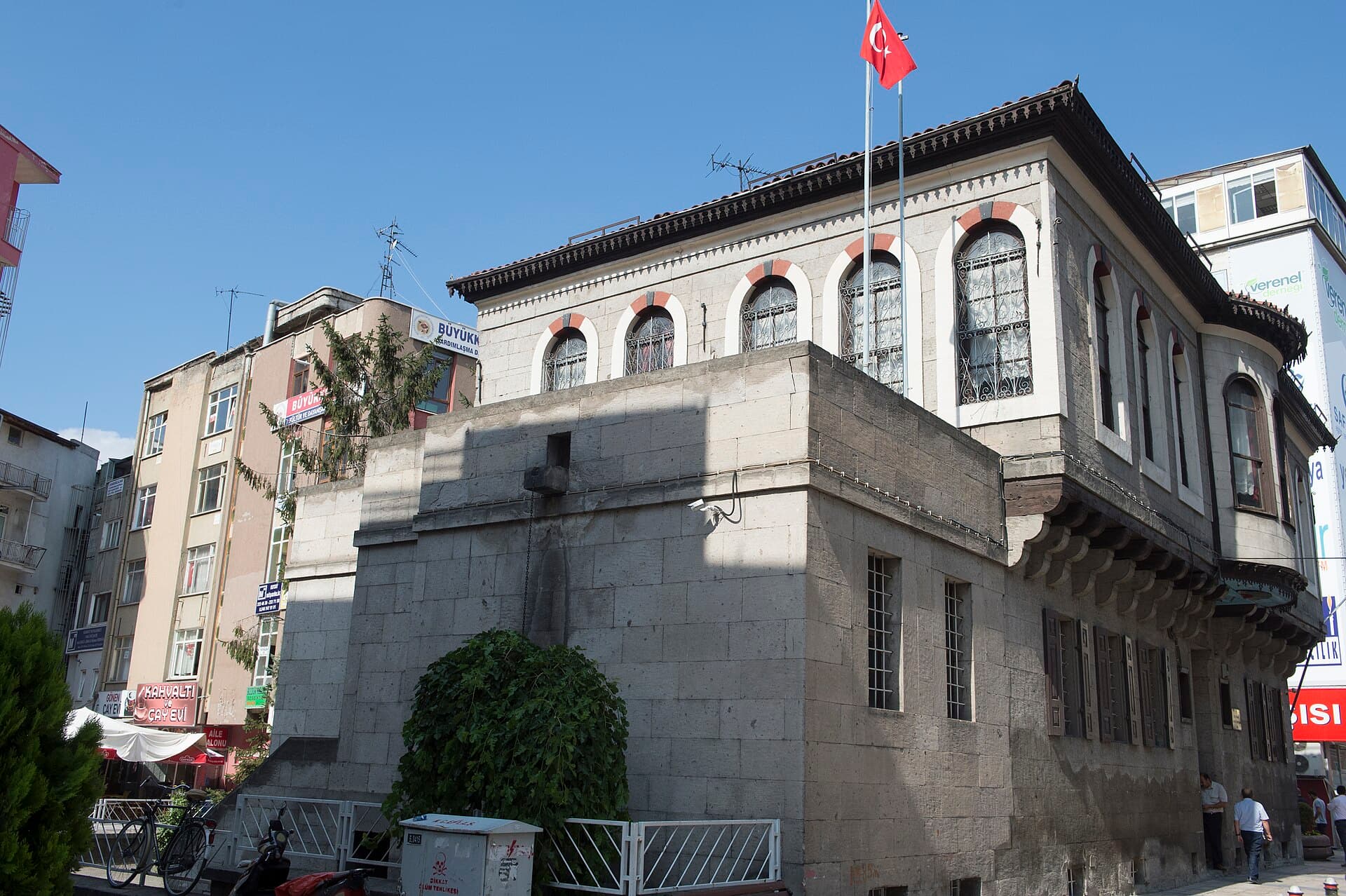 Atatürk House Museum, KayseriTwo nights were all it took. Mustafa Kemal slept here on 19 and 20 December 19193 minutes walk
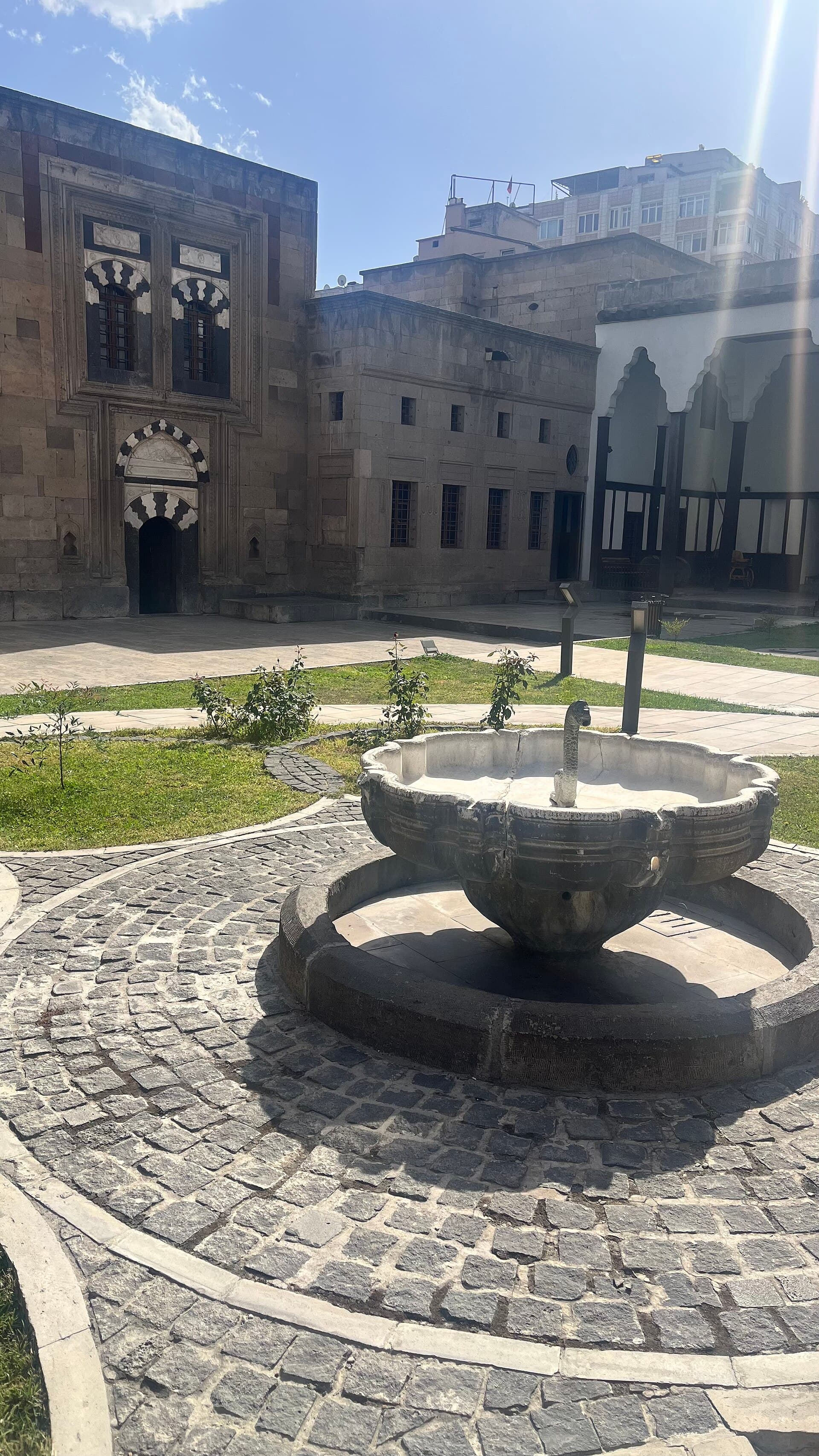 Güpgüpoğlu Mansion and Ethnography MuseumThe oldest house still standing in Kayseri went up between 1419 and 1497 in the 4 minutes walk
On its own, no. But if you are already in Kayseri for the airport, skiing on Erciyes or the bazaar, it is the best hour you can spend inside the walls, especially for the Kültepe tablets, which nothing in Cappadocia matches. From Ürgüp it is about an hour by car.
The building is pushchair-friendly and spacious, but most of the collection is small tablets, coins and pottery, so under-tens will fade after half an hour. Keep it short and let them have the castle walls and the square.