
The carved bay window
The best of the house is visible from the street: the timber bay with its carved decoration under the eaves and along the roofline.
Dosseman — CC BY-SA 4.0 · Dosseman — CC BY-SA 4.0 · Dosseman — CC BY-SA 4.0 · Dosseman — CC BY-SA 4.0
Two nights were all it took. Mustafa Kemal slept here on 19 and 20 December 1919, passing through from Sivas to Ankara, and that brief stay was enough to turn the İmamzade Raşit Ağa family mansion into a museum bearing his name. The pleasant irony is that the memorabilia is not the point; the house is. It is one of the better-preserved late-Ottoman Kayseri houses, a type the city has mostly lost: two storeys of cut stone and timber, a projecting bay window with carved wooden decoration under the eaves, and a south-facing entrance reached by two steps of dressed stone. The house was listed in 1976, passed to the Ministry of Culture in 1978, opened to visitors in 1983, was rearranged as a museum on 19 December 1998 and refreshed again in 2017. Inside are a bedroom downstairs and a study upstairs furnished in period style, further rooms of panels on Atatürk's life and his five visits to Kayseri between 1919 and 1934, and a short film. The collection is thin and the labelling Turkish-first, so do not expect an hour's absorption. Twenty minutes is plenty, and most of it will go on the timber ceilings and window frames rather than the display cases. Admission is free, no booking is needed, and it opens 08:30 to 17:30 with Monday the closing day. Location is its real strength. It sits in the old quarter below Kayseri Castle, on Tennuri Sokak near the tomb of Şeyh İbrahim Tennuri, a few minutes' walk from the Güpgüpoğlu Mansion that houses the Ethnography Museum and from the covered bazaar. Treat it as a short stop on a walking loop from the castle to the bazaar, not as a destination in itself. For families: two floors joined by a narrow wooden staircase and no lift, so the pushchair waits at the door. It is quiet and often nearly empty, which in August heat makes it a welcome shaded pause between stops. In winter Kayseri gets serious snow and the stone lanes around the castle turn slippery; mind your footing if you come during the Erciyes ski season.
The best of the house is visible from the street: the timber bay with its carved decoration under the eaves and along the roofline.
A bedroom downstairs and a study upstairs furnished in period style give a glimpse of how a prosperous Kayseri family lived in a stone-and-timber house.
The museum is one stop on a walk linking the castle, the Güpgüpoğlu Mansion and the covered bazaar in under an hour.
Tennuri Sokak No. 43, Cumhuriyet Mahallesi, Melikgazi, Kayseri
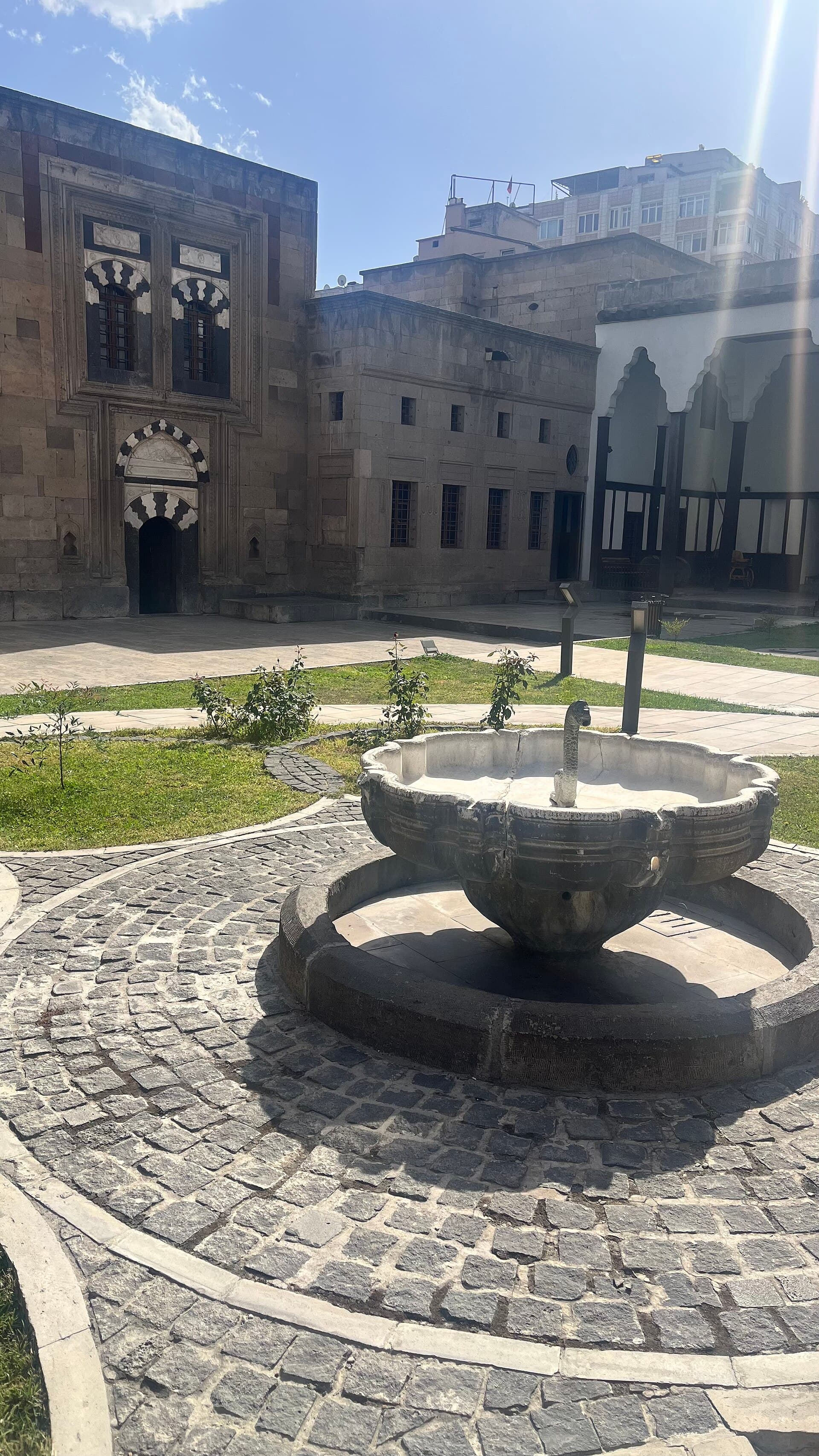 Güpgüpoğlu Mansion and Ethnography MuseumThe oldest house still standing in Kayseri went up between 1419 and 1497 in the 1 minute walk
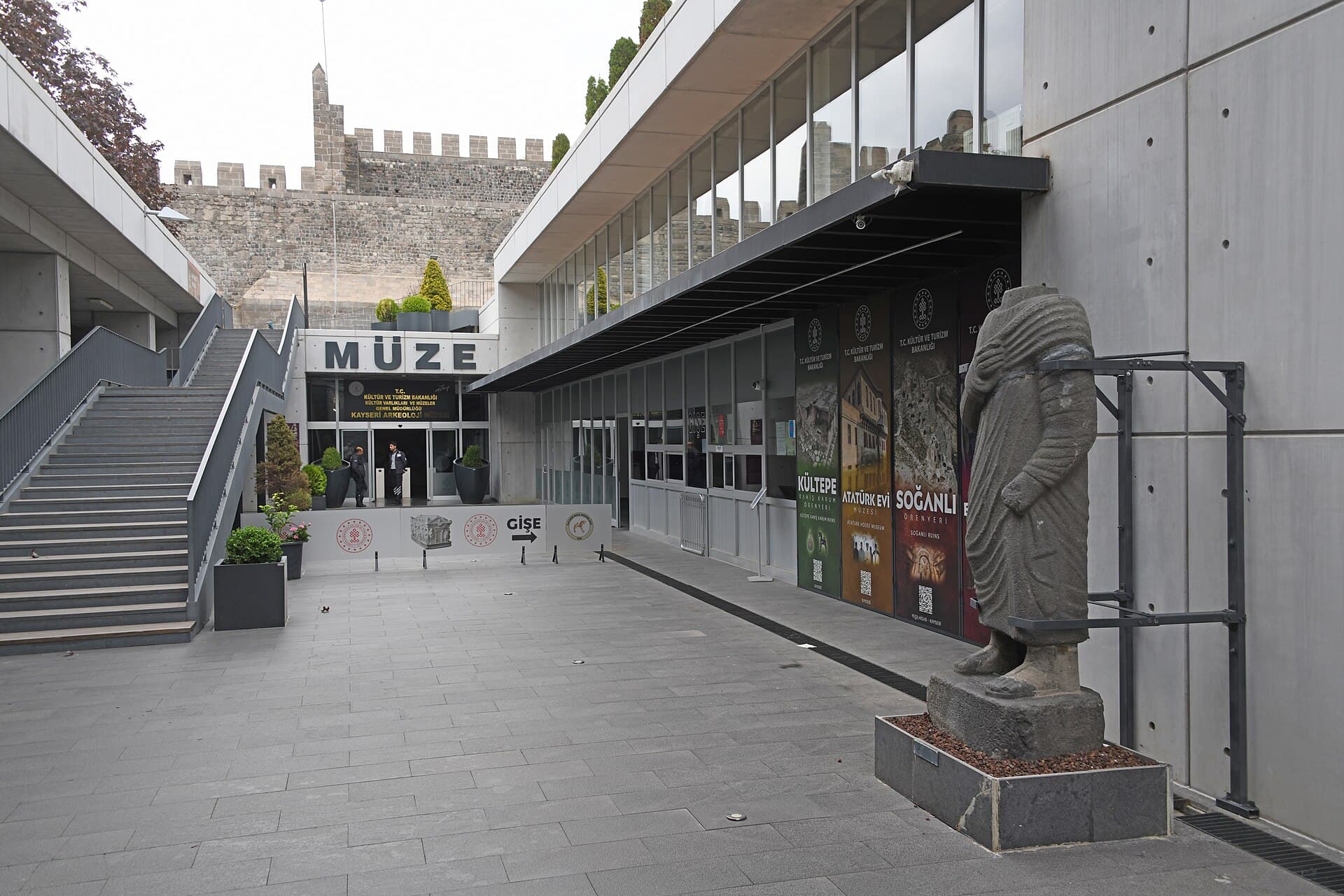 Kayseri Archaeology MuseumFour thousand years ago Assyrian merchants were writing their letters and contra3 minutes walk
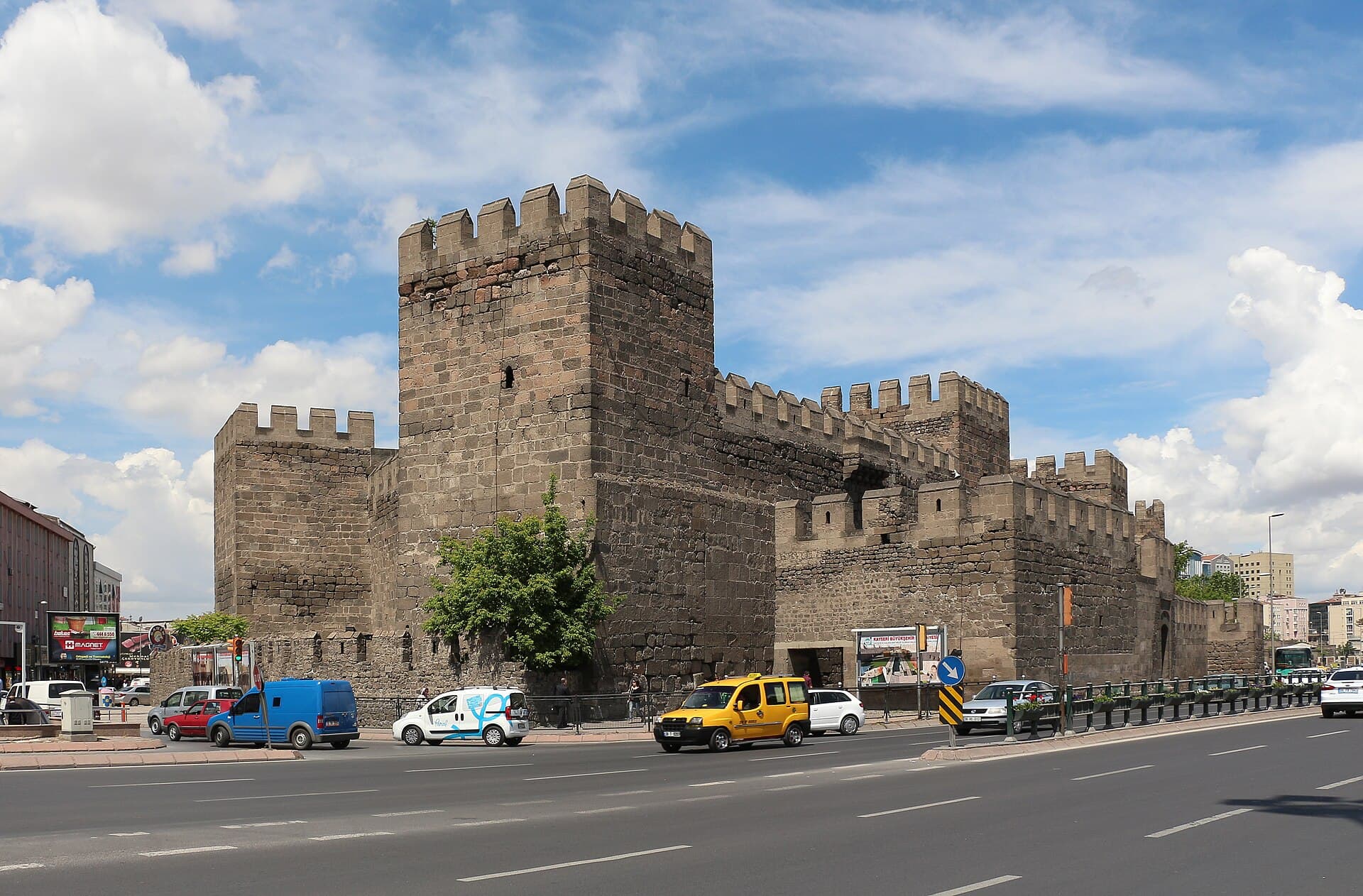 Kayseri CastleThe walls are black. That is the first thing about Kayseri Castle: eighteen rect3 minutes walk
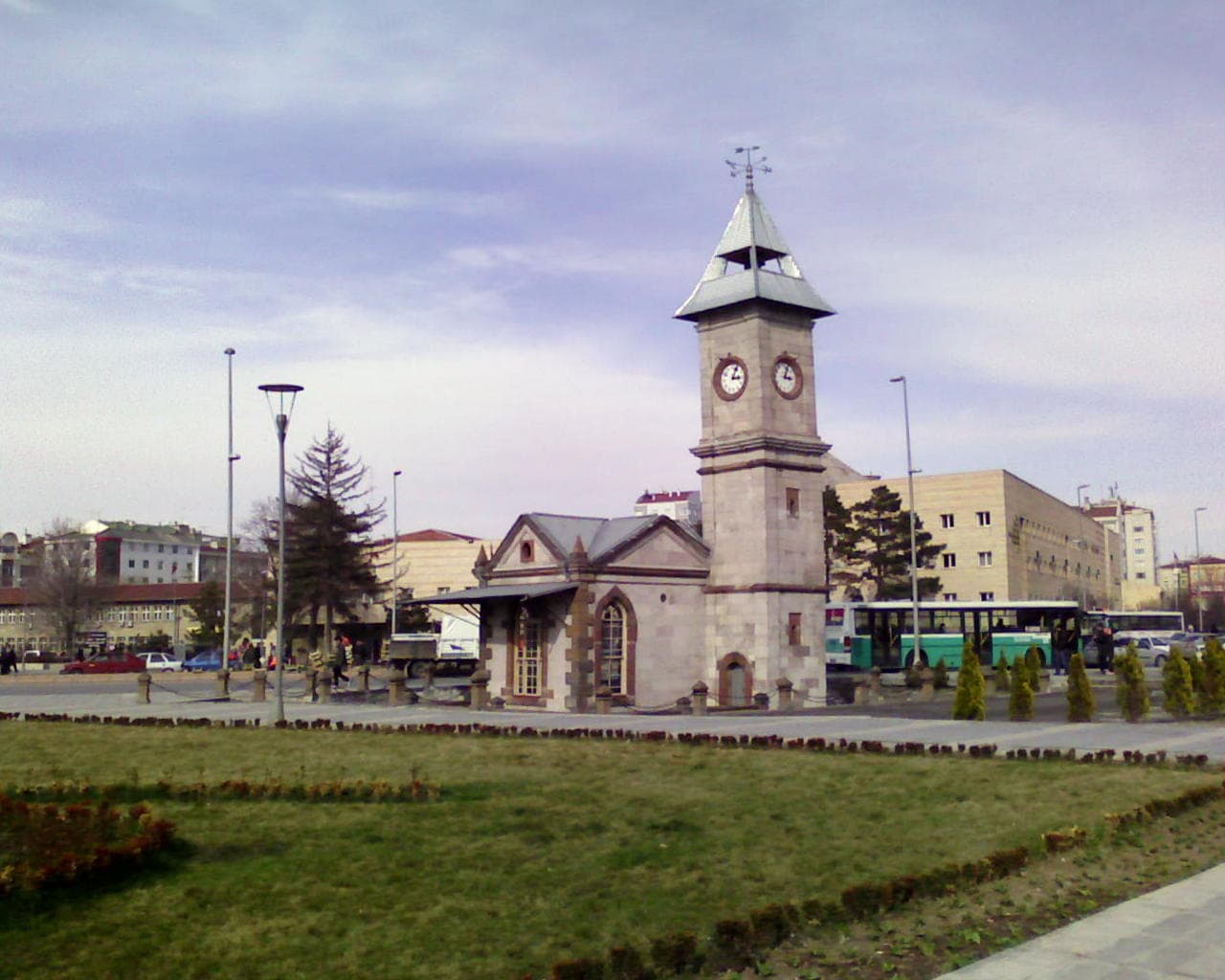 Kayseri Clock TowerA Leipzig-made clock has been striking the hours over this Anatolian square sinc5 minutes walk
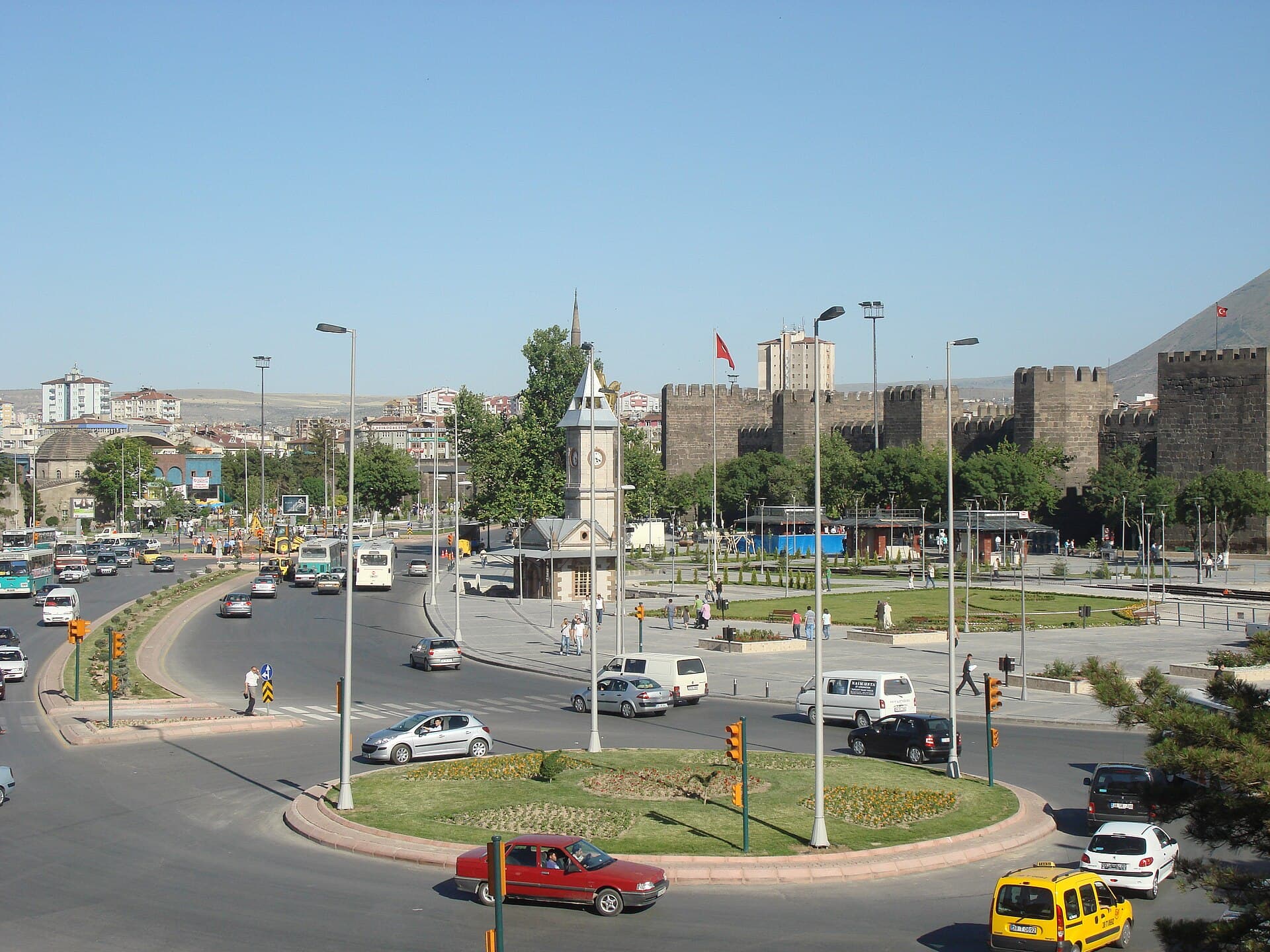 Republic Square (Cumhuriyet Meydanı), KayseriA third-century Roman fortress with black volcanic-stone walls sits in the middl5 minutes walk
If time is short, the Güpgüpoğlu Mansion is larger, richer in exhibits and the one to prioritise. The Atatürk House is free and a few minutes away, so drop in for twenty minutes if you pass it, but do not rearrange your day for it.