
Kayseri Castle
Black volcanic-stone walls begun by the Romans in the third century and repaired by the Seljuks in 1224, free to walk into and explore.
A third-century Roman fortress with black volcanic-stone walls sits in the middle of a tram interchange, and on a clear day the near-3,900-metre volcano Erciyes fills the sky behind it. That is Cumhuriyet Meydanı, and there is no better spot in Kayseri to grasp how the city was built in layers: the Romans raised the castle under Gordian III, Justinian tightened its walls, the Seljuks repaired it in 1224 under Alaeddin Keykubad, and the Ottomans added a clock tower in 1906 with a mechanism shipped from Leipzig. The square is not a sight with a ticket; it is the hub the sights are arranged around. The castle takes the southern edge, eighteen towers and a moat now filled and turfed, and you can walk in through the main gate to wander the interior that served as a vegetable market in the 1950s and a warren of small shops before restoration. Beside it stands the square stone clock tower with its four faces, then the Sahabiye Madrasa, commissioned by the Seljuk vizier Sahib Ata Fahreddin Ali in 1267, whose muqarnas-carved portal is the thing to look at; its arcades now house small shops and booksellers. Across the way are the Bürüngüz and Kurşunlu mosques, two Atatürk monuments and the governor's office. A few minutes north is the Çifte Medrese, a hospital built by Sultan Keyhüsrev I between 1204 and 1206 at the bequest of his sister Gevher Nesibe, with a medical school added beside it by about 1210, one of the earliest places to combine medical teaching and treatment under one roof; it now holds the metropolitan municipality's Seljuk Civilization Museum. East of the square a short walk brings you to the Hunat Hatun complex, while the covered bazaar lies behind the castle to the south-west. Practically: the square is dead flat and pushchair-friendly, and the Kayseray tram lines meet here, so it is the easiest point in the city to reach from any hotel. Kayseri sits at around 1,050 metres, so August heat is dry and more bearable than on the coast, but the open centre of the square offers little shade; go in the morning or late afternoon. In winter it is under snow, the floodlit castle looks its best after dark, and the city doubles as the base for skiing on Erciyes. Give the square half an hour to get your bearings, then spend your real time on the monuments around it.
Black volcanic-stone walls begun by the Romans in the third century and repaired by the Seljuks in 1224, free to walk into and explore.
An Ottoman tower of 1906 with a Leipzig mechanism a few steps from a carved Seljuk portal of 1267.
On clear days the near-3,900-metre volcano rises above the castle walls, a backdrop few Turkish city squares can match.
Cumhuriyet Meydanı, Camiikebir Mah., Melikgazi, Kayseri
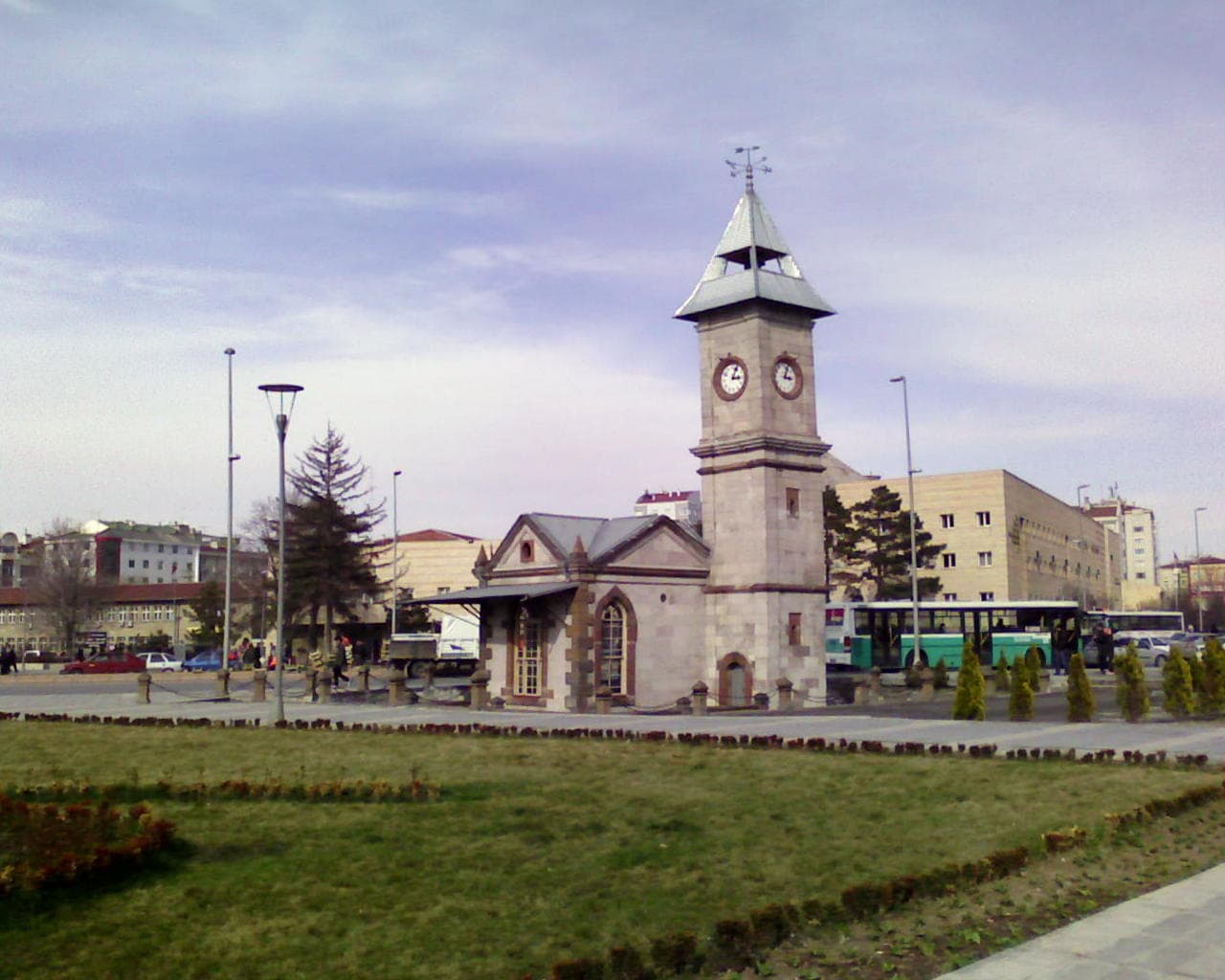 Kayseri Clock TowerA Leipzig-made clock has been striking the hours over this Anatolian square sinc1 minute walk
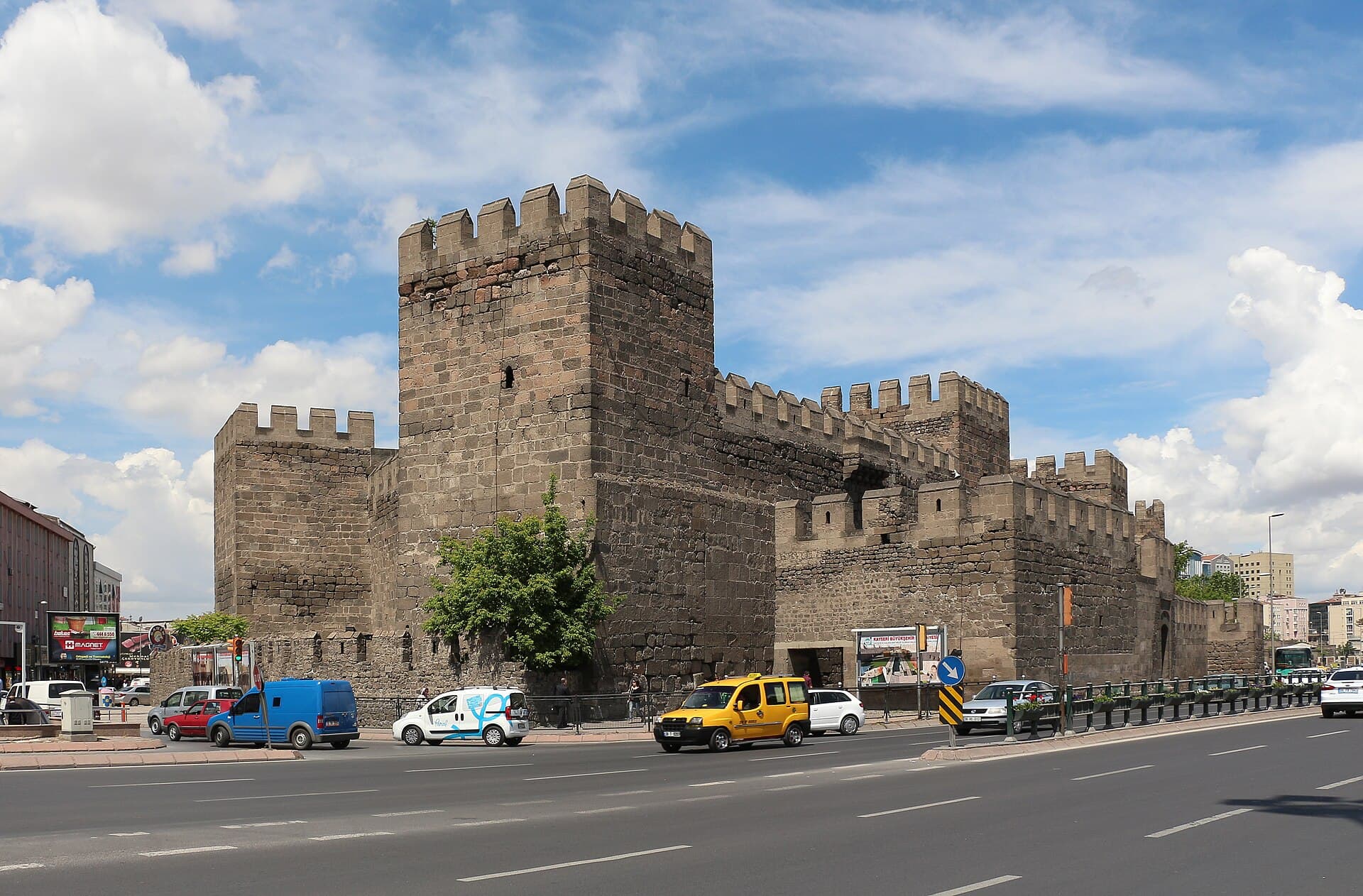 Kayseri CastleThe walls are black. That is the first thing about Kayseri Castle: eighteen rect2 minutes walk
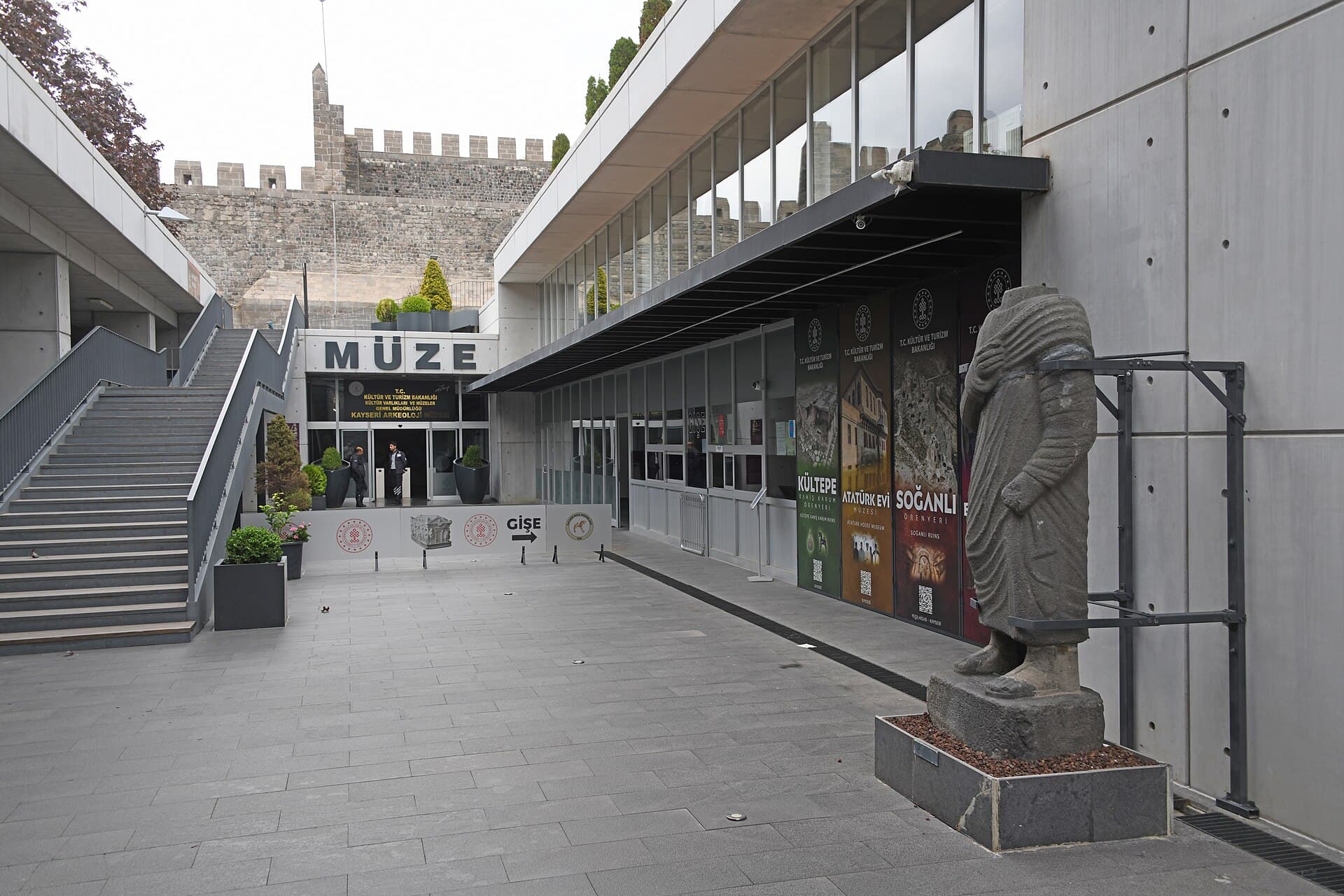 Kayseri Archaeology MuseumFour thousand years ago Assyrian merchants were writing their letters and contra2 minutes walk
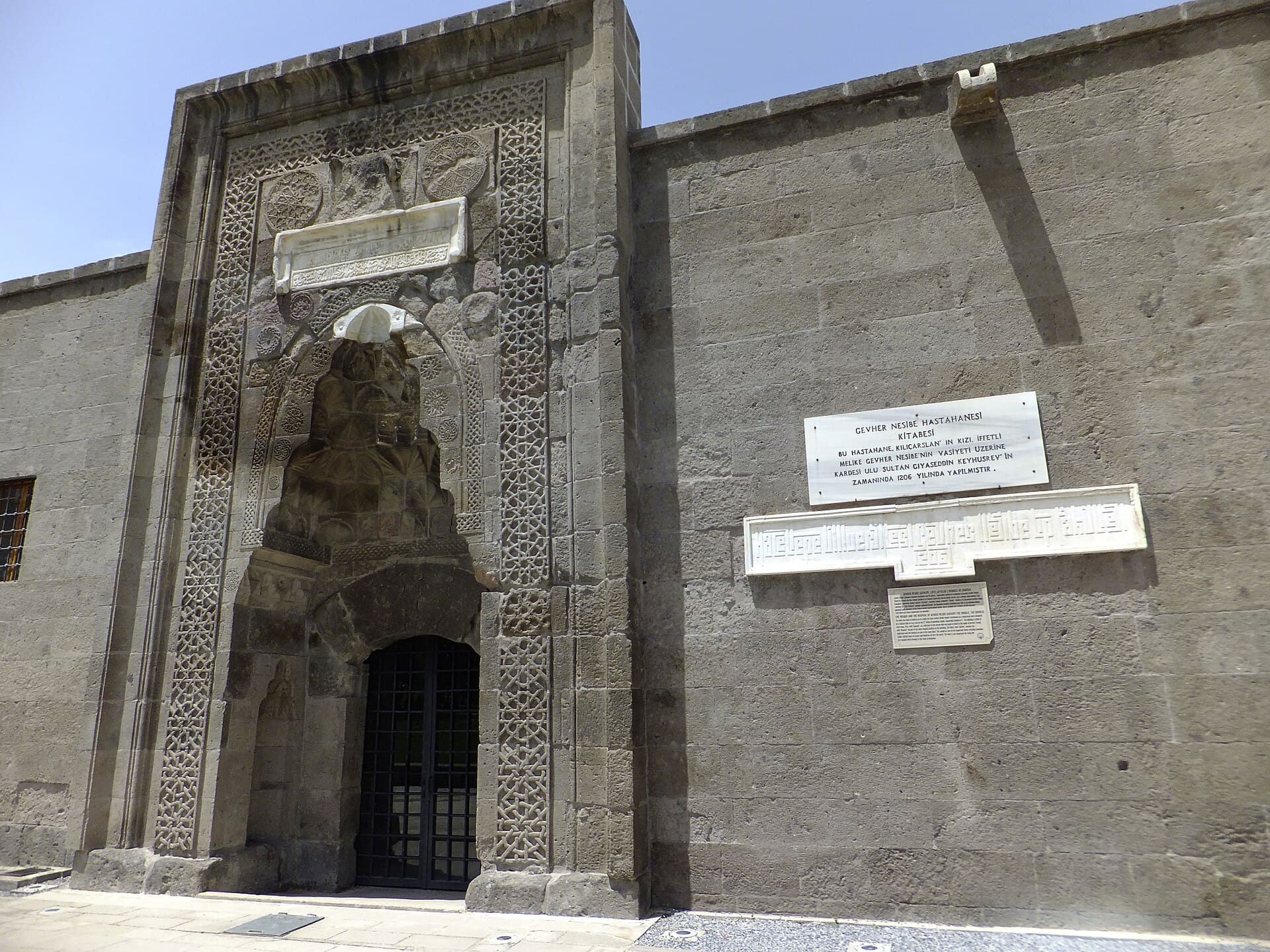 Seljuk Civilization Museum (Çifte Medrese)Before it was a museum, this was a hospital and a medical school working side by5 minutes walk
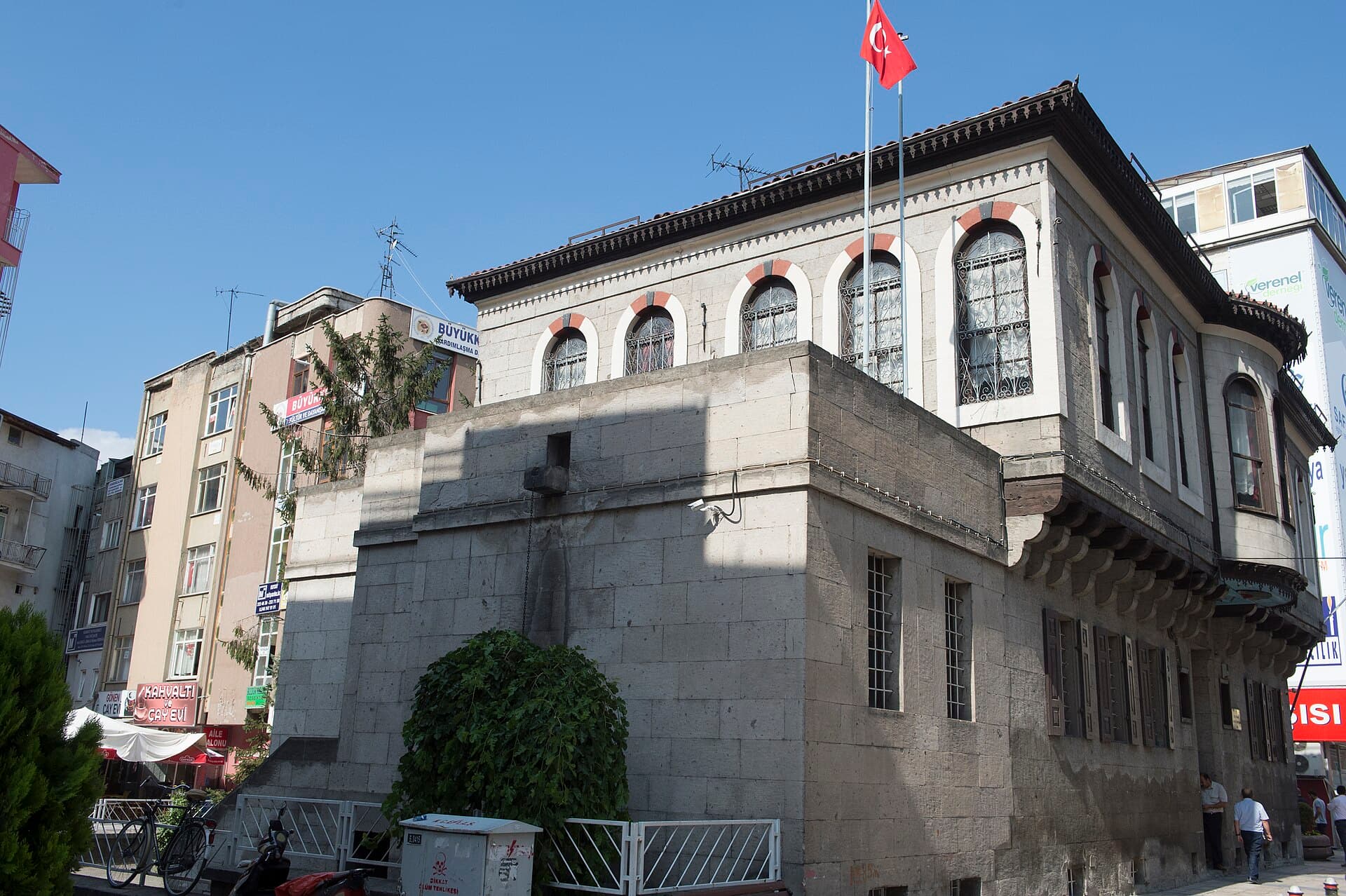 Atatürk House Museum, KayseriTwo nights were all it took. Mustafa Kemal slept here on 19 and 20 December 19195 minutes walk
If time is tight, Cappadocia wins. But half a day around this square covers the castle, the Çifte Medrese, Hunat Hatun and the covered bazaar on foot, which is all a first visit to Kayseri needs. Anyone skiing Erciyes in winter passes through anyway.
Yes, it is completely flat with no stairs, and the castle is entered through a ground-level gate. The only issue is a lack of shade at midday in summer, so go in the morning or late afternoon.