
Running since 1906
A Leipzig-built mechanism still drives all four dials more than a century on.
KediÇobanı — CC BY-SA 4.0 · Bernard Gagnon — CC BY-SA 3.0 · Dosseman — CC BY-SA 4.0 · tahirboztepe — CC BY 3.0
A Leipzig-made clock has been striking the hours over this Anatolian square since 1906, and it still keeps time. The Kayseri Clock Tower is a slim shaft of cut stone roughly 15 metres tall in the middle of Cumhuriyet Square, raised on the orders of Sultan Abdülhamid II during his push to put public clock towers in towns across the Ottoman provinces, built under the local master builder Salih Usta of Tavlusun and paid for out of the provincial treasury under governor Haydar Bey. Four dials face the four directions, a zinc roof carries a weather vane, and a spiral stair inside goes unused by visitors today. What lifts it above the average clock is what happened around it. After the Sivas Congress of 1919 the Kayseri branch of the Defence of Rights Society set up inside the tower, so this modest stone column had a small part in the Turkish War of Independence. Beside it stands a low, barrel-vaulted rectangle, the muvakkithane, the room where the town timekeeper worked out prayer times by astronomical calculation before European clockwork made him redundant. The dedication plaque composed by the poet Ahmet Remzi Dede is no longer on the building. Be clear about what this is: a photo stop, not a destination. There is no entrance, no ticket and no opening time; you look at it from outside whenever you happen to pass, and ten minutes is generous. Its real value is the company it keeps. The black basalt walls of Kayseri Castle are a few steps away, the Seljuk Sahabiye Madrasa sits across the square and the covered bazaar lies just behind. Make the square your starting point for the old town and the tower takes care of itself. The square is flat and pushchair-friendly, and evenings are the nicer time: tower and castle are both lit and local families fill the space. In July and August the plateau sun is fierce at midday; in winter the square is under snow and well below freezing, but the shot of the tower with snow-capped Mount Erciyes behind it is worth a few cold minutes.
A Leipzig-built mechanism still drives all four dials more than a century on.
After the 1919 Sivas Congress the Kayseri Defence of Rights Society made the tower its base.
A small vaulted room where prayer times were once fixed by astronomical calculation.
Cumhuriyet Meydanı, Melikgazi, Kayseri
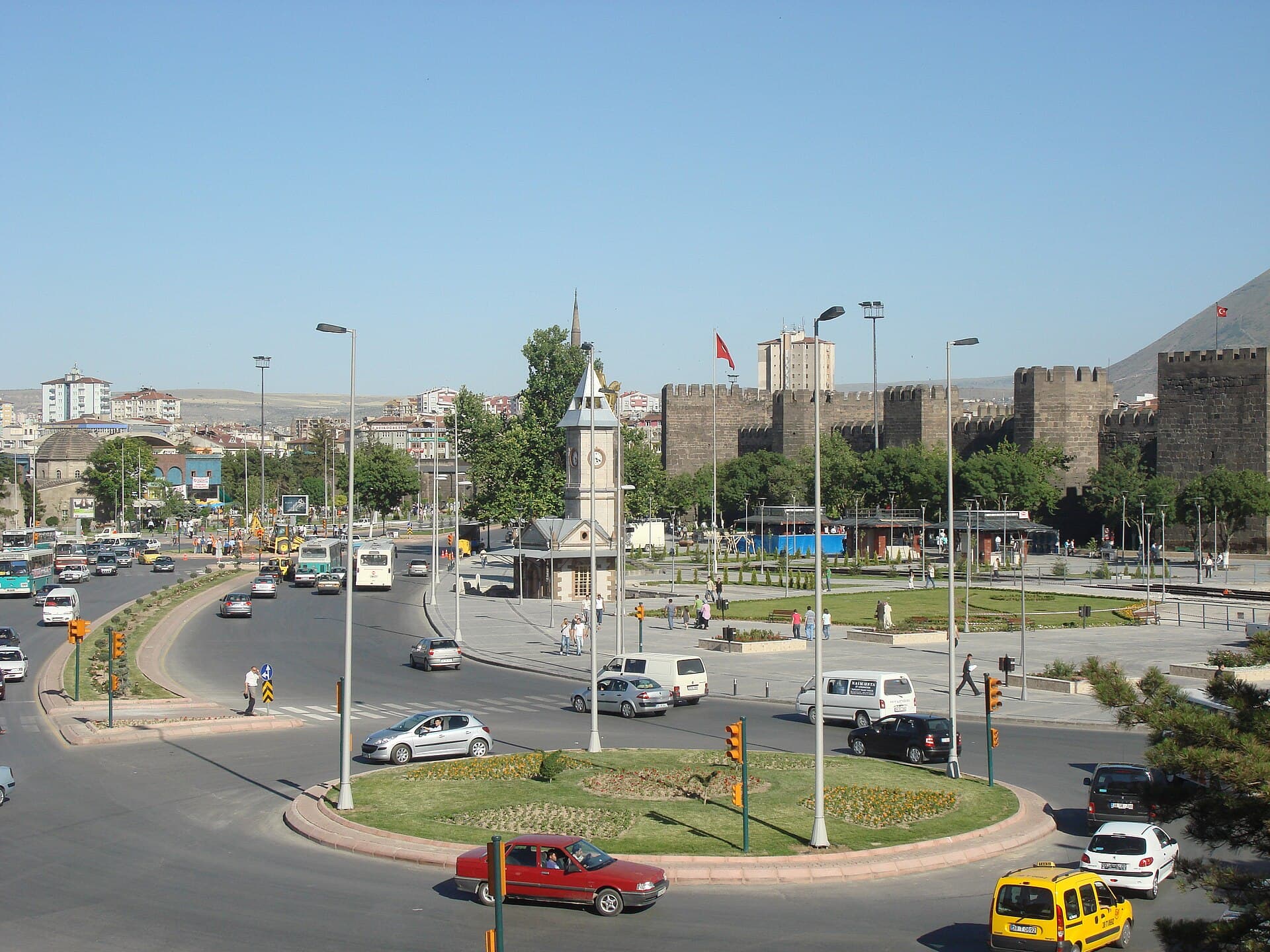 Republic Square (Cumhuriyet Meydanı), KayseriA third-century Roman fortress with black volcanic-stone walls sits in the middl1 minute walk
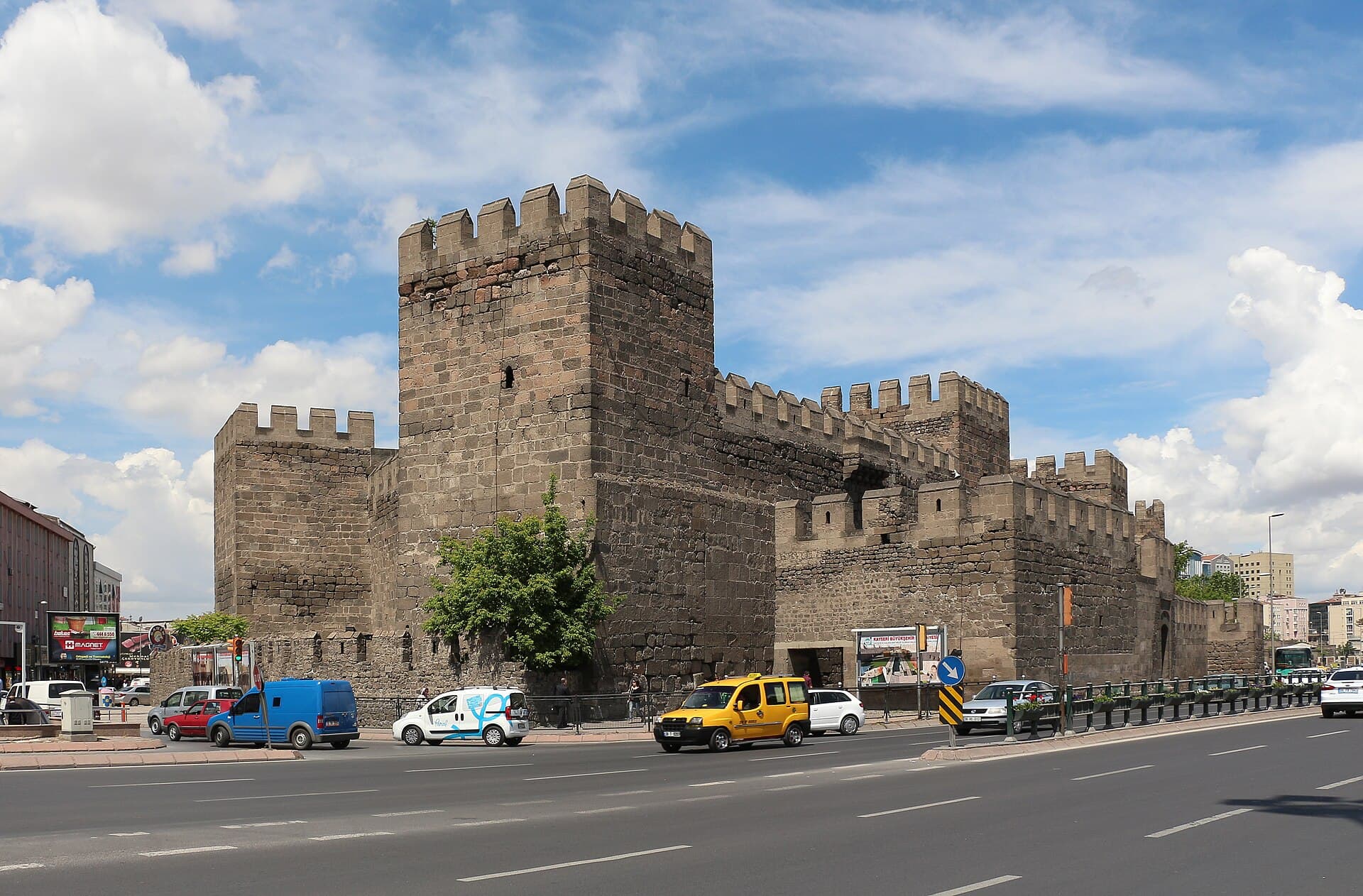 Kayseri CastleThe walls are black. That is the first thing about Kayseri Castle: eighteen rect2 minutes walk
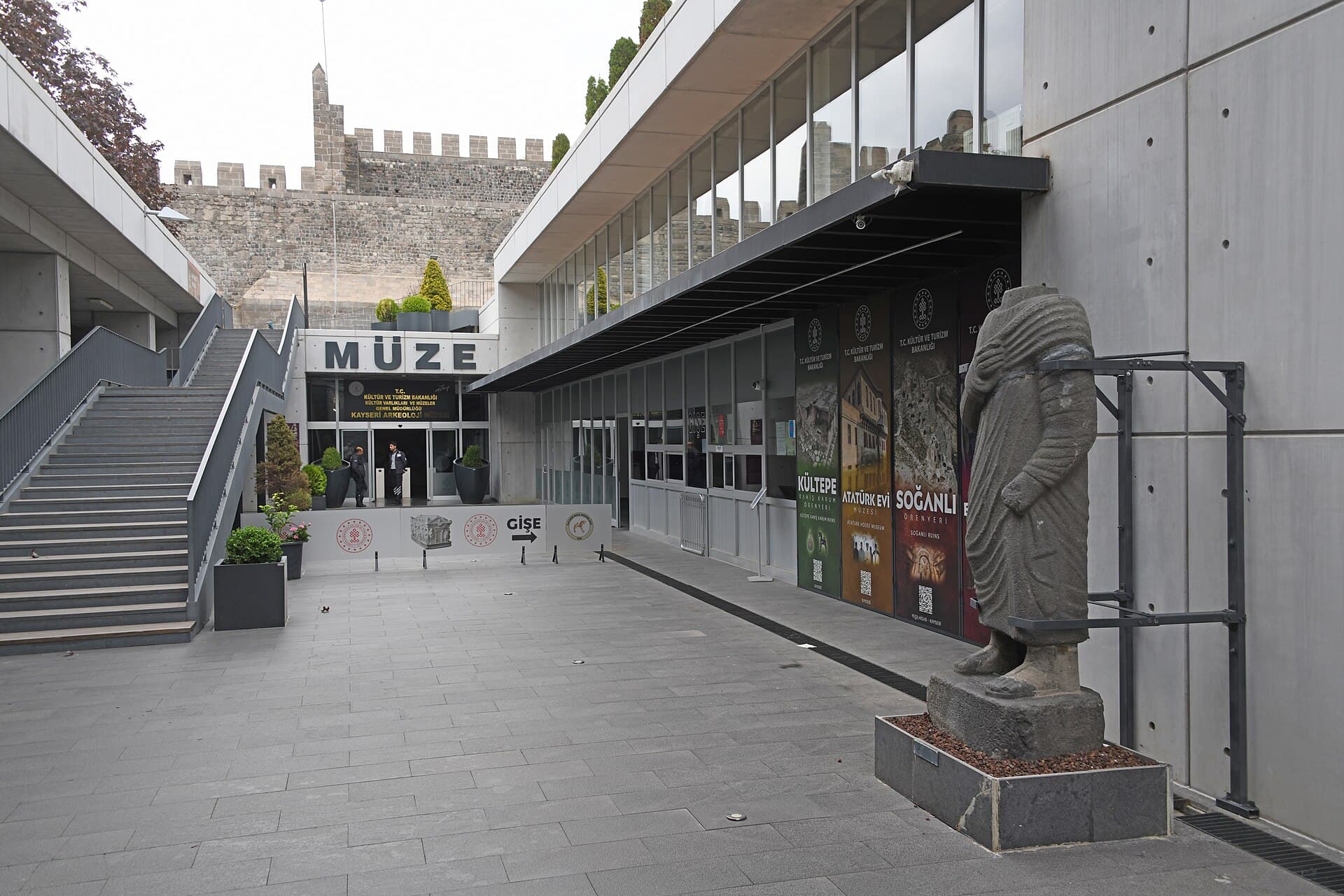 Kayseri Archaeology MuseumFour thousand years ago Assyrian merchants were writing their letters and contra2 minutes walk
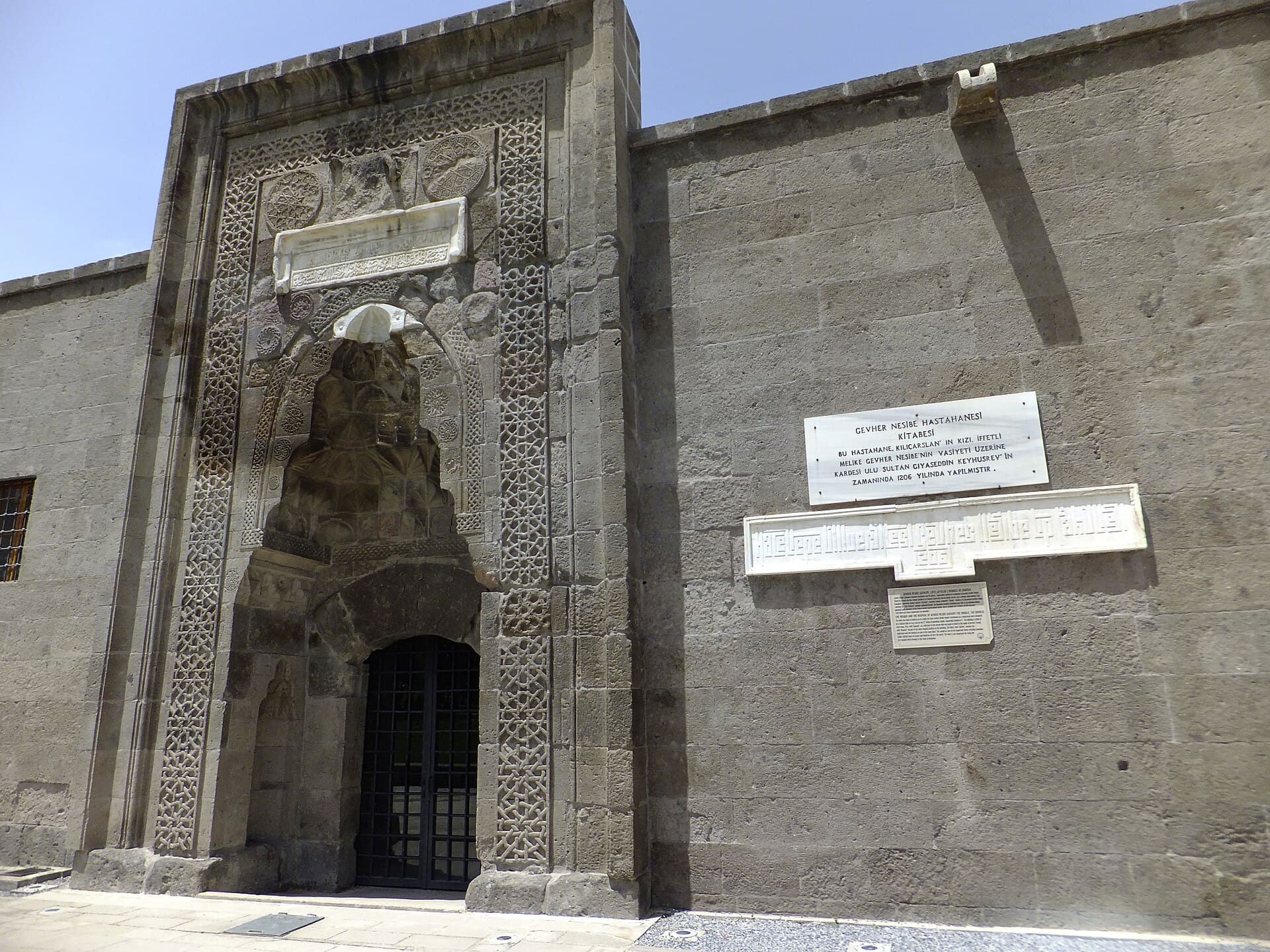 Seljuk Civilization Museum (Çifte Medrese)Before it was a museum, this was a hospital and a medical school working side by5 minutes walk
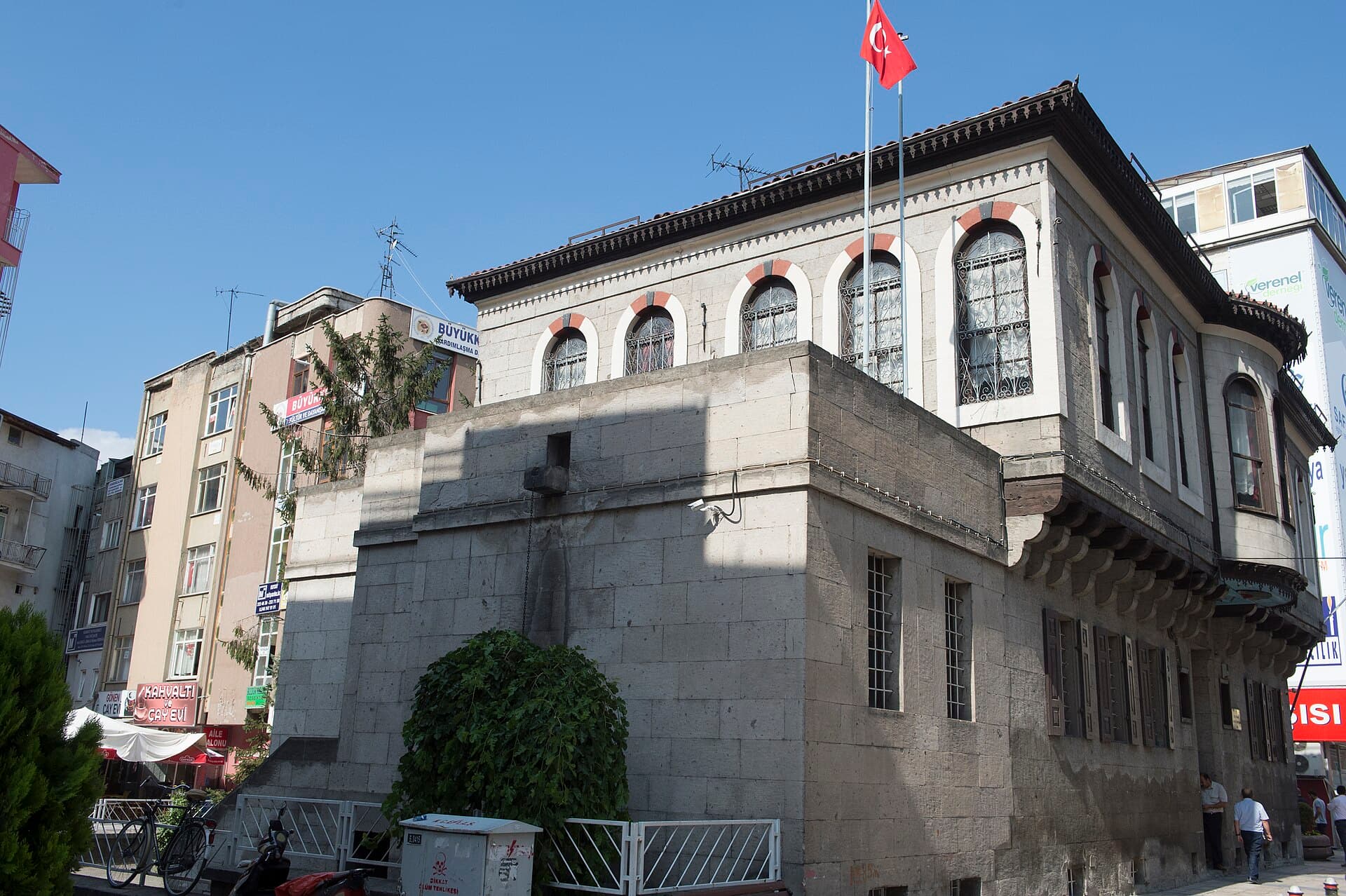 Atatürk House Museum, KayseriTwo nights were all it took. Mustafa Kemal slept here on 19 and 20 December 19195 minutes walk
Not on its own; it is a few minutes of photos and you cannot go inside. But it stands in the same square between the castle and the Sahabiye Madrasa, so you will pass it anyway moving between them, and evening gives the better picture when tower and castle are both lit.