
The Hercules sarcophagus
A third-century marble sarcophagus carved with the Twelve Labours, turned up by a farmer's plough in 1958 and the one piece the museum is built around.
Murat Özsoy 1958 — CC BY-SA 4.0 · Dosseman — CC BY-SA 4.0 · Murat Özsoy 1958 — CC BY-SA 4.0 · Murat Özsoy 1958 — CC BY-SA 4.0
In the summer of 1958 a farmer ploughing his field at Yunuslar, out on the Beyşehir road, struck marble. What came out of the soil was a Roman sarcophagus with the Twelve Labours of Hercules carved around all four sides in relief so deep the figures almost step off the stone. It was brought to Konya that July, and it is still the object this whole museum is arranged around: a Sidamara-type sarcophagus of roughly 220-260 AD, two and a half metres long and 1.7 metres high, with two intact skeletons, a man and a woman, found inside. If you walked in for that alone you would have had your money's worth, except that it costs nothing. The museum is one of Anatolia's oldest, founded at the turn of the twentieth century (1899-1901) in a corner of a secondary school, then shuffled between the Mevlana complex and the İplikçi Mosque before settling in 1962 into its present building on Sahip Ata Caddesi, a few steps from the Sahip Ata mosque and dervish lodge. Around the big sarcophagus stand five more Roman marble ones, a six-metre Byzantine floor mosaic lifted from a church at Tatköy, Roman glass and bronze figurines, and obsidian arrowheads and pottery from Çatalhöyük, one of the oldest towns on earth, fifty kilometres south-east of the city. The garden and portico hold some 240 Greek and Latin inscriptions gathered from the towns St Paul passed through: Iconium, Lystra and Derbe. Know what you are getting. The galleries are small and the displays old-fashioned: glass cases, labels mostly in Turkish, none of the interactive kit you may know from Istanbul. Entry is free and half an hour to an hour is plenty. The main rooms have few steps and a pushchair gets through, but children will fade after the sarcophagus and the stone garden unless you tell them the story of Hercules, the lion and the monsters. It works best as a short stop before or after Çatalhöyük itself, where the site is earthen mounds under a shelter roof and the real finds are the ones you see here. The museum sits a little over a kilometre south-west of the Mevlana Museum, a few minutes by car or a quarter-hour's walk in mild weather, and closes on Mondays. If you are in Konya for Rumi and nothing else, you can skip it with a clear conscience; if the ancient world is your thing, you get a sarcophagus that holds its own against anything in Istanbul or Antalya, with no queue.
A third-century marble sarcophagus carved with the Twelve Labours, turned up by a farmer's plough in 1958 and the one piece the museum is built around.
Pottery and obsidian arrowheads from a nine-thousand-year-old town 50 km away, worth seeing here before you visit its earthen mounds.
Some 240 Greek and Latin inscriptions in the garden and portico, gathered from Iconium, Lystra and Derbe on St Paul's route.
Sahip Ata Caddesi No. 91, Sahip Ata Mahallesi, Meram, Konya
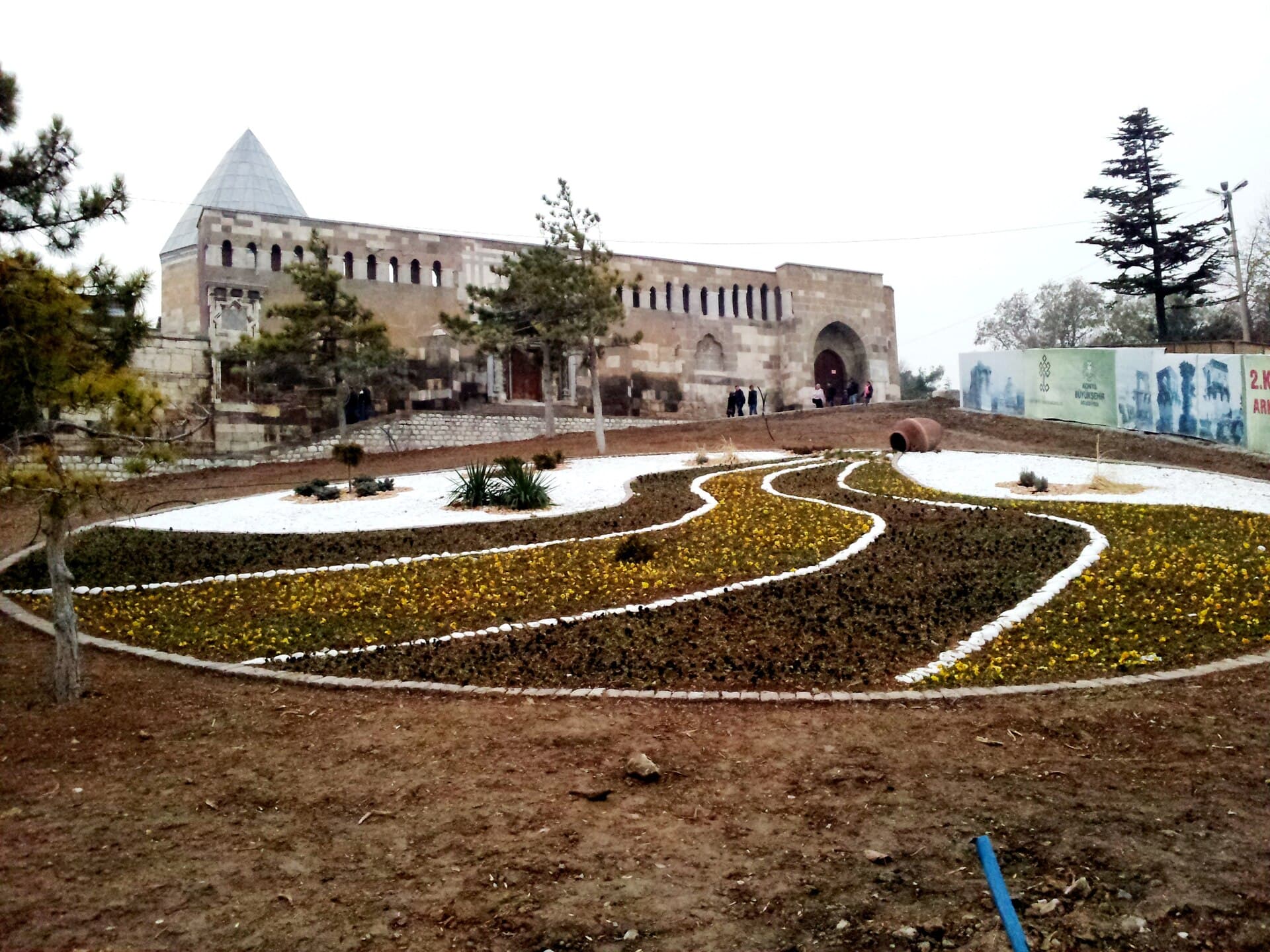 Alaaddin HillKonya's tram loops around a hill, and the hill is not really a hill at all: it i7 min walk4.3
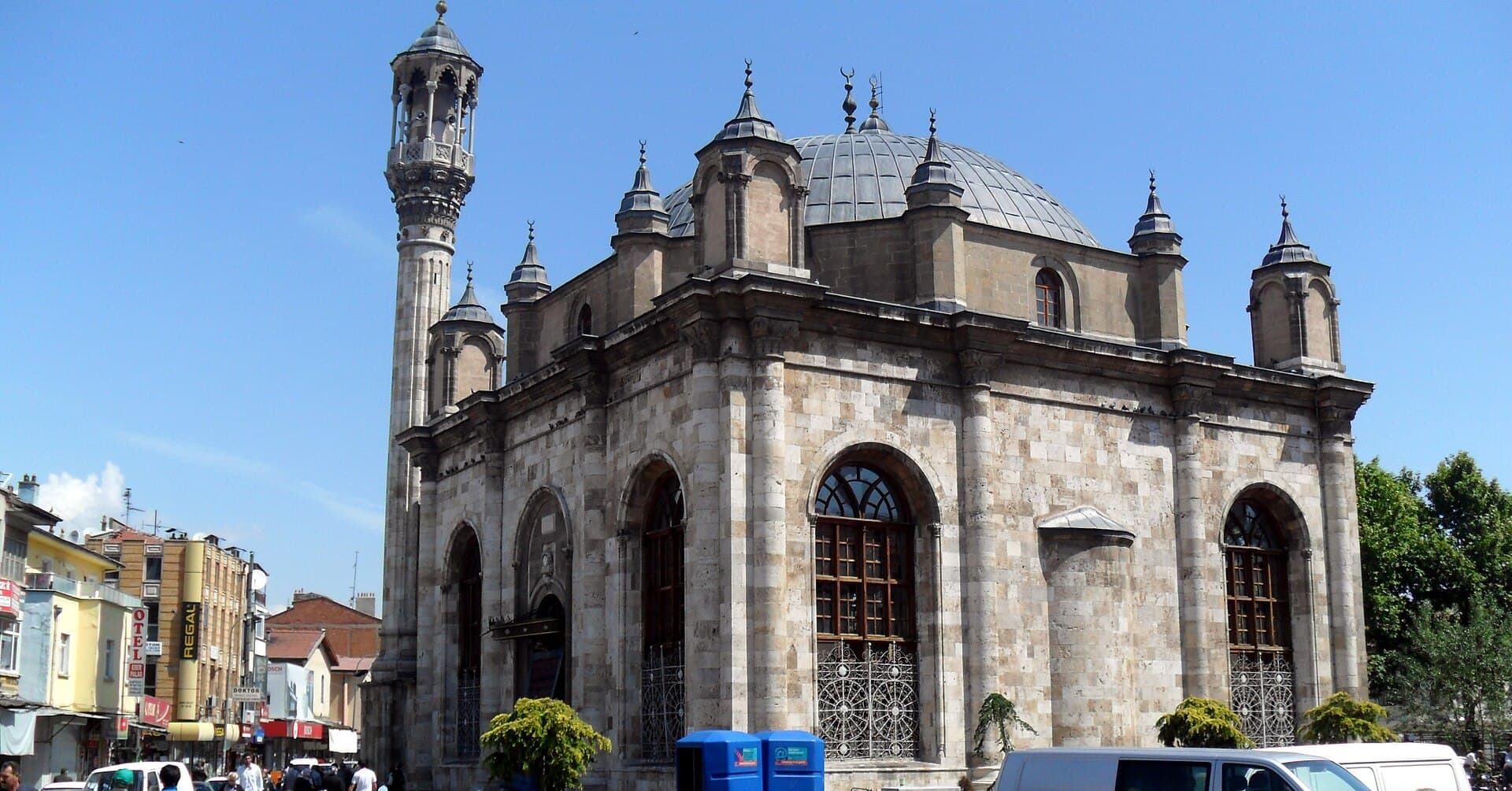 Aziziye MosqueTwo minarets that end in open balconies carried on slender columns, more palace 8 min walk4.8
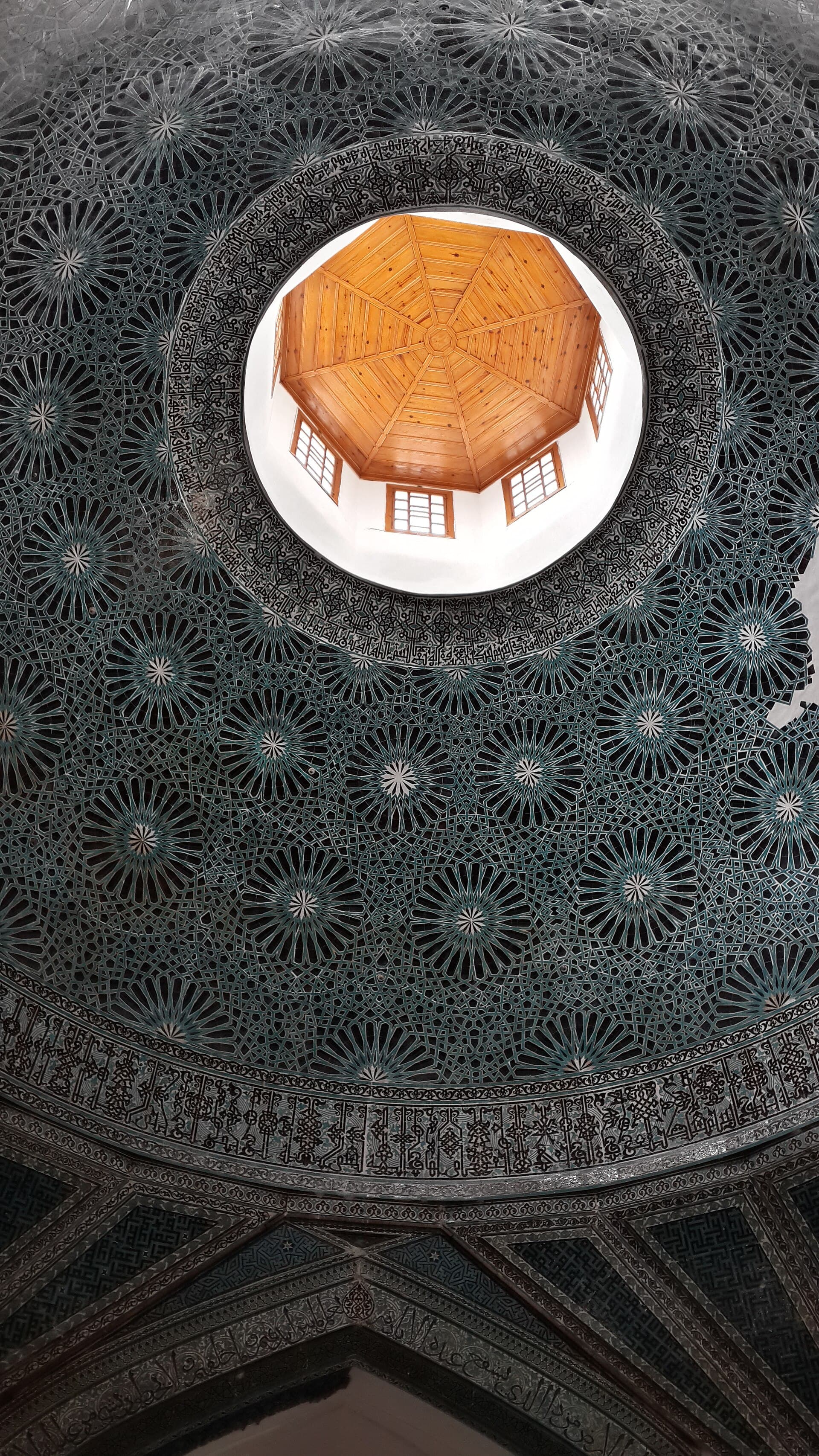 Karatay MadrasaLook up the moment you step into the main hall, because the dome is the whole po10 min walk4.5
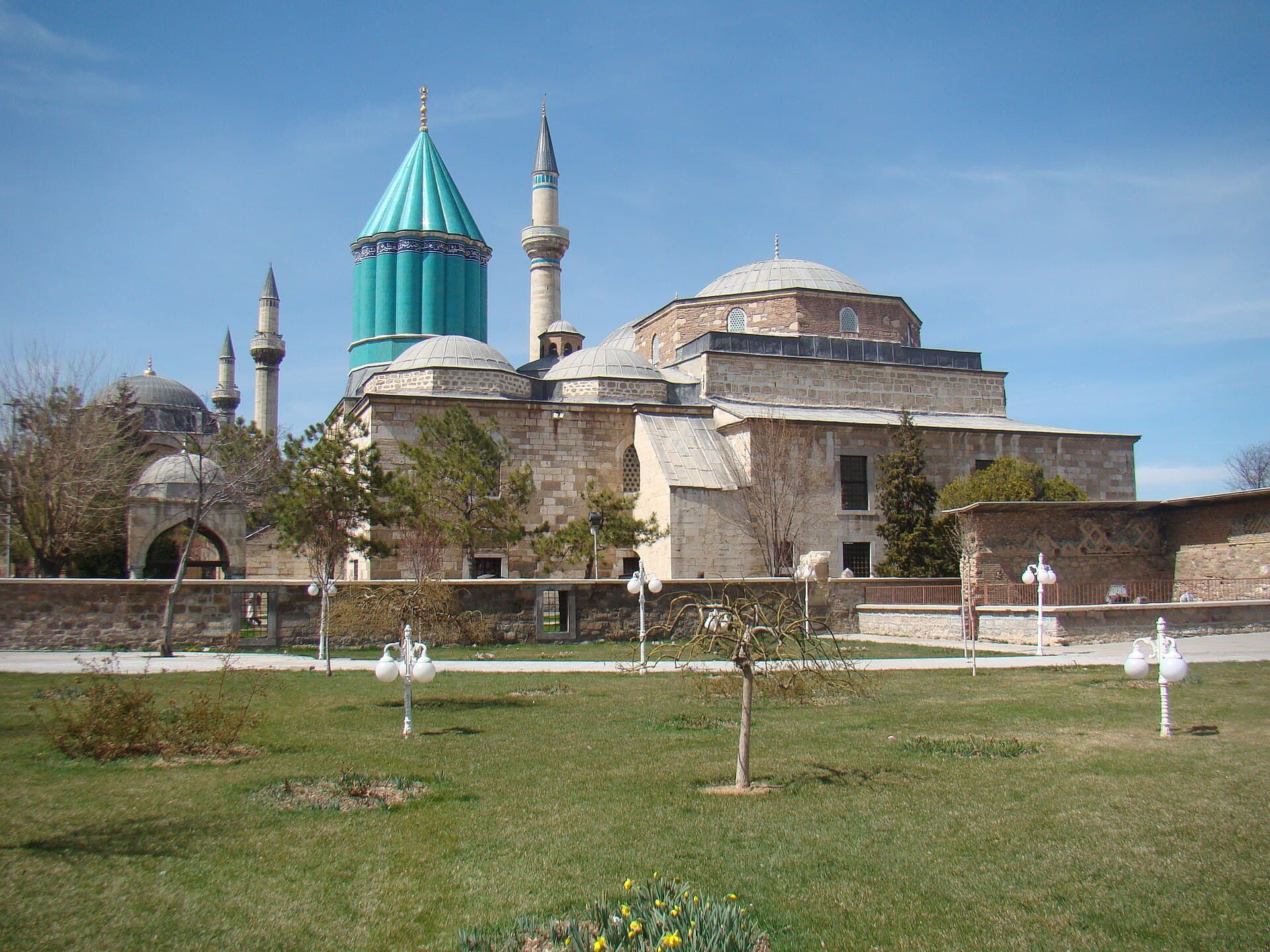 Mevlana MuseumTürkiye's most visited museum in 2019 was not in Istanbul. It was here in Konya:13 min walk4.8
Honestly no, unless Roman antiquities are your passion. A single day in Konya is filled by Rumi's mausoleum, the İnce Minare museum and the Alaaddin Mosque. With two days, or a planned trip to Çatalhöyük, give it forty minutes: entry is free and the sarcophagus repays the detour.
Only briefly. The Hercules sarcophagus and the stone garden hold small children for a few minutes if you tell the story, but the rest is glass cases with Turkish labels. There is no entry fee, so nothing is lost if you leave after twenty minutes.
Sign in to write your review of this place.
No reviews yet — be the first.