
The colonnaded minarets
Open balconies carried on columns instead of the usual walled galleries, a form almost unrepeated in Turkish mosques.
Nedim Ardoğa / Nedim Ardoğa at en.wikipedia — CC BY-SA 3.0 · Kadı — CC BY 4.0 · HALİL TOPAL — CC BY-SA 4.0 · Alicembasli — CC BY-SA 4.0
Two minarets that end in open balconies carried on slender columns, more palace loggia than mosque gallery: that is what makes you look up in the crush of Konya's old bazaar. Aziziye is the least Turkish-looking Ottoman mosque in the city. Its windows are wider than its doors, its stone walls are loaded with European ornament, and its single broad dome sits over a prayer hall lifted above street level and reached by a flight of steps. In a town ruled by Seljuk austerity it reads like a visitor from nineteenth-century Istanbul. The story explains the look. An older mosque stood here first, built between 1671 and 1676 by the vizier Musahib Mustafa Pasha, son-in-law of Sultan Mehmed IV, on the plot known as the Bezirganlar Han and called Yüksek Cami, the High Mosque. A fire in 1867 took it, and it was rebuilt in cut stone between 1872 and 1874 with waqf money and generous support from Sultan Abdülaziz and his mother Pertevniyal Valide Sultan, hence the name. What came out was a frankly experimental blend of baroque, Empire and neoclassical detail on a conventional Ottoman plan: a porch of three small domes on six marble columns, then a square hall under one large dome, with a mihrab and minbar in bluish marble. There is no courtyard at all; the ablution fountains are tucked against the minaret bases. It is a working mosque and it is free. Fifteen minutes covers it: a circuit of the facade and a look inside between prayers, with the usual longer closure to visitors around Friday midday. Modest dress and shoes off are a given. The entrance steps mean a pushchair waits at the door, but nothing here is strenuous and the distances are tiny. Honest advice: do not make a trip of it, make it a stop. It sits on the natural walk between Alaaddin Hill and the Mevlana Museum, only about 350 metres from Rumi's green dome, in the lanes of the Bedesten where sweets, carpets and copperware are sold. The facade and minarets are the real event; if the doors happen to be shut you lose little, and if they are open the interior earns the five minutes you will give it.
Open balconies carried on columns instead of the usual walled galleries, a form almost unrepeated in Turkish mosques.
A nineteenth-century facade that inverts Ottoman logic: huge openings and baroque and Empire ornament on cut stone.
Steps lead to a three-domed porch on six marble columns, then one broad dome and a mihrab of bluish marble.
Aziziye Mah., Türbe Cd., Tarihi Bedesten Çarşısı, Karatay
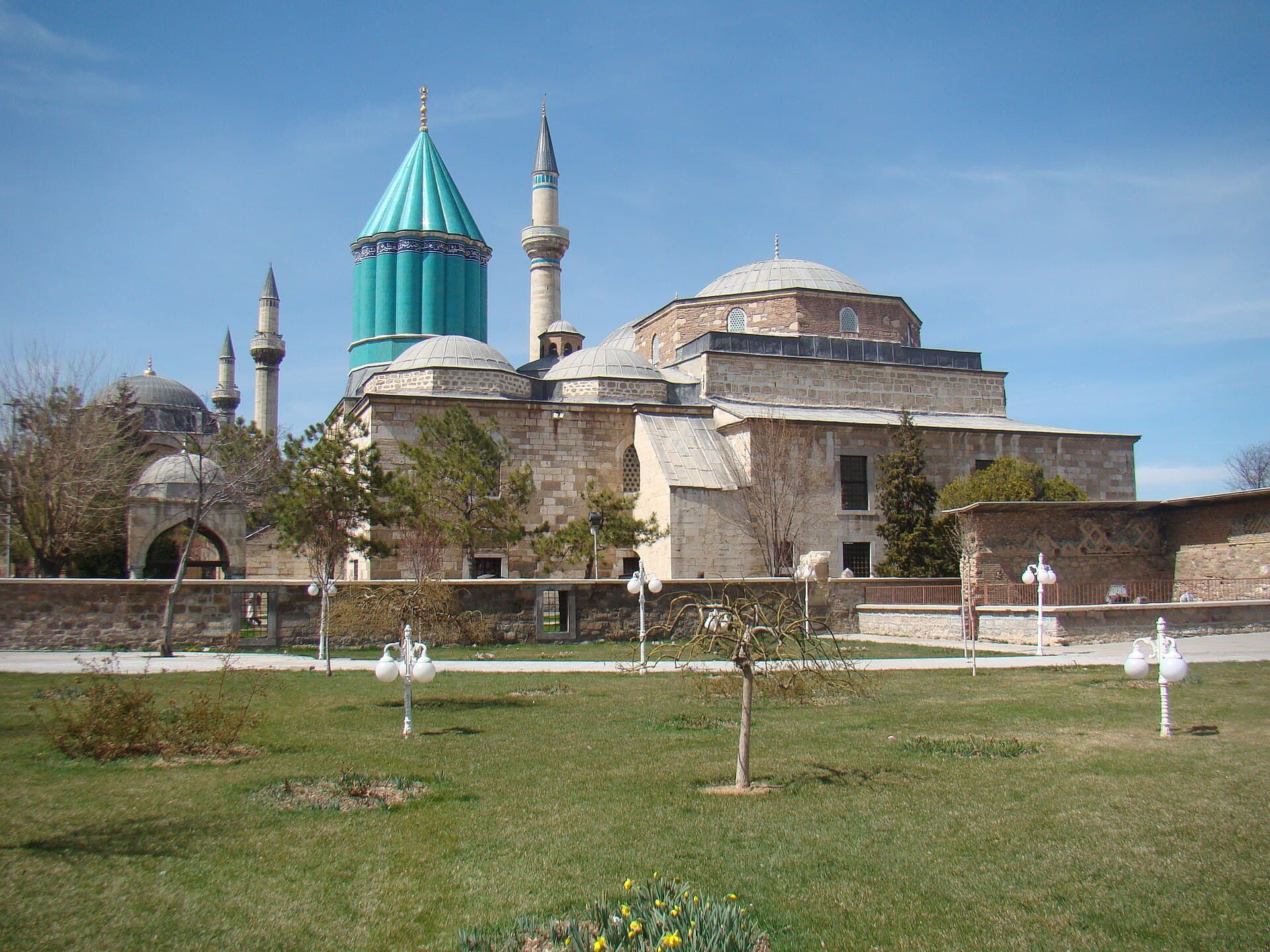 Mevlana MuseumTürkiye's most visited museum in 2019 was not in Istanbul. It was here in Konya:4 min walk4.8
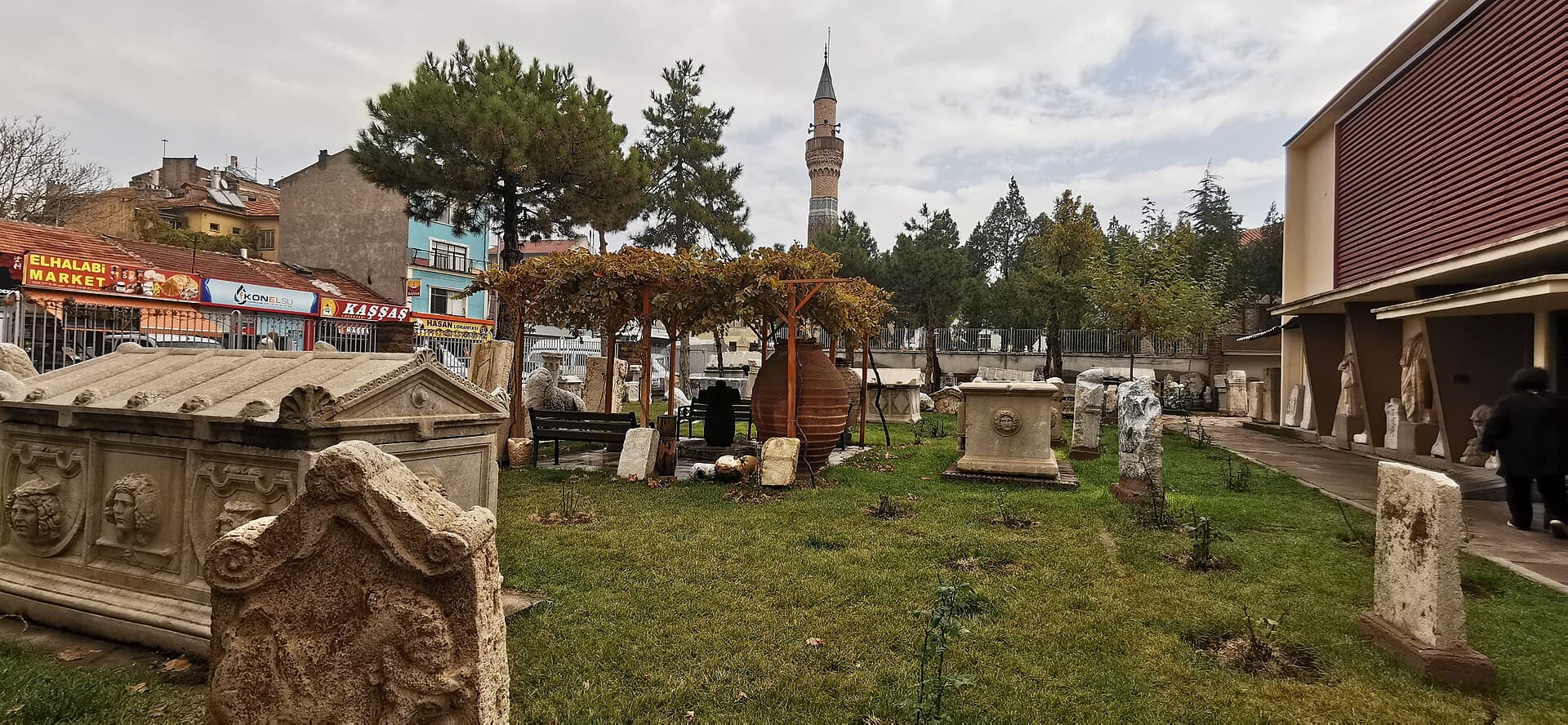 Konya Archaeological MuseumIn the summer of 1958 a farmer ploughing his field at Yunuslar, out on the Beyşe8 min walk4.4
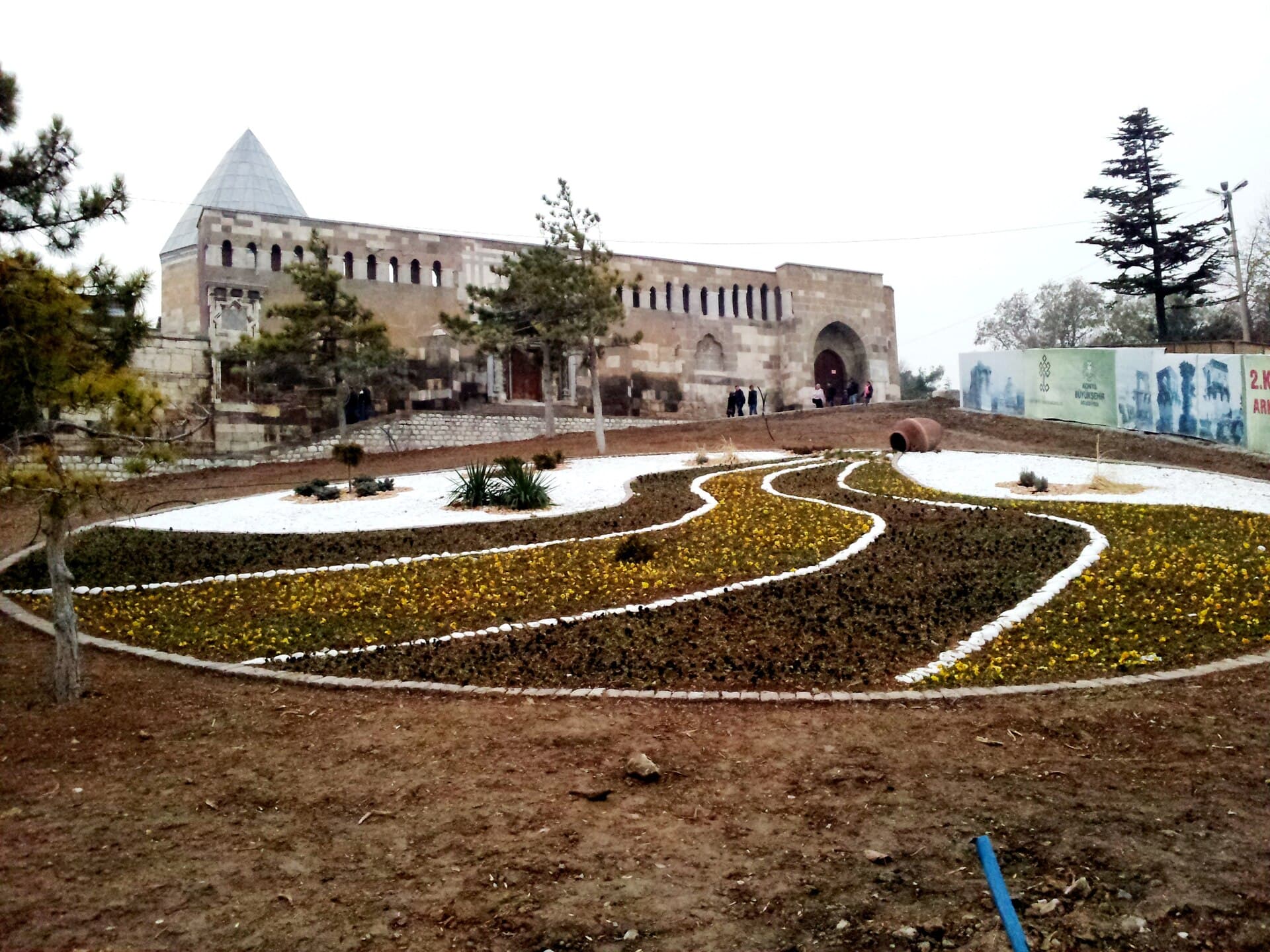 Alaaddin HillKonya's tram loops around a hill, and the hill is not really a hill at all: it i10 min walk4.3
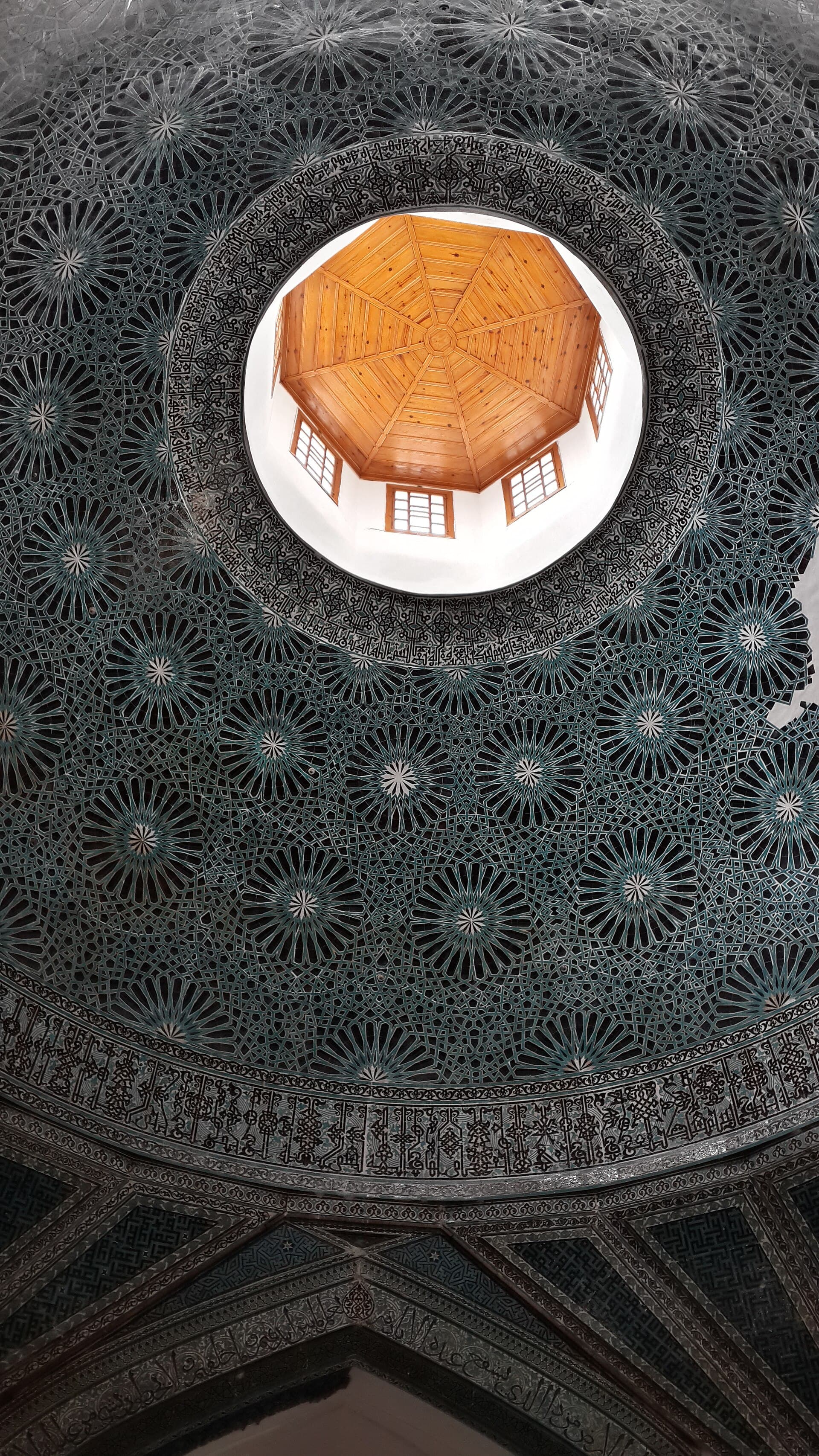 Karatay MadrasaLook up the moment you step into the main hall, because the dome is the whole po11 min walk4.5
Yes, because it costs you almost nothing: it is a few minutes on foot from the Mevlana Museum in the heart of the bazaar, and the facade and minarets are seen from the street without going in. Give it ten minutes on your way, and do not come back for it if you find it shut for prayer.
You can, though the entrance steps mean leaving the pushchair at the door, and the visit is short anyway. Children will enjoy the surrounding bazaar more than the interior, so combine the two.
Sign in to write your review of this place.
No reviews yet — be the first.