
The mosaic dome
A ceiling of turquoise and navy stars ringed by the Throne Verse and the prophets' names, among the finest Seljuk domes left in Anatolia.
Drgulcu — CC BY-SA 3.0 · Dosseman — CC BY-SA 4.0 · Satirdan kahraman — CC BY-SA 4.0 · Satirdan kahraman — CC BY-SA 4.0
Look up the moment you step into the main hall, because the dome is the whole point. It is a sky of mosaic tile in turquoise, navy and black, interlocking stars wheeling around an open oculus, with the Basmala and the Throne Verse running along the iwan arch in ornate Kufic and the names of the prophets Muhammad, Jesus, Moses and David, plus the four Rightly Guided Caliphs, filling the triangular pendentives. Few ceilings in Anatolia come close, and it alone justifies the ticket. The madrasa went up in 1251 under the Seljuk sultan İzzeddin Keykavus II, paid for by Emir Celaleddin Karatay, the vizier who effectively ran the state for years while it buckled under Mongol pressure; his tomb sits in a domed cell to the left of the iwan. The marble portal, with its alternating bands of light and dark stone, interlaced Kufic ribbons and muqarnas hood, is among the finest Seljuk stonework anywhere, so give it a minute before you go in rather than on the way out. Since 1955 the building has housed the Tile Works Museum. The prize exhibits are the star-and-cross tiles dug out of the Kubadabad summer palace on Lake Beyşehir, painted with human figures, animals and fabulous beasts, a rarity in Islamic art. The rest of the Seljuk and Ottoman ceramics, lamps and glass in the cases are specialist fare; a general visitor loses nothing by walking past them briskly. It is a short visit by nature, half an hour to an hour at most, on one flat level with no stairs, so pushchairs and grandparents are fine, though children will tire of staring upwards within minutes. The madrasa stands at the foot of Alaaddin Hill, five minutes on foot from İnce Minareli Medrese and about a kilometre and a half from the Mevlana Museum, so fold it into the same walk. In August the stone hall is a refuge from Konya's dry heat; in winter snow is possible and the walk from the Mevlana Museum feels longer.
A ceiling of turquoise and navy stars ringed by the Throne Verse and the prophets' names, among the finest Seljuk domes left in Anatolia.
Banded marble, interlaced Kufic ribbons and muqarnas, among the best stone carving the Seljuks ever produced.
Star-and-cross tiles from the summer palace on Lake Beyşehir, painted with people, animals and mythical creatures.
Ferhuniye Mahallesi, Ankara Caddesi No. 1, Selçuklu, Konya 42040
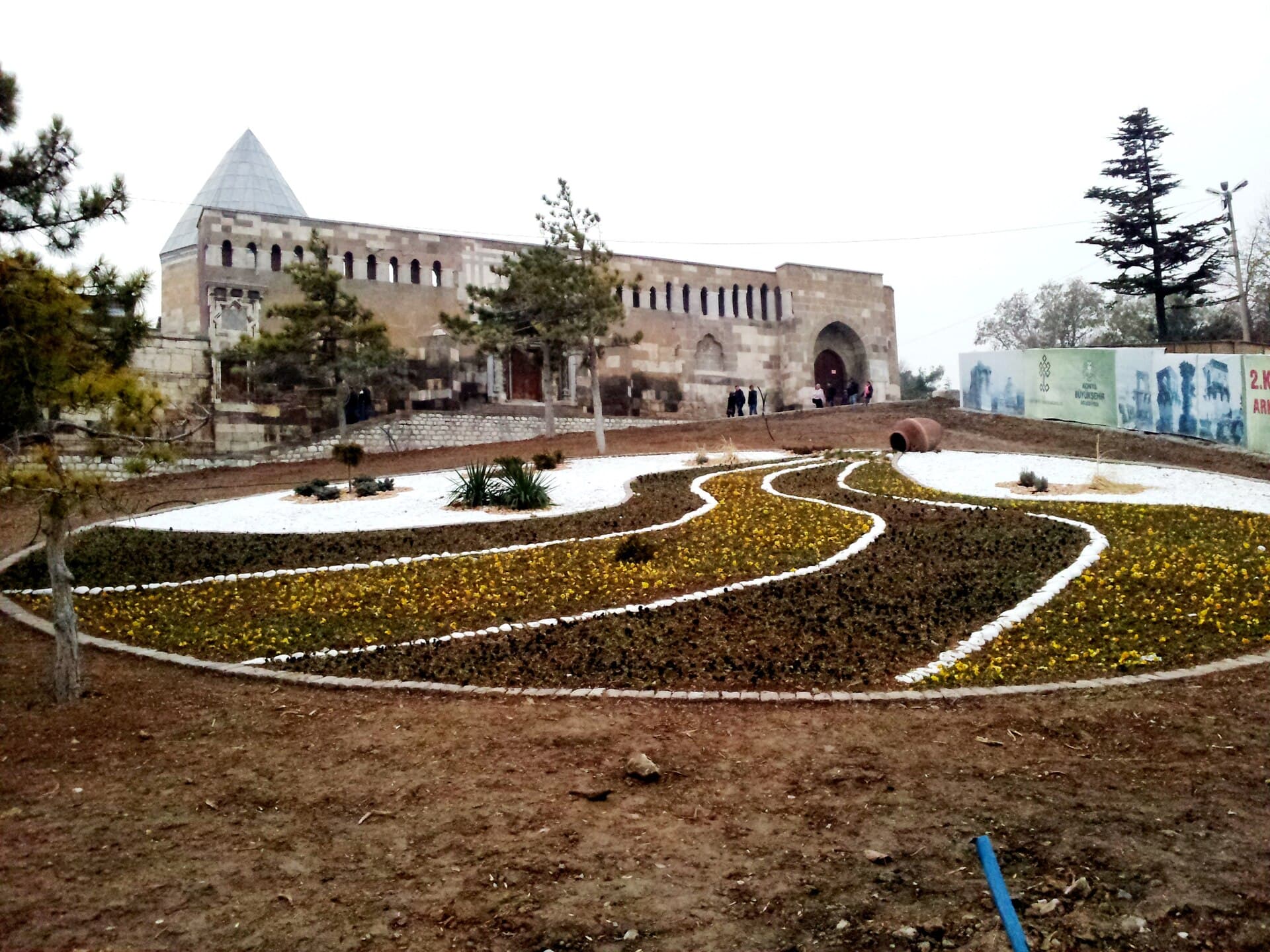 Alaaddin HillKonya's tram loops around a hill, and the hill is not really a hill at all: it i4 min walk4.3
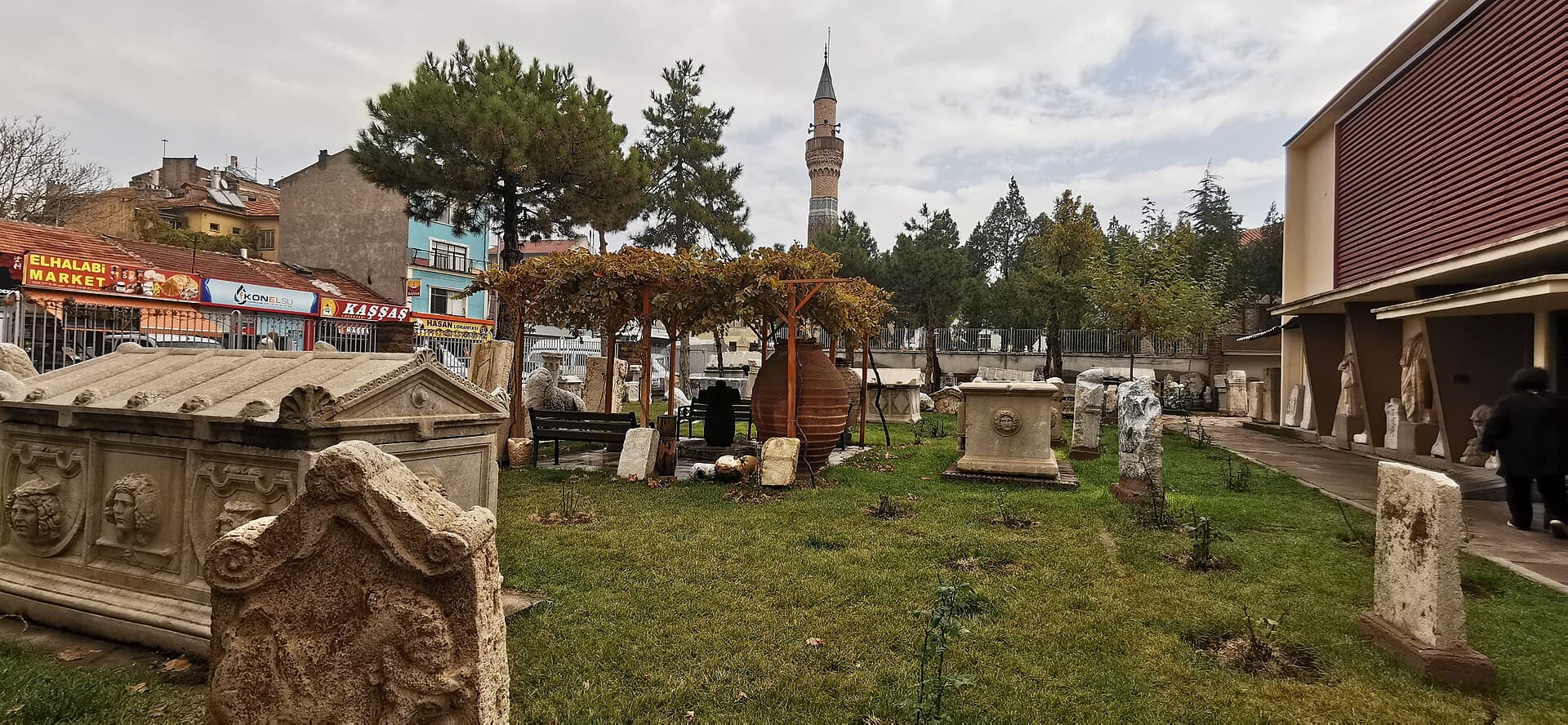 Konya Archaeological MuseumIn the summer of 1958 a farmer ploughing his field at Yunuslar, out on the Beyşe10 min walk4.4
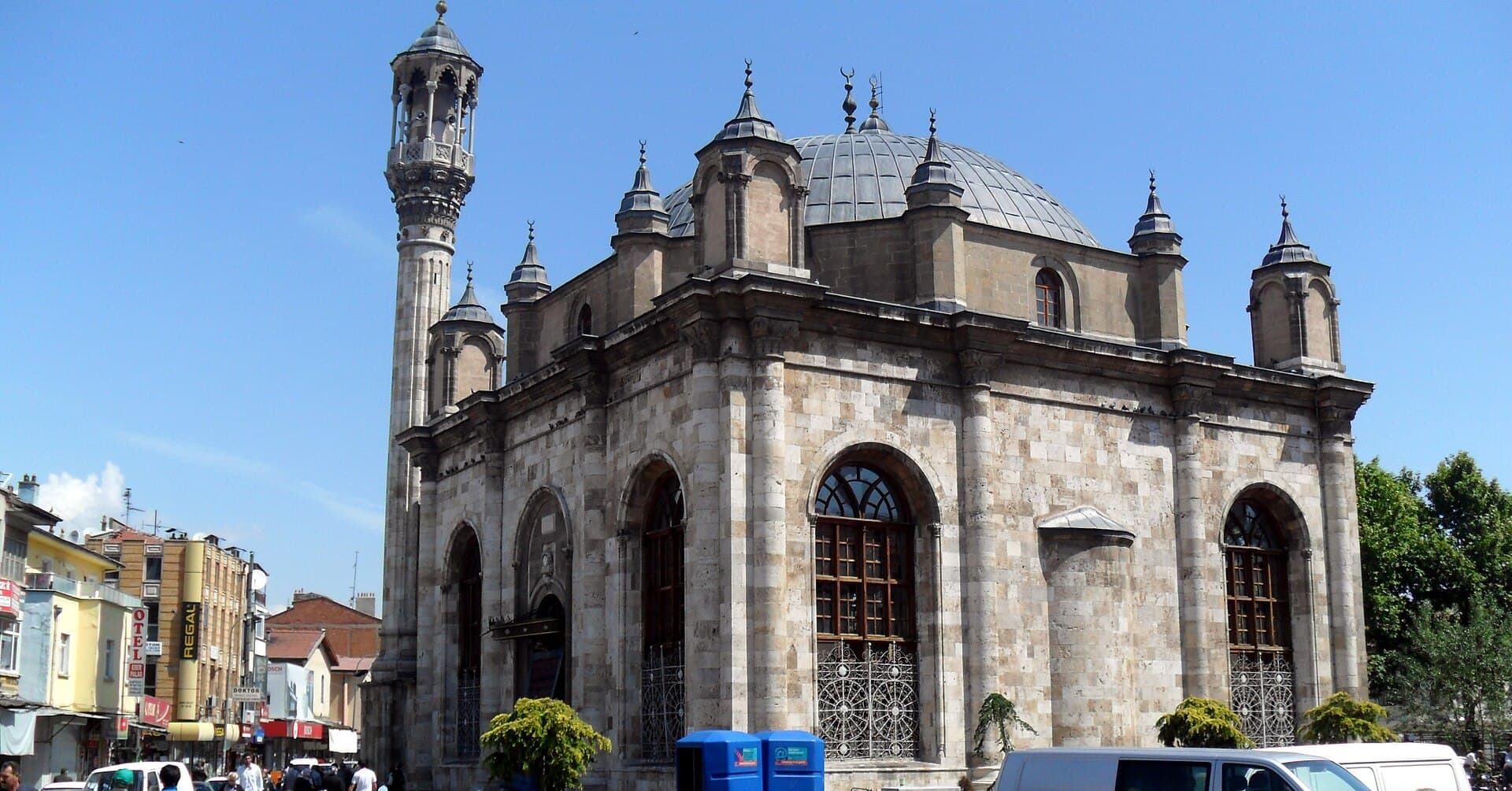 Aziziye MosqueTwo minarets that end in open balconies carried on slender columns, more palace 11 min walk4.8
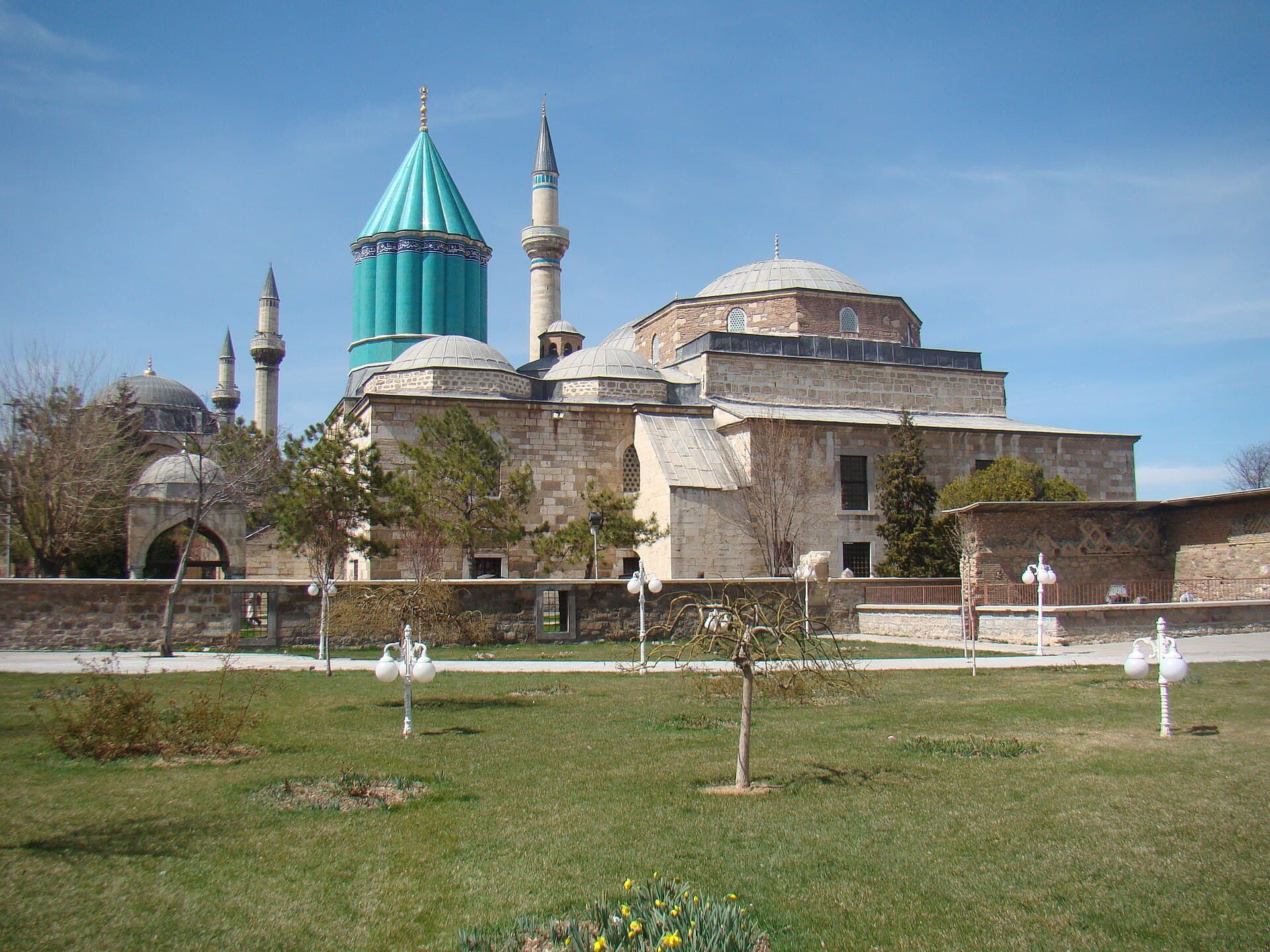 Mevlana MuseumTürkiye's most visited museum in 2019 was not in Istanbul. It was here in Konya:14 min walk4.8
Karatay. İnce Minareli wins on the outside, with its celebrated portal and minaret, but you can see those from the street for free and its interior is a modest stone-and-wood museum, currently listed as closed for restoration by the ministry. Karatay is all about the inside: that tiled dome has no rival in Konya. Best plan is to walk the five minutes between them and only pay to go into Karatay.
Practically, yes: one level, no stairs, pushchairs roll straight in and the whole thing takes half an hour. Do not expect them to enjoy the ceramic cases, though; show them the stars in the dome and the hole at its top, then move on to the park on Alaaddin Hill next door.
Sign in to write your review of this place.
No reviews yet — be the first.