
The twin-towered gate
Into the Ark.
Umid1108 — CC0 · Yasseralaamobarak — CC BY-SA 4.0 · LBM1948 — CC BY-SA 4.0 · Nassima Chahboun — CC BY-SA 4.0 · BeshevI — CC BY-SA 4.0 · Lesley Parker from Sydney, Australia — CC BY 2.0 · Ymblanter — CC BY-SA 4.0 · Adam Jones from Kelowna, BC, Canada — CC BY-SA 2.0
A massive fortress in Bukhara, first built around the 5th century AD; its present form took shape from the 16th century under the Shaybanid dynasty, and all its surviving buildings date from the last three centuries. Besides its military role it was a small town, home to the successive royal courts. It remained a fortress until it fell to the Soviets in 1920. Its outer walls run 789.6 metres around some four hectares, and its sloping earthen walls rise 16 to 20 metres. Visitors climb through the twin-towered main gate into the fortress, which now holds museums: an archaeological museum, the throne room, the reception and coronation court, a local history museum and the court mosque, and from the ramparts the old city spreads below. Tickets are about 60,000 som, per visitor guides. The walls glow gold at sunset, and the Bolo Hauz Mosque faces the fortress across the square.
Into the Ark.
And coronation court.
At sunset.
Bukhara's Registan square, northwest of the old town
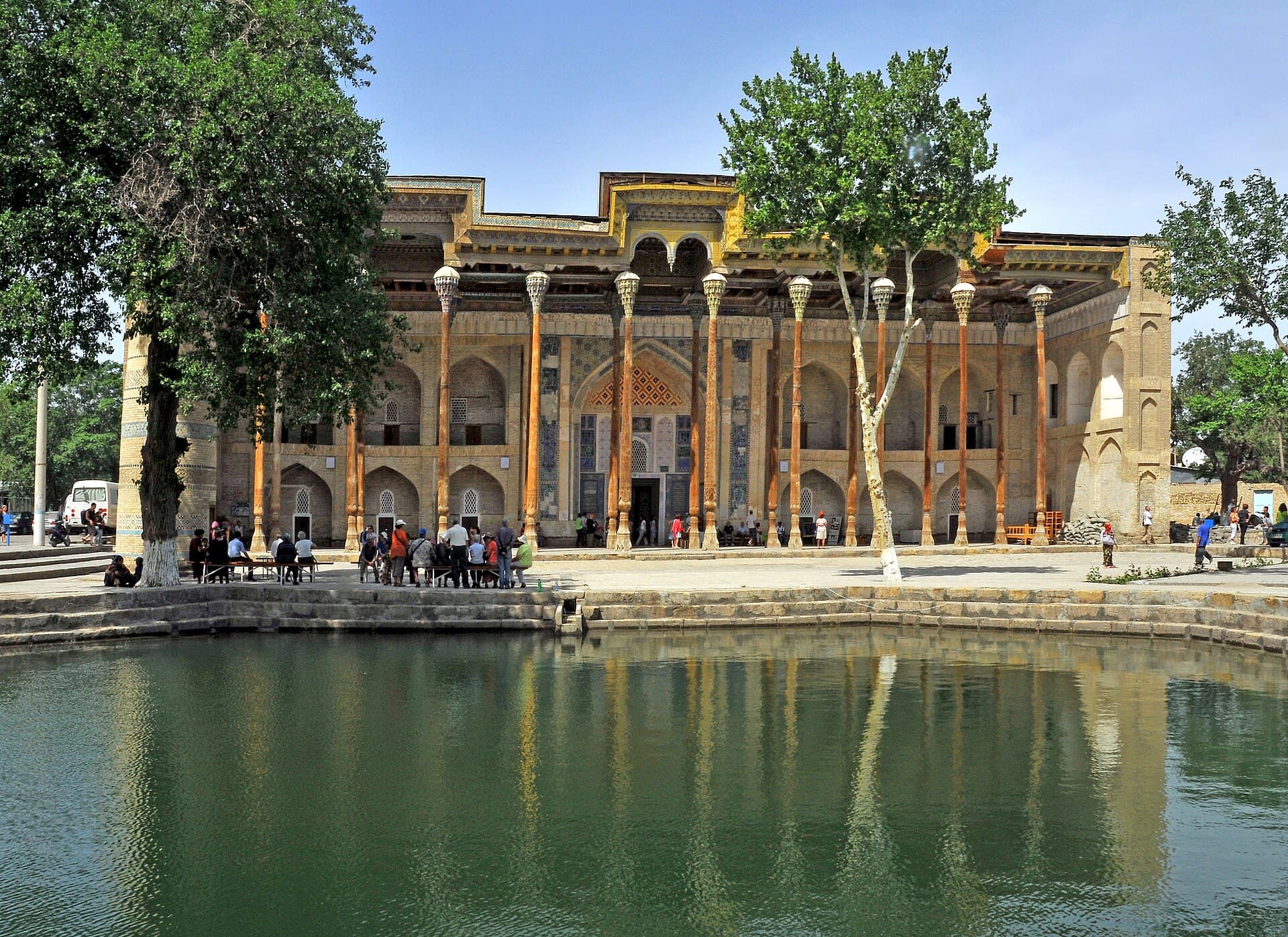 Bolo Hauz MosqueA historic mosque in Bukhara, built in 1712 opposite the Ark fortress on the squ3 minutes walk4.7
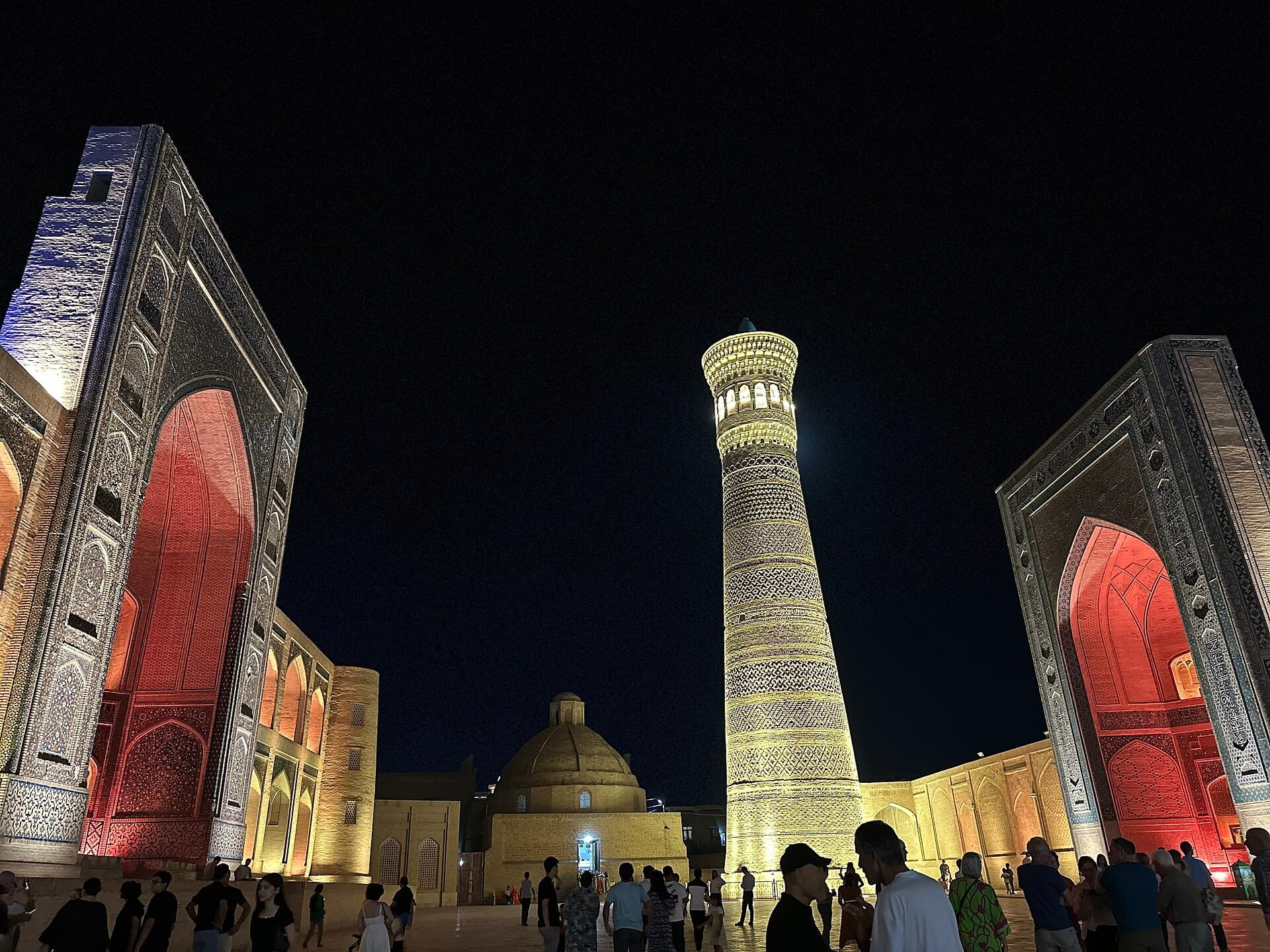 Po-i-Kalyan and the Kalyan MinaretBukhara's best-known religious complex, whose name means «at the foot of the gre6 minutes walk4.9
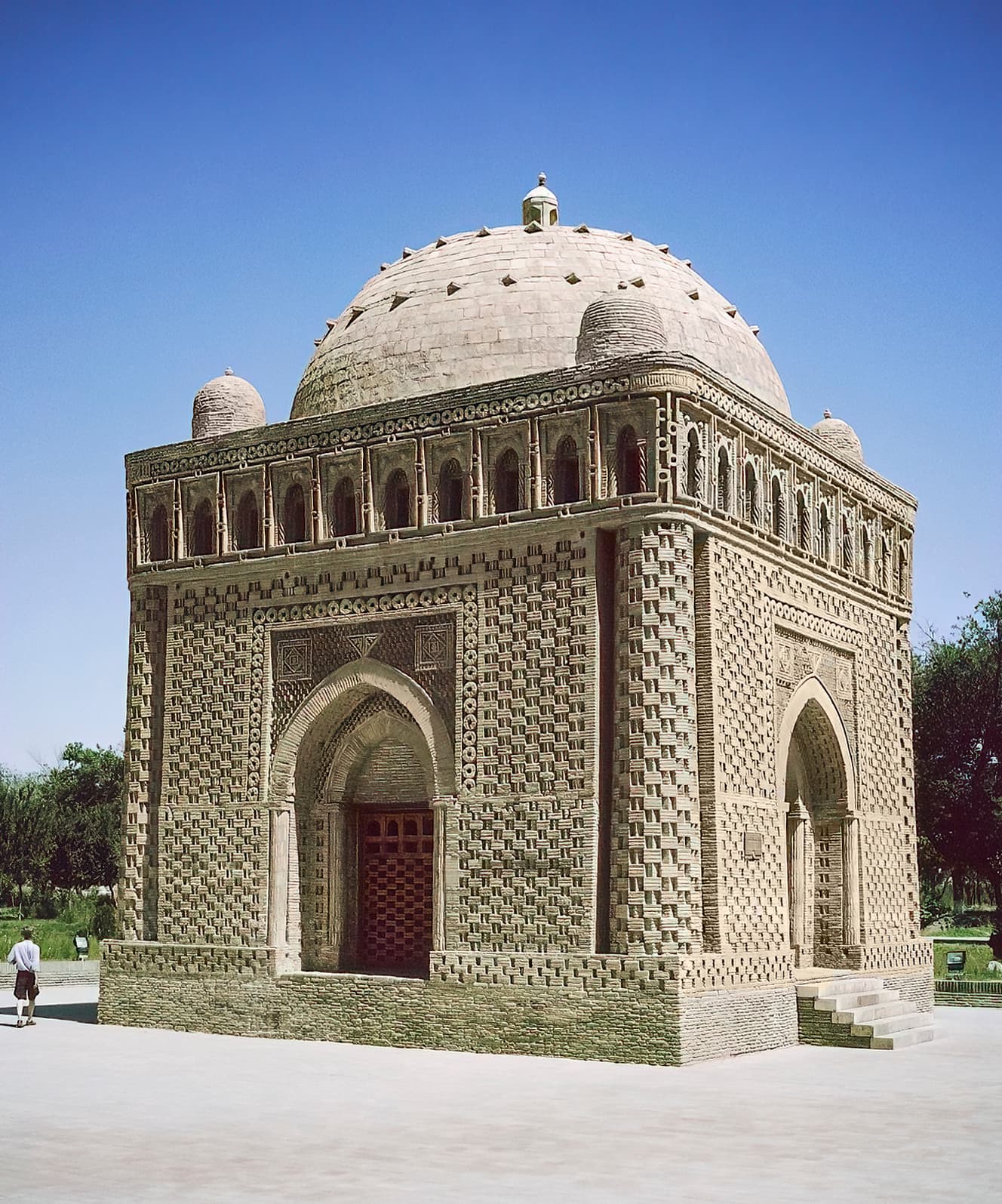 Samanid Mausoleum (Ismail Samani)A 10th-century mausoleum in northwest Bukhara, resting place of the powerful Sam10 minutes walk4.6
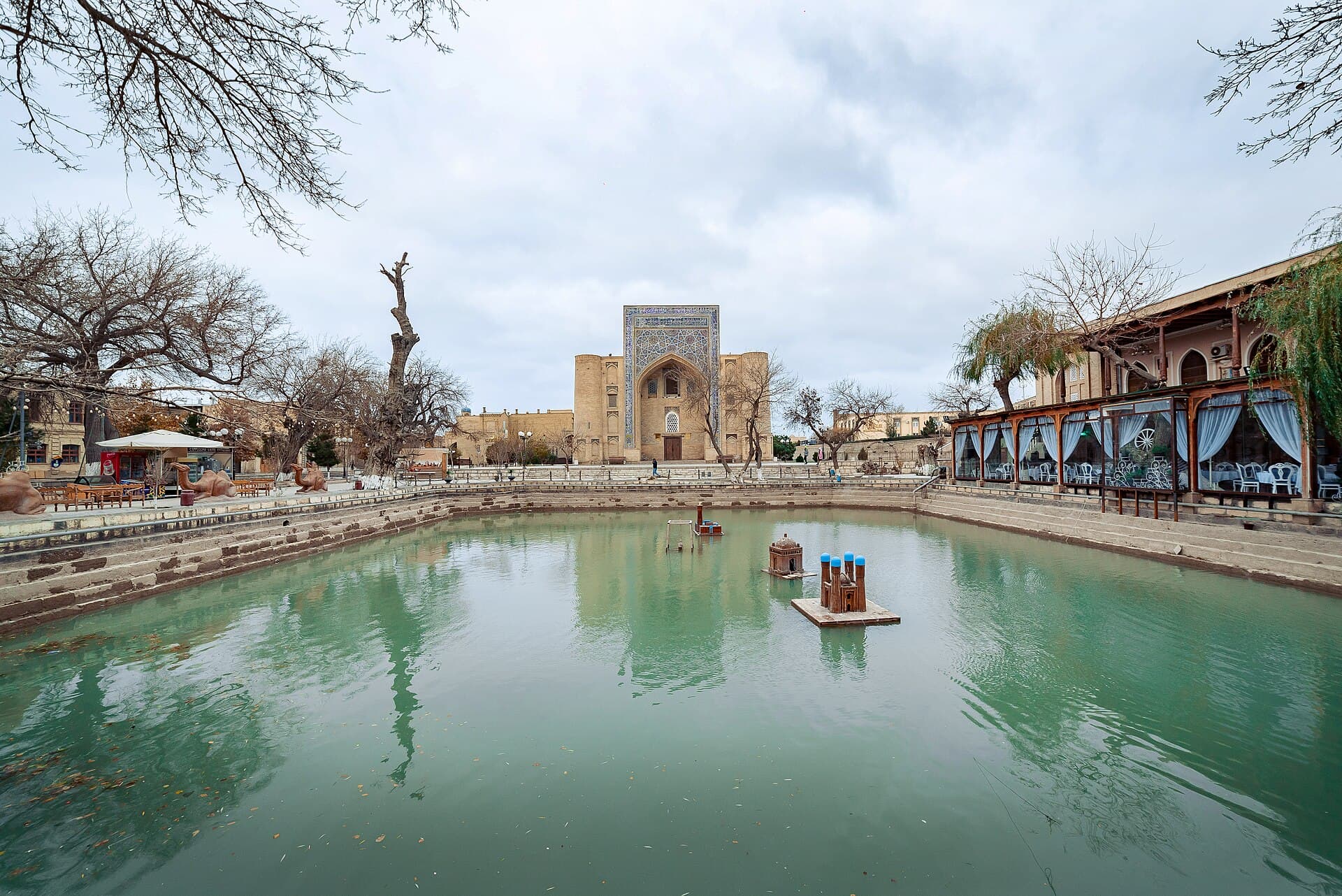 Lyabi-Hauz squareThe square around one of Bukhara's few surviving pools, whose name means «by the14 minutes walk4.5
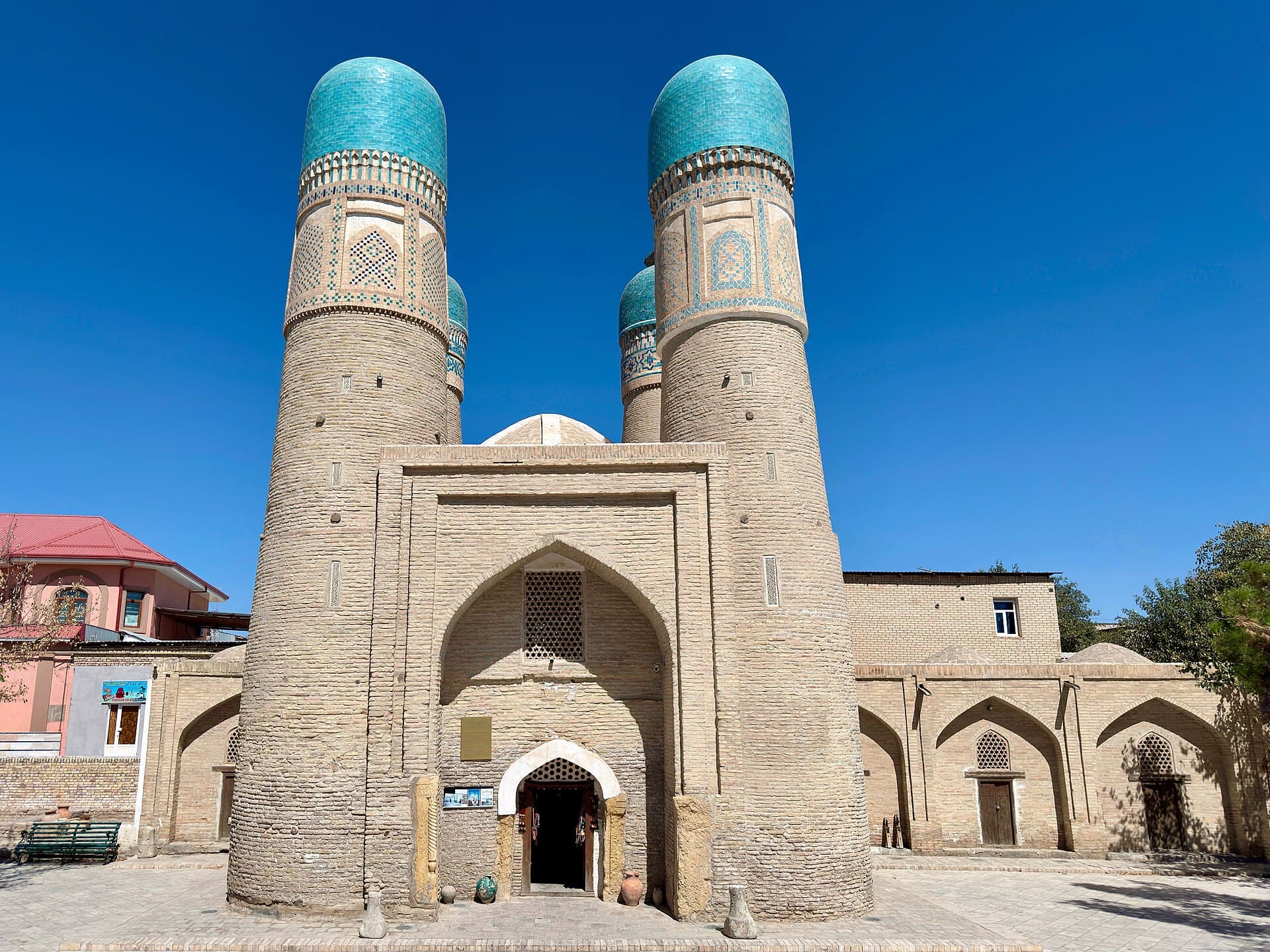 Chor MinorA small, unique building in Bukhara whose Persian name means «four minarets», af19 minutes walk4.5
Archaeological and history museums, the throne room, the reception and coronation court, the court mosque, and views over the old city.