
The total decoration
Gold, marble, sculpture and painting covering nearly every surface — late German baroque at its peak.
Wikiolo, derivative work Lämpel — CC BY-SA 4.0 · Donald Judge — CC BY 2.0 · Donald Judge — CC BY 2.0 · Donald Judge — CC BY 2.0
The Asamkirche is a very small church on a busy shopping street in Munich, and from outside you barely notice it among the shops. Inside, though, it is among the most heavily decorated interiors in Germany: every centimetre covered in gold, marble, sculpture and painting, with almost no empty surface. The Asam brothers, an architect and a painter, built it between 1733 and 1746 at their own expense beside their house. They built it originally as their private church, which is why they could design it with complete freedom and without instruction from a bishop or a prince. Entry is free, and the visit is short but leaves a strong impression.
Gold, marble, sculpture and painting covering nearly every surface — late German baroque at its peak.
The church is narrow and short, and the contrast between its size and the richness of its decoration is what astonishes.
Its façade sits between two shops, and many people walk past without noticing it.
Sendlinger Str. 32, 80331 München
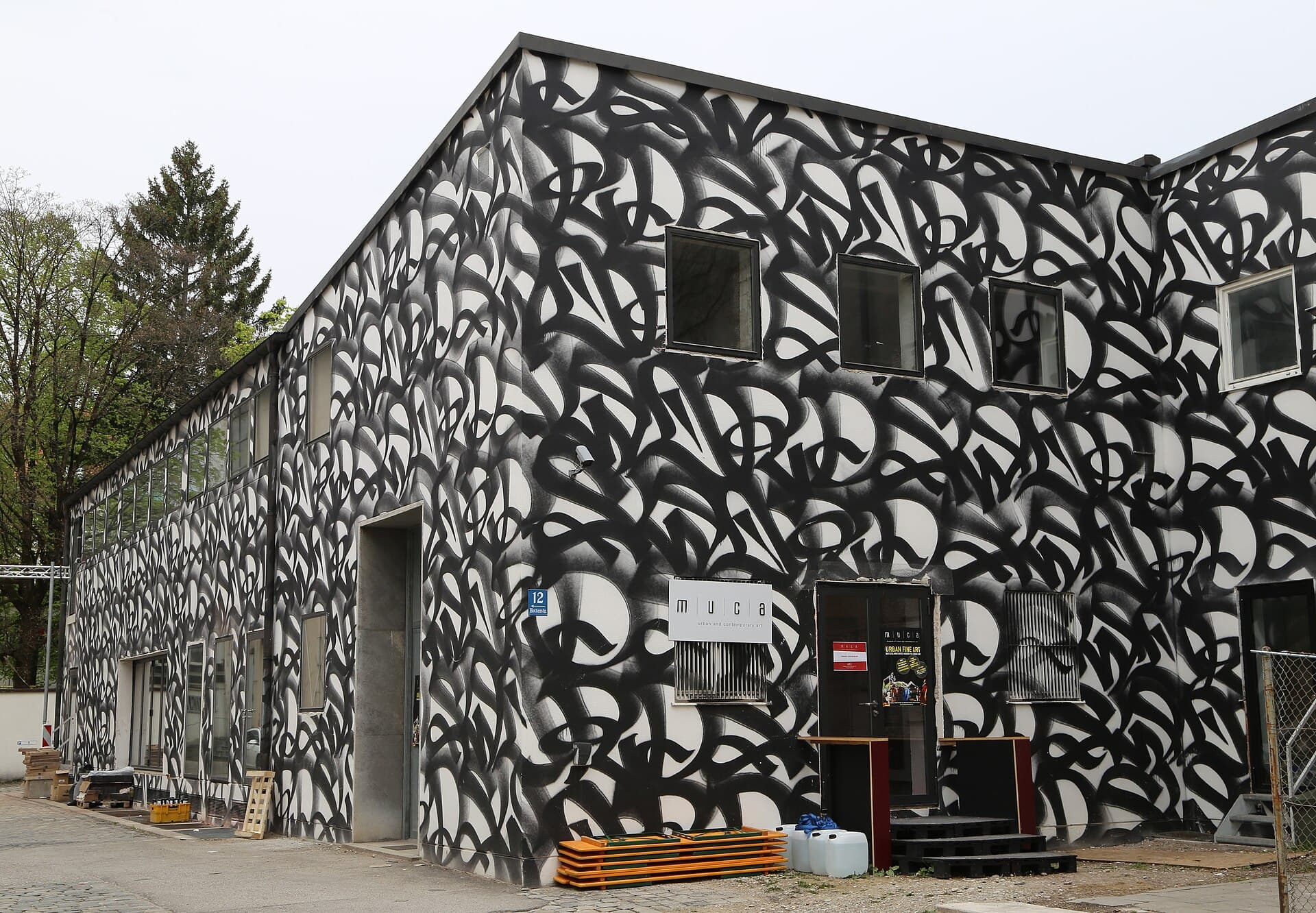 MUCA - Museum of Urban and Contemporary ArtMUCA is Germany's first museum devoted to street art and contemporary urban art,2 minutes walk4.2
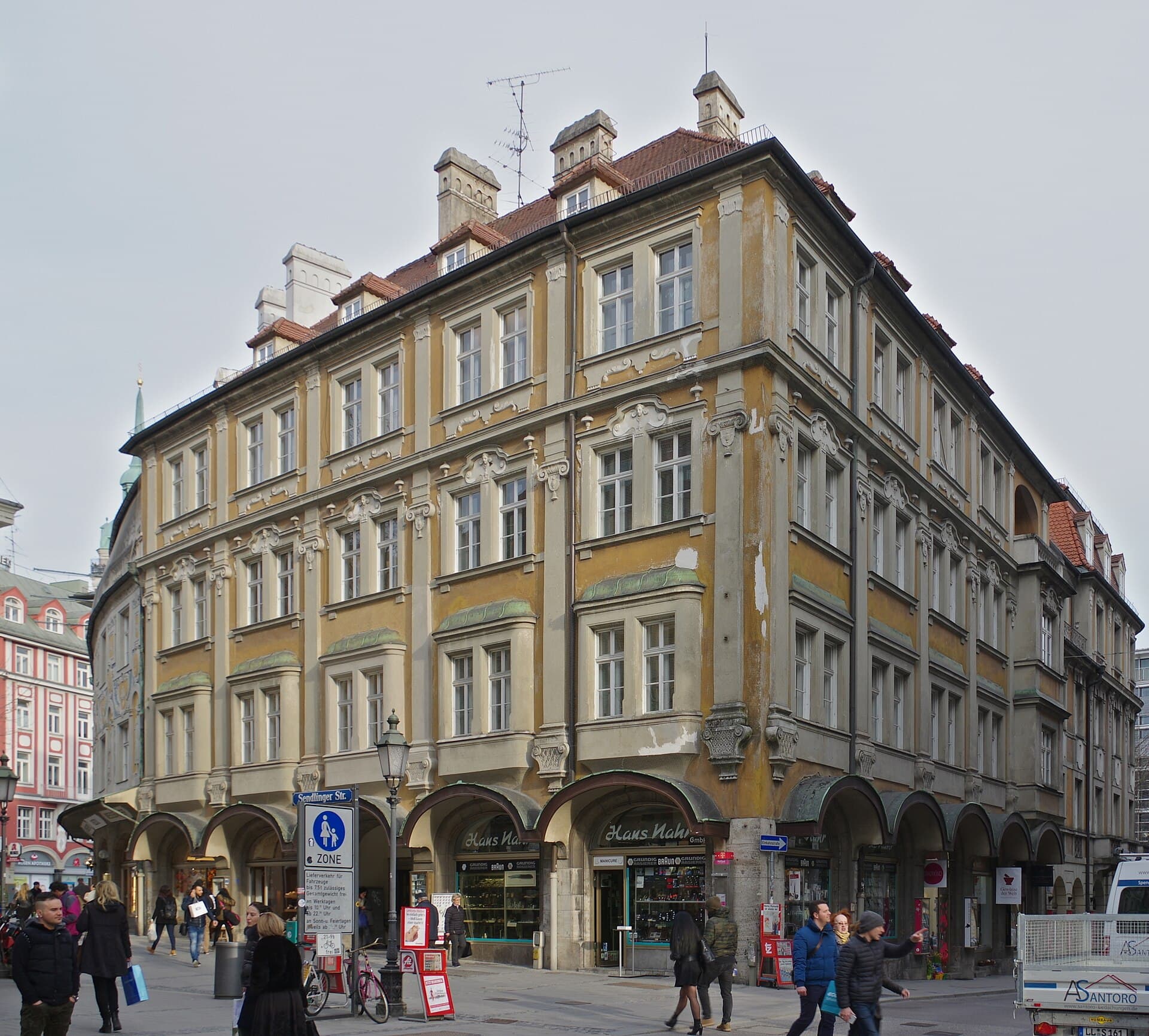 The Ruffini HousesThree adjoining buildings near Marienplatz, built between 1903 and 1905, their f4 minutes walk4.4
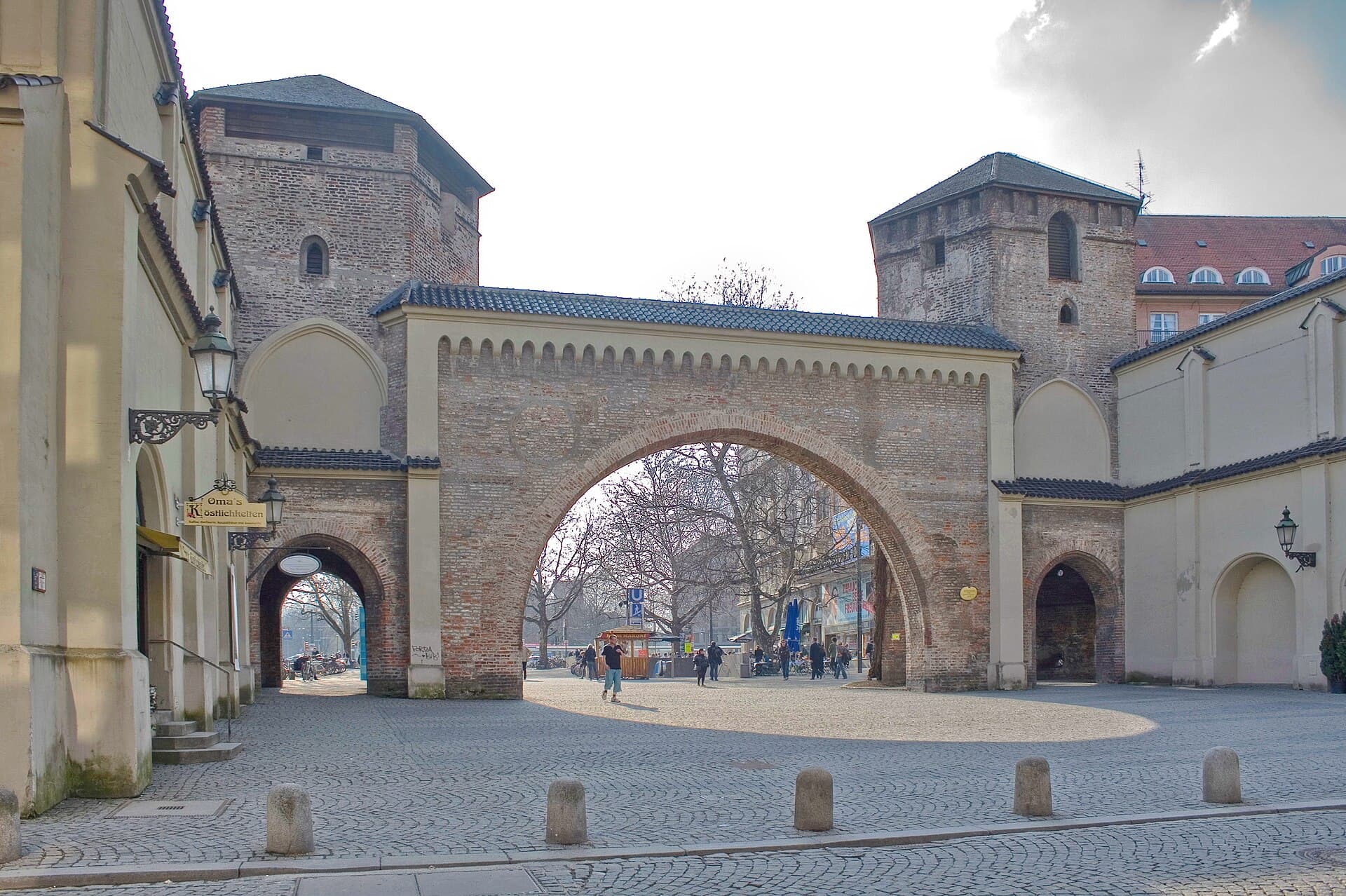 Sendlinger TorThe Sendlinger Tor is one of three surviving gates from Munich's medieval wall. 5 minutes walk4.6
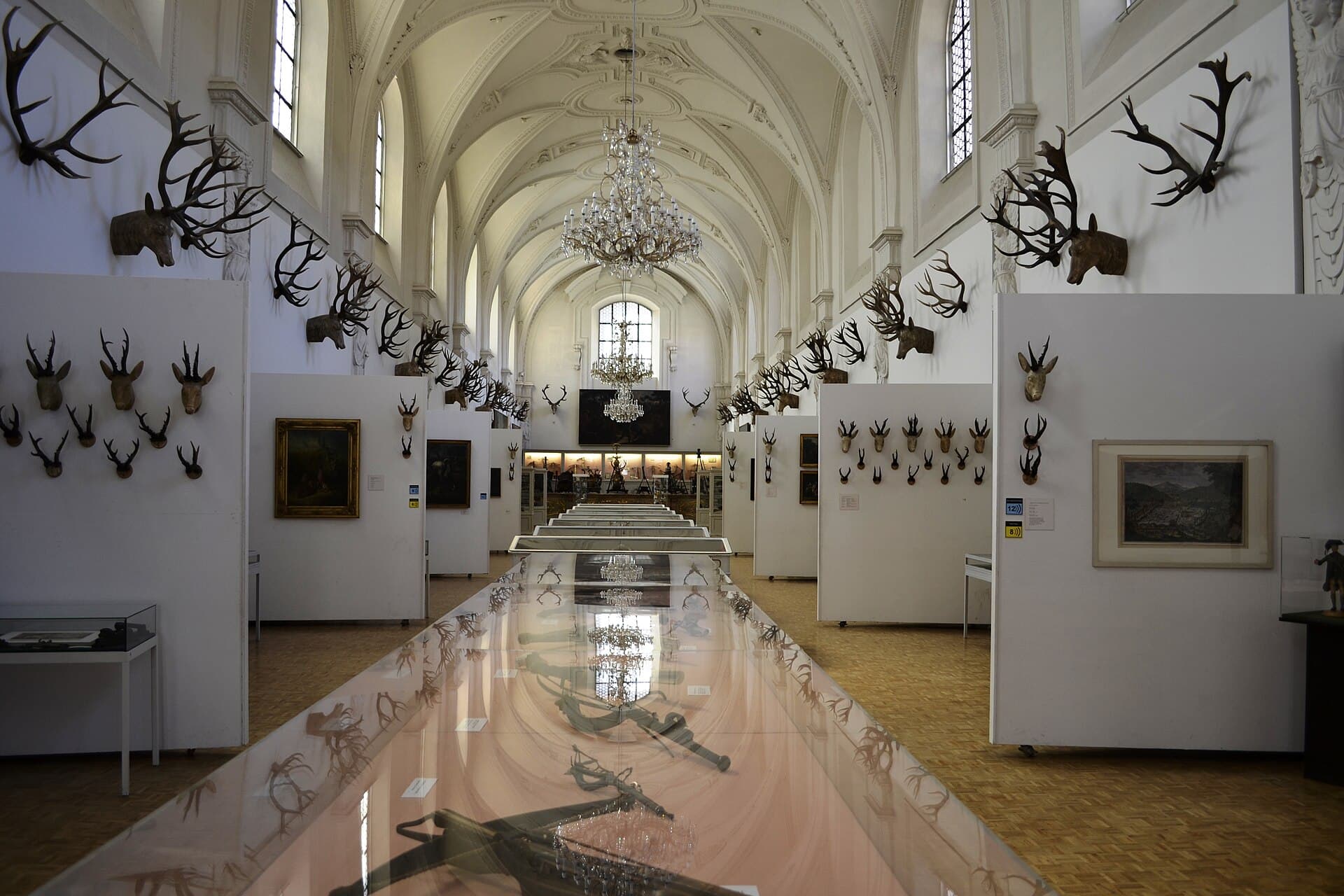 German Hunting and Fishing MuseumThe German Hunting and Fishing Museum occupies a fifteenth-century Augustinian c5 minutes walk4.5
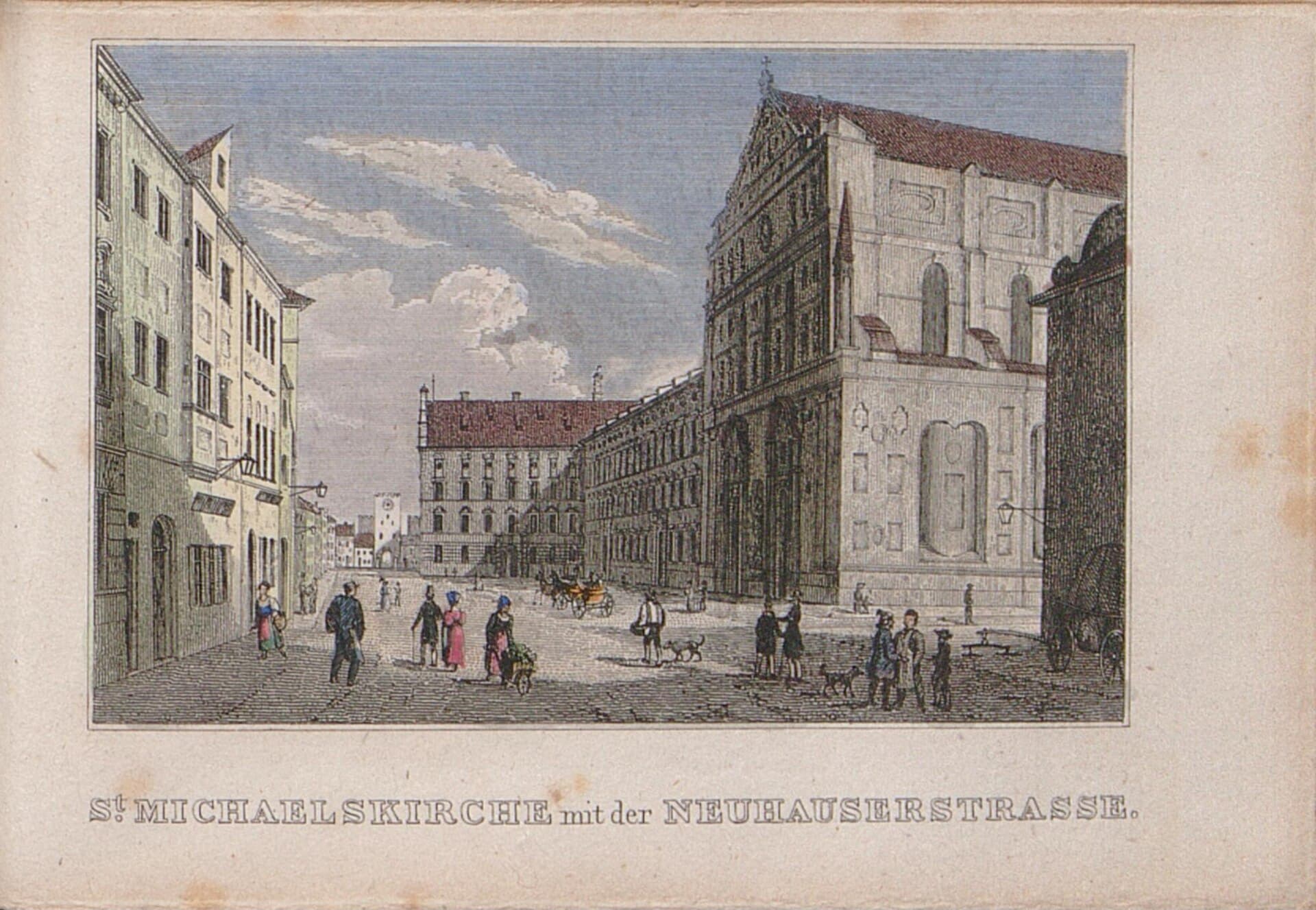 St Michael's ChurchSt Michael's is the Jesuit church in central Munich, built by Duke Wilhelm V bet5 minutes walk4.8
Because the Asam brothers built it on their own land beside their house, and the available space between buildings was narrow. They built it for themselves rather than for a large congregation, so scale mattered less than design.
Twenty minutes is plenty — the space is small and takes no longer. But it is among the most rewarding twenty minutes in Munich, especially as it is free and on your shopping route.
Yes — it is open to all visitors and free. What is asked is respect: quiet, modest dress and no photography during services. Most people who go in today come to see the art and decoration.