
The Gothic nave
High church vaults above the displays.
High Contrast — CC BY 3.0 de · Henning Schlottmann (User:H-stt) — CC BY-SA 4.0 · Henning Schlottmann (User:H-stt) — CC BY-SA 4.0 · Strubbl — CC BY-SA 4.0
The German Hunting and Fishing Museum occupies a fifteenth-century Augustinian church in Munich's pedestrian centre — and the building is half the reason to visit: a Gothic church nave with high vaults, converted after secularisation into a warehouse and then into a museum in 1966. The collection presents the history of hunting in Germany: weapons, equipment, clothing, sculpture and taxidermy in constructed scenes, along with a full section on fishing and European freshwater. The dioramas date from the twentieth century and their dated style is part of the museum's character. Its best-known exhibit is not serious: the Wolpertinger — a mythical Bavarian creature assembled from a hare with antlers and wings, invented in the nineteenth century as a hunters' joke and now a local emblem. Outside the museum stands a bronze wild boar whose nose passers-by rub for luck. The content may not suit anyone opposed to hunting.
High church vaults above the displays.
A bronze at the entrance passers-by rub.
Neuhauser Strasse 2, 80331 Munich
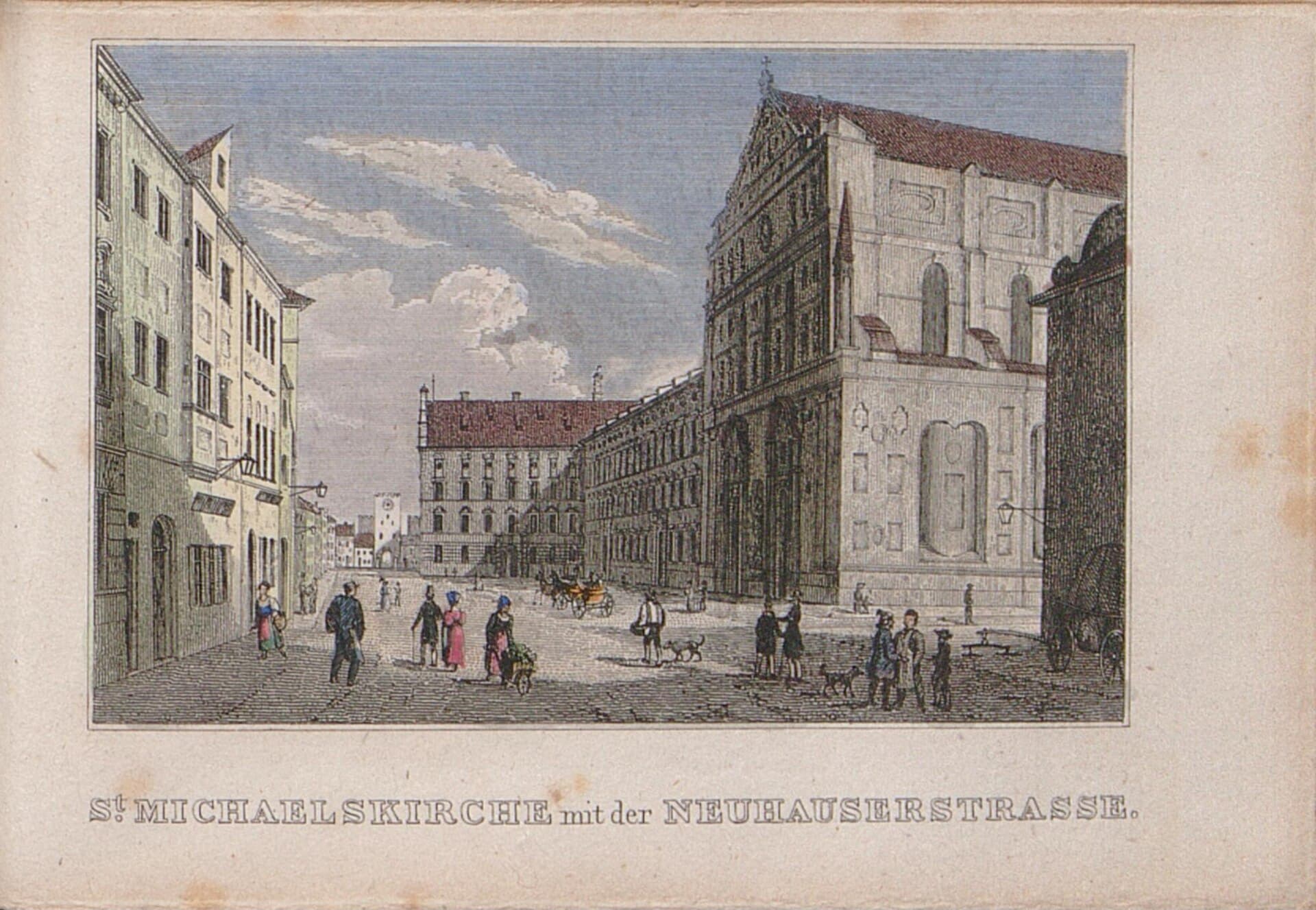 St Michael's ChurchSt Michael's is the Jesuit church in central Munich, built by Duke Wilhelm V bet1 minute walk4.8
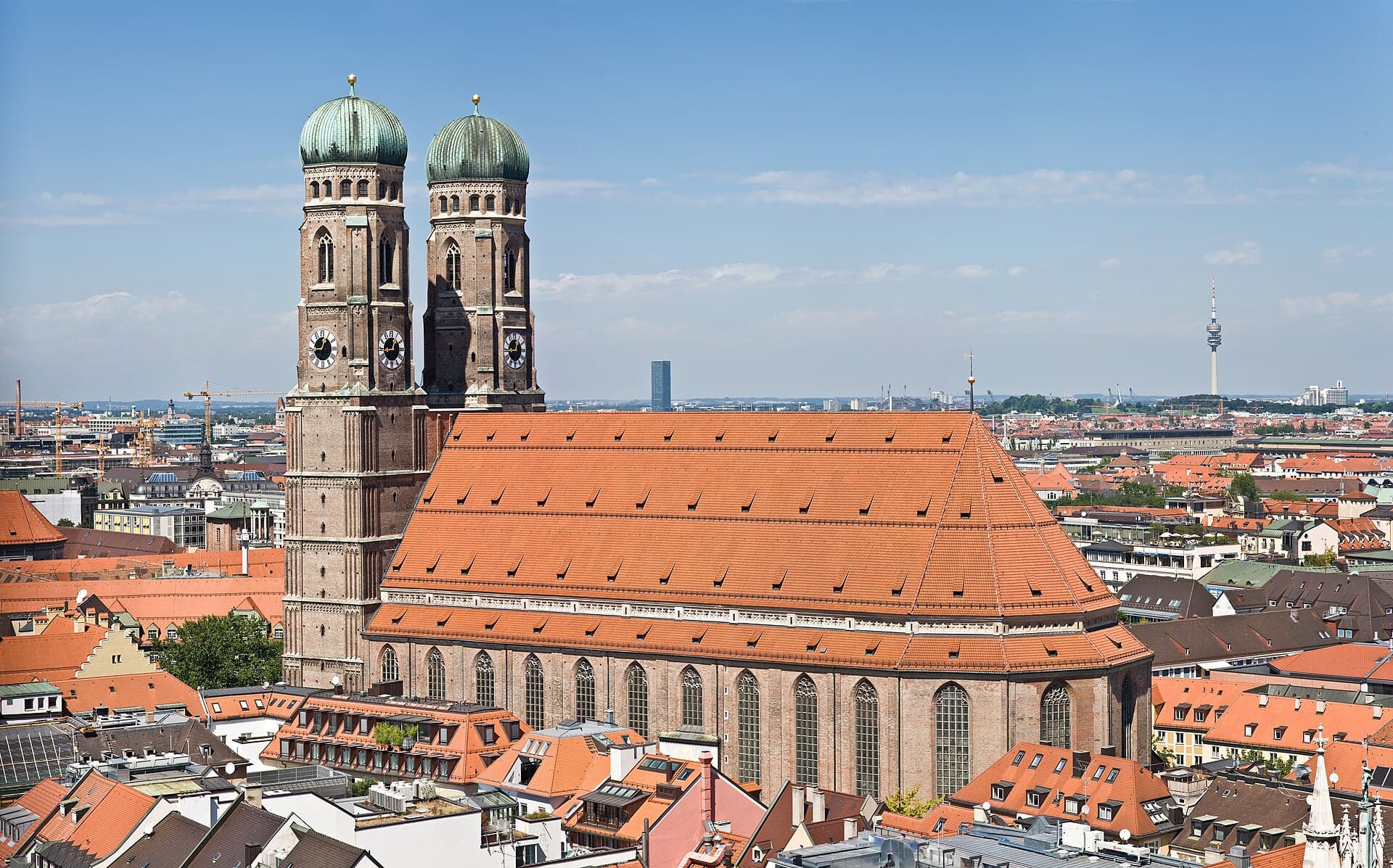 FrauenkircheThe Frauenkirche is Munich's best-known building after the town hall, and its tw2 minutes walk4.5
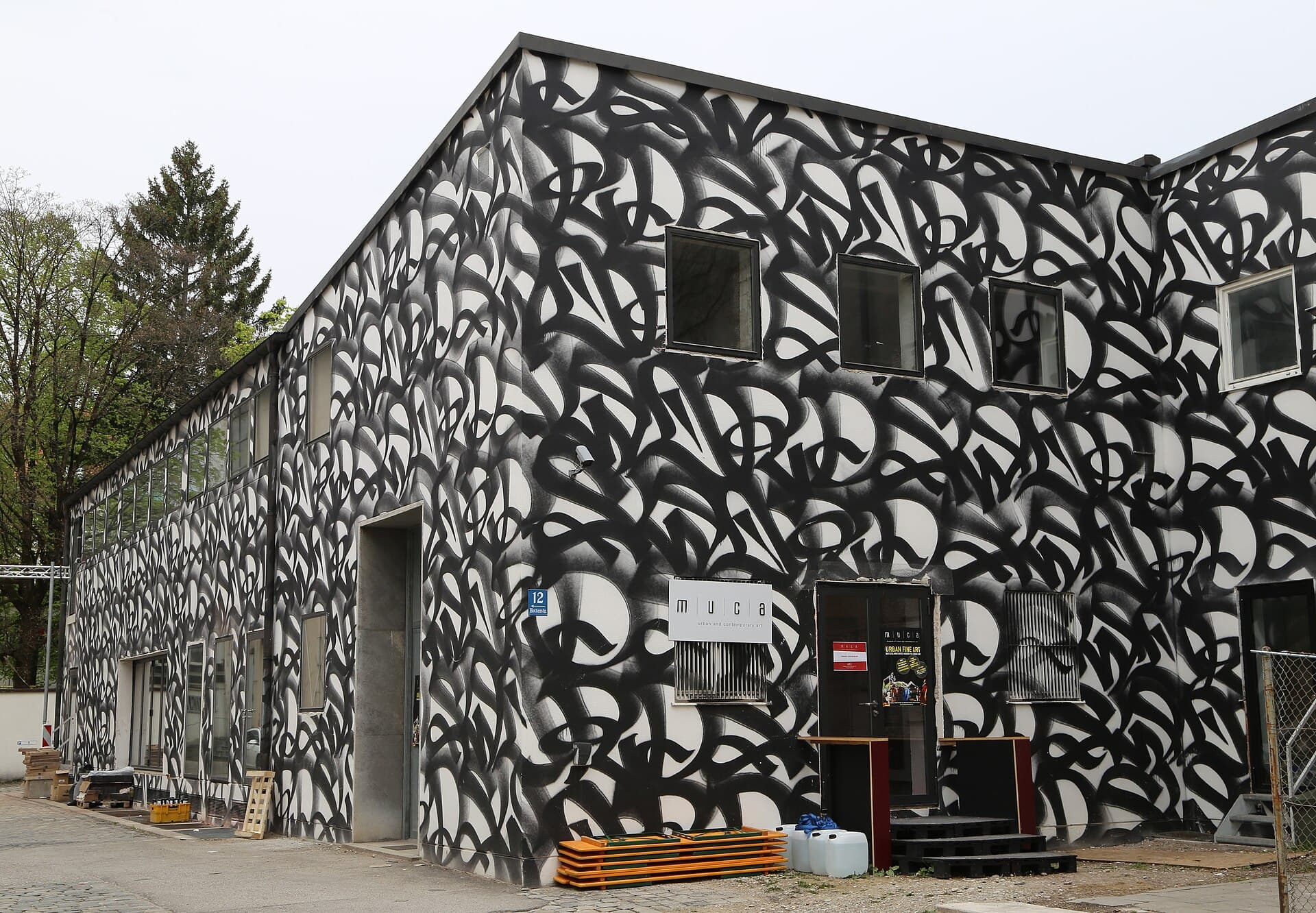 MUCA - Museum of Urban and Contemporary ArtMUCA is Germany's first museum devoted to street art and contemporary urban art,3 minutes walk4.2
 The Ruffini HousesThree adjoining buildings near Marienplatz, built between 1903 and 1905, their f4 minutes walk4.4
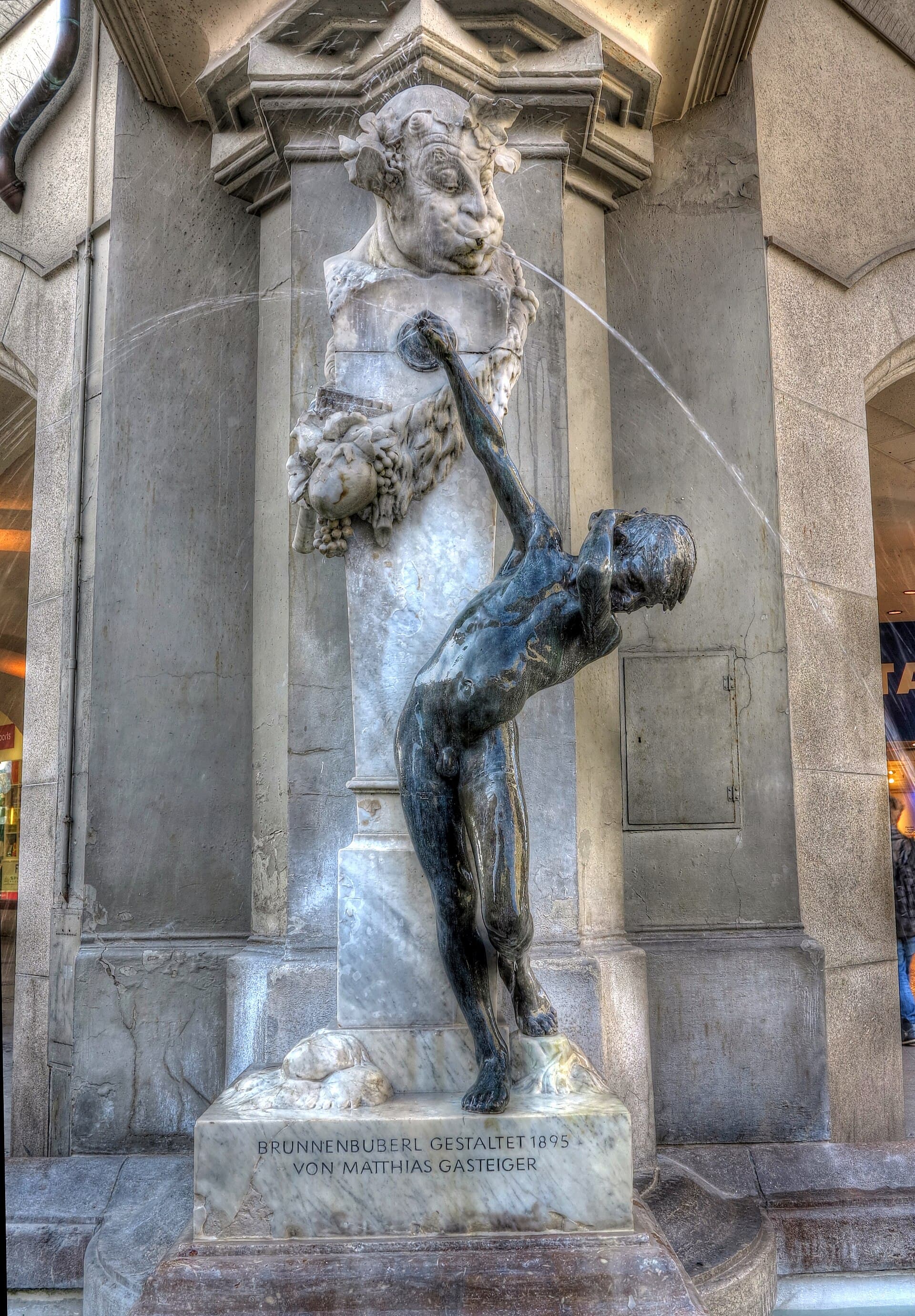 The BrunnenbuberlA small bronze fountain on the pedestrian Neuhauser Straße in central Munich, fr4 minutes walk4.7
A mythical creature from Bavarian folklore: a hare or squirrel with deer antlers, wings and sometimes fangs. Taxidermists invented it in the nineteenth century by assembling parts of different animals, and it was presented to tourists and novices as a rare real animal hunted at night with a sack and a candle. It is now a Bavarian folkloric emblem, comparable to local mythical creatures in other cultures.