
Ibn Khaldun statue
On Place de l'Indépendance.
Dacoslett — CC0 · Dan Sloan — CC BY-SA 2.0 · Badreddine besbes — CC BY-SA 3.0
The main boulevard of Tunis and the face of its modern city, which was built in the nineteenth century outside the walls of the medina. A broad tree-lined promenade runs down its centre between pavement cafés, in the manner of a European grand avenue. It begins at Place de l'Indépendance, where a statue of the historian Ibn Khaldun, born in Tunis and author of the Muqaddimah, stands beside the large frontage of the cathedral. Along the way stand the Municipal Theatre with its early twentieth-century Art Nouveau facade, old hotels and administrative buildings. At the eastern end, the square of 14 January 2011 with its clock tower recalls that the avenue was the stage of the great demonstrations of January 2011. Today it remains the place where the capital takes its evening stroll. Walking it is free at any hour, and it is at its best in the evening, when the cafés fill up. From Place de l'Indépendance, Bab el Bhar and the medina are a few minutes' walk away.
On Place de l'Indépendance.
Art Nouveau facade.
At the eastern end.
Central Tunis, from Place de l'Indépendance east towards the Lake of Tunis
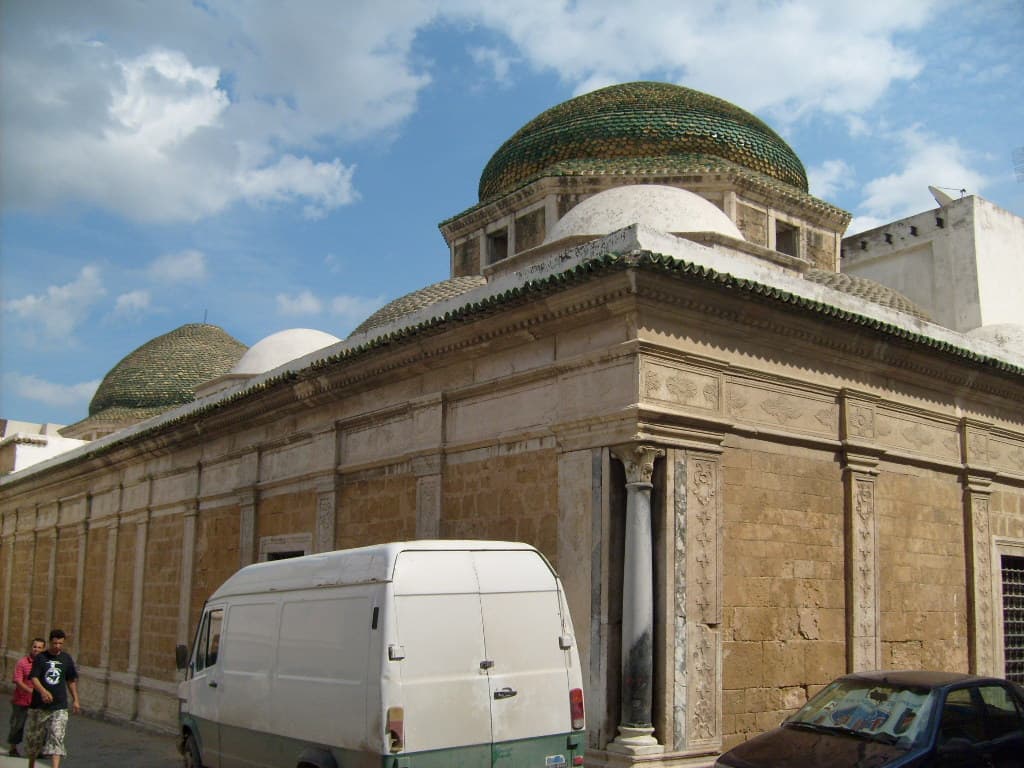 Tourbet el BeyThe royal mausoleum of the Husainid dynasty, which ruled Tunisia from 1705 to 1917 minutes walk
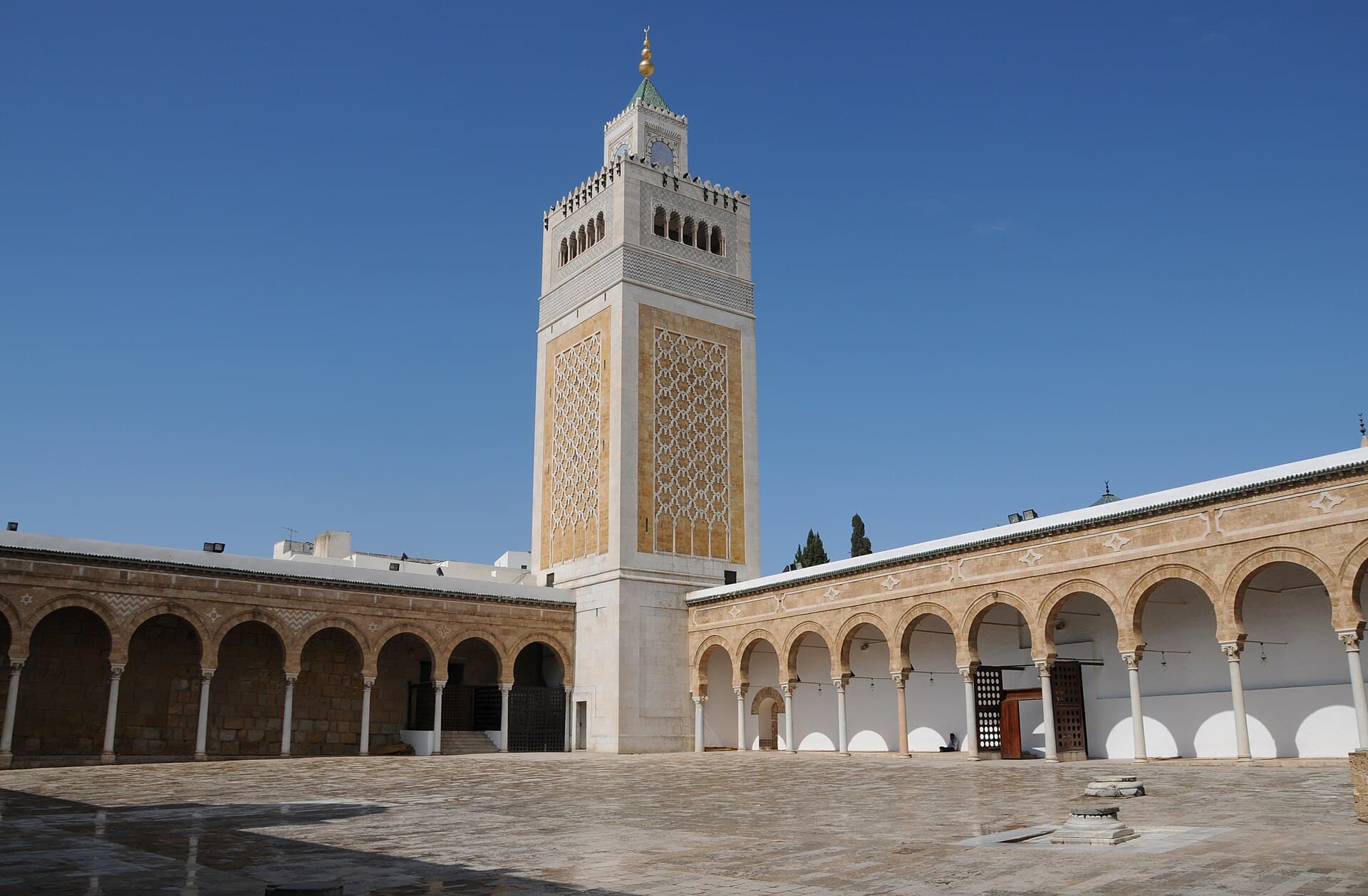 Zitouna Mosque (Al-Zaytuna)The oldest and best-known mosque in Tunis, standing at the centre of the medina 18 minutes walk4.7
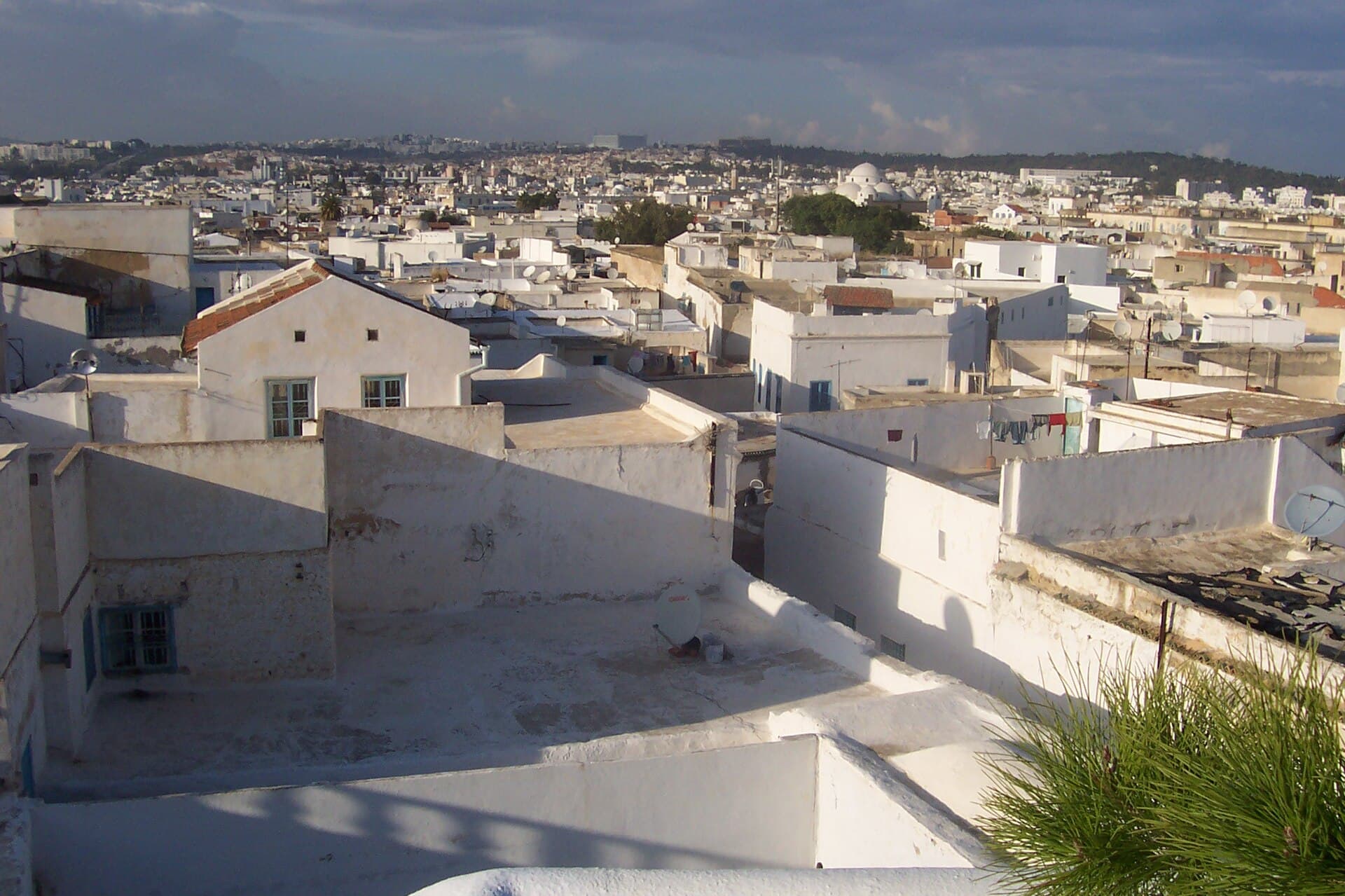 Medina of TunisThe old heart of the capital and one of the most complete historic Islamic citie18 minutes walk
A few minutes on foot: from Place de l'Indépendance at the top of the avenue you reach Bab el Bhar, the medina's main gate.