
Green domes
Scale-shaped tiles.
Credits to Mourad Ben Abdallah / Wikimedia Commons — Public domain · Rais67 — Public domain · IssamBarhoumi — CC BY-SA 4.0 · IssamBarhoumi — CC BY-SA 4.0
The royal mausoleum of the Husainid dynasty, which ruled Tunisia from 1705 to 1957, and the largest funerary monument in Tunis. It was built under Ali II Bey in the second half of the eighteenth century, and most of the Husainid beys lie here; only the last two were buried elsewhere. Domes crown the building, the main ones covered in green tiles shaped like tortoiseshell scales. The ochre sandstone facades are lined with pilasters and Italian-style entablatures. Inside, a run of funerary chambers holds the tombs of the beys, their wives, and a number of their ministers. The tombs are covered with carved marble chests. The men's carry columns topped with a chechia cap or a turban, while the women's have marble plaques at each end. The decoration mixes coloured tiles, carved plaster and Italian marble. It sits in the quieter southern part of the medina, so pair it with a walk through the southern lanes and nearby Dar Ben Abdallah.
Scale-shaped tiles.
Topped with caps and turbans.
Tiles, plaster, marble.
Rue Tourbet el Bey, south-west medina, Tunis
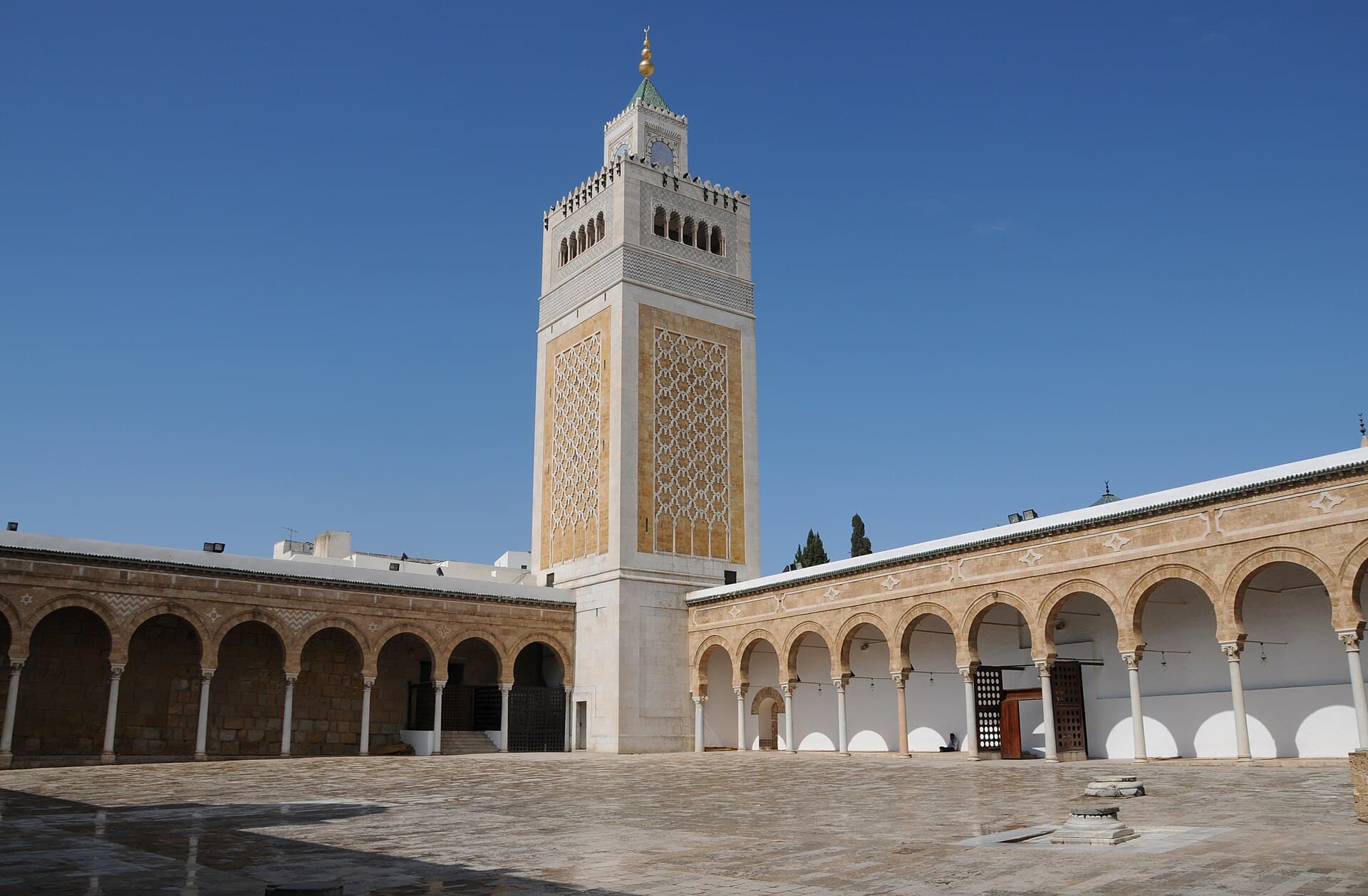 Zitouna Mosque (Al-Zaytuna)The oldest and best-known mosque in Tunis, standing at the centre of the medina 5 minutes walk4.7
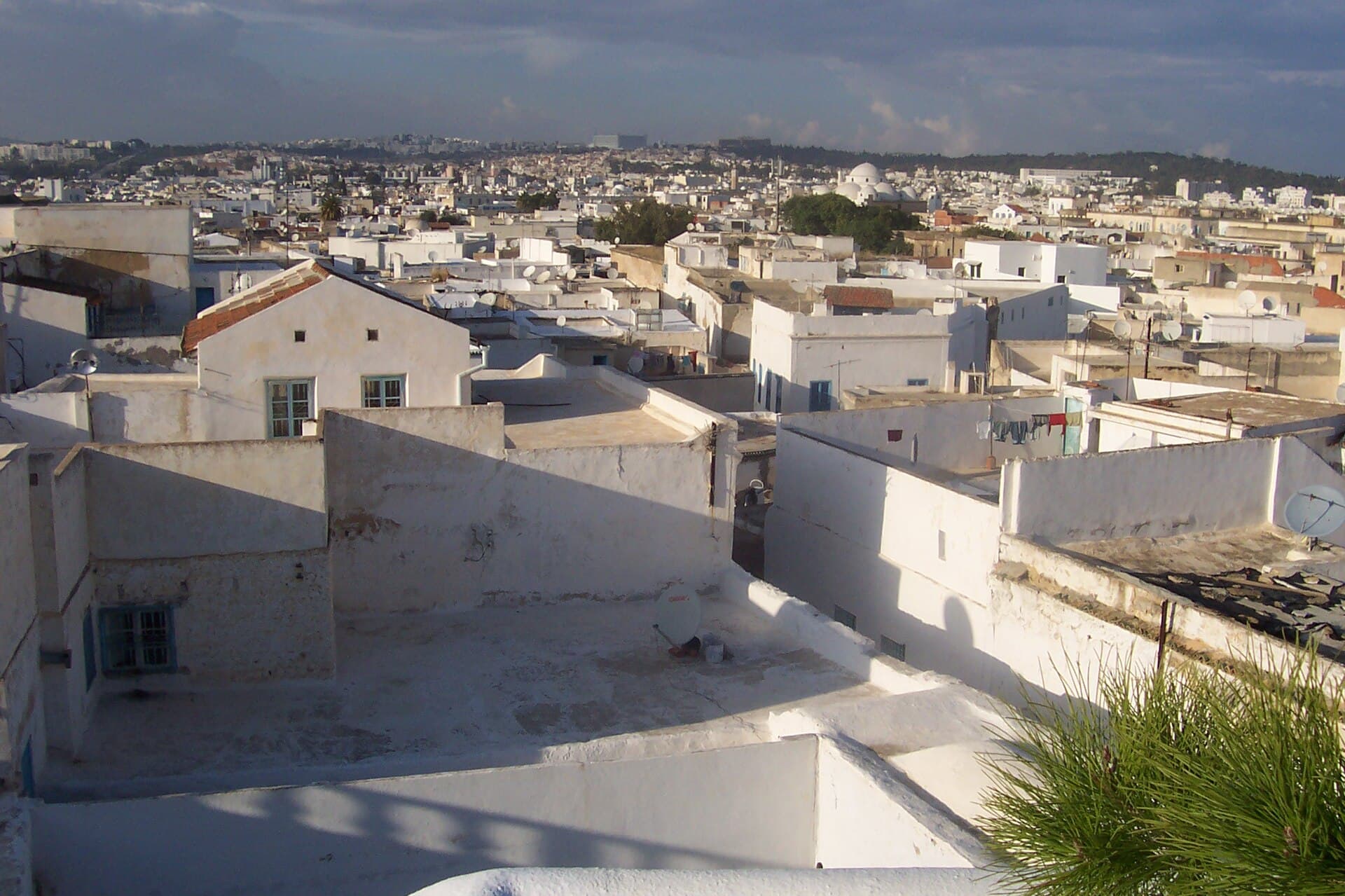 Medina of TunisThe old heart of the capital and one of the most complete historic Islamic citie8 minutes walk
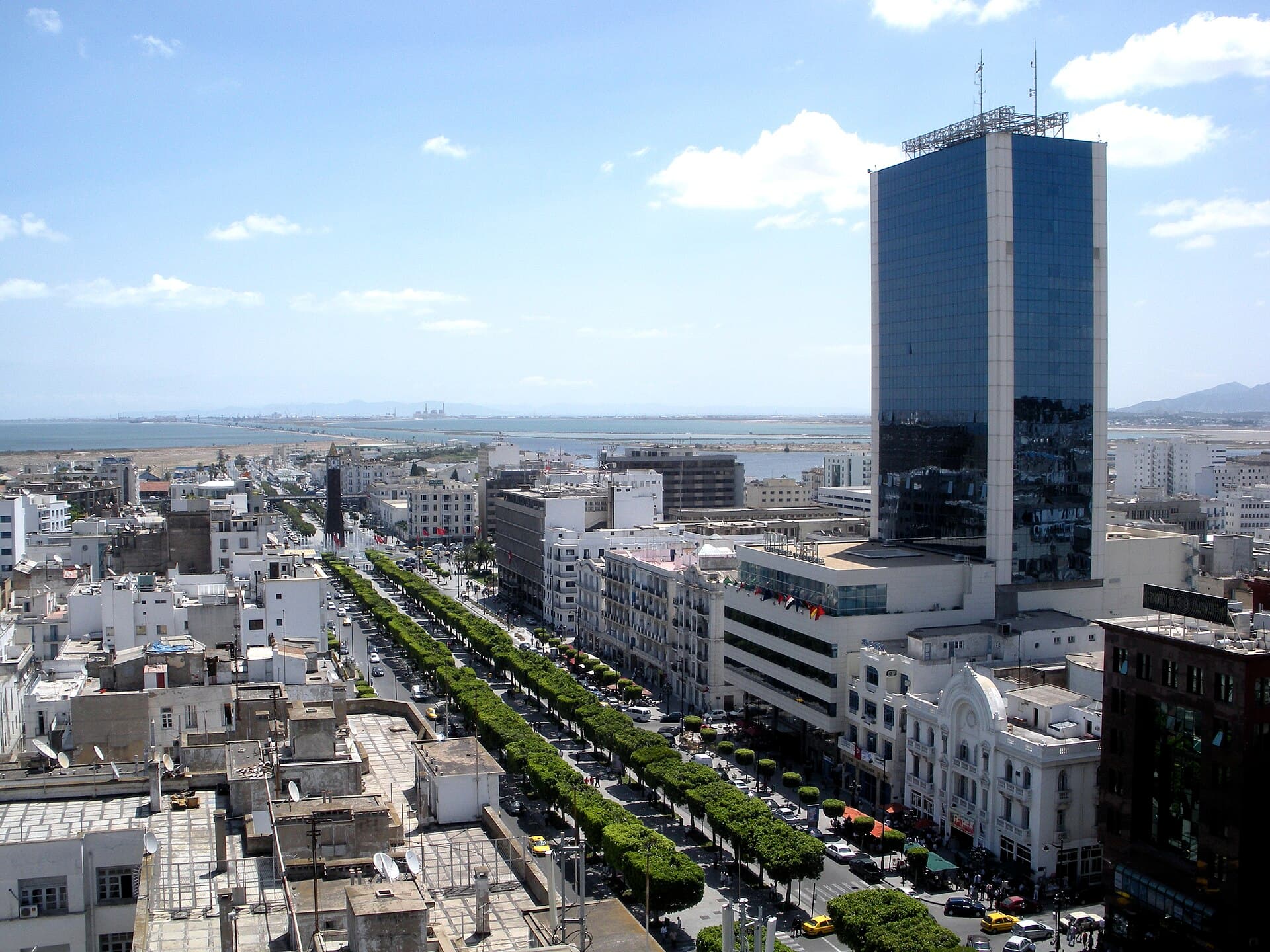 Avenue Habib BourguibaThe main boulevard of Tunis and the face of its modern city, which was built in 17 minutes walk4.4
Most of the Husainid beys, with their wives and some ministers. The last two, Moncef Bey and Lamine Bey, were buried elsewhere.