
Bab el Bhar
The medina's gateway.
Raspail — Public domain · Gervais-Courtellemont Jules — CC0 · Gadmer Frédéric — CC BY-SA 4.0 · Wildtunis — CC BY-SA 4.0
The old heart of the capital and one of the most complete historic Islamic cities in North Africa, grown up around the Zitouna Mosque since the eighth century and a UNESCO World Heritage Site since 1979. It holds hundreds of monuments, from mosques and madrasas to palaces, mausoleums and fountains, spread along narrow lanes that are often vaulted over. Most visitors start at Bab el Bhar, the gate between the old and new towns, and walk up Rue Jamaa ez-Zitouna past the souvenir stalls to the mosque itself. Around it branch the specialist souks: Souk el Attarine with its perfumes and incense, Souk ech-Chaouachia where the red chechia caps are still made, and Souk el Berka for jewellery. In the southern lanes, large old houses now serve as museums and cultural centres, such as Dar Ben Abdallah, and Tourbet el Bey holds most of the Husainid beys. Some carpet sellers invite visitors up to their rooftops to see the minarets from above, an invitation that usually ends with a sales pitch. Walking the medina is free, and mornings are best before the crowds. Wear comfortable shoes and keep a map on your phone: the lanes look alike and it is easy to get lost.
The medina's gateway.
Perfumes beside the mosque.
Red chechia caps made by hand.
Central Tunis; main entrance through Bab el Bhar on Place de la Victoire
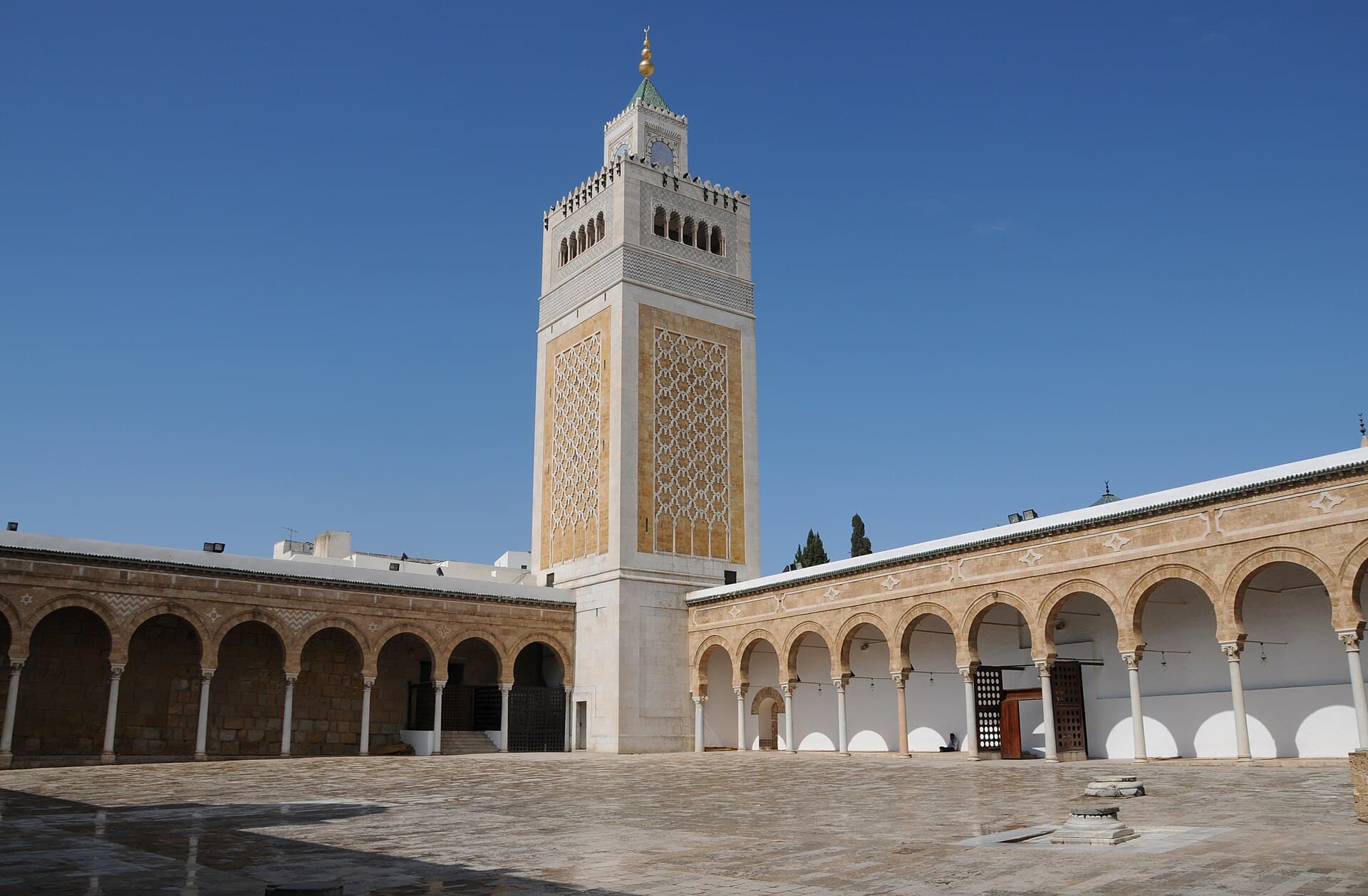 Zitouna Mosque (Al-Zaytuna)The oldest and best-known mosque in Tunis, standing at the centre of the medina 3 minutes walk4.7
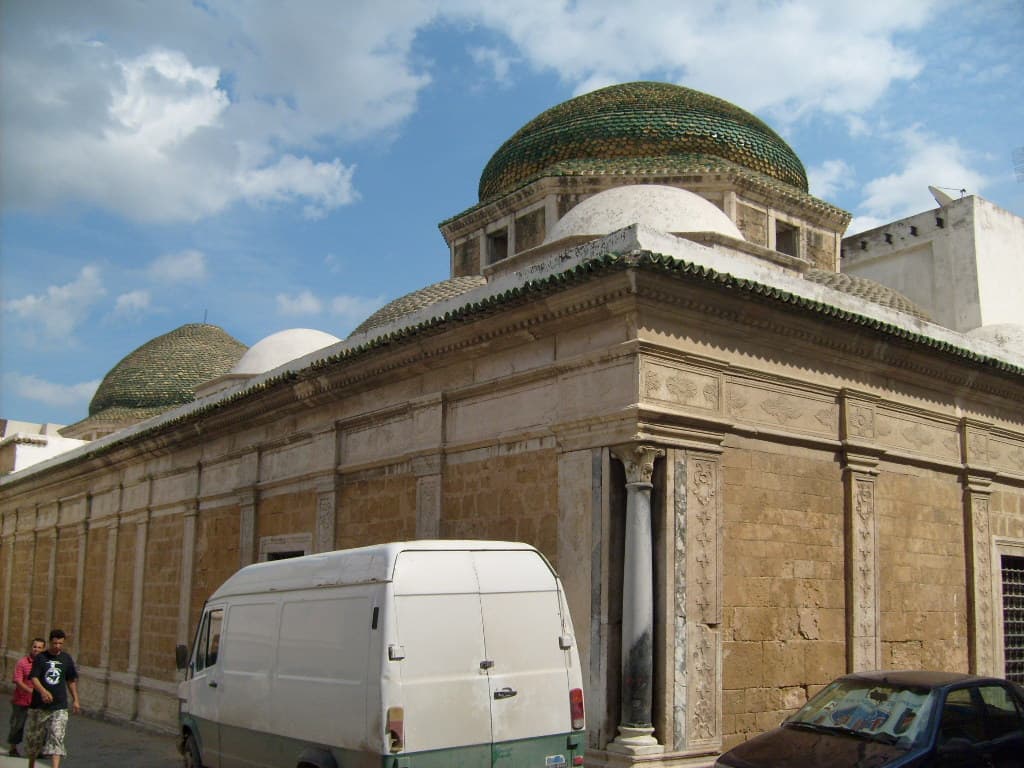 Tourbet el BeyThe royal mausoleum of the Husainid dynasty, which ruled Tunisia from 1705 to 198 minutes walk
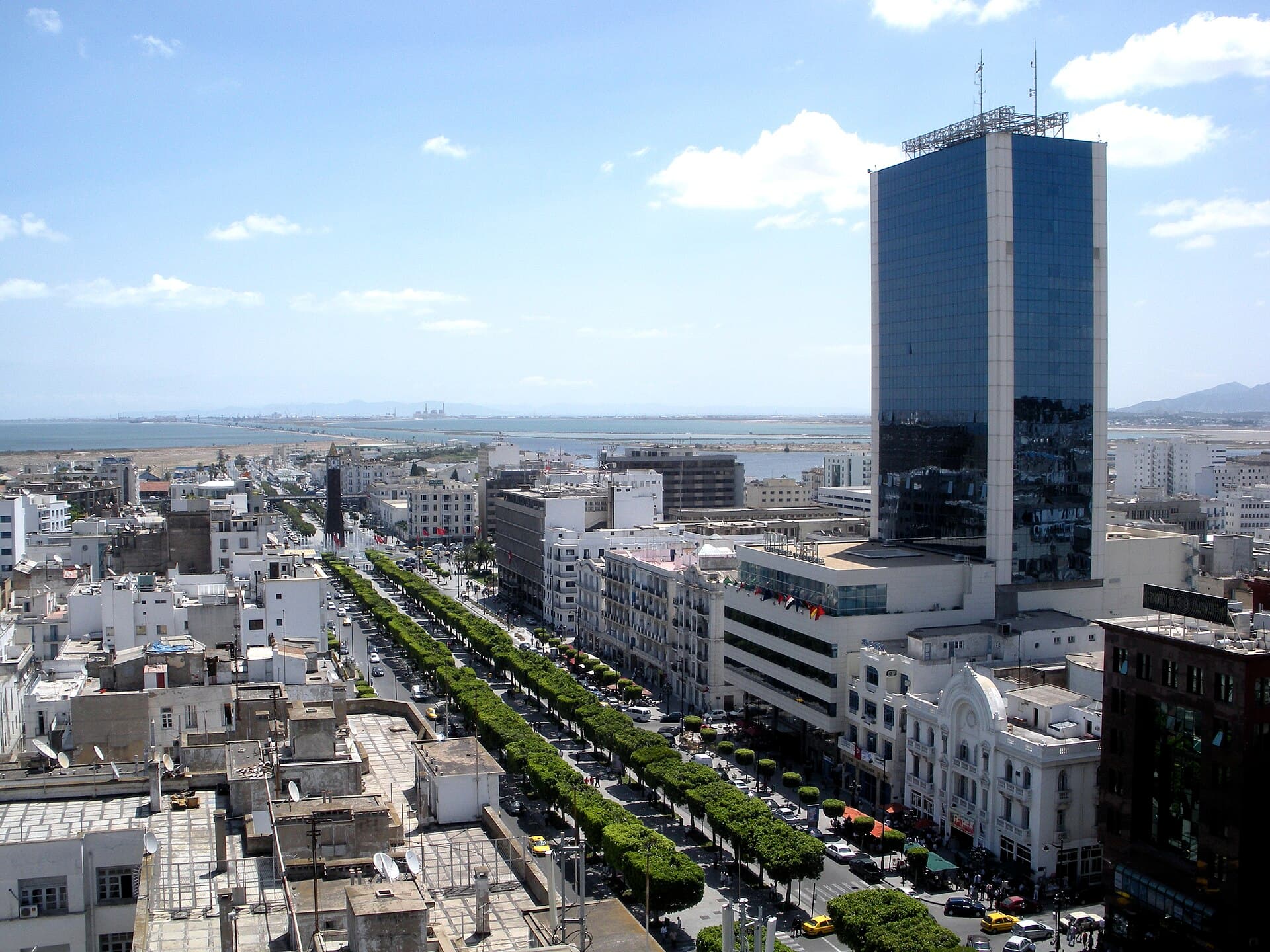 Avenue Habib BourguibaThe main boulevard of Tunis and the face of its modern city, which was built in 18 minutes walk4.4
Yes. The lanes and souks are free to walk; a few monuments inside, such as Tourbet el Bey, charge a small fee.
Two to four hours covers the main souks, the Zitouna Mosque and a few of the old houses.