
The white domes
A central dome amid half-domes and corner domes.
IssamBarhoumi — CC BY-SA 4.0 · Smailtn — CC BY-SA 4.0 · Smailtn — CC BY-SA 4.0 · Smailtn — CC BY-SA 4.0 · Gigi Sorrentino — CC BY-SA 3.0
Sidi Mahrez Mosque, officially the Muhammad Bey Mosque, crowns the Bab Souika quarter on the northern edge of the Tunis medina. Begun in 1692 by the Muradid ruler Muhammad Bey al-Muradi, it is the only Tunisian mosque built on an Ottoman plan from Istanbul, and its white domes are one of the city's symbols. It takes its popular name from the shrine facing it, the Zawiya of Sidi Mahrez, tomb of Mahrez ibn Khalaf. Born in Ariana in 951, this Maliki scholar settled in Bab Souika, died in 1022 and became the medina's patron saint, known as Sultan al-Medina. The bey died in 1696 with the mosque unfinished; his brother Ramadan Bey carried on, but unrest left the plan incomplete. Whitewashed domes rise in tiers to a central dome about 29 m high inside, braced by four half-domes and smaller corner domes, recalling Istanbul's Sultan Ahmed Mosque. Inside, floral Iznik tiles, some in Iznik's famous coral red, line the piers and much of the qibla wall. In the zawiya, visitors pass a hall with the tombs of the saint's father and a confidant before reaching his own, often leaving candles or coins. The mosque stands on Rue Sidi Mahrez near Bab Souika square, among market stalls. Non-Muslims cannot enter, per visitor guides, and see the domes from the street. At the zawiya, a working shrine, visitors knock lightly before entering; non-Muslims should ask first. The Zitouna Mosque lies about 800 m south as the crow flies, and the Saheb Ettabaa Mosque in Halfaouine about 450 m north.
A central dome amid half-domes and corner domes.
Floral tiles on the piers and qibla wall.
The patron saint's shrine, facing the mosque.
Rue Sidi Mahrez, Bab Souika, northern medina, Tunis
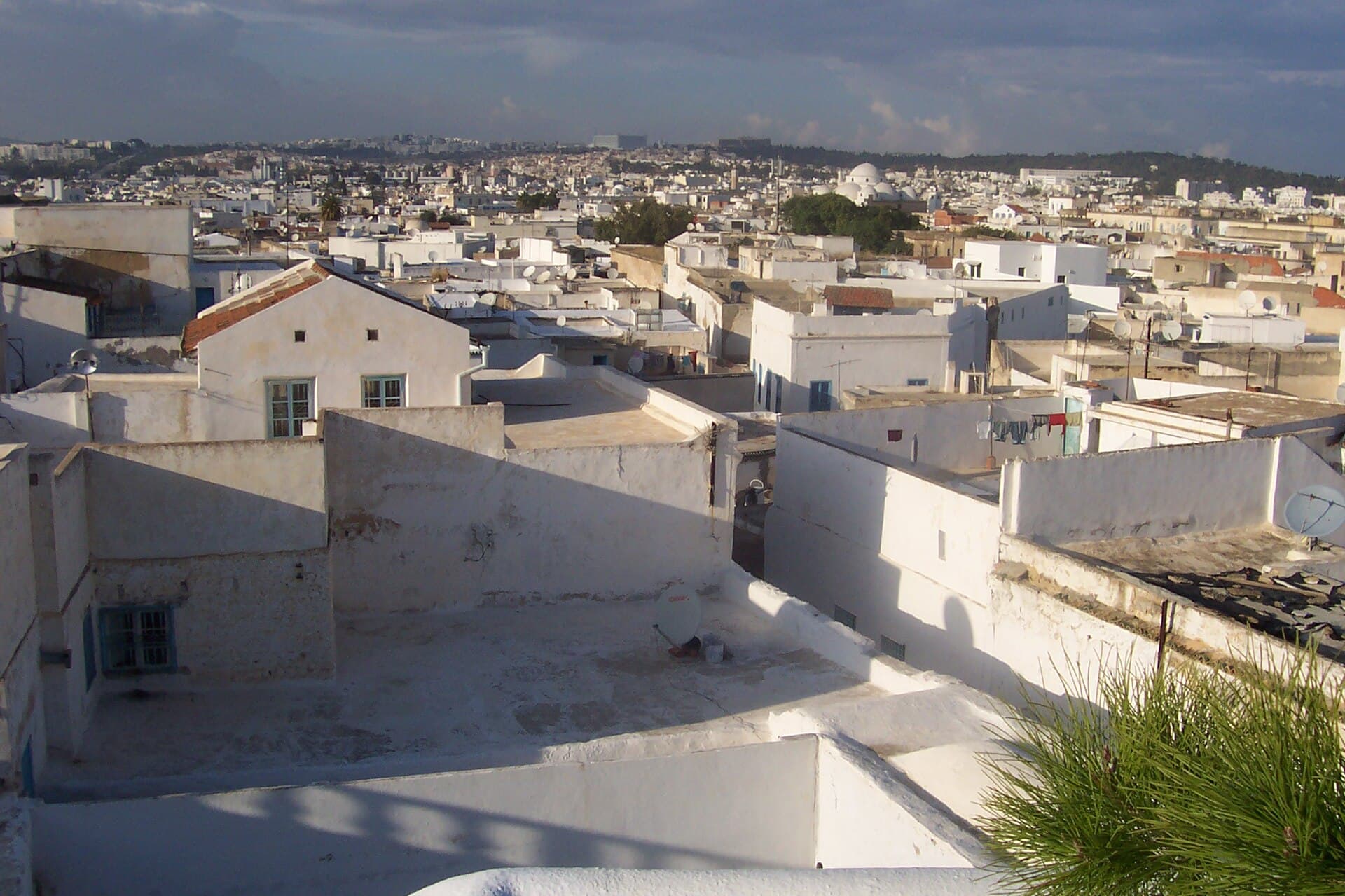 Medina of TunisThe old heart of the capital and one of the most complete historic Islamic citie8 minutes walk
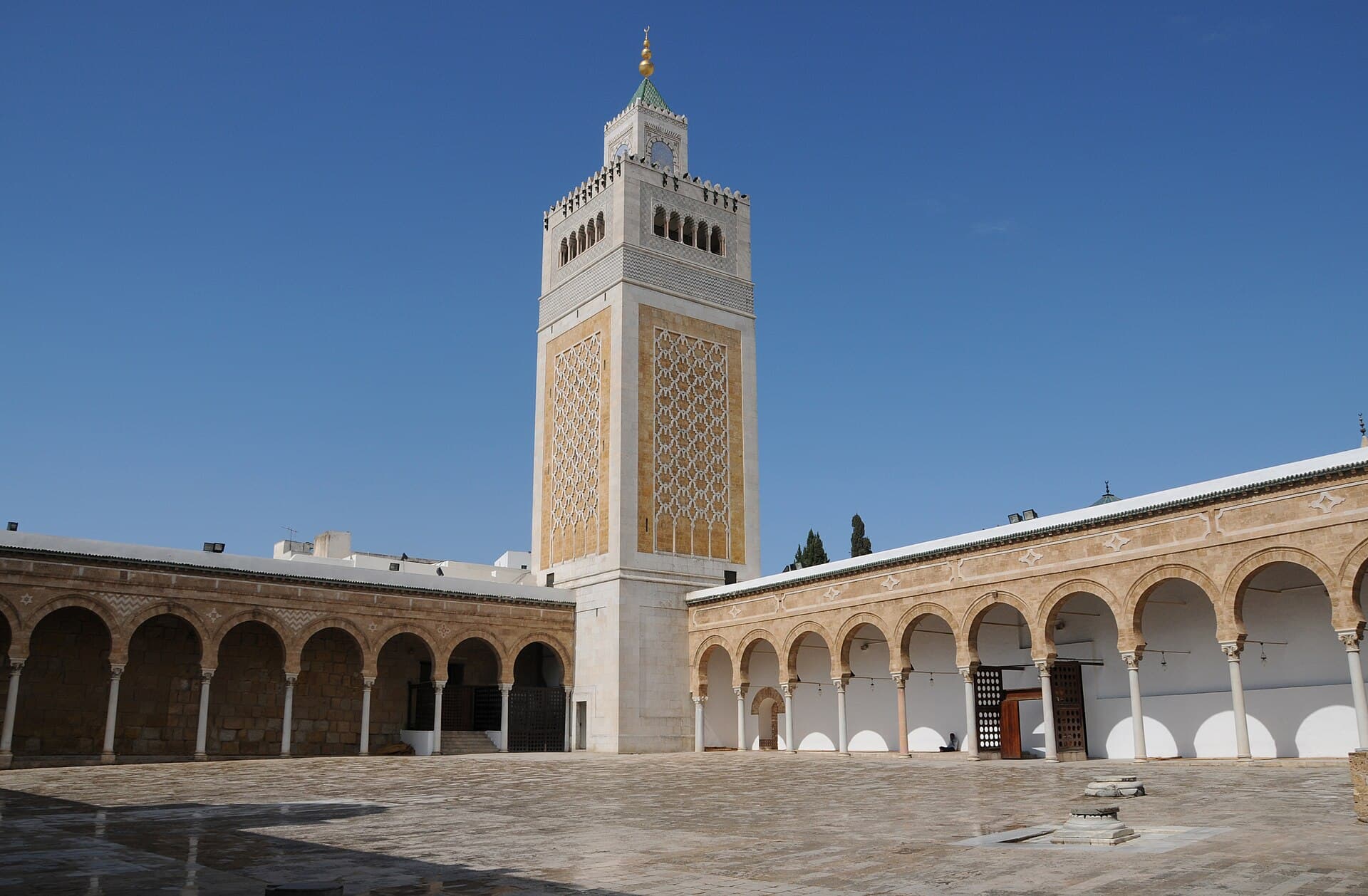 Zitouna Mosque (Al-Zaytuna)The oldest and best-known mosque in Tunis, standing at the centre of the medina 10 minutes walk4.7
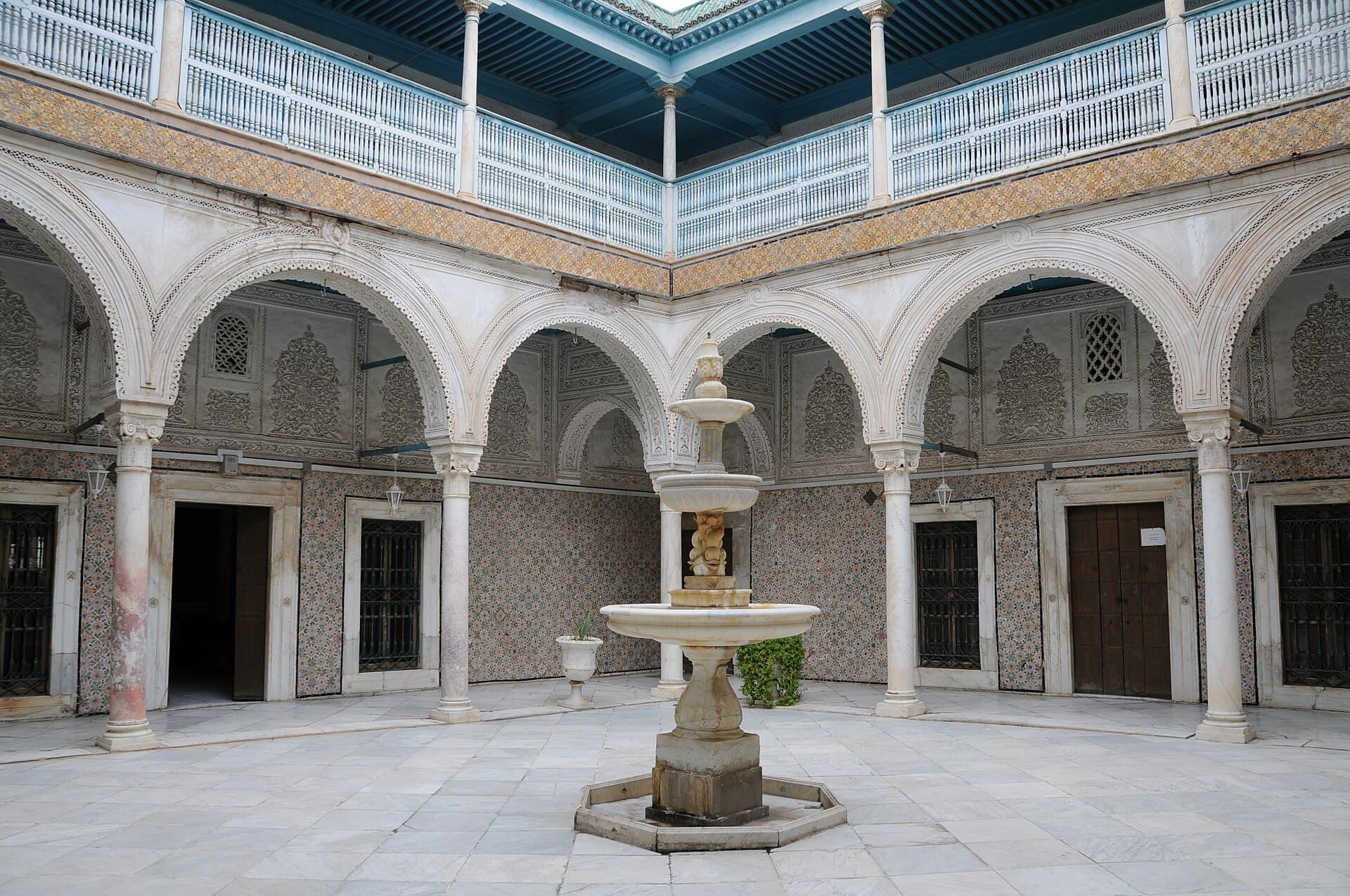 Dar Ben Abdallah MuseumDar Ben Abdallah is a grand palace in the southern medina of Tunis, beside Tourb15 minutes walk
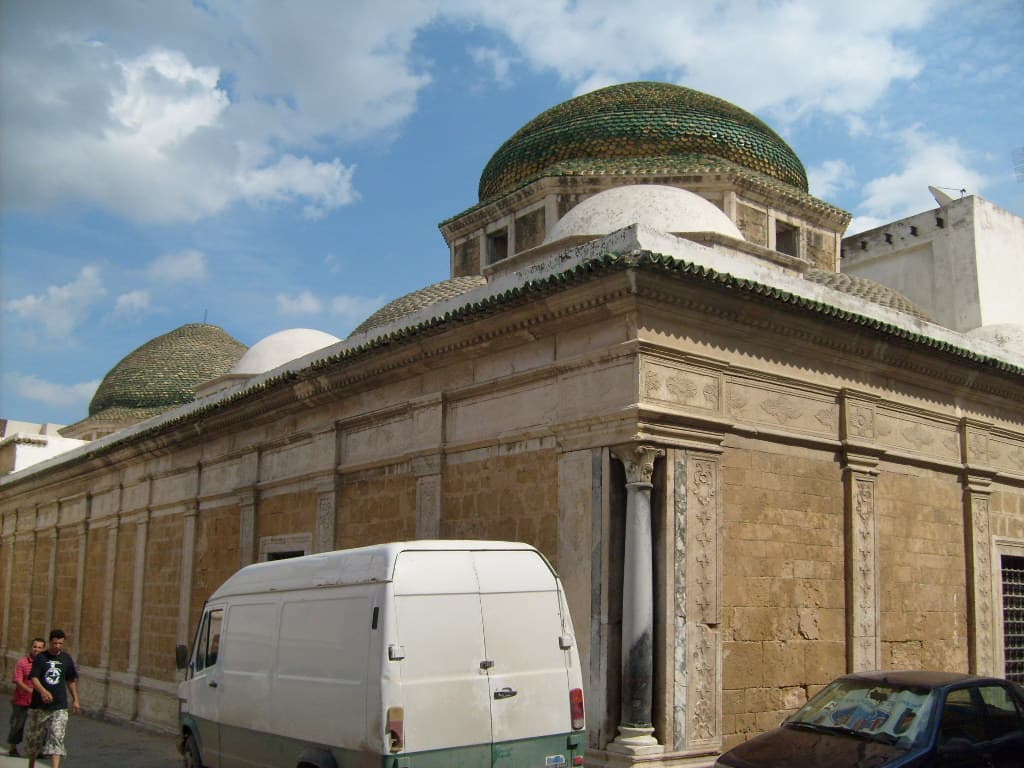 Tourbet el BeyThe royal mausoleum of the Husainid dynasty, which ruled Tunisia from 1705 to 1915 minutes walk
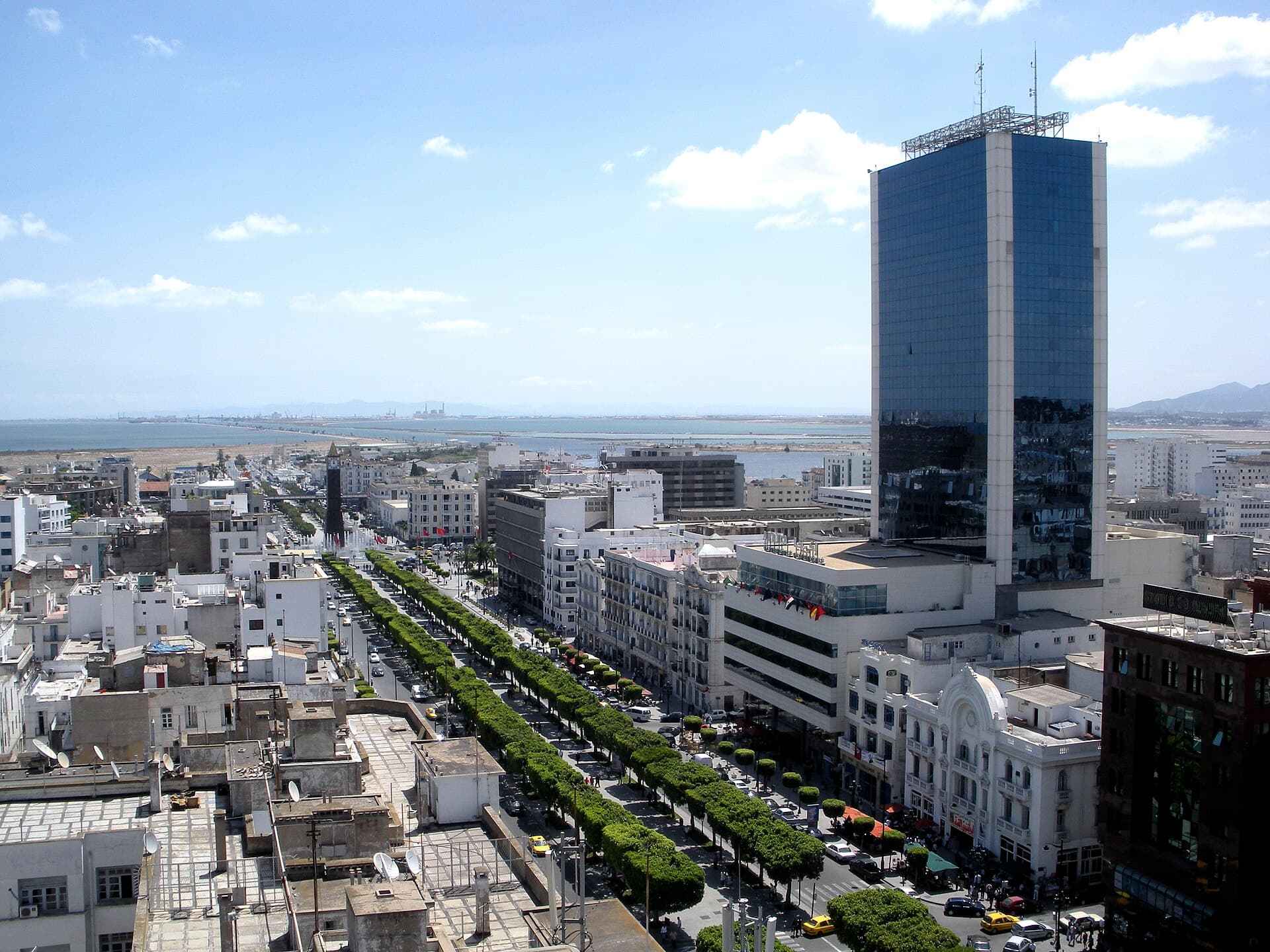 Avenue Habib BourguibaThe main boulevard of Tunis and the face of its modern city, which was built in 21 minutes walk4.4
The plan included an octagonal Ottoman-style minaret, but after the founder's death and the turmoil that followed only its base was built, and even that was later taken down. The small square minaret beside the domes belongs to an older, smaller mosque on the site.
Tradition says the people of Tunis gave him the title for his part in reviving their city: he is credited with the Bab Souika suburb, new walls and souks freed of non-Quranic taxes. Tradition also credits him with letting the Jewish community settle inside the walls.