
The courtyard
Framed by arcades.
Citizen59 — CC BY-SA 3.0 · Noomen9 — CC BY-SA 4.0 · Foued Béjaoui — CC BY-SA 3.0 · Noomen9 — CC BY-SA 4.0
The oldest and best-known mosque in Tunis, standing at the centre of the medina with the souks radiating out from its walls. It was founded at the end of the seventh or the start of the eighth century, but its present form dates mostly from a ninth-century rebuilding, with many ancient columns brought from Carthage, followed by additions and restorations over the centuries. The mosque was never only a place of prayer. It grew into a university, the University of Ez-Zitouna, Tunisia's leading seat of learning from around the thirteenth century. The jurists Ibn Arafa and al-Maziri taught here, and the poet Aboul-Qacem Echebbi studied here. Muslims pray here at prayer times like in any mosque. Non-Muslims are usually allowed into the courtyard for a short window in the morning, outside prayer times and not on Fridays, per visitor guides; from the courtyard you can see into the colonnaded prayer hall. Dress modestly, with shoulders and knees covered; women are advised to bring a headscarf. Rooftop cafés and shops nearby offer a view down onto the courtyard and the minaret.
Framed by arcades.
Reused in the building.
From nearby cafés.
Rue Jamaa ez-Zitouna, Medina, Tunis
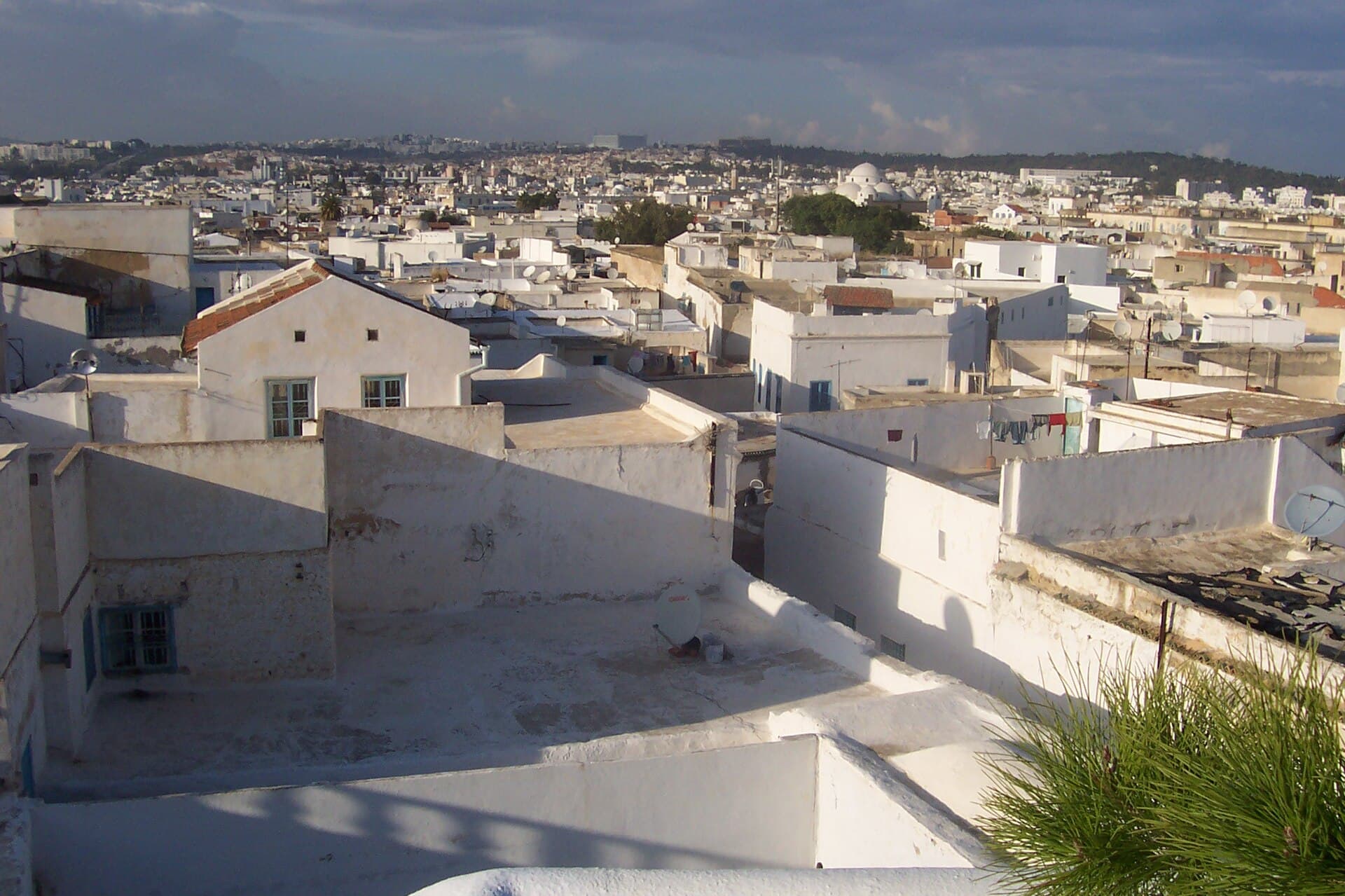 Medina of TunisThe old heart of the capital and one of the most complete historic Islamic citie3 minutes walk
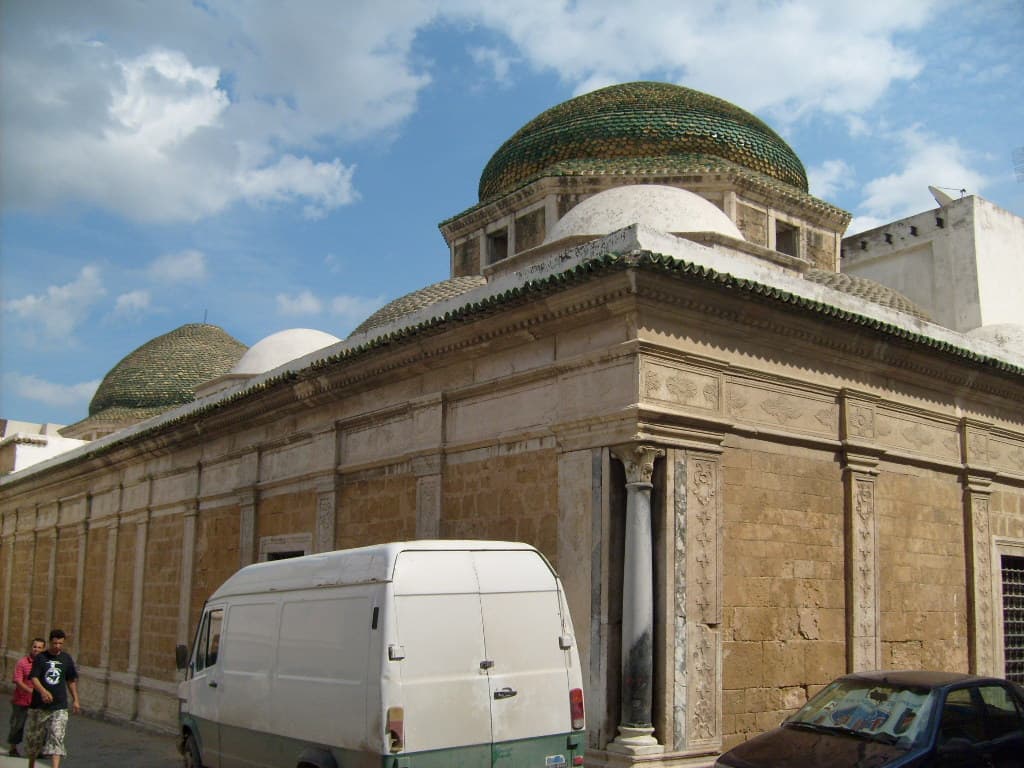 Tourbet el BeyThe royal mausoleum of the Husainid dynasty, which ruled Tunisia from 1705 to 195 minutes walk
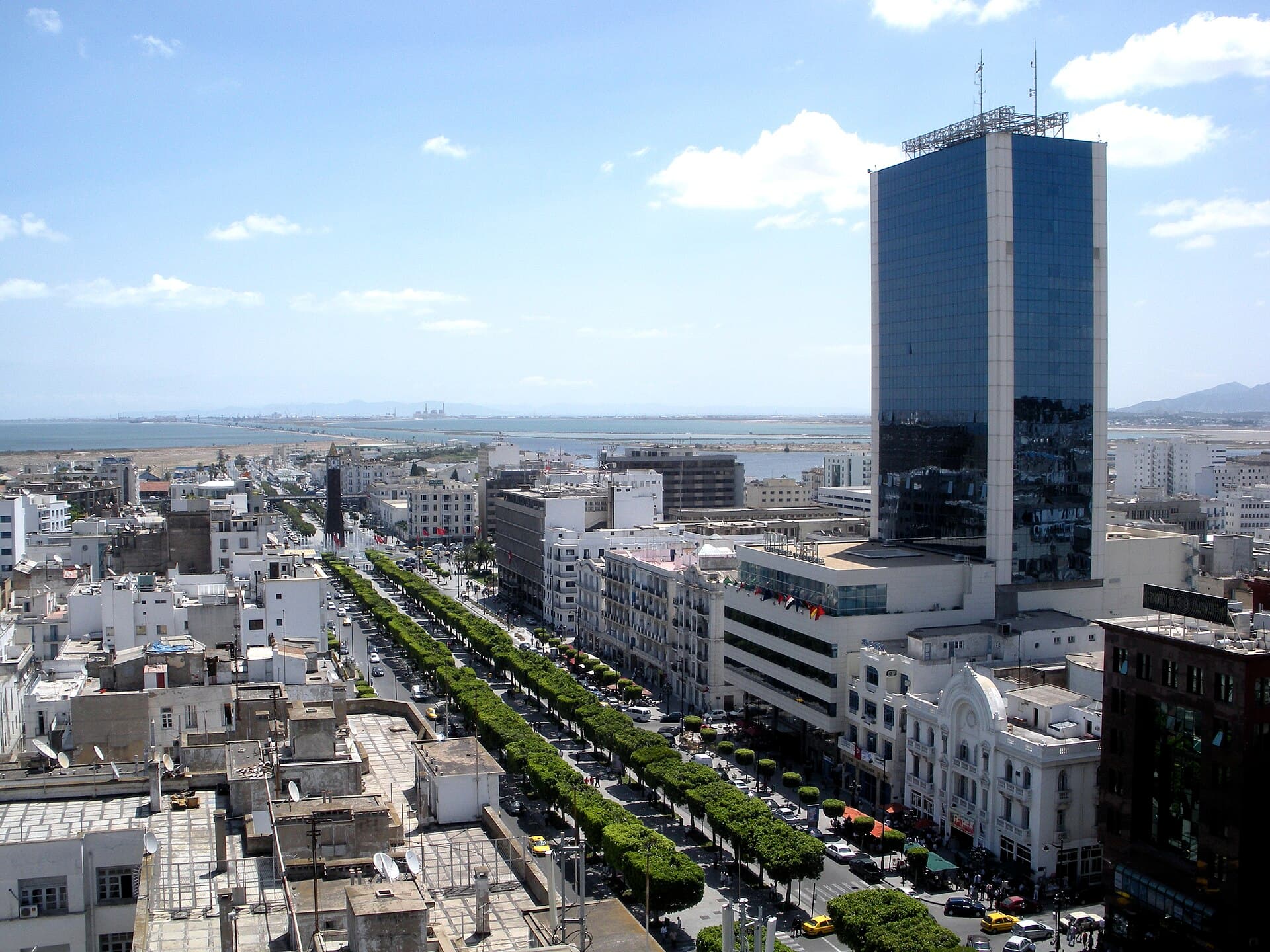 Avenue Habib BourguibaThe main boulevard of Tunis and the face of its modern city, which was built in 18 minutes walk4.4
Usually only the courtyard, with a 5 TND ticket, during a short morning window outside prayer times and not on Fridays, per visitor guides. The prayer hall is for worshippers.