
The three outlets
Where the water wells up.
Ermell — CC BY-SA 4.0 · Xiehechaotian — Public domain · Rolfmueller — CC BY-SA 3.0 · Ermell — CC BY-SA 4.0 · Ermell — CC BY-SA 4.0 · Yumeto — CC BY-SA 4.0 · Ermell — CC BY-SA 4.0 · Rolfmueller — CC BY-SA 3.0
The most famous spring of Jinan, «the city of springs», an artesian spring whose water wells up through three outlets into a clear pool; it is mentioned in the Spring and Autumn Annals, one of the Five Classics of Chinese literature, and the Qianlong Emperor of the Qing dynasty named it «the Number One Spring under Heaven». It heads the more than 70 named springs in the city centre, all fed by a limestone aquifer beneath Jinan that is recharged from the hills to the south, and its water rises into a 30-metre rectangular pool framed by historic buildings such as the Song-era Luoyuan Hall, the Ming Guanlan Pavilion and the Laihe Bridge; the park around it, open since 1956, holds about twenty other springs among pavilions, walkways and willows, as well as a memorial to the poet Li Qingzhao. Tickets cost CNY 40 from April to October and CNY 30 for the rest of the year, and the park is open from 7 am to 7 pm, per visitor guides. A short walk west lie the Great Southern Mosque and the Muslim quarter.
Where the water wells up.
With its historic pavilions.
Twenty more springs.
Baotu Spring Park, Lixia District, central Jinan
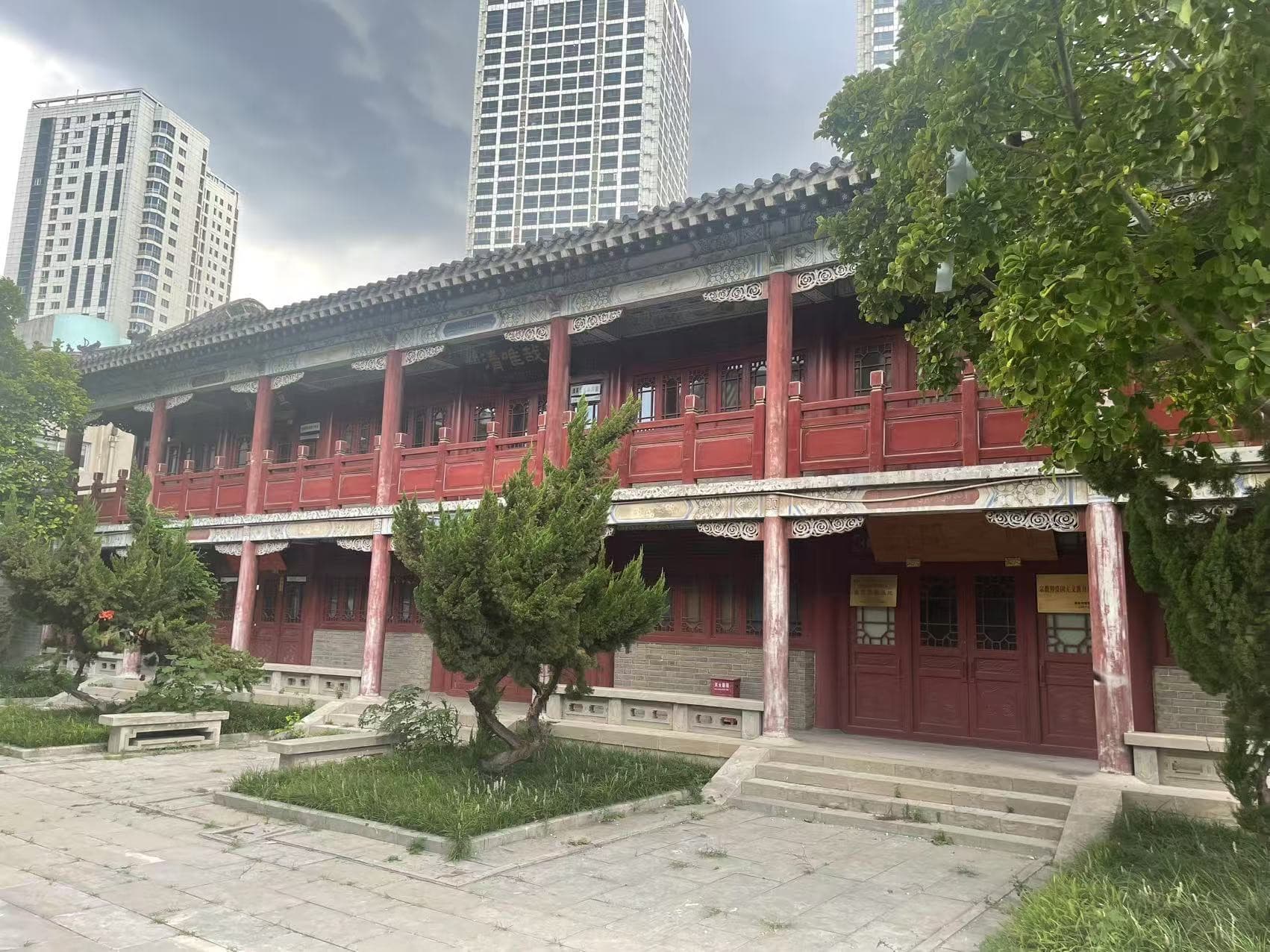 Jinan Great Southern MosqueOne of China's well-known mosques, founded on its present site in 1295 under the7 minutes walk
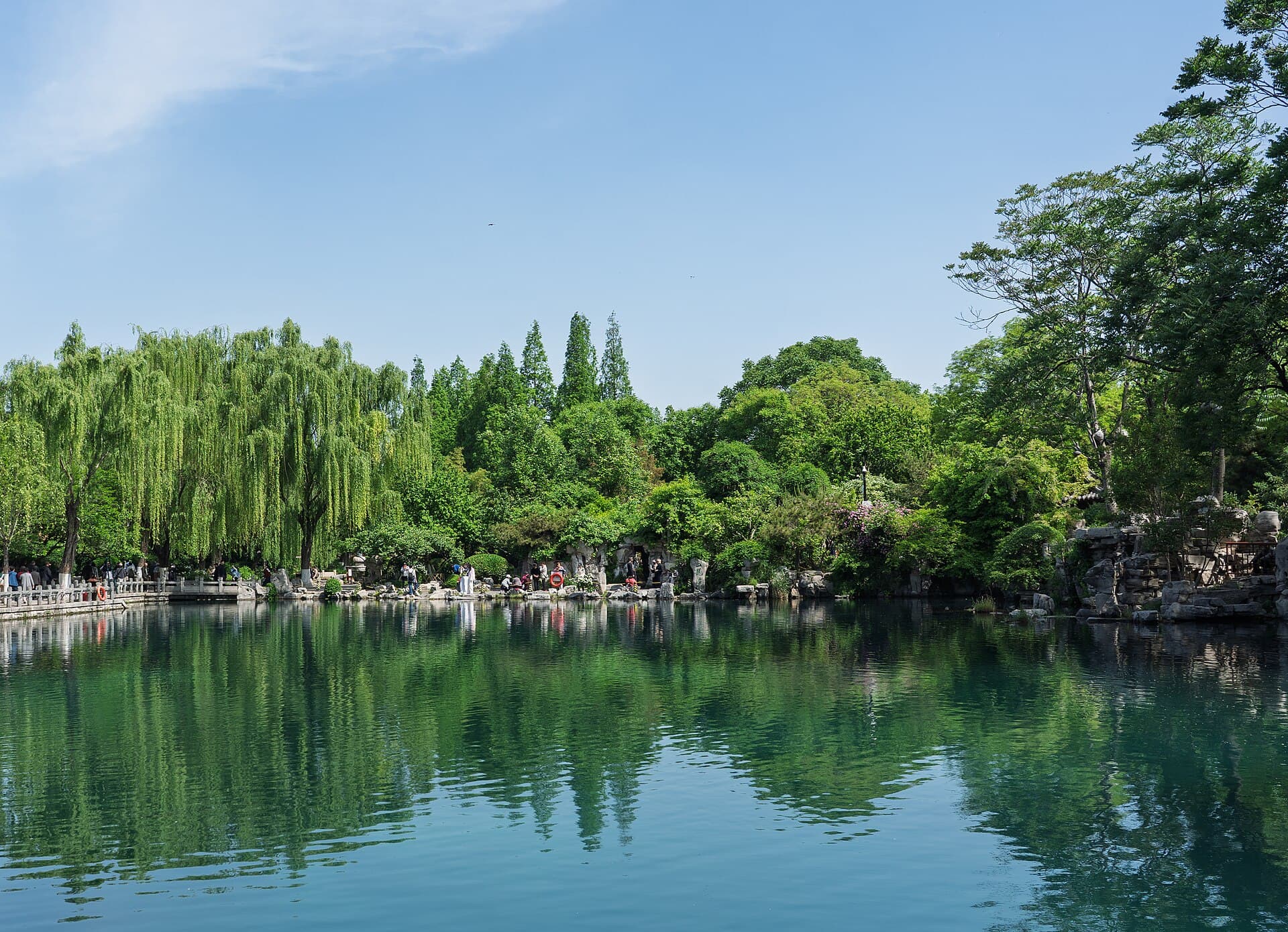 Five Dragon PoolA pond fed by artesian springs and one of Jinan's best-known springs, at the hea7 minutes walk
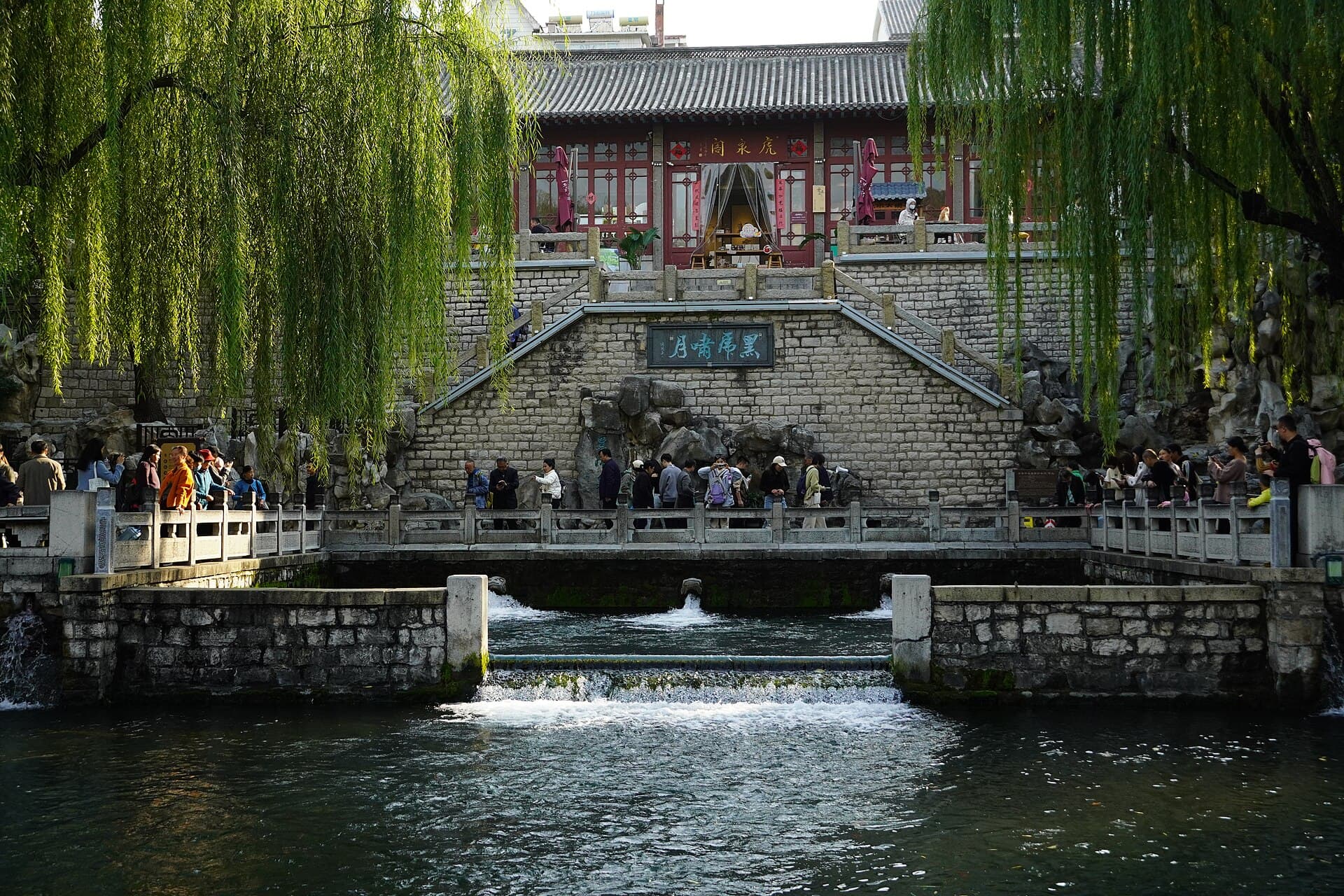 Black Tiger SpringThe second most important of Jinan's springs after Baotu Spring; its water rises20 minutes walk
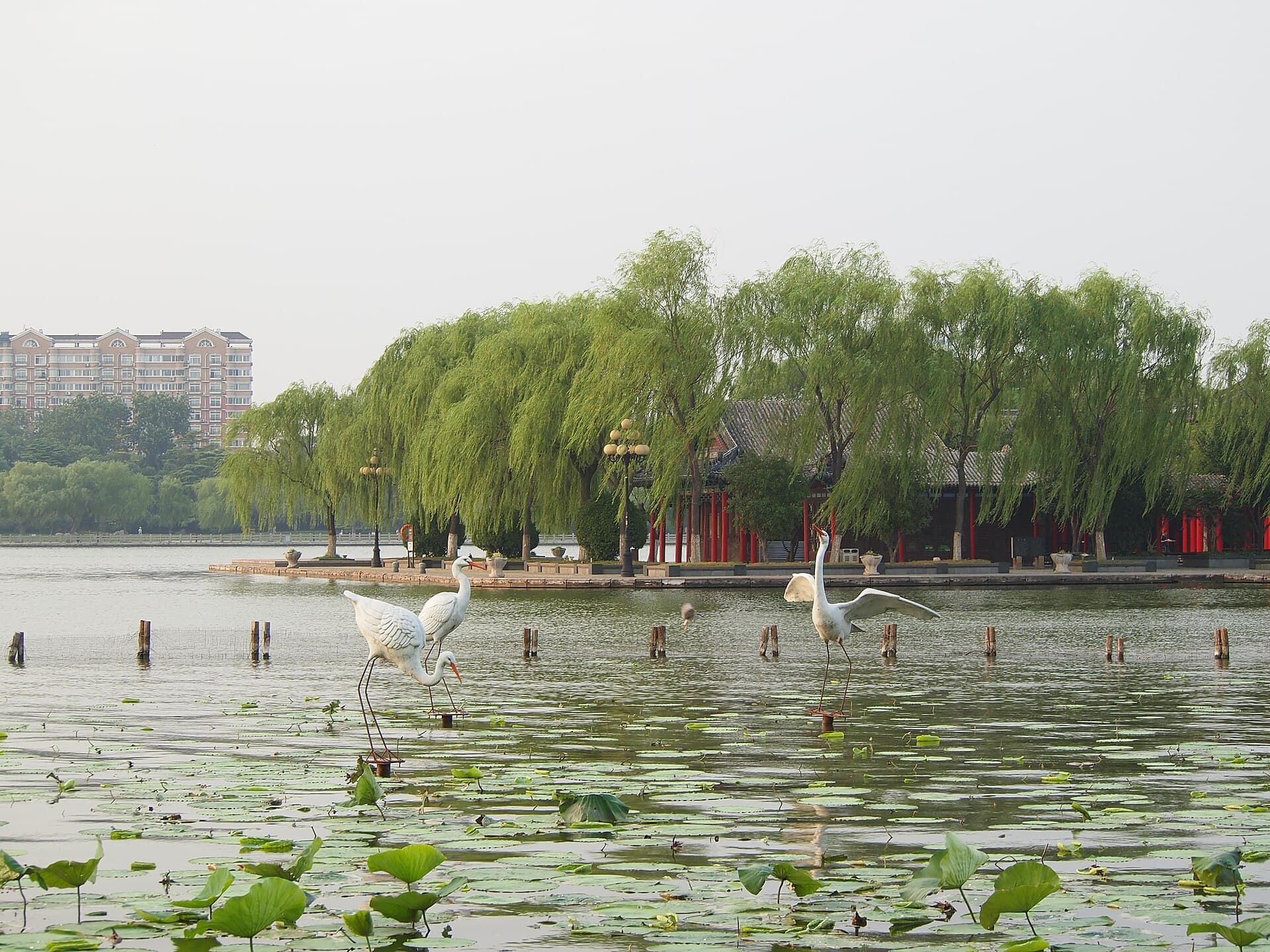 Daming LakeJinan's largest lake, whose name means «Lake of the Great Splendour», lies north23 minutes walk
Yes, Baotu Spring, Five Dragon Pool, Black Tiger Spring and Daming Lake all lie close together in the old city, so a full day on foot covers them.
In the Muslim quarter west of the park around the Great Southern Mosque, where restaurants run by Hui Muslims carry the halal sign, while other food stalls in the old city may serve pork.