
The round helmet
Seven turrets against the Ottomans.
Jeremiah Z. Cockroach — CC BY-SA 4.0 · Igor123121 — CC BY 4.0 · Jakub Hałun — CC BY-SA 4.0 · Marcin Konsek — CC BY-SA 4.0
The Barbican is Krakow's war helmet: a round gate-fort (1498) of three-metre walls and seven watch turrets — the largest and completest of Europe's three surviving barbicans, built against the advancing Ottomans and once tunnel-linked to the gate behind. Behind it the Gothic Florian Gate with its tower — entrance of the Royal Road every coronation king walked down to the Rynek and on to Wawel — its inner wall a street painters' gallery for a century, the wall remnant with three towers walkable in summer. And around the whole town runs the Planty: where the walls fell (1820s), a four-kilometre ring garden was planted encircling the old town in unbroken shade — the morning and sunset walk that returns you where you began: round the entire town in one green hour no car crosses.
Seven turrets against the Ottomans.
Street painters on the kings' wall.
Basztowa 15, 30-547 Krakow
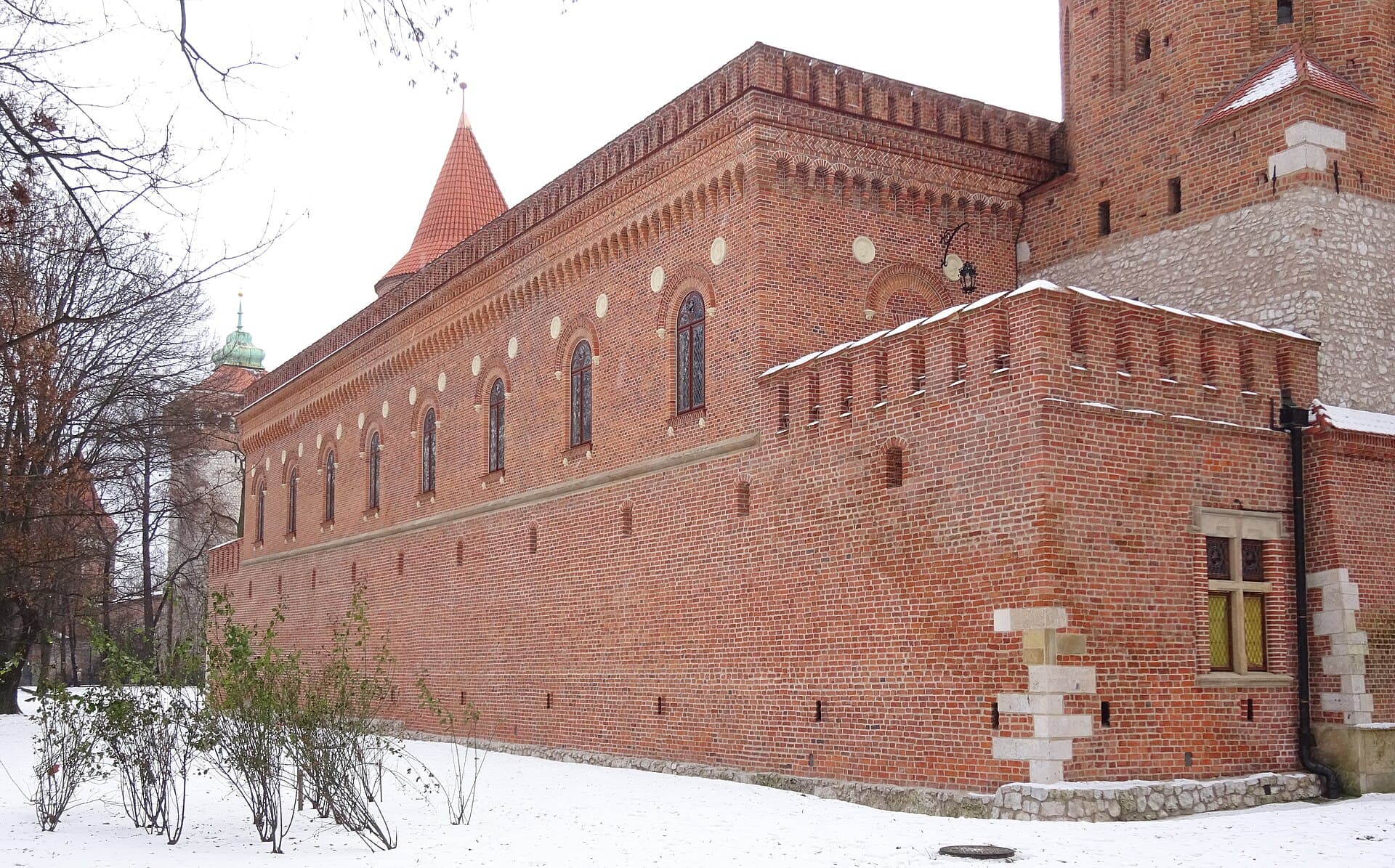 The City ArsenalA sixteenth-century arsenal building attached to Kraków's walls, today a branch 1 minute walk4.8
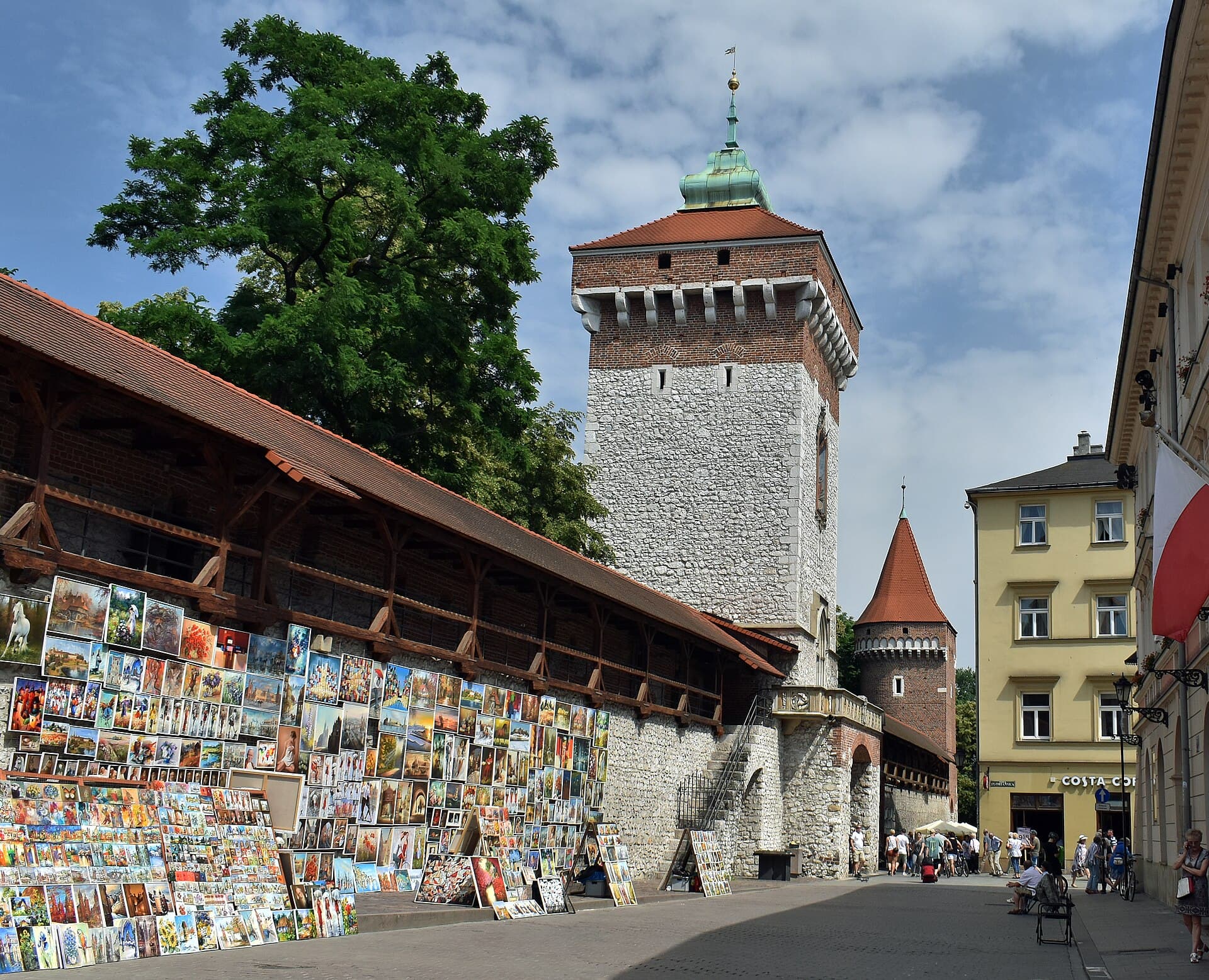 The Defensive WallsWhat remains of Kraków's medieval wall: a short stretch holding the Florian Gate1 minute walk4.7
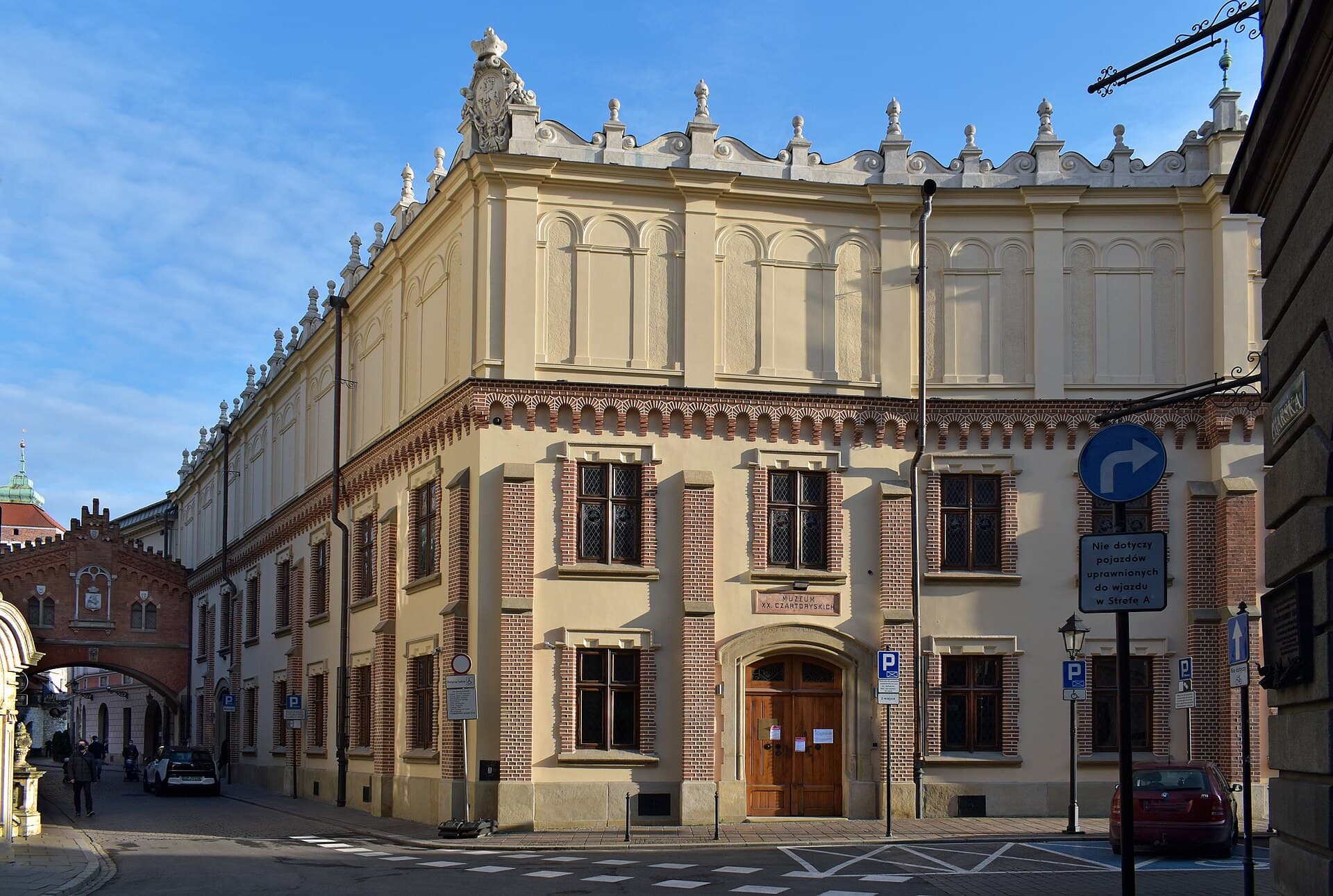 The Czartoryski Museum & the LeonardoThe Czartoryski is home of Poland's most famous painting: the Lady with an Ermin2 minutes walk4.9
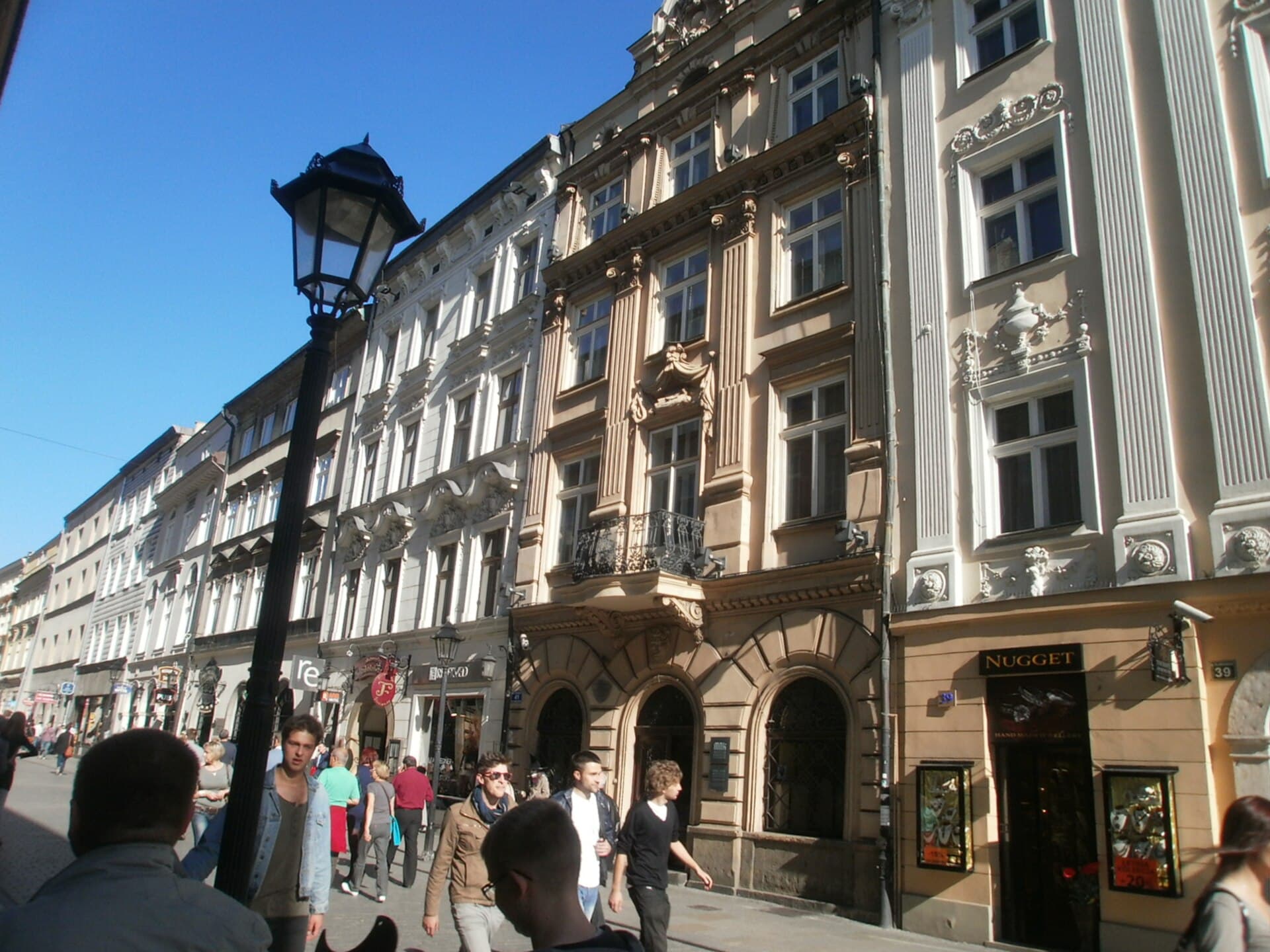 Jan Matejko HouseThe house of the painter Jan Matejko on Floriańska street in the old town, where2 minutes walk4.7
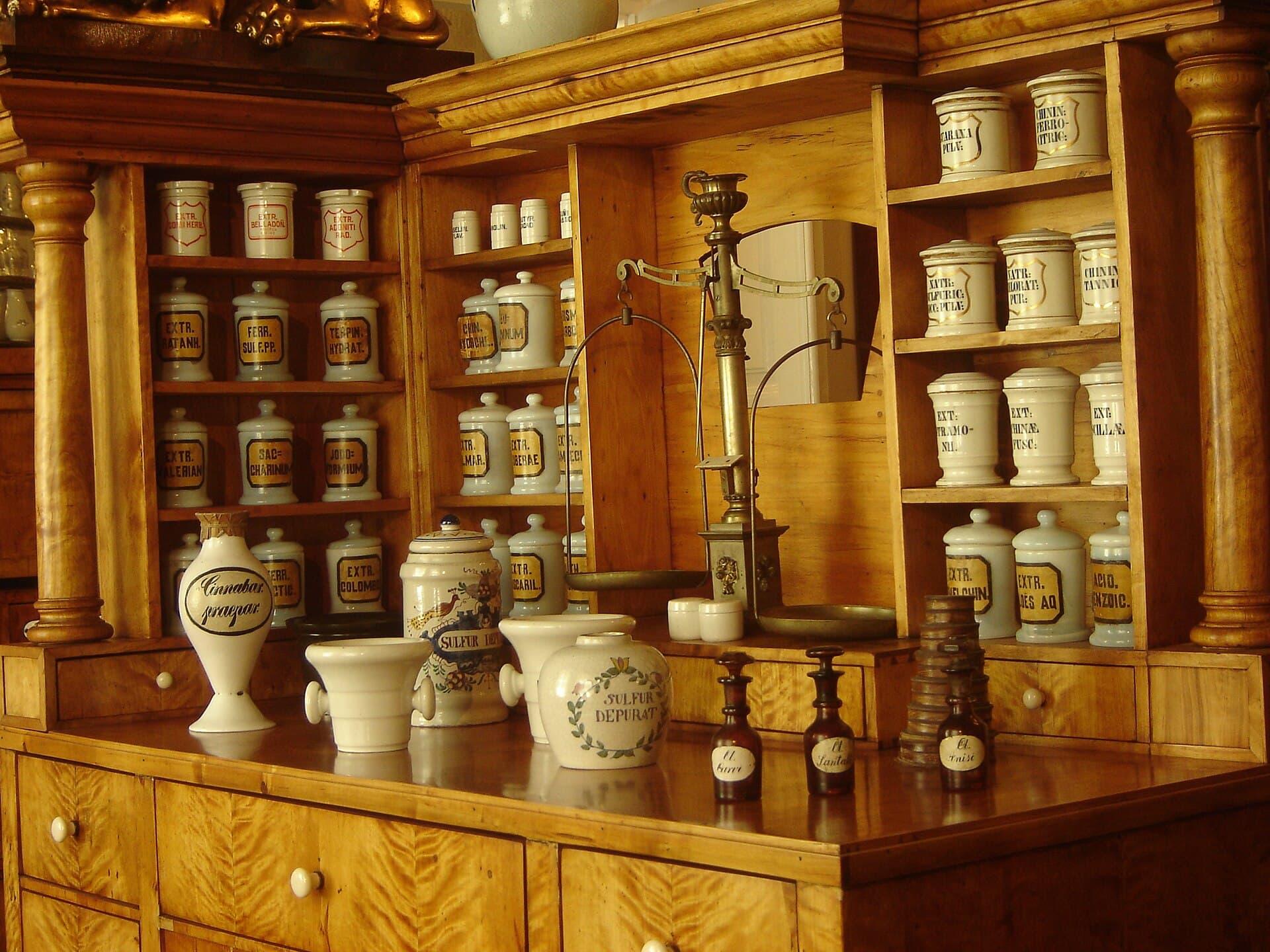 Museum of Pharmacy, KrakówA museum of the Jagiellonian University in a fifteenth-century house on Floriańs3 minutes walk4.8
The route of coronation and royal funeral processions: Florian Gate, Floriańska street, the Rynek (the salute stop), Grodzka street, then Wawel for the crowning — today the touristic spine: walk it as they did and you will have seen the whole old town by verdict.