
Richly Baroque
Gold and dense ornament, the opposite of Nasrid restraint on the other side of the city.
Jebulon — CC0 · El Pantera — CC BY-SA 4.0 · Paula.r.p — CC BY-SA 4.0 · Anaa.sanchez — CC BY-SA 4.0
A seventeenth-century Baroque church dedicated to Granada's patron, on the avenue that carries her name south of the historic centre. Its matching towers are a clear marker on the skyline of that side of the city. The interior is richly Baroque in gold and ornament, the opposite of the restraint you see in the Nasrid architecture on the other side of the city. The high altar and the statue of the Virgin above it are the focus for people from Granada. The church's importance is local rather than touristic: at the end of September the procession of the city's patron leaves from here, one of the largest religious gatherings in Granada, and it changes traffic across the whole district. The visit is short and free, and the church sits a little off the usual tourist route. Go if you are walking that way or if Baroque architecture interests you; otherwise the Royal Chapel and the cathedral matter far more.
Gold and dense ornament, the opposite of Nasrid restraint on the other side of the city.
A clear marker on the skyline of that side of Granada, visible from several angles.
The patron's procession fills the surrounding streets and changes the traffic — plan for it if your trip overlaps.
Carrera de la Virgen, Granada
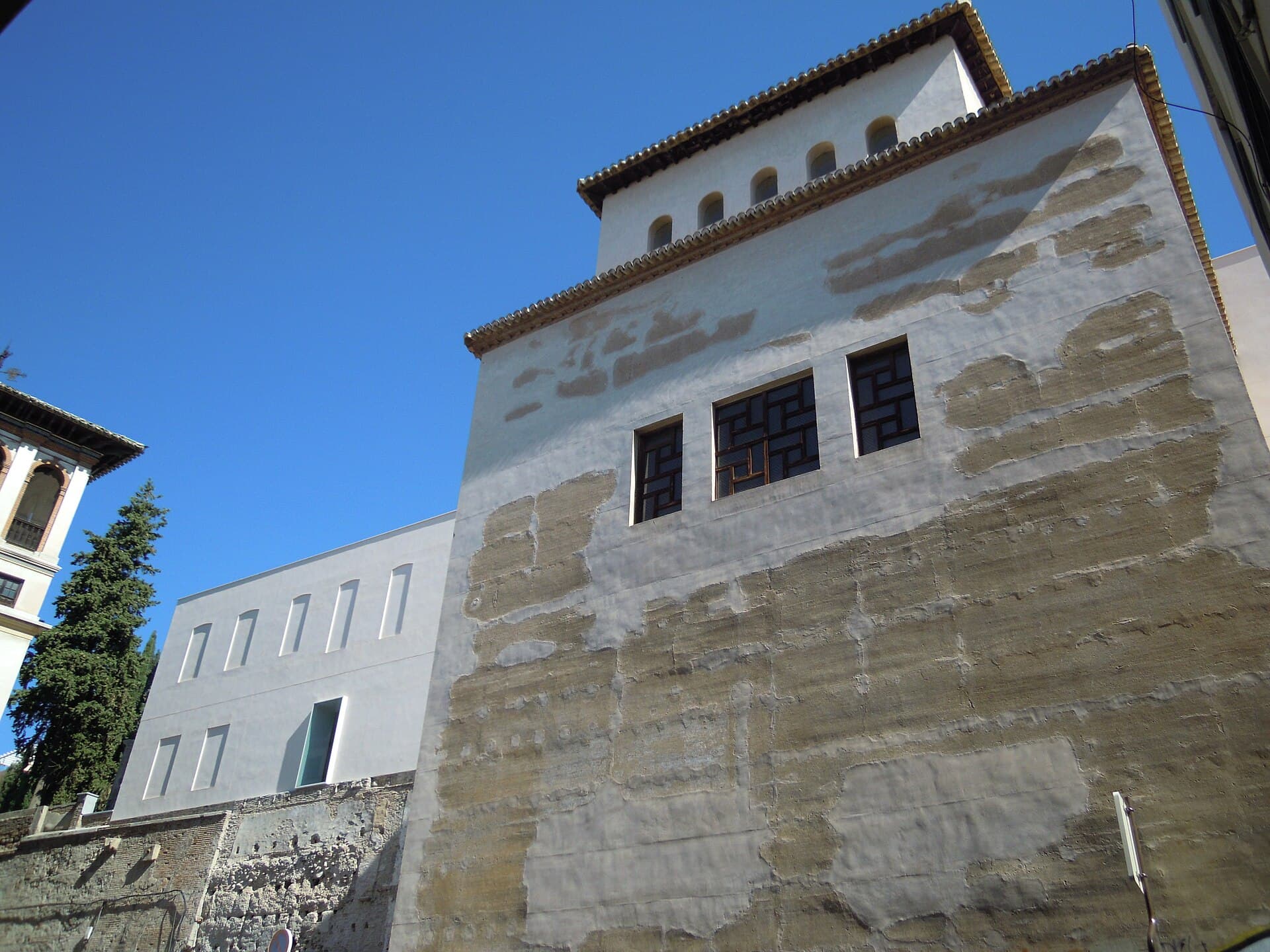 Cuarto Real de Santo DomingoA thirteenth-century Nasrid hall, what remains of a country palace that once loo3 minutes walk4.3
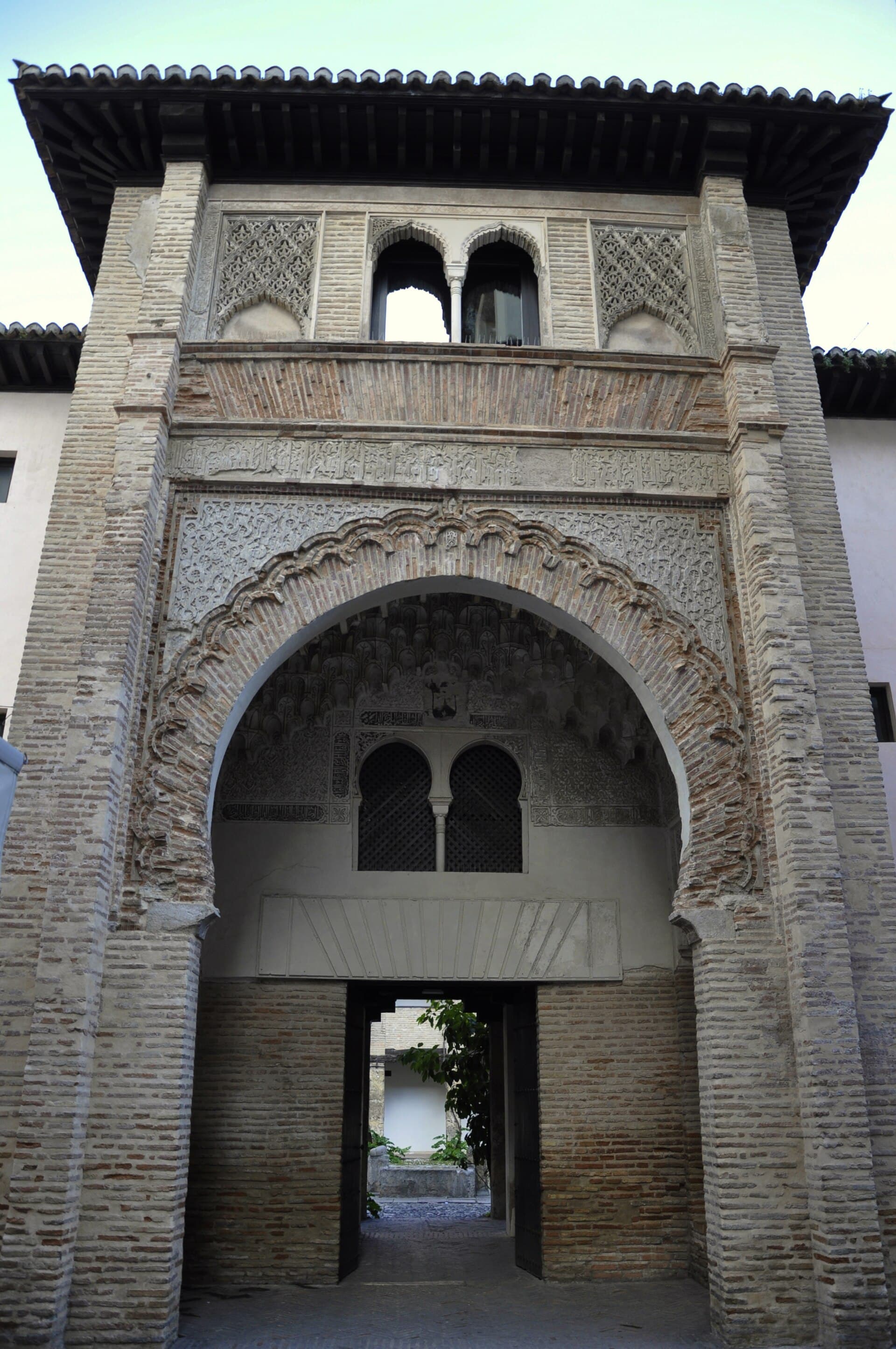 Corral del CarbónThe Corral del Carbón in Granada is the only surviving building of its kind in S7 minutes walk4.4
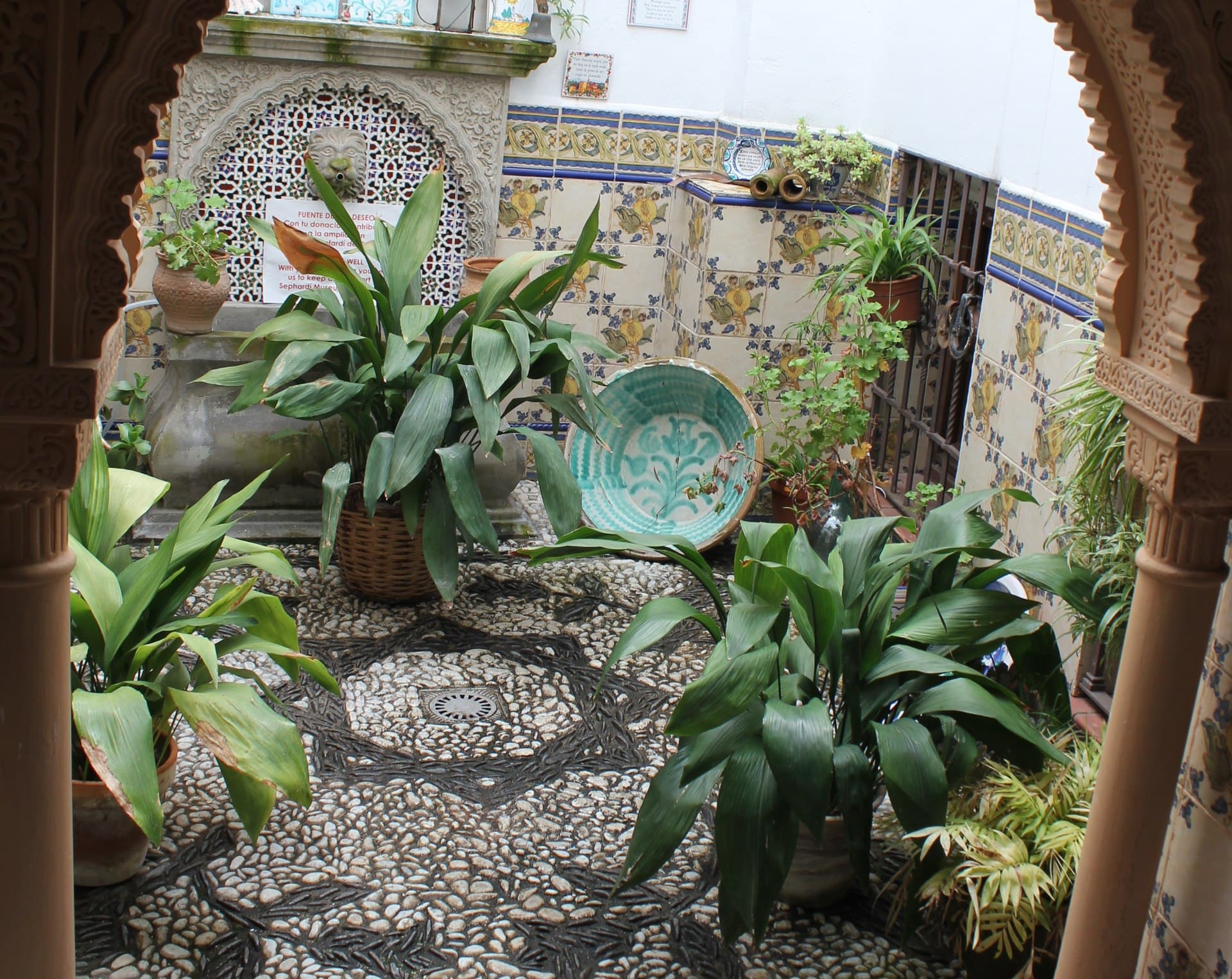 Museo SefardíA small museum in Granada's Realejo district devoted to the history of the Sepha8 minutes walk4.1
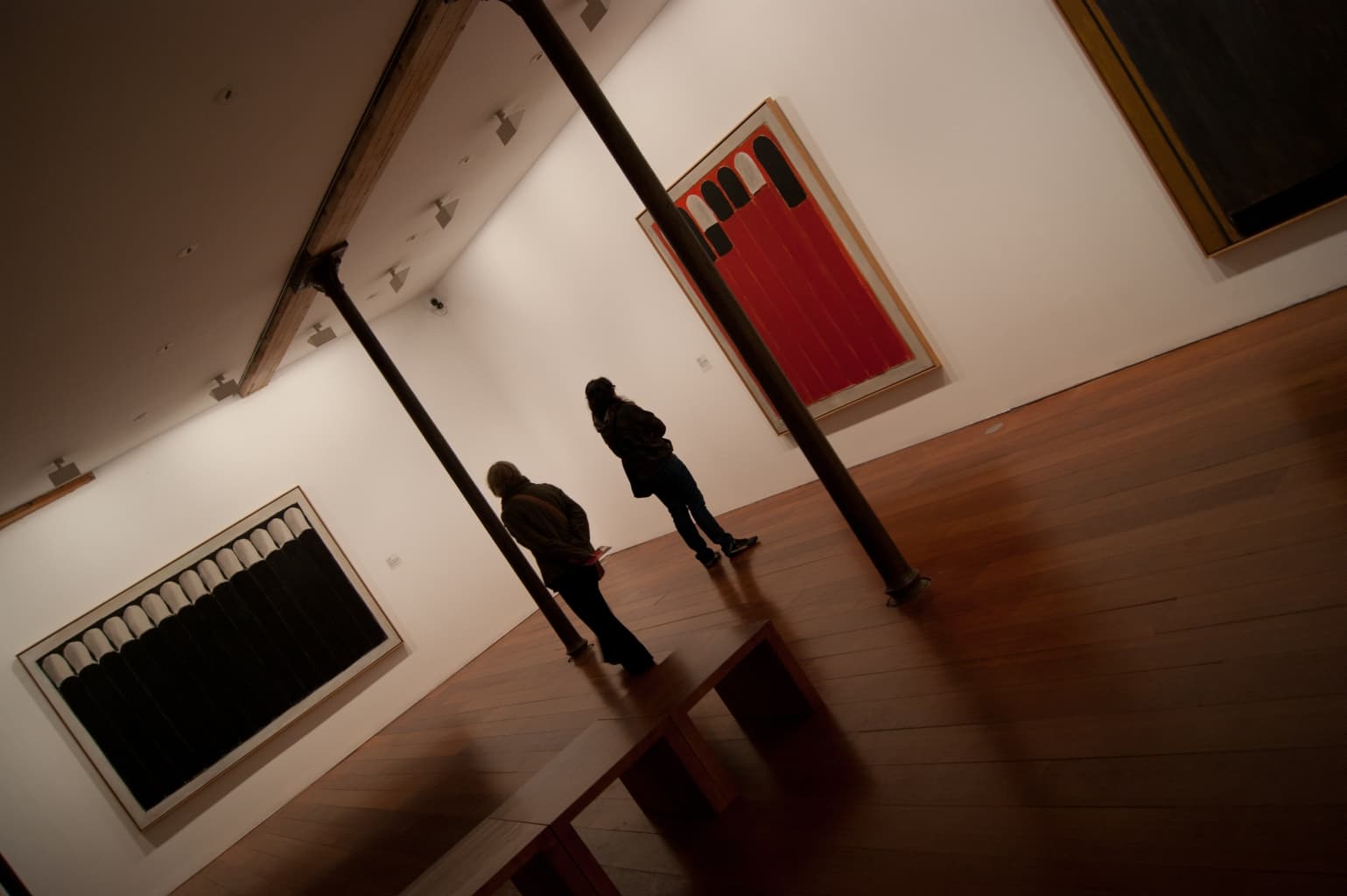 Centro José GuerreroAn art centre in central Granada devoted to José Guerrero, the Granadan painter 8 minutes walk4.5
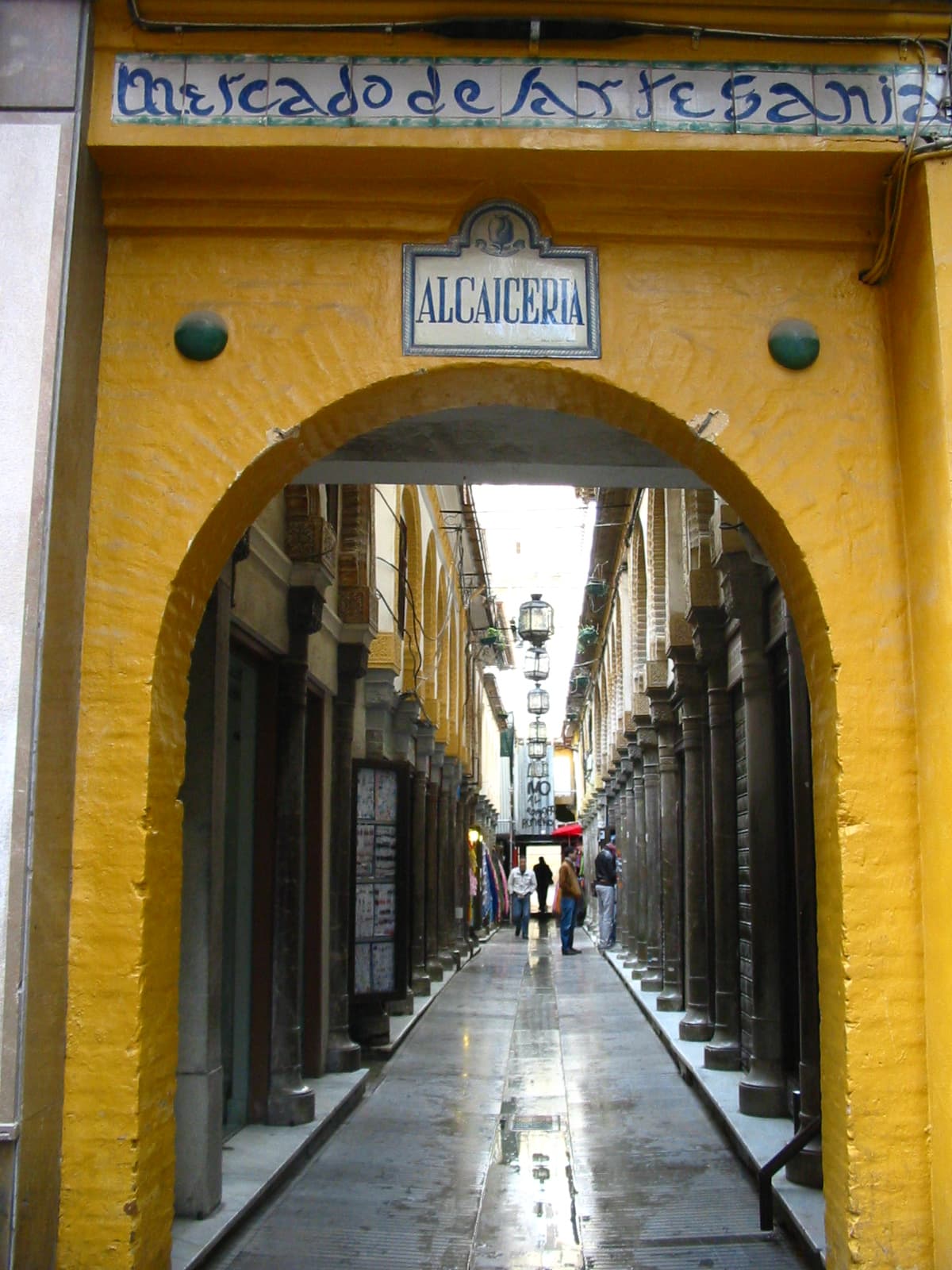 AlcaiceríaNarrow covered lanes beside the cathedral, what remains of the silk market of Is8 minutes walk4.6
Moderately. It sits outside the usual tourist triangle and its significance is local rather than touristic. If Baroque architecture interests you, or you are walking south towards the gardens, yes; otherwise the Royal Chapel comes first.
A large religious procession in late September when the image of the patron is carried through the streets, joined by a great many people from Granada. Expect heavy crowds and road closures around the church in those days.