
Early Nasrid
The ornament predates the Alhambra's, showing an earlier stage in the same style's development.
Psicobyte — CC BY-SA 4.0 · Carlos Martín Carrasco — CC BY-SA 2.0 · Pablogrcia10 — CC BY-SA 4.0 · R Prazeres — CC BY-SA 4.0
A thirteenth-century Nasrid hall, what remains of a country palace that once looked out over the sultans' orchards outside the walls of Granada. Today the site sits inside the Realejo, the old Jewish quarter south of the centre. The surviving room is a qubba with a decorated wooden ceiling and walls faced in carved plaster and tilework, its ornament in the early Nasrid manner. That means it is older than what you see in the main Alhambra palaces, which gives it real value for anyone tracing how Nasrid architecture developed rather than only its high point. Around the hall are a small garden and fragments of the original structure. The whole site is small and the visit short. Know that before going: this is one preserved room, not a palace complex. Visitors are very few compared with the Alhambra, and that is a genuine advantage: you can stand in front of the carved plaster with no crowd behind you, which is difficult in the main Nasrid palaces even with a booking.
The ornament predates the Alhambra's, showing an earlier stage in the same style's development.
You stand in front of the carved plaster with no queue behind you, hard to do in the main Nasrid palaces.
Built as a country palace over the sultans' orchards; the city grew around it later.
Plaza de los Campos, Realejo, Granada
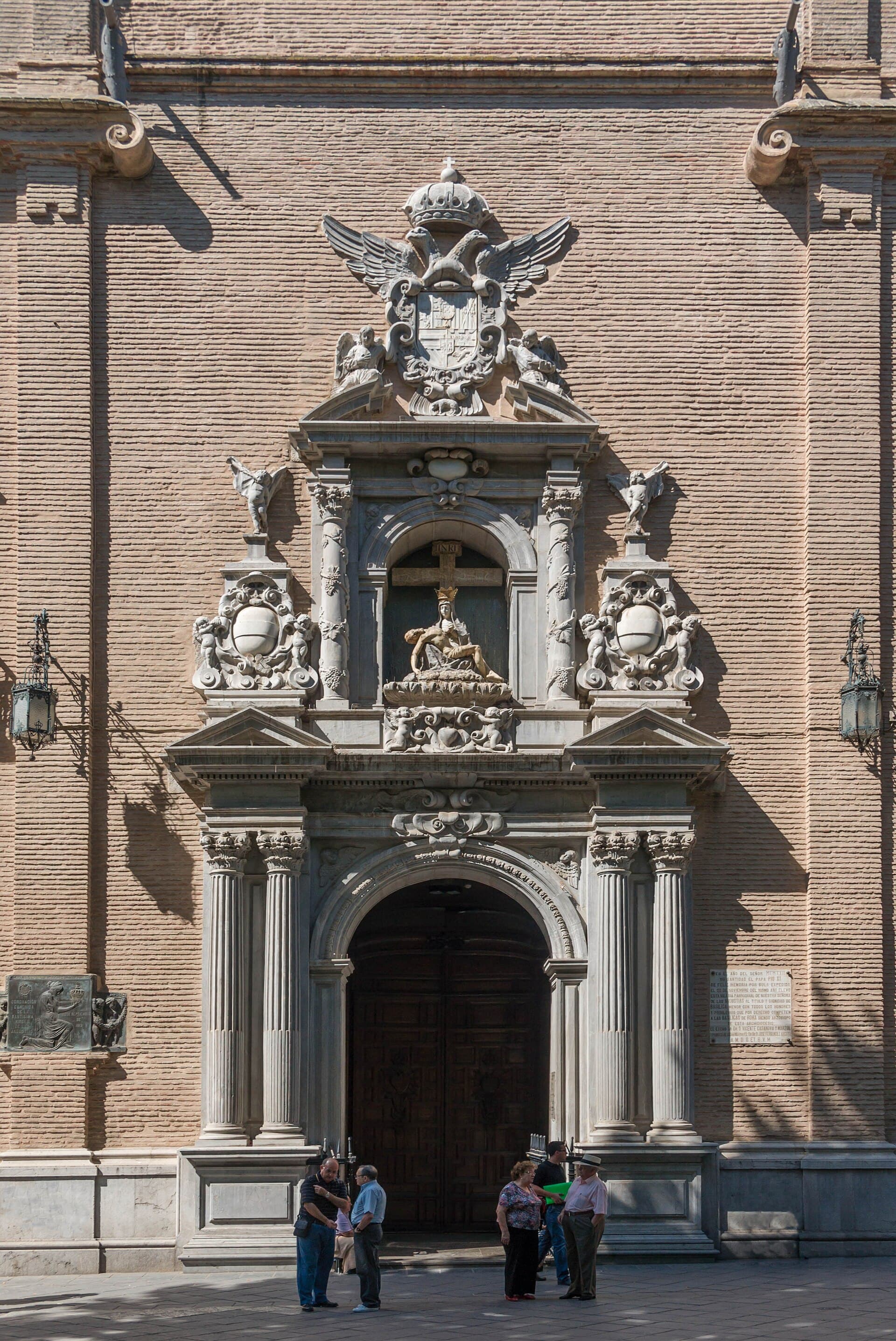 Basílica de las AngustiasA seventeenth-century Baroque church dedicated to Granada's patron, on the avenu3 minutes walk4.6
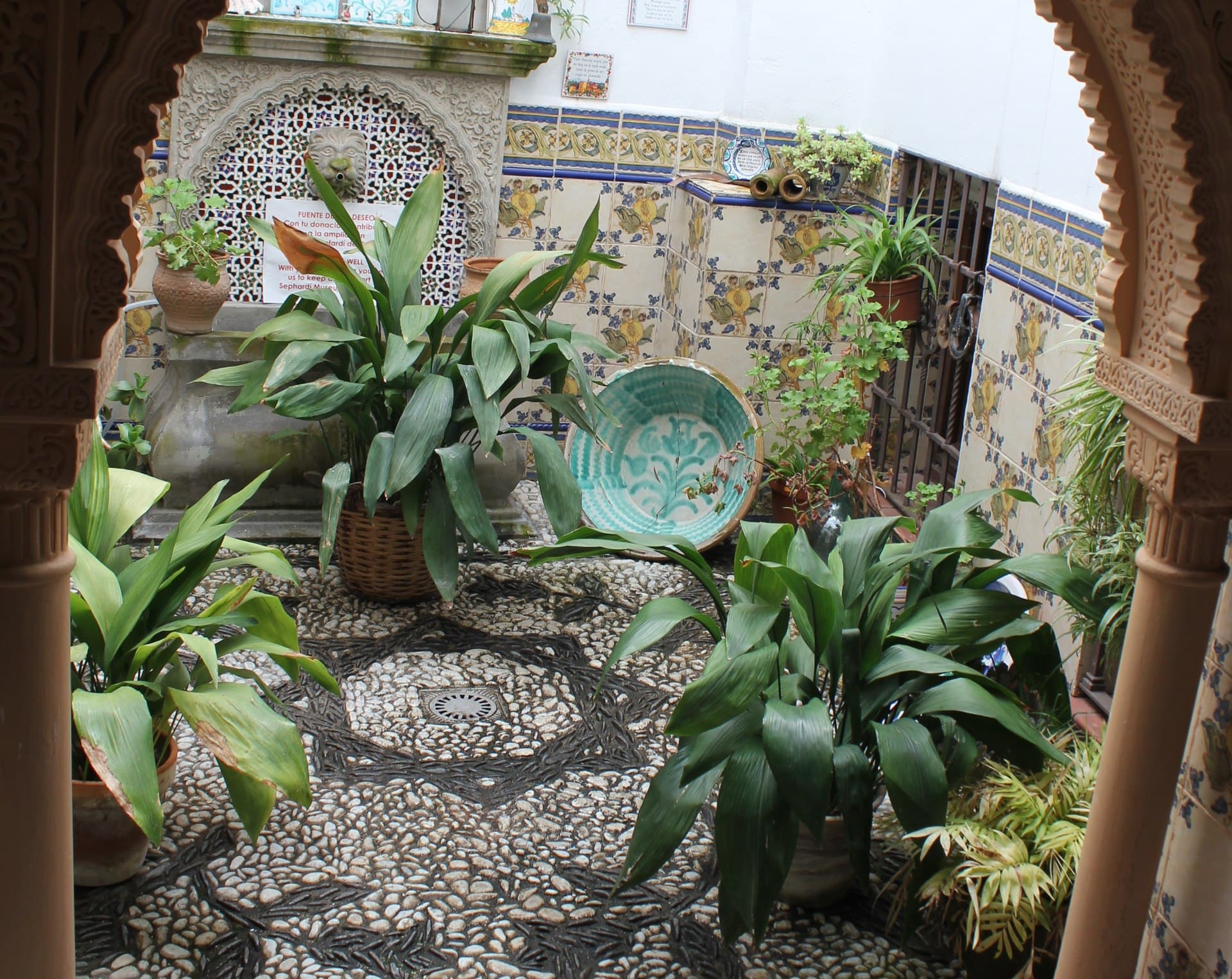 Museo SefardíA small museum in Granada's Realejo district devoted to the history of the Sepha5 minutes walk4.1
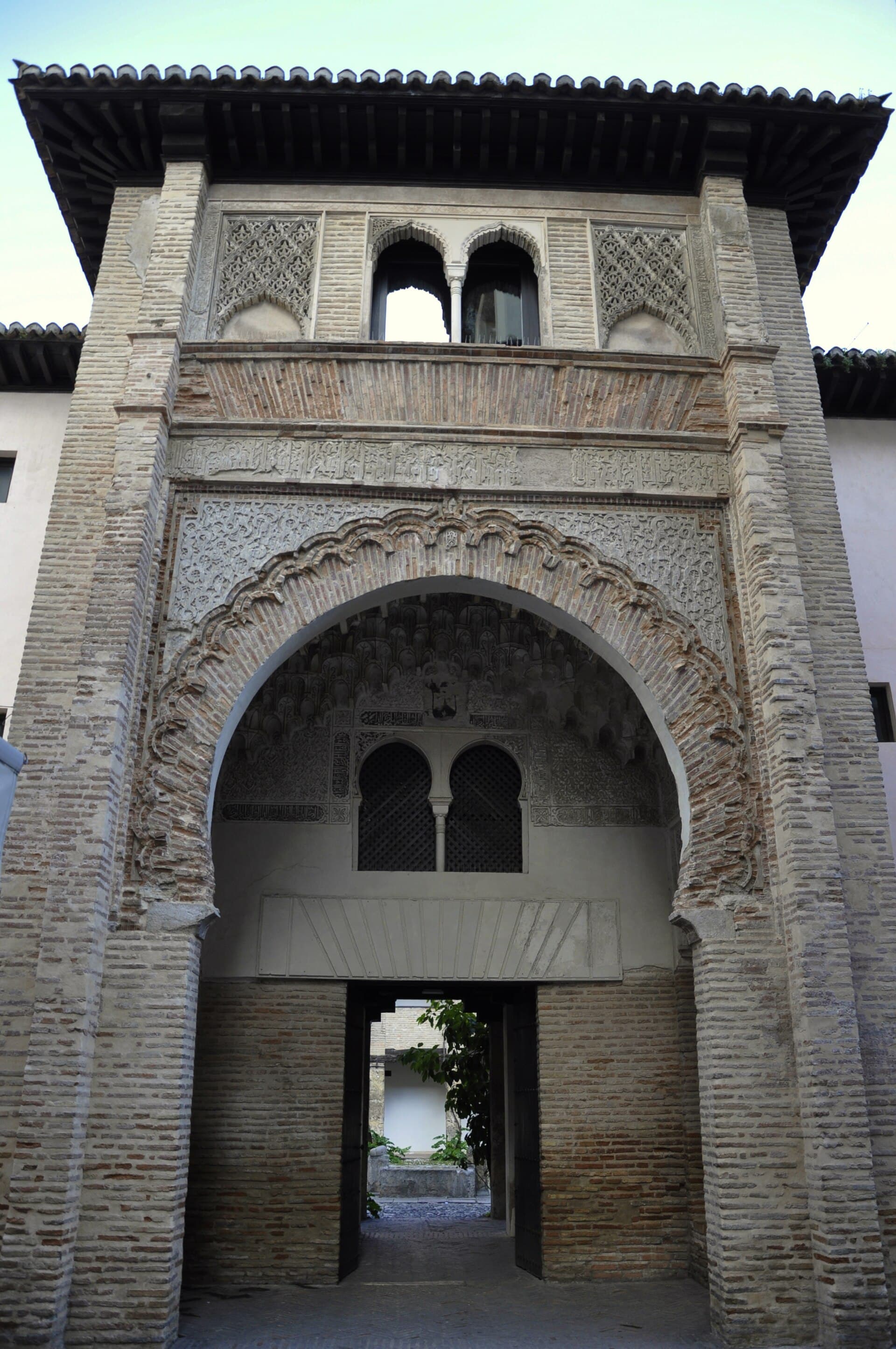 Corral del CarbónThe Corral del Carbón in Granada is the only surviving building of its kind in S6 minutes walk4.4
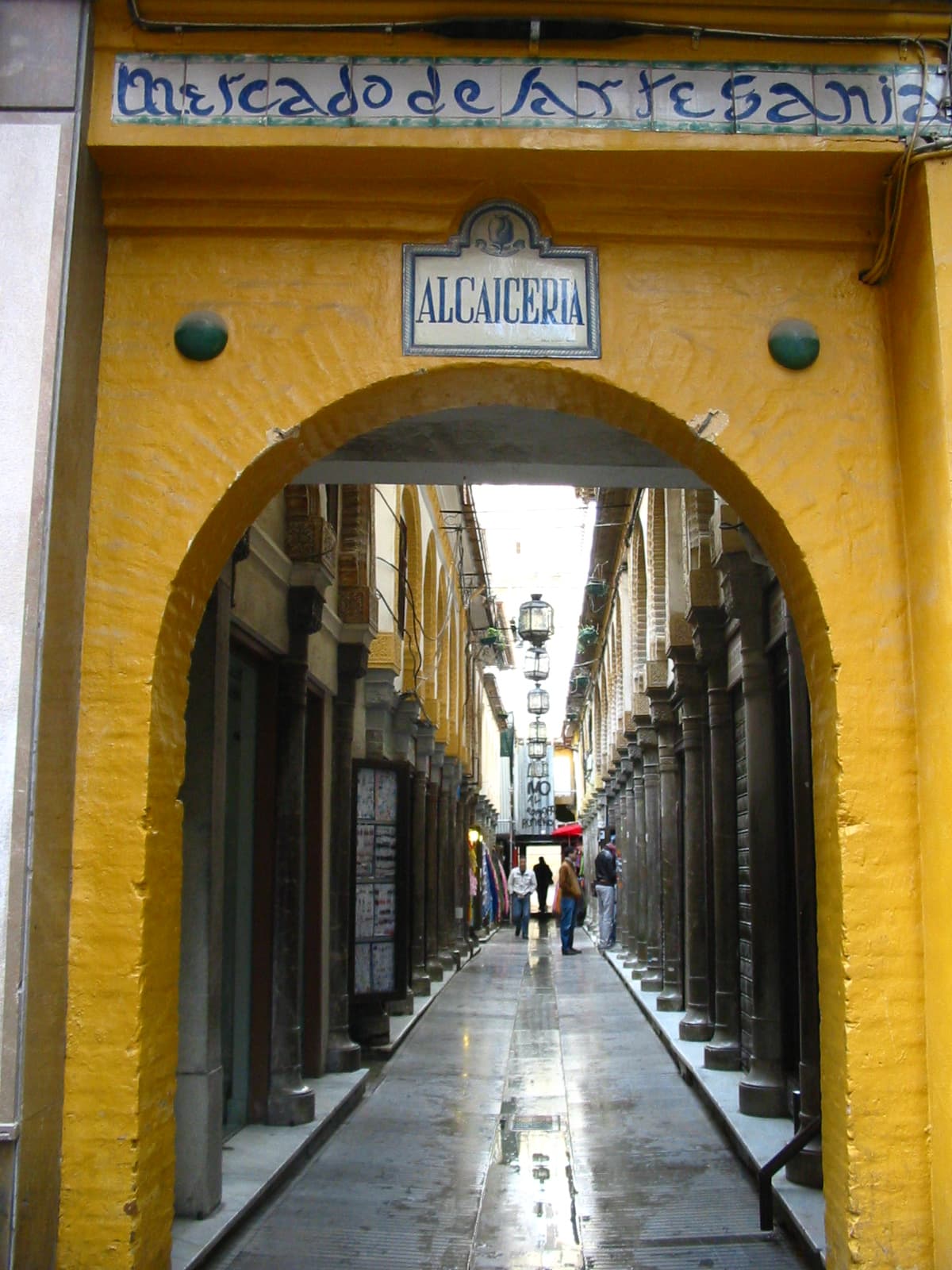 AlcaiceríaNarrow covered lanes beside the cathedral, what remains of the silk market of Is7 minutes walk4.6
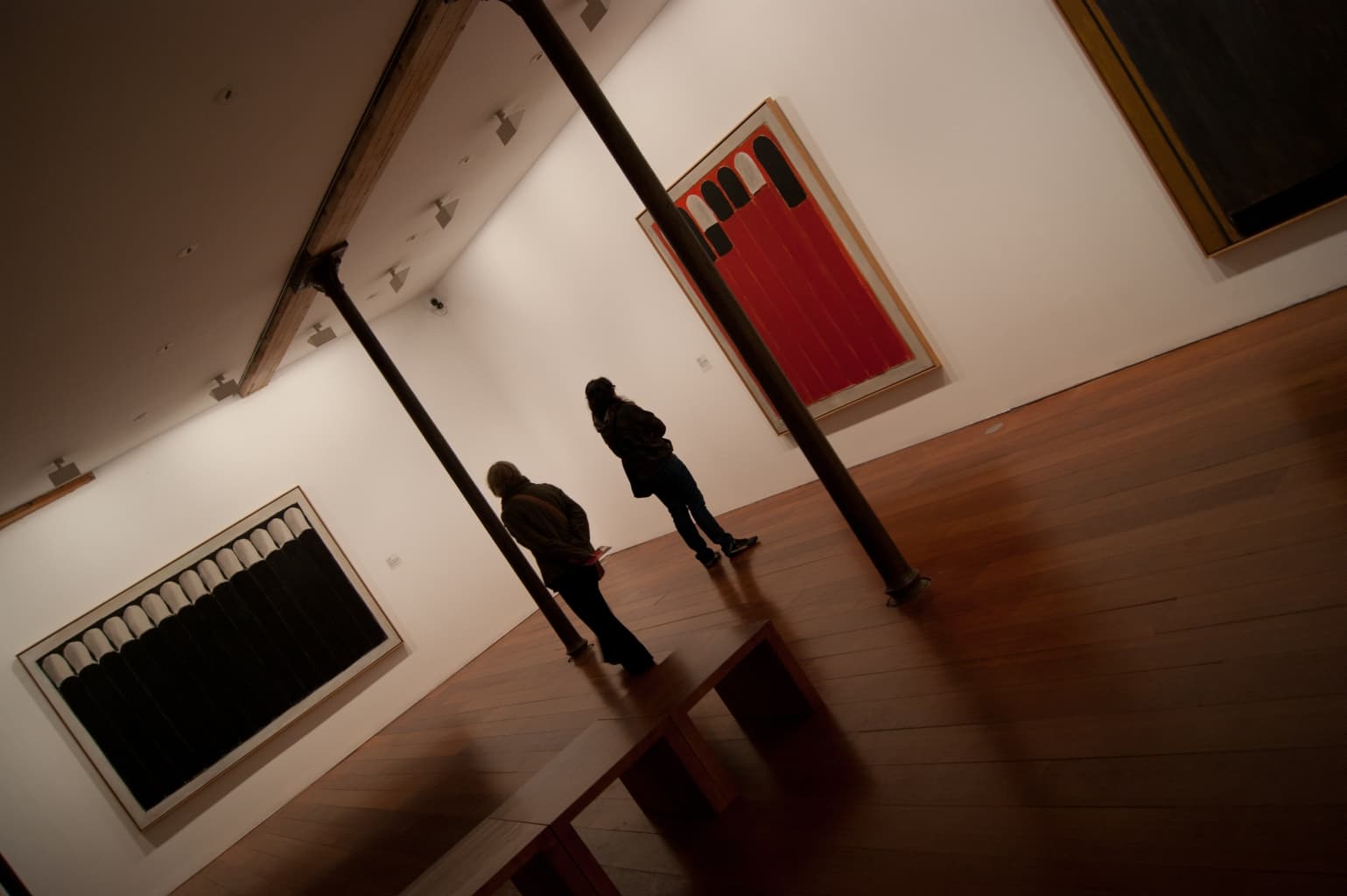 Centro José GuerreroAn art centre in central Granada devoted to José Guerrero, the Granadan painter 7 minutes walk4.5
Not at all, and that is not its purpose. The Alhambra is a whole palace complex and this is a single hall. But it is an excellent addition for anyone who has seen the Alhambra and wants to understand what preceded it, or for anyone who could not get an Alhambra ticket and still wants to see genuine Nasrid architecture.
A square or near-square hall under a domed or decorated wooden ceiling, used for reception or sitting. It is a basic unit in Andalusi palace planning, and you see it repeated in the Alhambra and here in an earlier form.