
The meridian line
A brass strip in the floor struck by sun from a hole in the roof.
Marcamps — CC BY-SA 4.0 · GiorgioGaleotti — CC BY-SA 4.0 · Sciking — CC BY-SA 4.0 · Anachiele — CC BY-SA 4.0
**An enormous church whose façade is still unfinished after six centuries, with the world's longest sundial line set into its floor** — on Bologna's main square. Building began in **1390** by decision of the city rather than the Church — **it is a municipal basilica**, intended to be larger than St Peter's in Rome. ⚠ **It was never completed**: **the lower half is faced in white and pink marble, the upper half is bare brick** — and the line between them is ruler-straight. **This is not damage but work that stopped.** ✅ **Its most remarkable feature is the meridian line**: a **67-metre brass strip** in the floor laid out by the astronomer **Giovanni Domenico Cassini** in 1655; **a spot of sunlight falls on it** from a hole in the roof 27 metres up, **moving daily to measure the year**. ✅ Entry is free.
A brass strip in the floor struck by sun from a hole in the roof.
White and pink marble below, bare brick above, in a straight line.
Fifteenth-century frescoes of heaven and hell.
Piazza Maggiore, 40124 Bologna, Italy
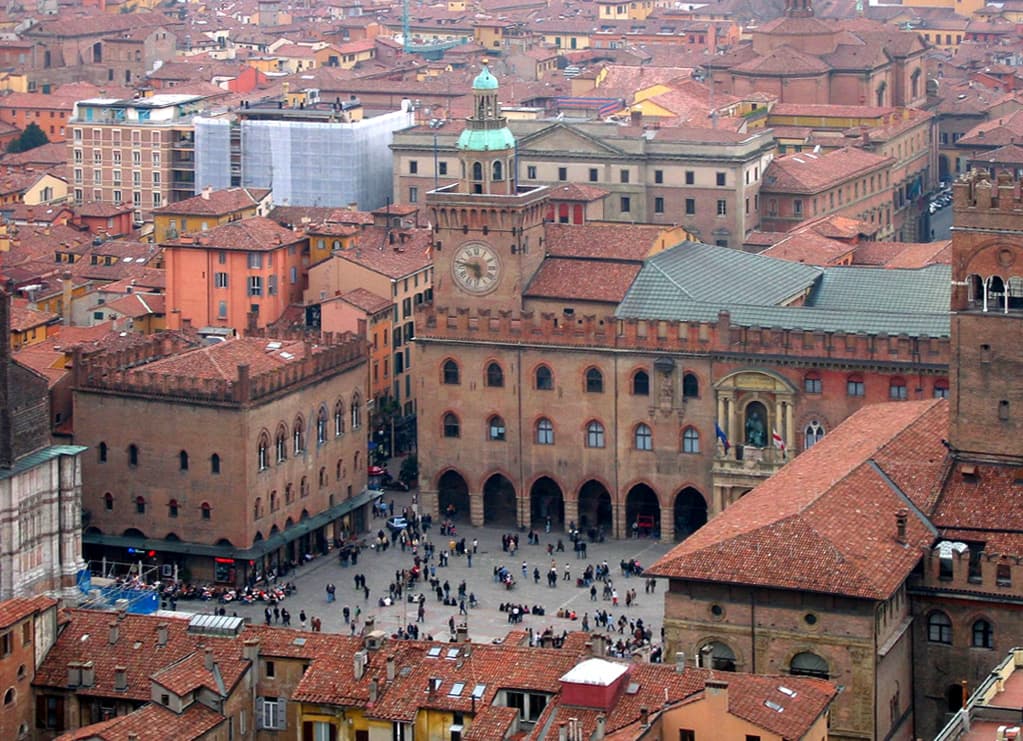 Piazza Maggiore**Bologna's central square, ringed by medieval palaces, with the Neptune fountai1 minute walk
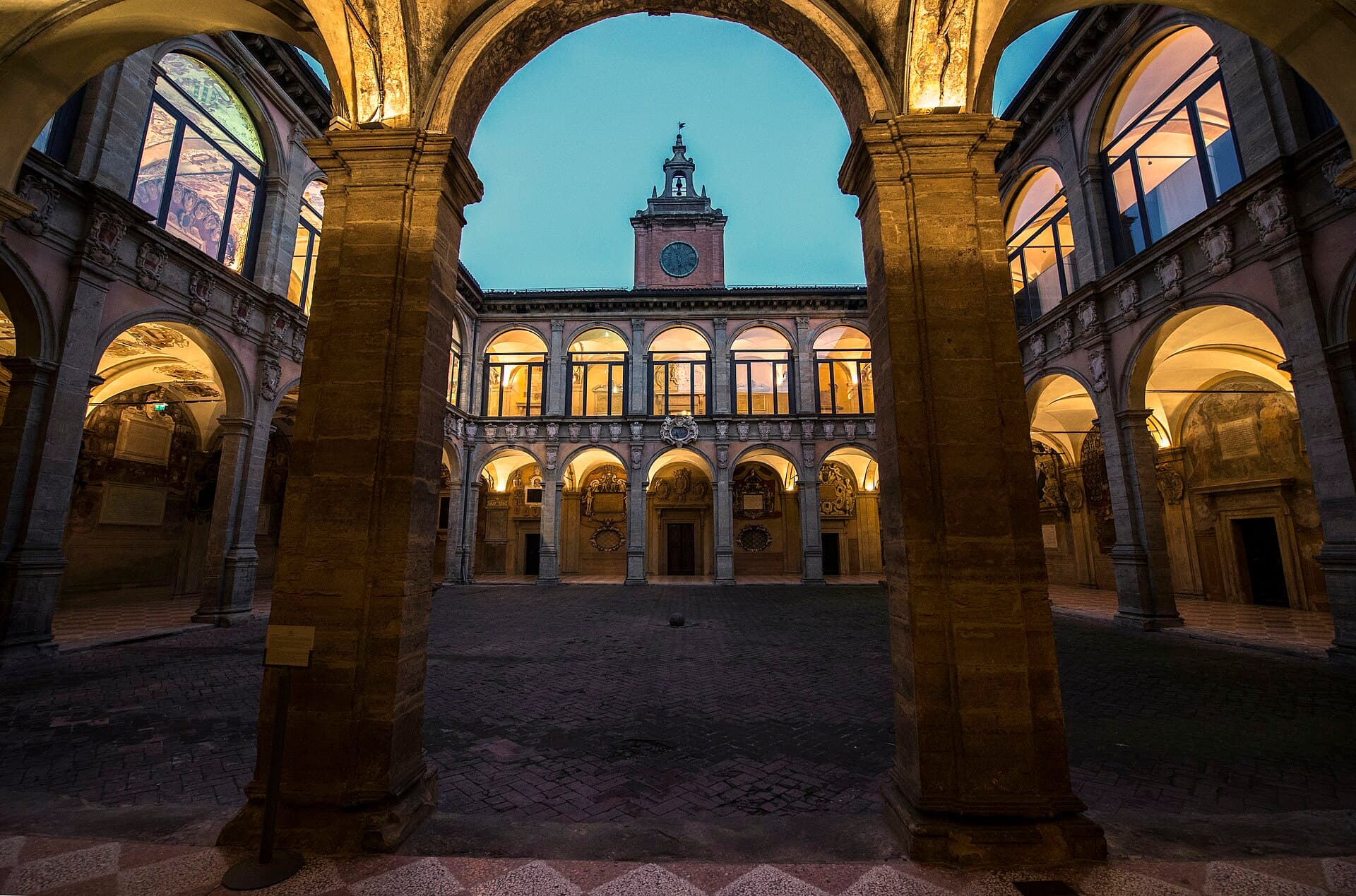 The Archiginnasio**The historic seat of the world's oldest university, its walls covered in six t2 minutes walk4.7
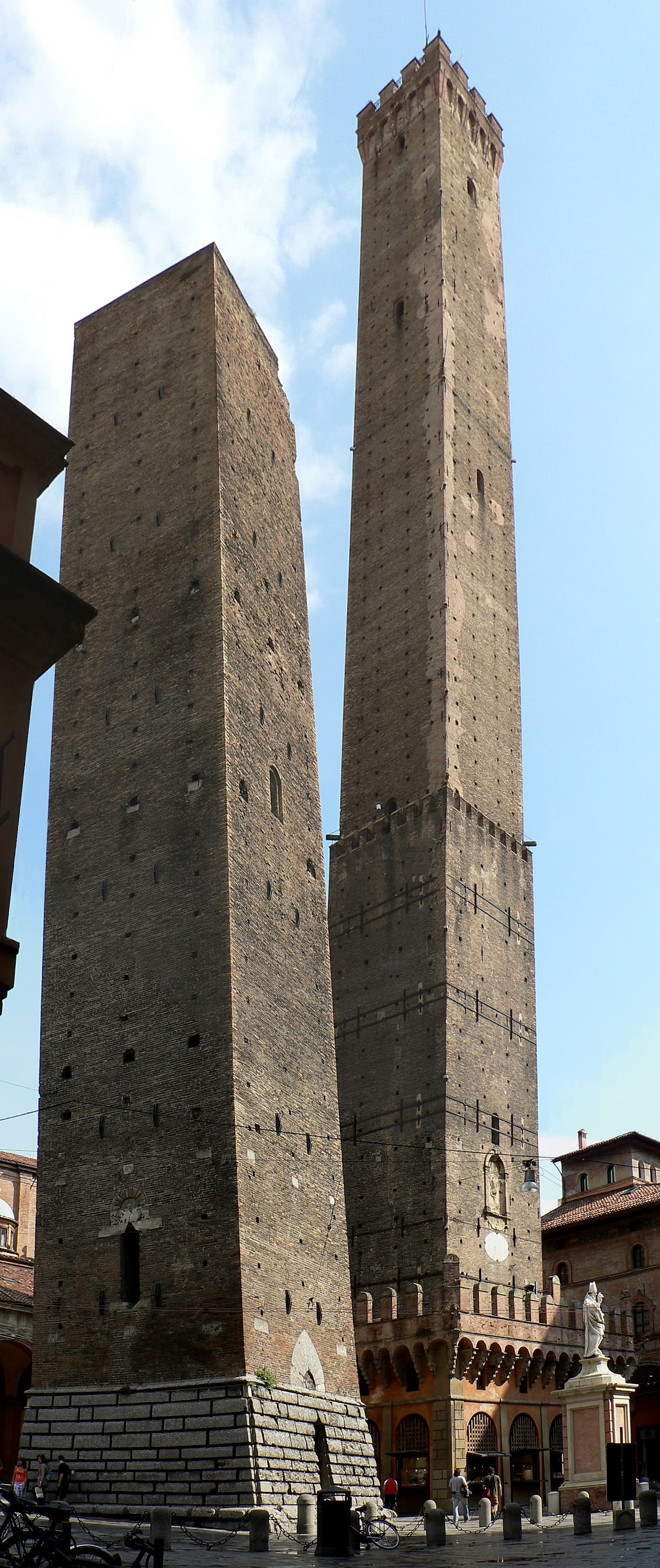 The Two Towers**Two medieval towers standing side by side, both leaning, one of them shortened4 minutes walk4.6
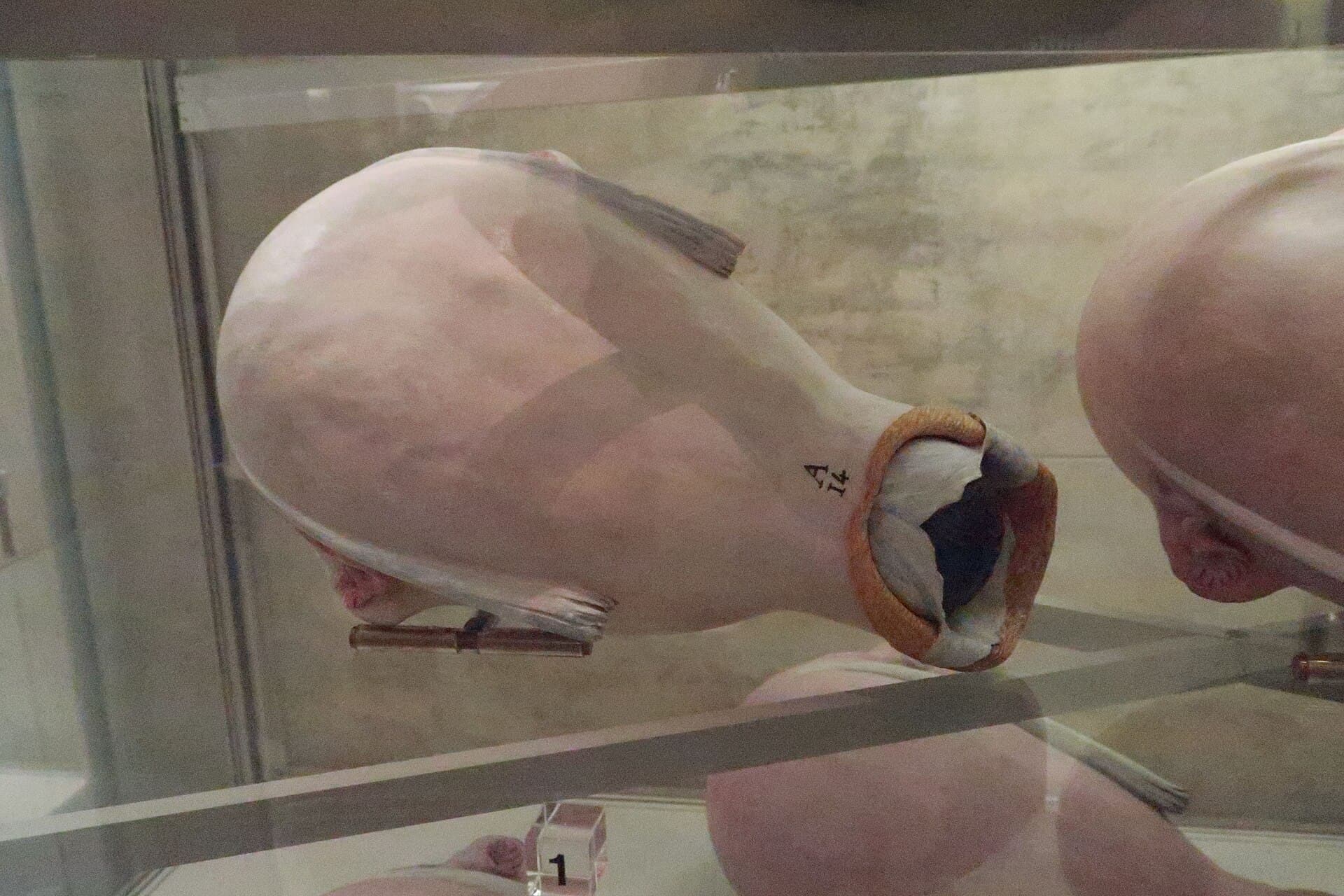 Palazzo Poggi Museum**The University of Bologna's science museums in a 16th-century palace — includi9 minutes walk4.6
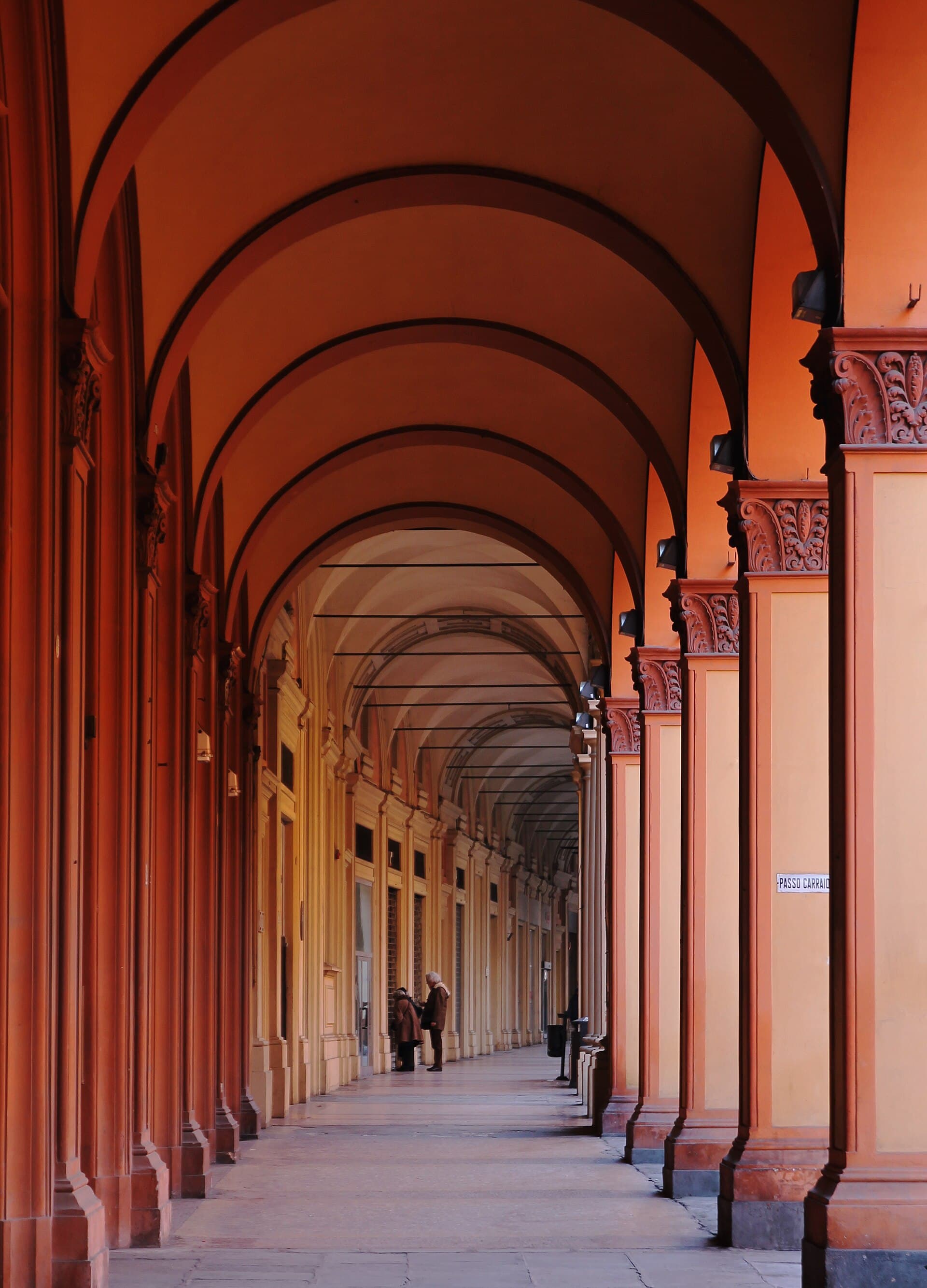 The Porticoes of Bologna**Sixty-two kilometres of roofed arcades covering the city's pavements — so you 11 minutes walk4.8
**The money ran out and the politics changed — and the story is too famous in Bologna to be forgotten.** ✅ **The original ambition**: in 1390 **the city government** resolved to build a church **larger than St Peter's** in Rome — **a project of civic pride** rather than religion, expressing the city's independence and wealth. ⚠ **The problem**: a project on that scale needs centuries and continuous funding, **and Bologna had neither reliably**. ⚠ **Rome intervened**: the traditional account holds that **the papacy blocked the expansion** so the church would not exceed St Peter's — and **the Collegio di Spagna and other buildings went up across the planned extension**, physically closing the route. ✅ **On the ground**: the **main body** was completed but **the transepts were never built**, **and the façade was faced in marble to about a third of its height before work stopped** in the 16th century. ⚠ **It was never resumed**: **design competitions** were held repeatedly — major architects entered — **and none was ever built**. ✅ **Today the incompleteness is the identity**: Bolognesi do not see it as a flaw **but as the city's mark**.
**An astronomical instrument the size of a church — measuring the year's length with startling accuracy; several were built into European churches.** ✅ **The parts**: **a small hole (a camera obscura) in the roof 27 metres up**, and a **straight 67-metre brass strip** set into the floor on an exact north–south alignment. ✅ **How it works**: sunlight passes through the hole **and casts an oval spot on the floor**. **At solar noon each day that spot crosses the brass strip** — **and where it crosses shifts daily**, because the sun's altitude changes with the seasons. ✅ **The measurement**: **at the summer solstice** the sun is high, so the spot falls **close** to the hole; **at the winter solstice** it is low and falls **at the far end**. **The distance between the two extremes gives the length of the year** to high precision. ✅ **Who built it**: **Giovanni Domenico Cassini** in **1655** — the same astronomer who found the Cassini Division in Saturn's rings. ⚠ **It was used in earnest**: to fix **the date of Easter** and to establish precise astronomical observations, **and its measurements helped confirm changes in the Earth's orbit**.