
The Asinelli tower
97 m and 498 steps, with a view over the whole city.
Patrick Clenet — CC BY-SA 3.0 · Ввласенко — CC BY-SA 3.0 · Fred Romero from Paris, France — CC BY 2.0 · Fred Romero from Paris, France — CC BY 2.0
**Two medieval towers standing side by side, both leaning, one of them shortened because it nearly fell** — at the heart of Bologna, and its emblem. The **Asinelli tower** is **97 metres** tall, **the tallest leaning tower in Italy** — far taller than Pisa's — with a lean of about 1.3 metres. ✅ The **Garisenda tower** beside it is only **48 metres**, ⚠ **and leans far more sharply** (about 3.2 metres): **it began tilting during construction and was deliberately cut down in the 14th century** for fear of collapse. ⚠ **Dante mentions it in the Inferno**, likening it to a stooping giant. ⚠ **Medieval Bologna was a "city of towers"**: it is estimated to have held **more than a hundred**, built by its noble families for prestige and defence; **only about twenty survive**. ⚠ **The towers' condition is delicate** — check before going.
97 m and 498 steps, with a view over the whole city.
A truncated, sharply leaning tower Dante names in the Inferno.
A medieval crossroads and Bologna's most familiar view.
Piazza di Porta Ravegnana, 40126 Bologna, Italy
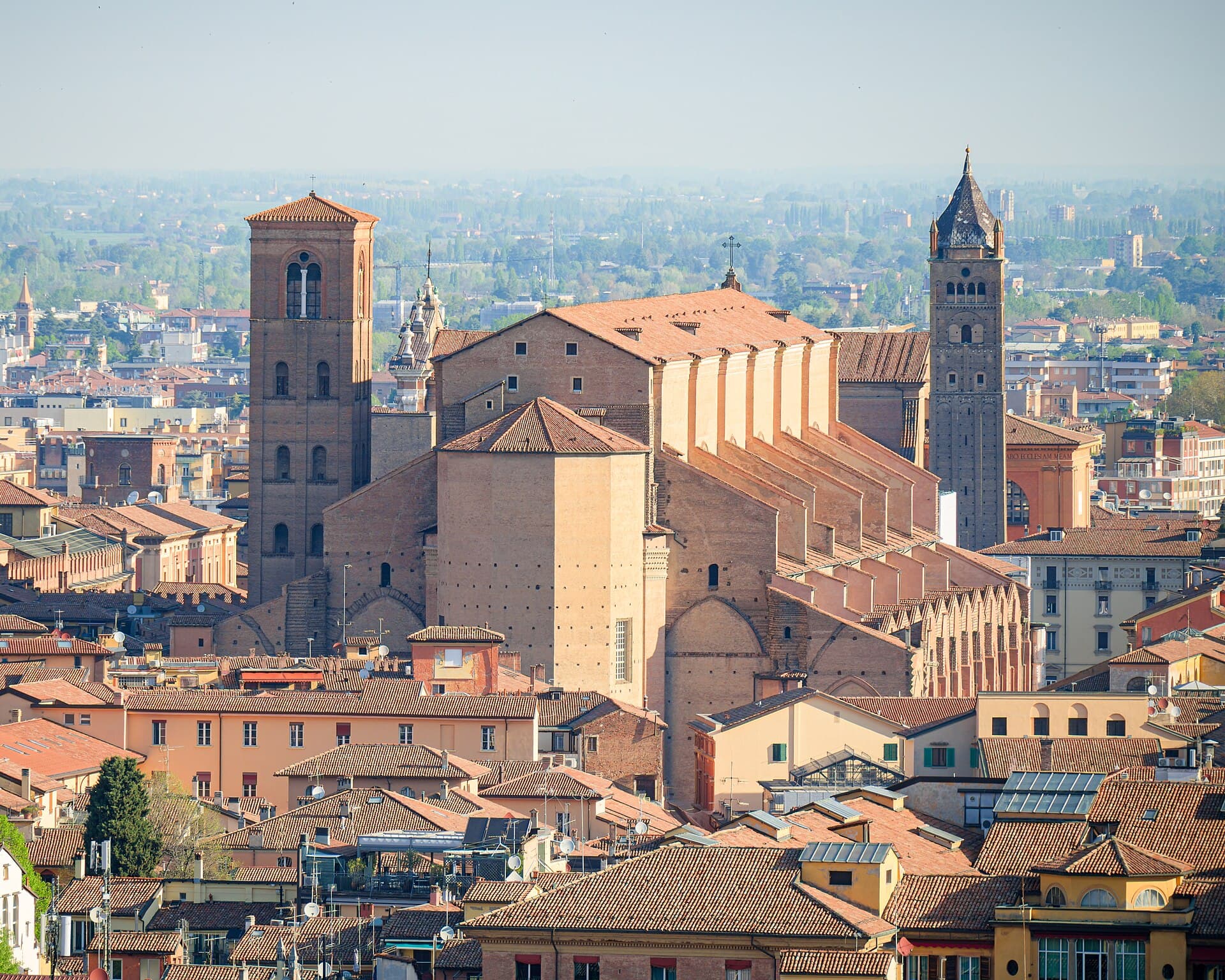 Basilica of San Petronio**An enormous church whose façade is still unfinished after six centuries, with 4 minutes walk4.6
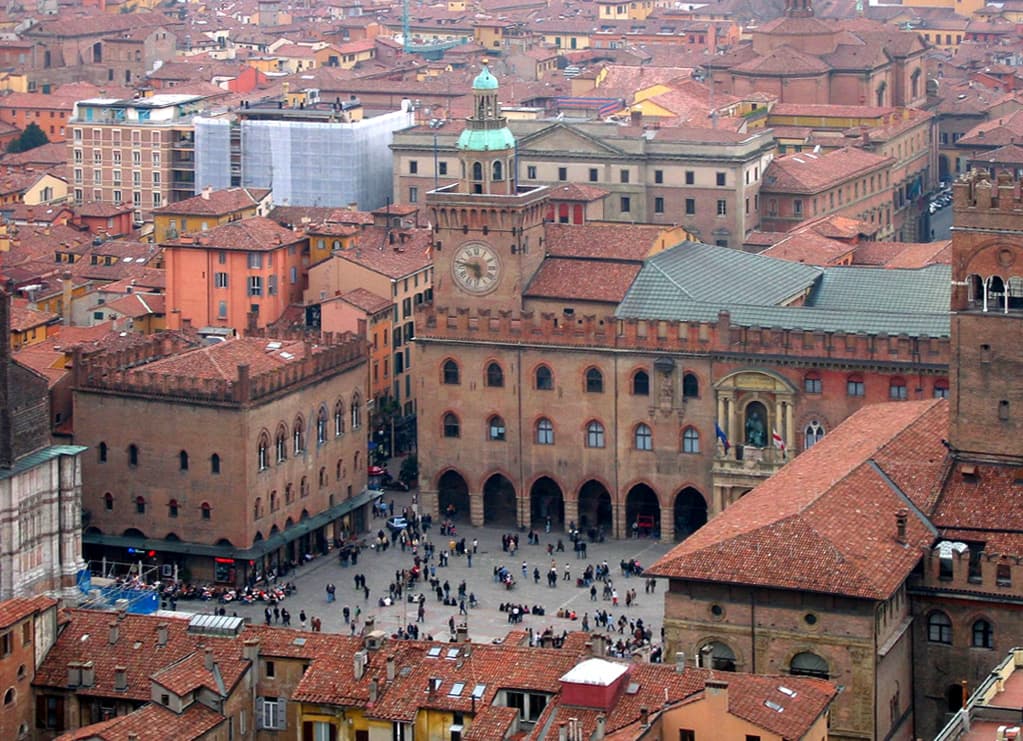 Piazza Maggiore**Bologna's central square, ringed by medieval palaces, with the Neptune fountai4 minutes walk
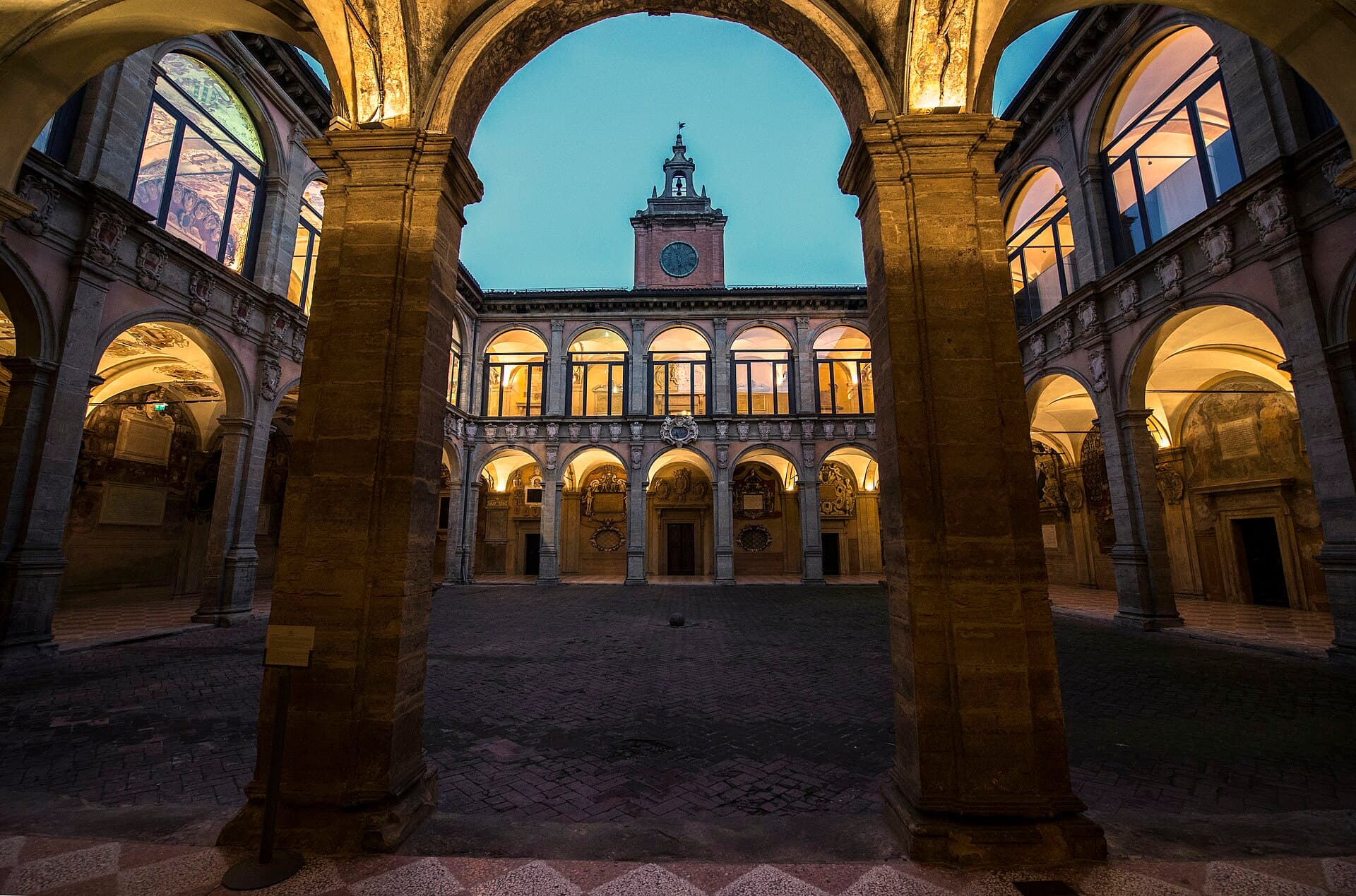 The Archiginnasio**The historic seat of the world's oldest university, its walls covered in six t4 minutes walk4.7
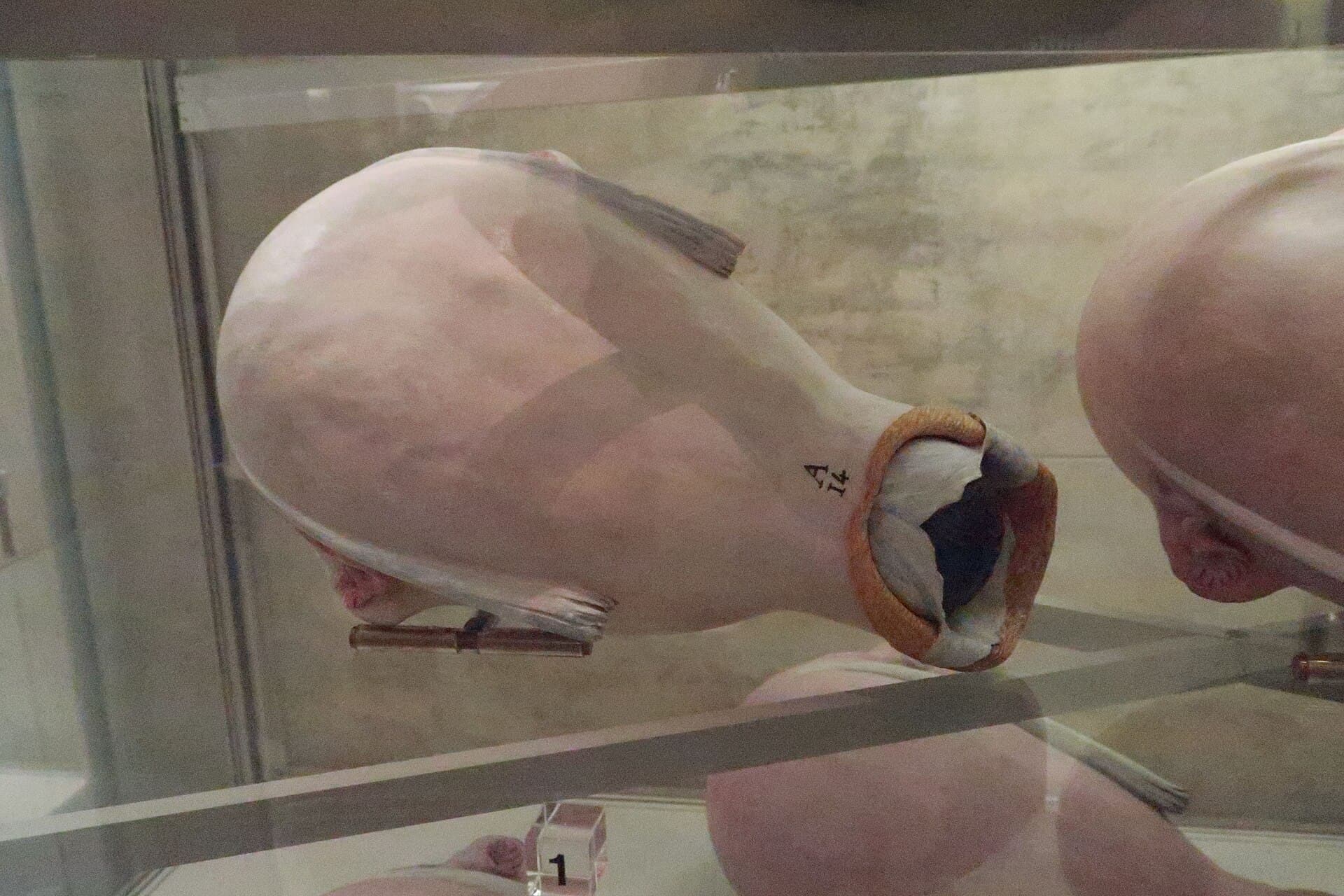 Palazzo Poggi Museum**The University of Bologna's science museums in a 16th-century palace — includi6 minutes walk4.6
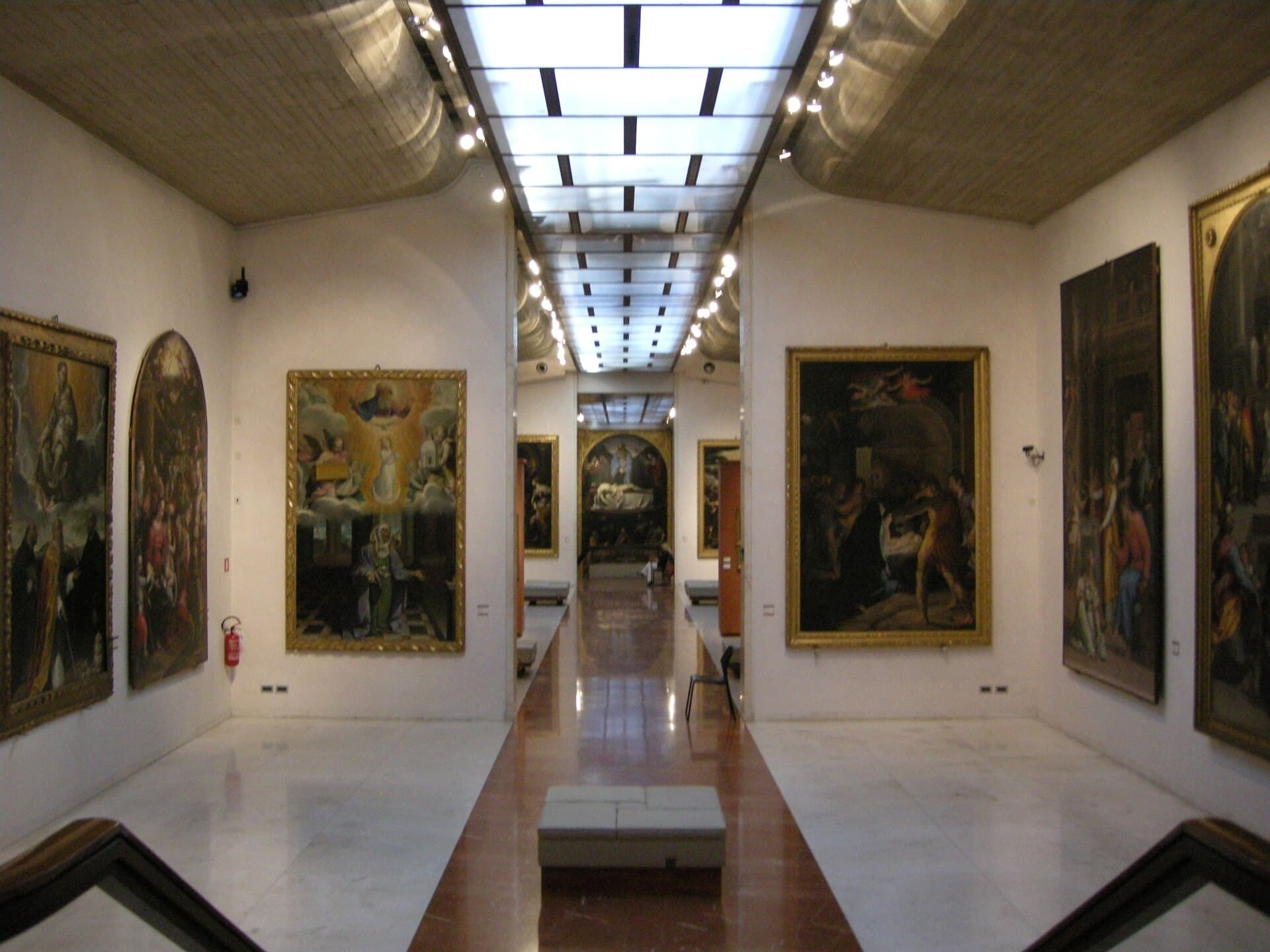 National Art Gallery of Bologna**The most important collection of Bolognese painting anywhere, holding Raphael,8 minutes walk4.7
**Rivalry between families, defence, and a trading position — all three at once.** ✅ **The context**: in the **12th and 13th centuries** Bologna was a wealthy city-state on the **Via Emilia** trade road, **with a university drawing all of Europe**. ✅ **The first motive — status**: **a tower was a declaration of wealth**. A noble family built higher than its neighbour **because height read directly as power** — exactly as skyscrapers would later. ✅ **The second — security**: Italian cities lived through **bloody factional conflict** (Guelphs and Ghibellines and their offshoots), **and a tower was a fortified refuge**, hard to storm: its door sat high above the ground, reached by a ladder that could be pulled up. ✅ **The third — practical**: towers were used **for watching and signalling**, and sometimes for storage. ⚠ **Why they vanished**: **many collapsed** on poor foundations in soft ground; **many were pulled down deliberately** as the city government grew stronger and set out to break the families' power; **and others became prisons and warehouses before being cleared** in later development. ✅ **About twenty remain** — and these two are the best known.