
The obstetric models
Among the most important survivals in the history of medical teaching.
DeuxPlusQuatre — CC0 · DeuxPlusQuatre — CC0 · DeuxPlusQuatre — CC0 · DeuxPlusQuatre — CC0
**The University of Bologna's science museums in a 16th-century palace — including unforgettable 18th-century obstetric wax models** — in the university quarter. The palace housed the **Institute of Sciences** founded in 1711, **and has become a group of museums** showing what the university's scholars gathered over centuries. ⚠ **Its best-known and hardest section is the obstetrics room**: **life-size wax and clay models** made in the 18th century **to train midwives and physicians** in foetal positions and difficult births. **They are realistic to a disturbing degree**, ⚠ **and can distress some visitors** — but they are among the most important collections in the history of medicine anywhere. ✅ **It also holds**: **nautical charts and globes**, **models of military fortification**, **a natural history collection**, and an **observatory** in its tower. ✅ It includes **Luigi Galvani's rooms**.
Among the most important survivals in the history of medical teaching.
Nautical charts and globes from the age of exploration.
La Specola, the university's historic observatory up a spiral stair.
Via Zamboni 33, 40126 Bologna, Italy
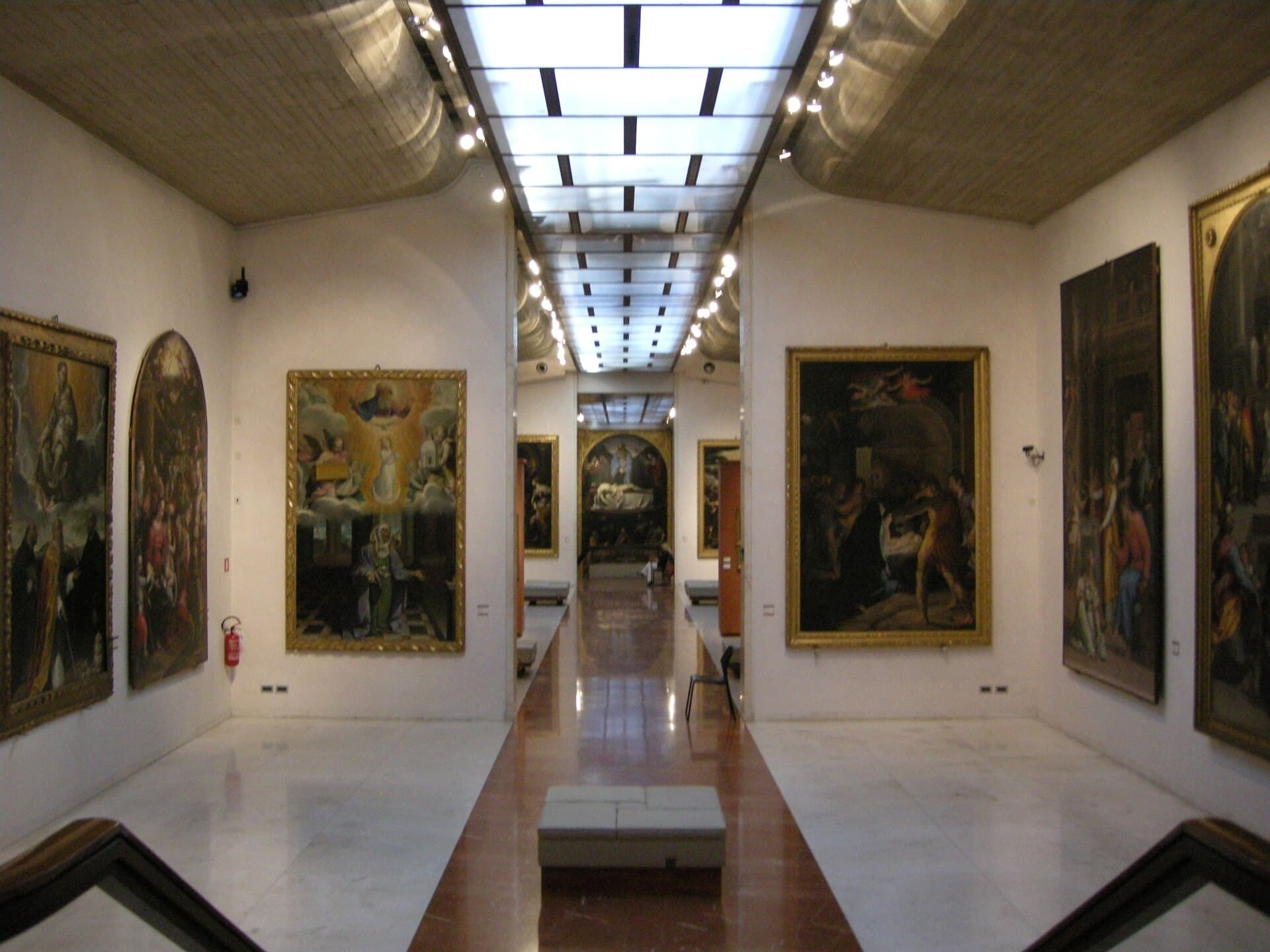 National Art Gallery of Bologna**The most important collection of Bolognese painting anywhere, holding Raphael,2 minutes walk4.7
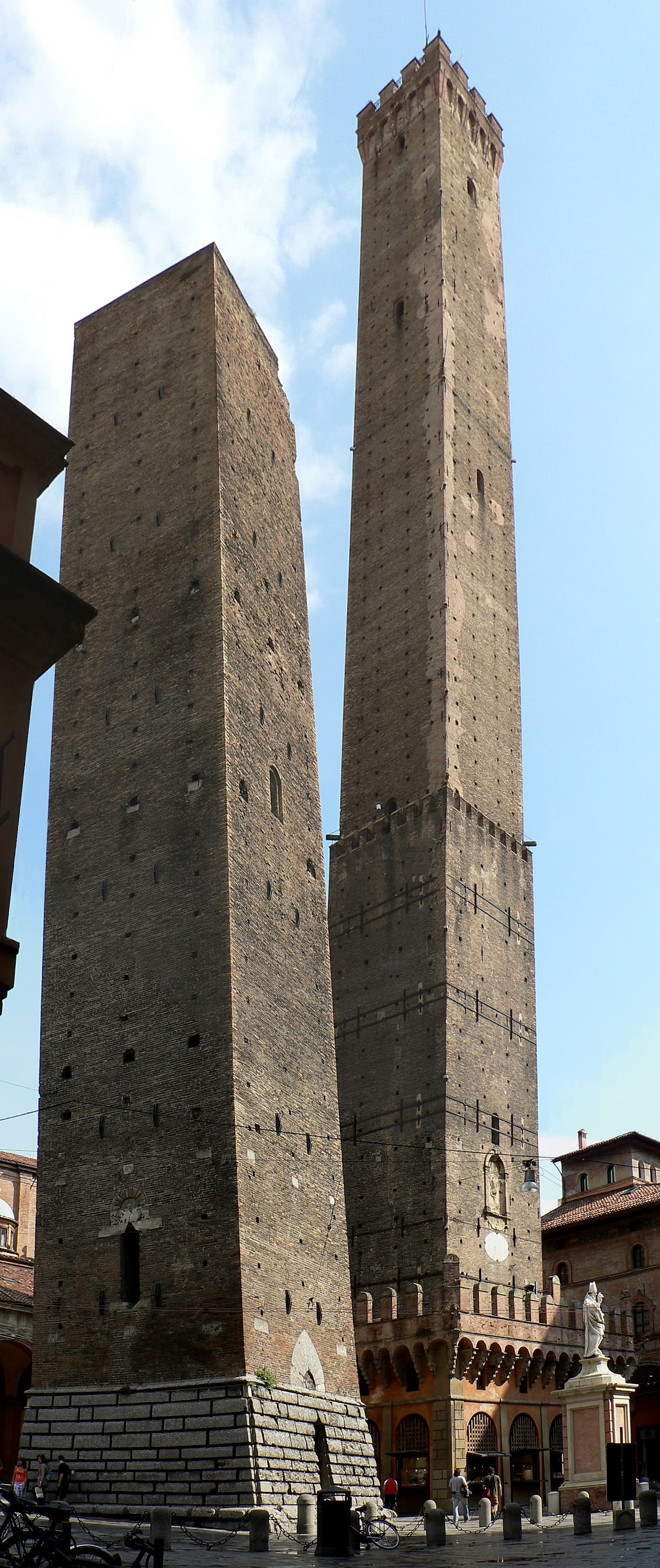 The Two Towers**Two medieval towers standing side by side, both leaning, one of them shortened6 minutes walk4.6
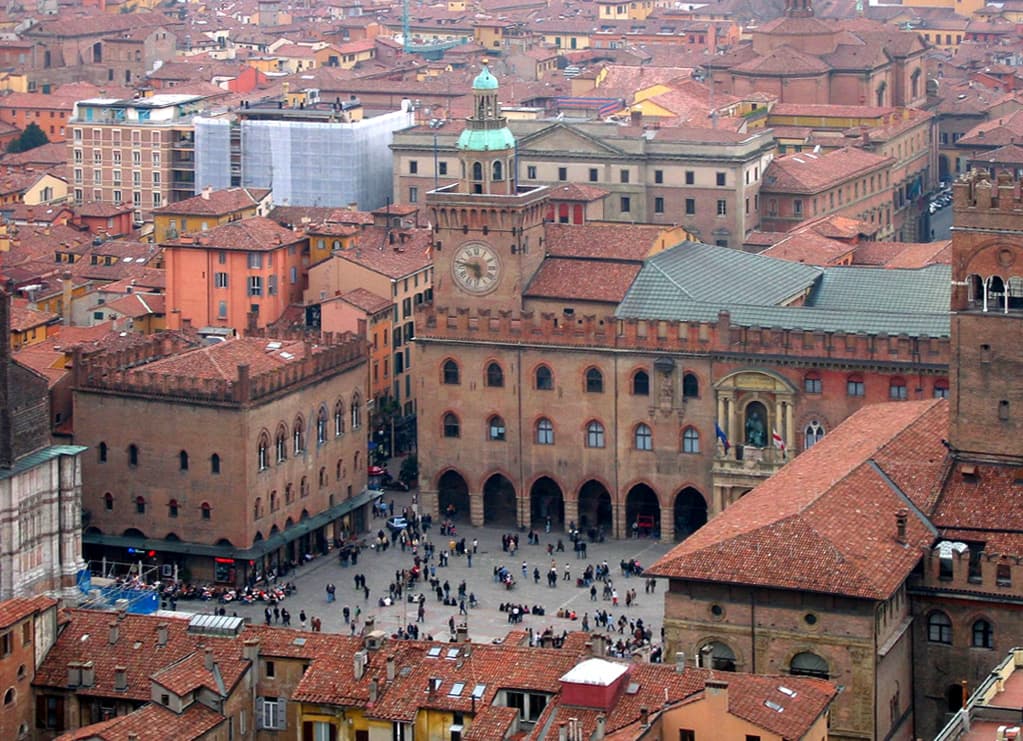 Piazza Maggiore**Bologna's central square, ringed by medieval palaces, with the Neptune fountai9 minutes walk
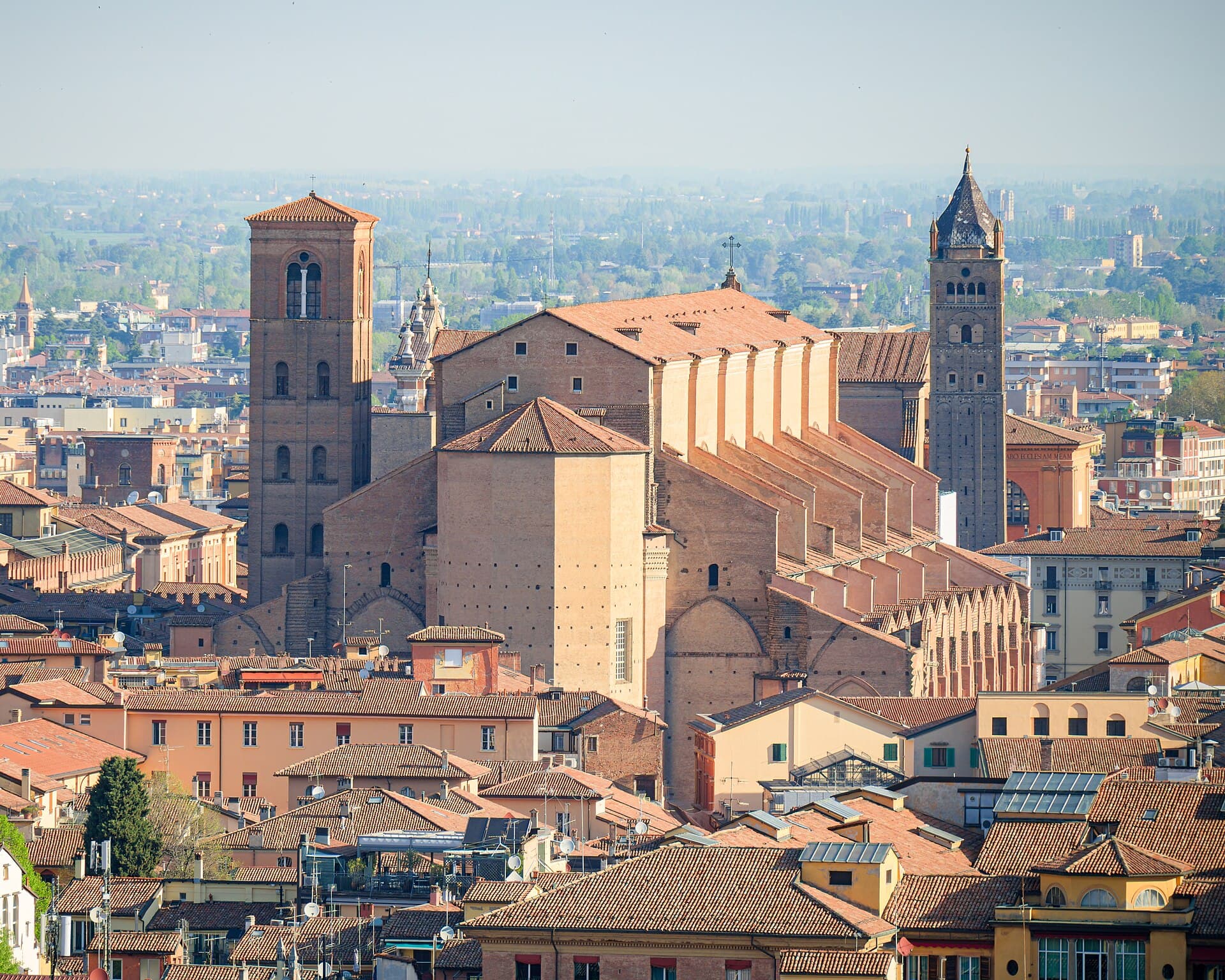 Basilica of San Petronio**An enormous church whose façade is still unfinished after six centuries, with 9 minutes walk4.6
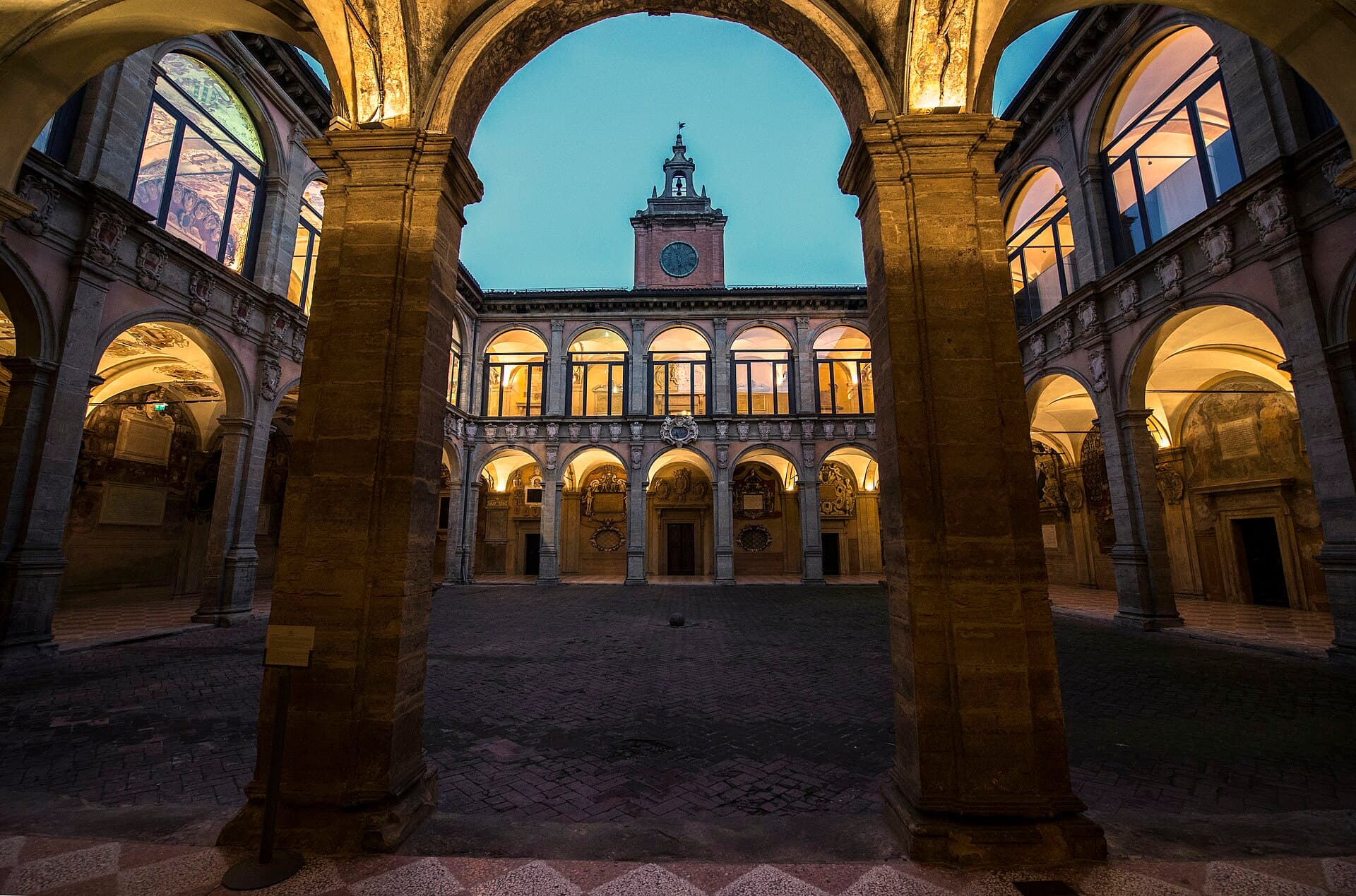 The Archiginnasio**The historic seat of the world's oldest university, its walls covered in six t10 minutes walk4.7
**Because cadavers were scarce and childbirth killed — and models were a practical answer that saved lives.** ✅ **The first problem — scarcity of bodies**: dissection was **legally and religiously restricted** and cadavers very few, **and they decayed fast** before enough students could see them. **So systematic teaching was impossible.** ✅ **The second — childbirth**: **maternal and infant mortality was very high** in the 18th century, **much of it from foetal positions that could be managed if the attendant recognised them**. ✅ **The solution**: **Pope Benedict XIV** — himself Bolognese and interested in science — commissioned a teaching collection. **Sculptors** (chiefly **Ercole Lelli**, **Giovanni Manzolini** and his wife **Anna Morandi**, who dissected and modelled herself) **made life-size models** in wax, clay and wood, **anatomically exact**, **showing normal and obstructed foetal presentations** step by step. ✅ **The effect**: a midwife could **train by touch** on a presentation she had never seen — **and that genuinely reduced mortality**. ⚠ **So the collection is not macabre curiosity but a life-saving instrument**, and that is how it should be seen.