
The Edict of Milan, 313
From here came the decision that ended the persecution of Christians in the empire.
Lorenzo Fratti — CC BY-SA 3.0 · Óðinn — CC BY-SA 2.5 ca · Ottantafame — CC BY-SA 4.0
The remains of the Roman imperial palace in Milan, low ruins below street level in the city centre. What makes them important is not their size but what happened here. Milan — Mediolanum — was capital of the Western Roman Empire in the fourth century, and this palace was the emperor's seat. From here came the Edict of Milan in 313, which ended the persecution of Christians in the empire and permitted worship openly. That decision changed the course of all European history. What you see today is wall foundations, floors and columns, and visually it is little. Do not expect a building — expect a site. The value is in standing where it happened rather than in the view. The site is open, free and visible from street level at any time, and parts of it may open for visits within the archaeological museum's programmes. It stands minutes from the church of San Lorenzo with its sixteen Roman columns, and together the two give you Roman Milan.
From here came the decision that ended the persecution of Christians in the empire.
Milan was the emperor's seat in the fourth century, not Rome.
Sixteen Roman columns minutes away complete the picture.
Via Brisa, central Milan
 San Maurizio al Monastero MaggioreBehind an unpromising grey front on Corso Magenta hides the "Sistine of Milan": 2 minutes walk4.7
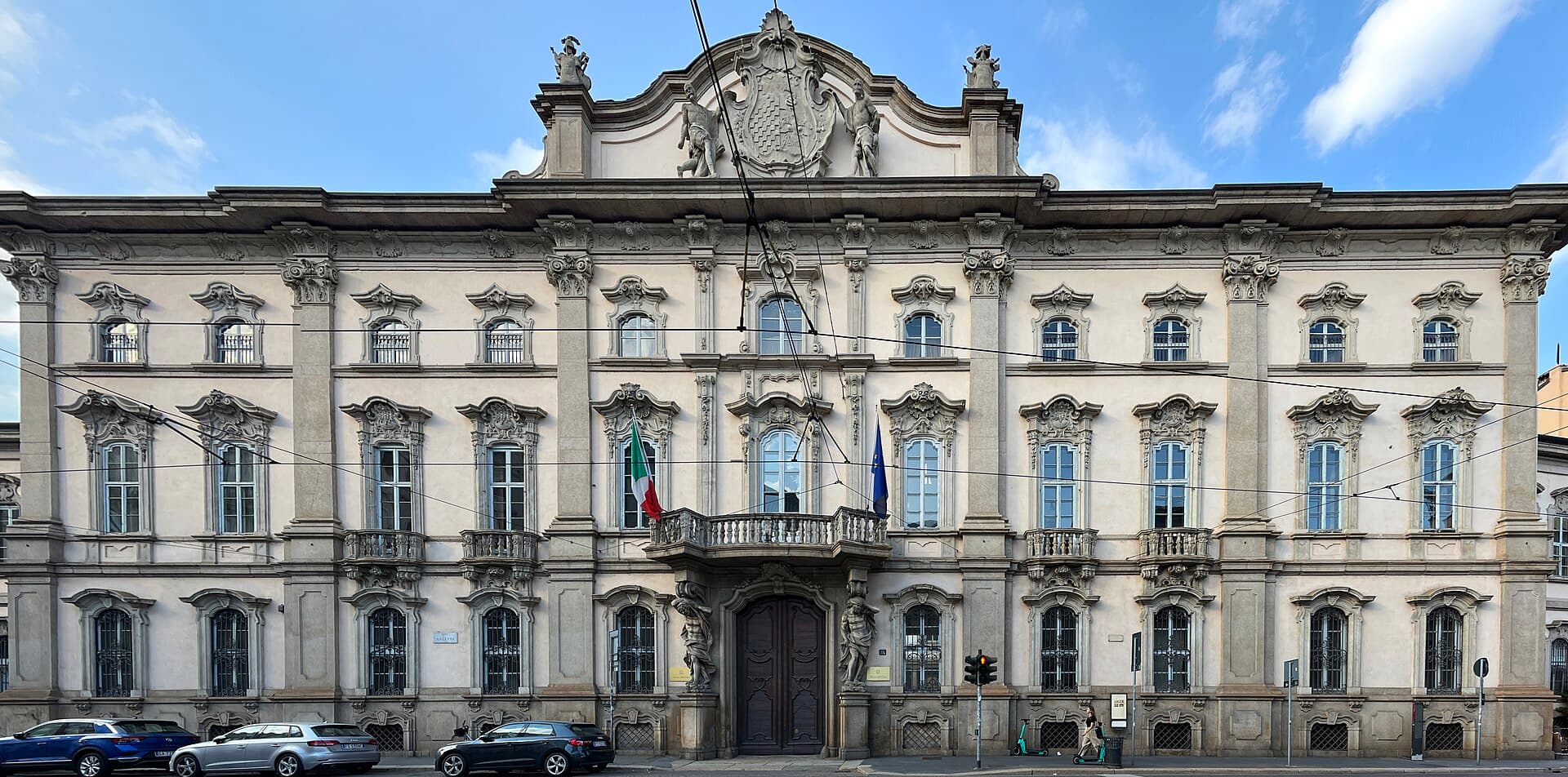 Palazzo LittaA seventeenth-century palace on Corso Magenta west of central Milan, its undulat2 minutes walk4.5
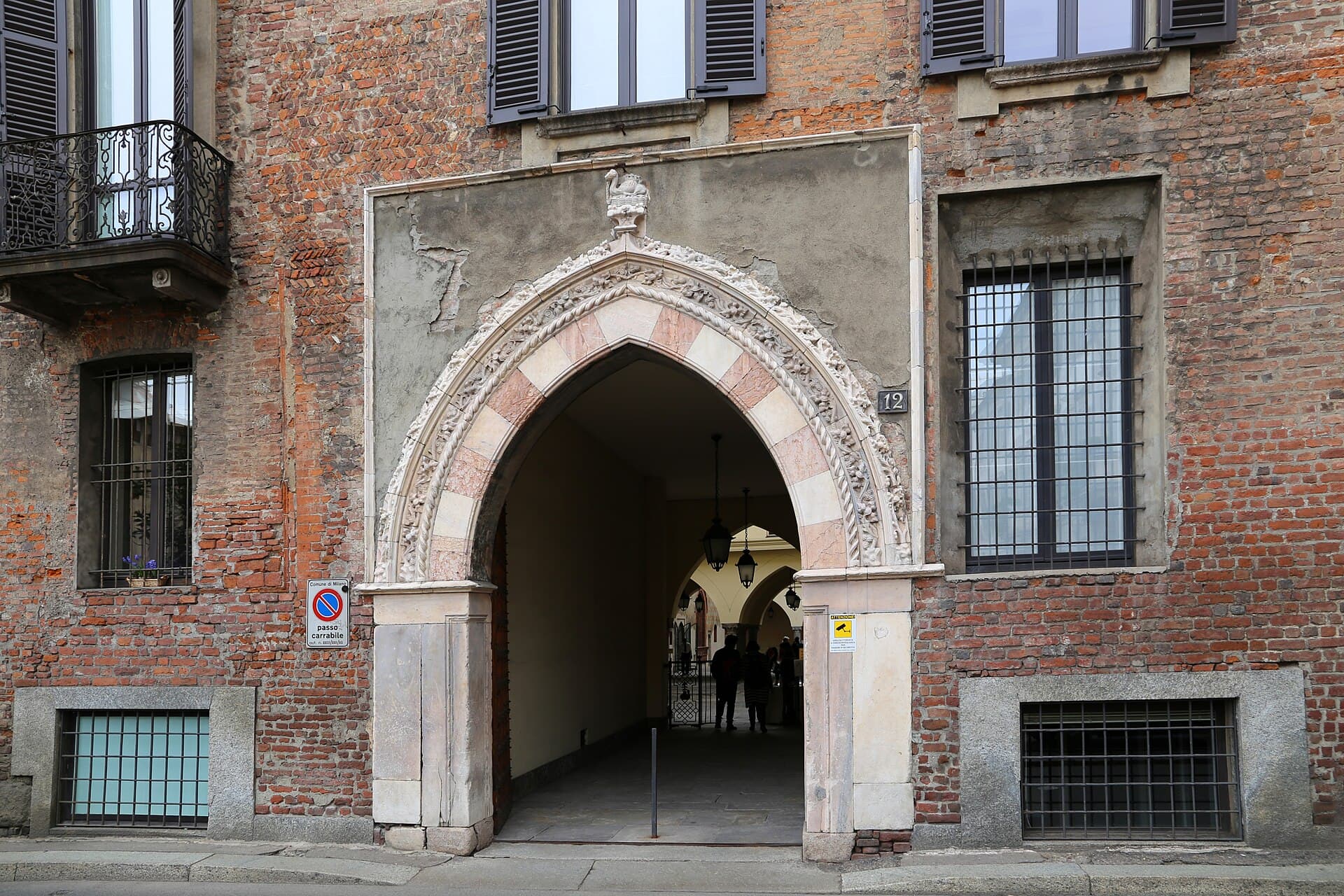 The Palazzo BorromeoA fifteenth-century palace on a small quiet square in central Milan, among the f3 minutes walk4.2
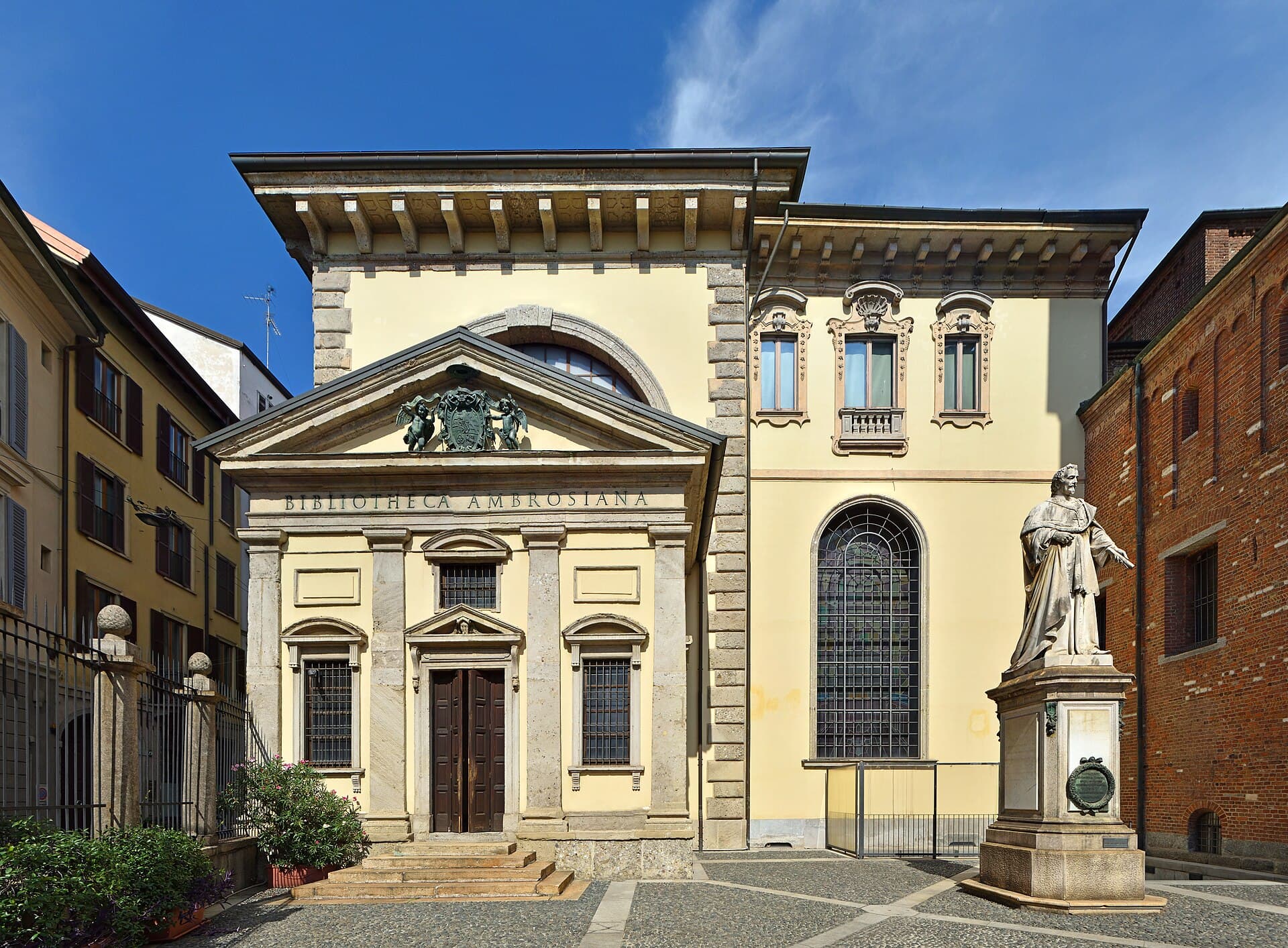 Pinacoteca AmbrosianaIn a single room of an old palazzo in central Milan, a charcoal drawing runs som6 minutes walk4.5
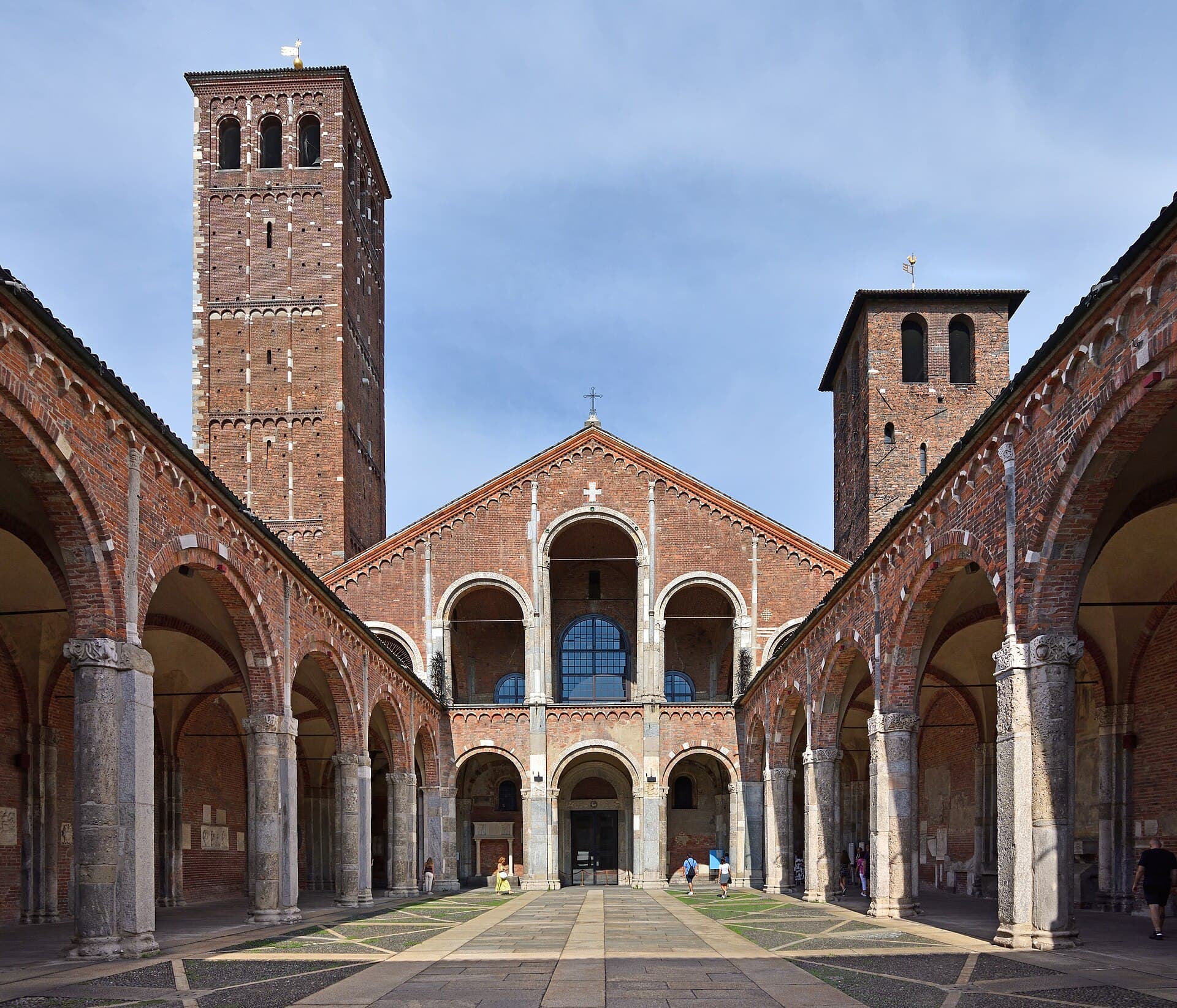 Basilica of Sant'AmbrogioBeneath the high altar, behind the glass of a silver casket, three men lie side 6 minutes walk4.6
Yes for someone who knows what happened here, no for someone who does not. Visually you see modest stone foundations, and the value is entirely in the historical context. Read about the Edict of Milan before standing in front of it — two minutes of reading turns stones into a site.
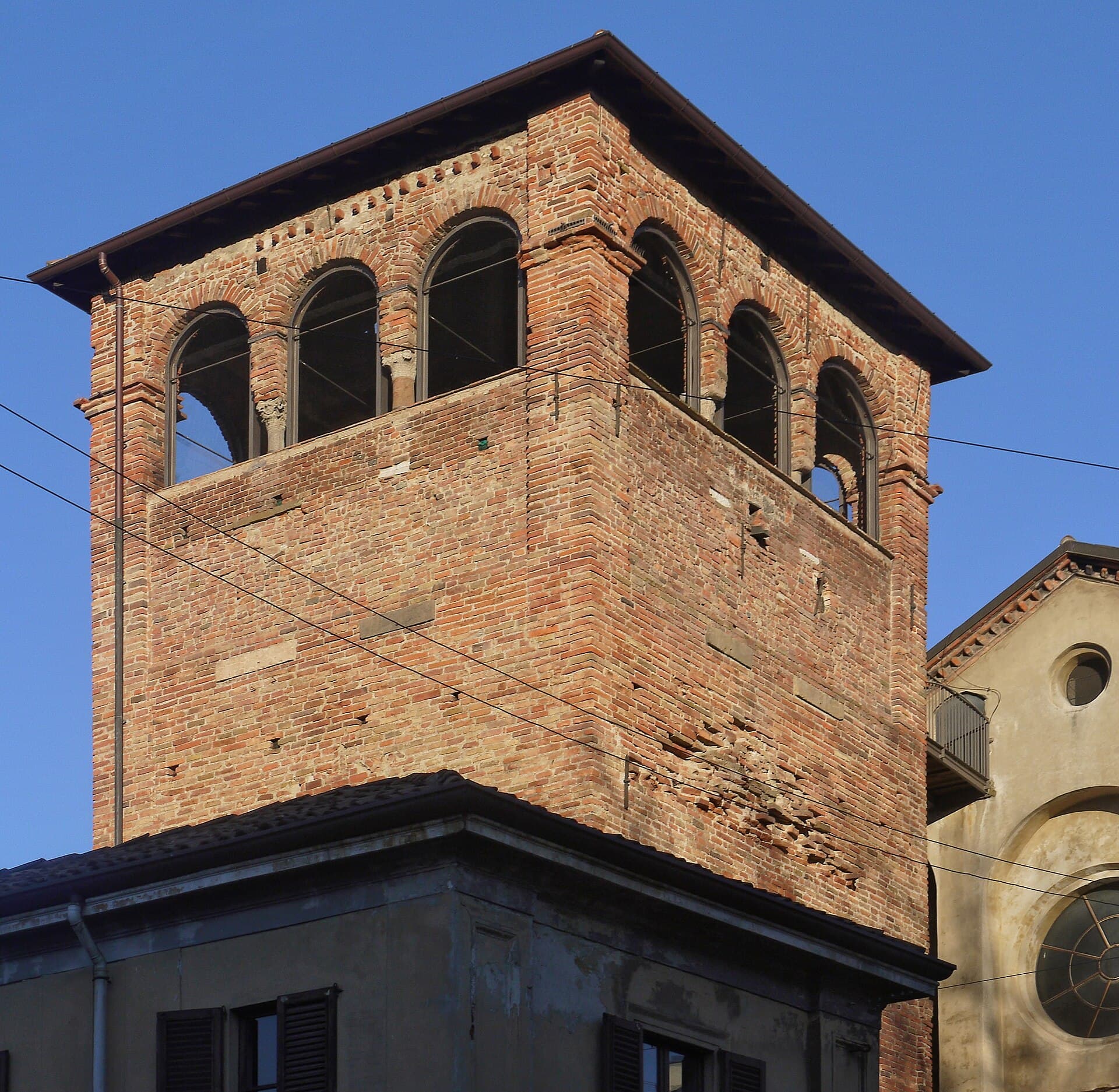
The church of San Lorenzo with sixteen Roman columns in front of it, moved from another building, and the nearby archaeological museum showing the Roman city's remains and containing part of its wall and a tower. These three with the palace are walked in two hours and give you the whole of Mediolanum.