
Frescoes of games
Ladies and gentlemen at ball and cards — rare secular painting.
Sailko — CC BY 3.0 · Andrea Albini — CC BY-SA 3.0 · Sailko — CC BY 3.0 · G.dallorto — CC BY-SA 2.5 it
A fifteenth-century palace on a small quiet square in central Milan, among the few surviving civic Gothic buildings in the city. The facade is red brick with a carved marble gateway bearing the Borromeo arms — a banking family that rose into the nobility and produced saints and cardinals, and still owns the Borromean Islands in Lake Maggiore. What gives it a place in art history is its inner courtyard: early fifteenth-century frescoes showing scenes of aristocratic play — ladies and gentlemen at ball and card games in a garden. They are among the most important surviving examples of the International Gothic style in Lombardy, and a rare instance of secular painting from that period. The palace was damaged in the bombing of 1943 and partly restored, and is in private use today. The facade and square are free to see; the courtyard and frescoes are not freely visited.
Ladies and gentlemen at ball and cards — rare secular painting.
Among its most important surviving examples in Lombardy.
Bankers turned nobles, still owning the Lake Maggiore islands.
Piazza Borromeo, central Milan
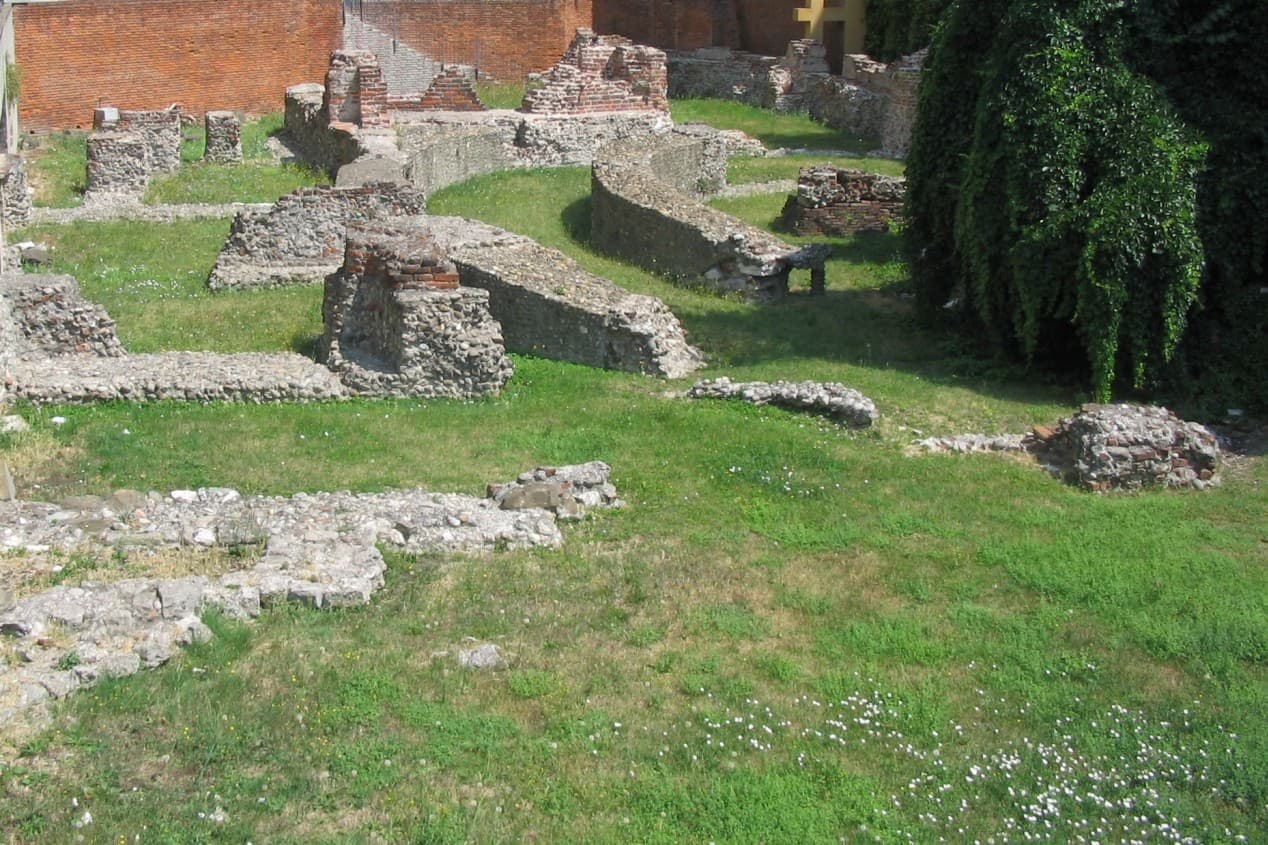 Roman Imperial PalaceThe remains of the Roman imperial palace in Milan, low ruins below street level 3 minutes walk4.5
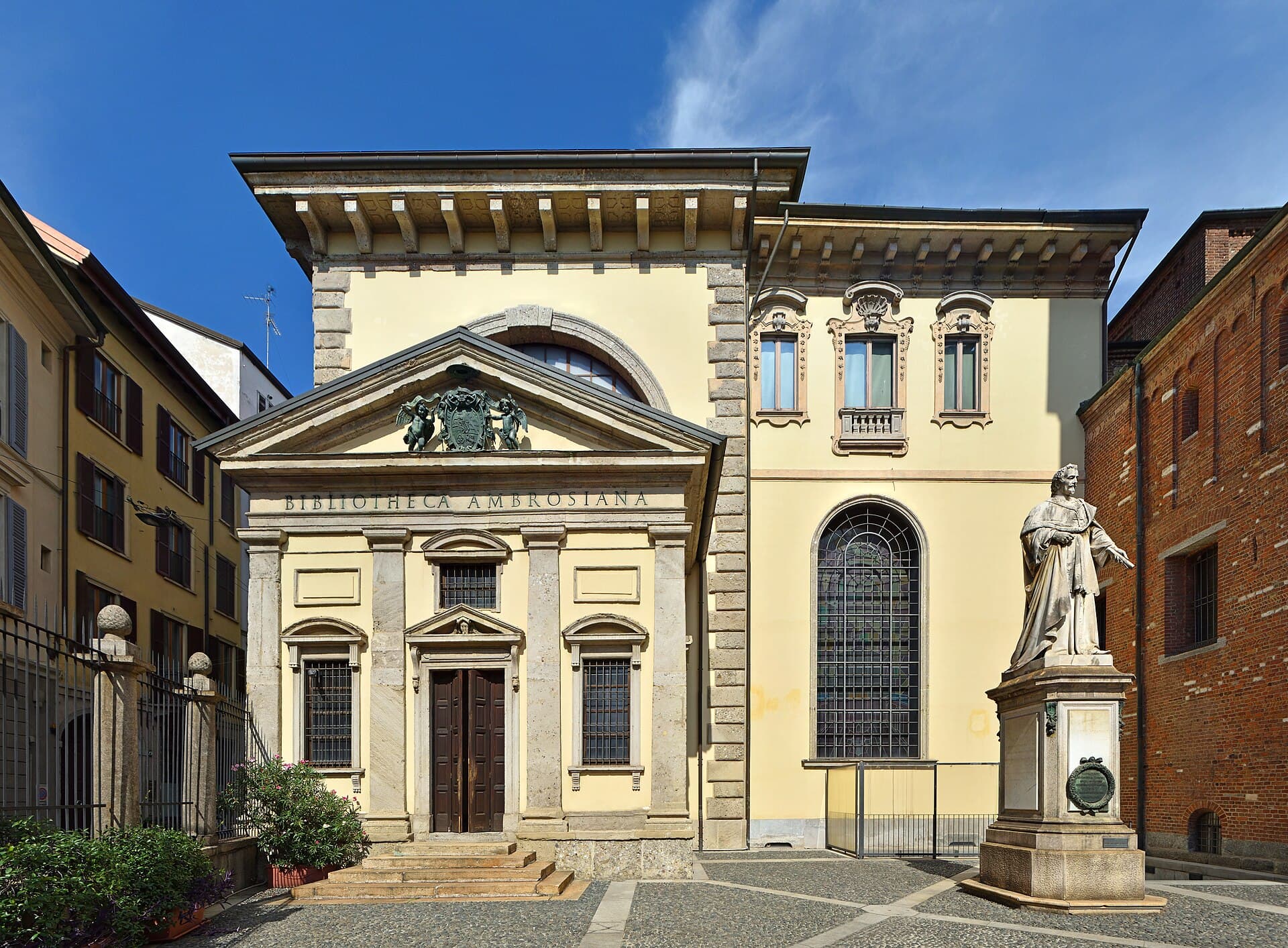 Pinacoteca AmbrosianaIn a single room of an old palazzo in central Milan, a charcoal drawing runs som3 minutes walk4.5
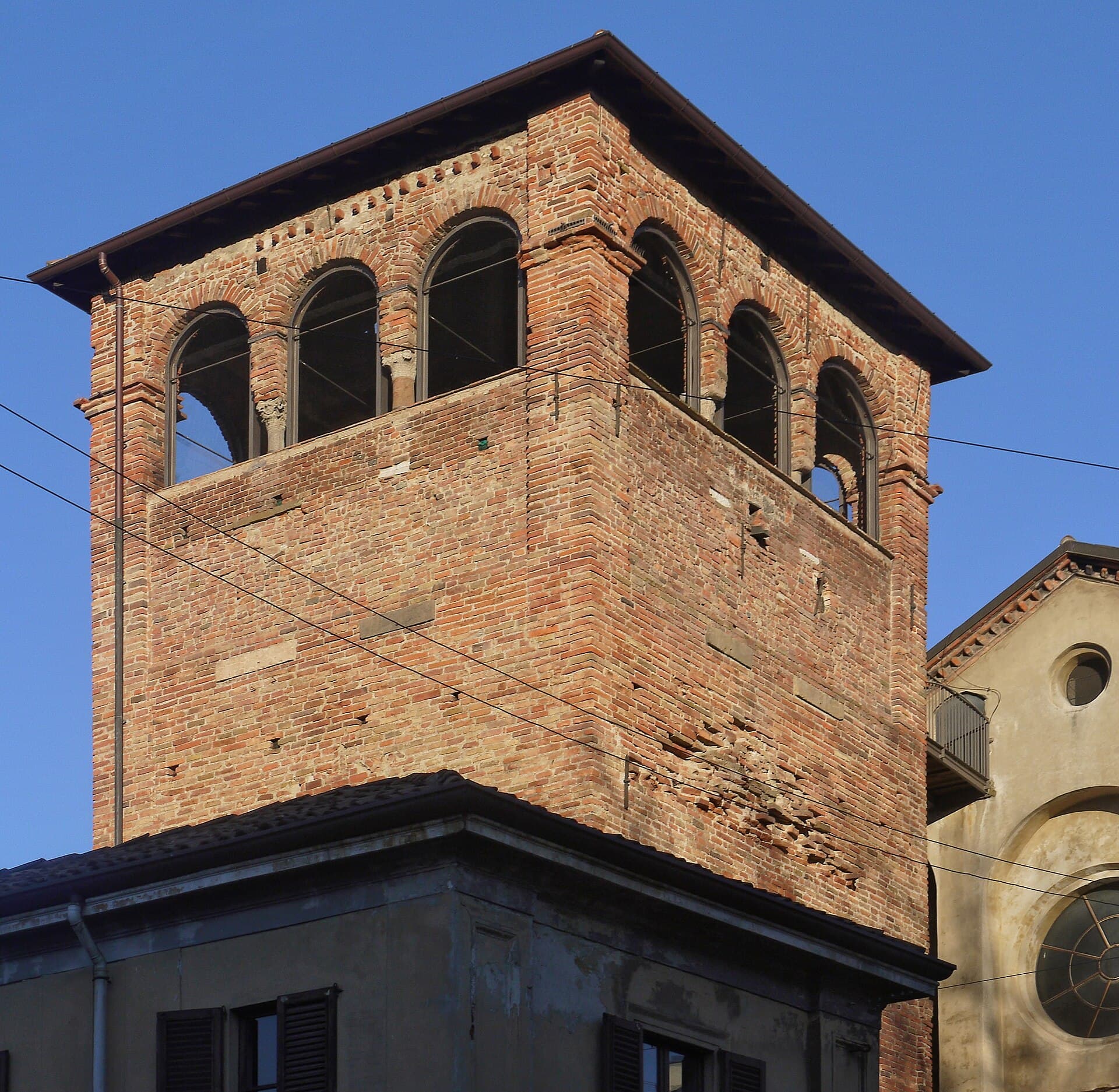 San Maurizio al Monastero MaggioreBehind an unpromising grey front on Corso Magenta hides the "Sistine of Milan": 4 minutes walk4.7
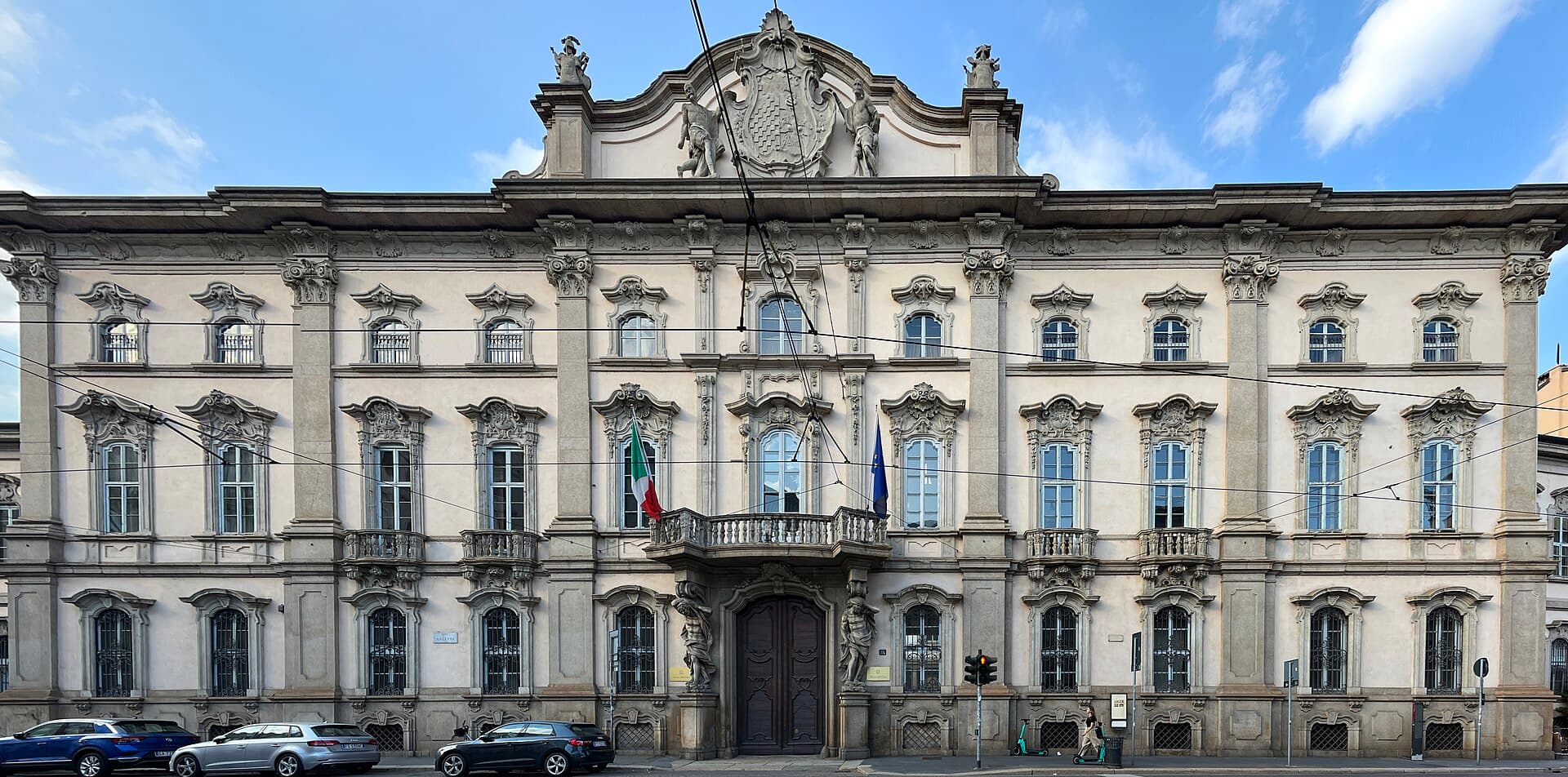 Palazzo LittaA seventeenth-century palace on Corso Magenta west of central Milan, its undulat5 minutes walk4.5
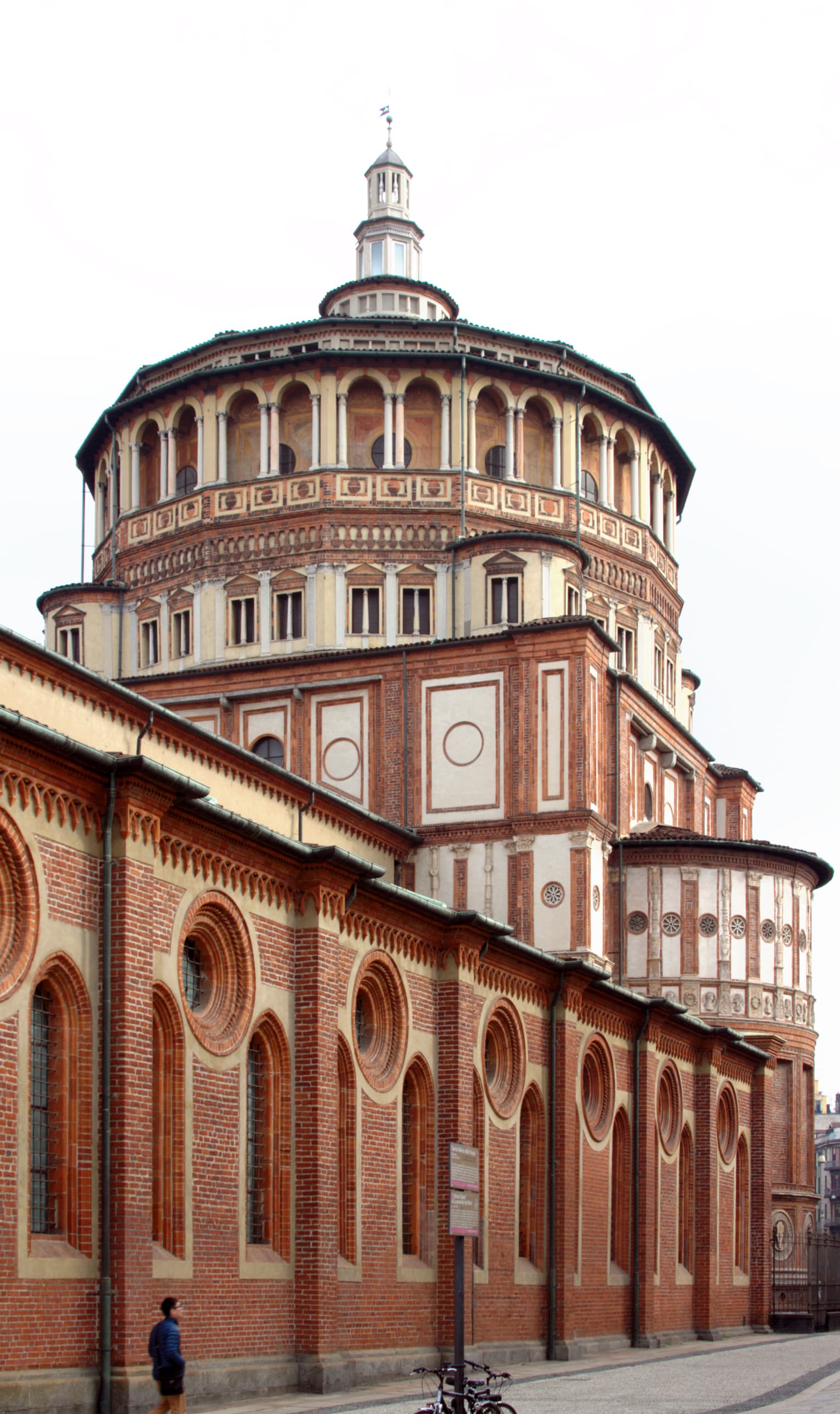 Santa Maria delle GrazieA fifteenth-century convent and church west of central Milan, both on the UNESCO5 minutes walk4.8
An artistic style that dominated the courts of Europe between about 1375 and 1425, called international because it looked strikingly similar from England to Bohemia to Italy despite the distances — it travelled with artists moving between courts. Its marks are flowing elegant line, bright colour and gold, luxurious detail in dress, an interest in nature and animals, and worldly courtly subjects alongside religious ones. Its best-known example is Gentile da Fabriano's Adoration of the Magi.
Three islands in Lake Maggiore in northern Italy still owned by the family: Isola Bella with its baroque palace, ten terraced gardens and white peacocks; Isola Madre with its botanical garden; and Isola dei Pescatori, an inhabited fishing village. They are visited by boat from Stresa and are among the best-known destinations of the northern Italian lakes. A full day trip from Milan by train.