
Artillery changed the form
Tall towers became targets, and low bastions replaced them.
Cezar Suceveanu — CC BY-SA 3.0 ro · Thomas Ledl — CC BY-SA 4.0 · Аимаина хикари — CC0 · Аимаина хикари — CC0
A sixteenth-century defensive bastion in the eastern belt of Sibiu's walls, named after Peter Haller, the mayor who ordered its construction. The bastion is a transitional form in the history of fortification: no longer a tall round tower as in the Middle Ages, but a low block with thick walls and sharp angles. The reason is artillery. Tall towers were an easy target for cannon shot and collapsed under it, so sixteenth-century Europe turned to low bastions that absorb fire and provide platforms for their own guns. Sibiu was among the most strongly fortified cities in central Europe: four belts of walls and thirty-nine towers and bastions. It withstood an Ottoman siege and was never taken by force. Part of the walls and a number of towers survive today, most of them on the south-eastern side, where a tree-shaded promenade runs along the wall. Viewing from outside is free.
Tall towers became targets, and low bastions replaced them.
Sibiu was among central Europe's most strongly fortified cities.
It withstood an Ottoman siege and never fell militarily.
East of the old town, Sibiu
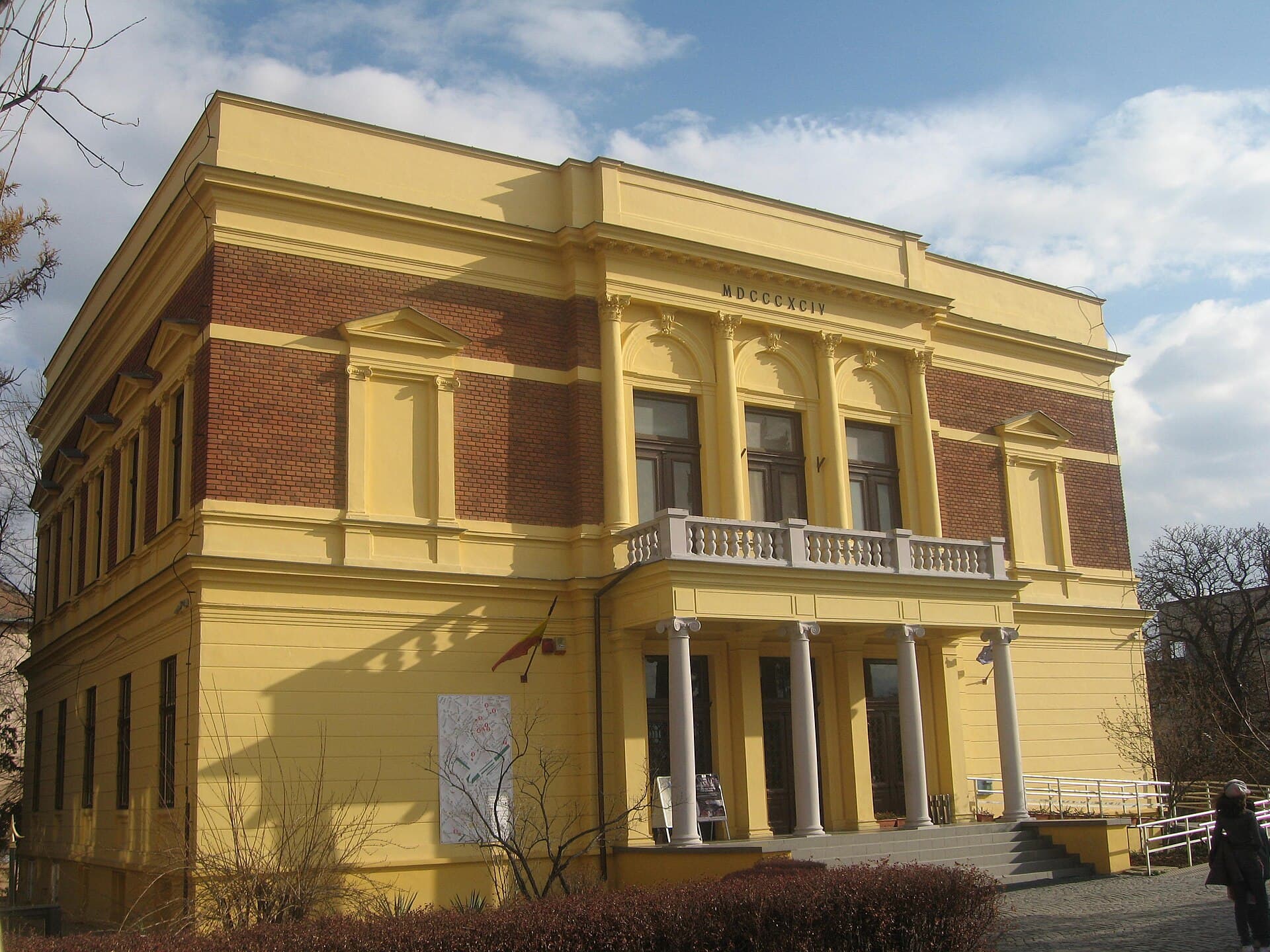 Natural History Museum of SibiuA natural history museum in a nineteenth-century building put up for the purpose3 minutes walk4.7
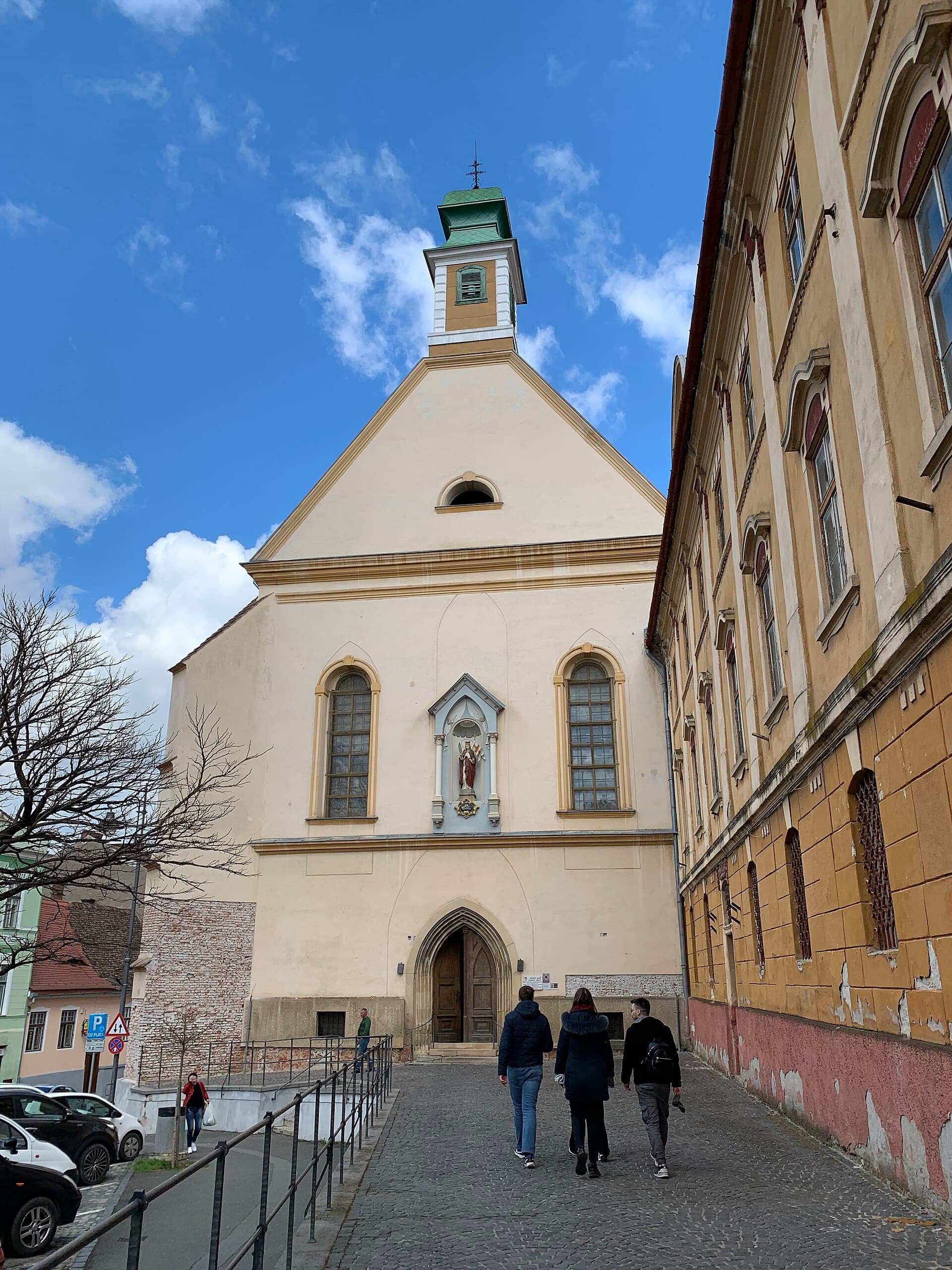 The Ursuline Church and ConventA church and convent in Sibiu's upper town, originally Dominican and of the fift4 minutes walk4.7
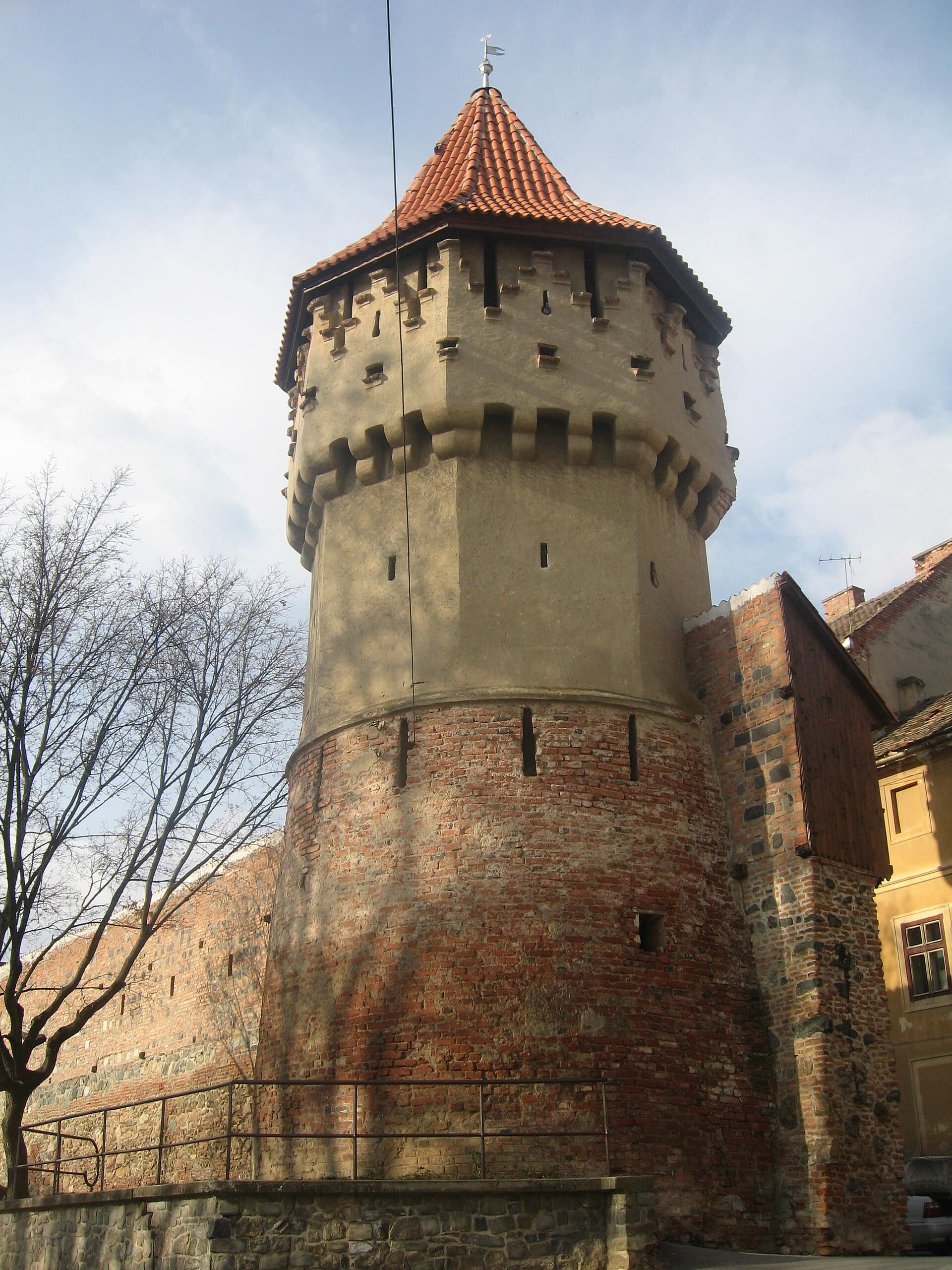 The Carpenters' TowerOne of the surviving defensive towers in Sibiu's walls, roughly fifteenth centur4 minutes walk4.8
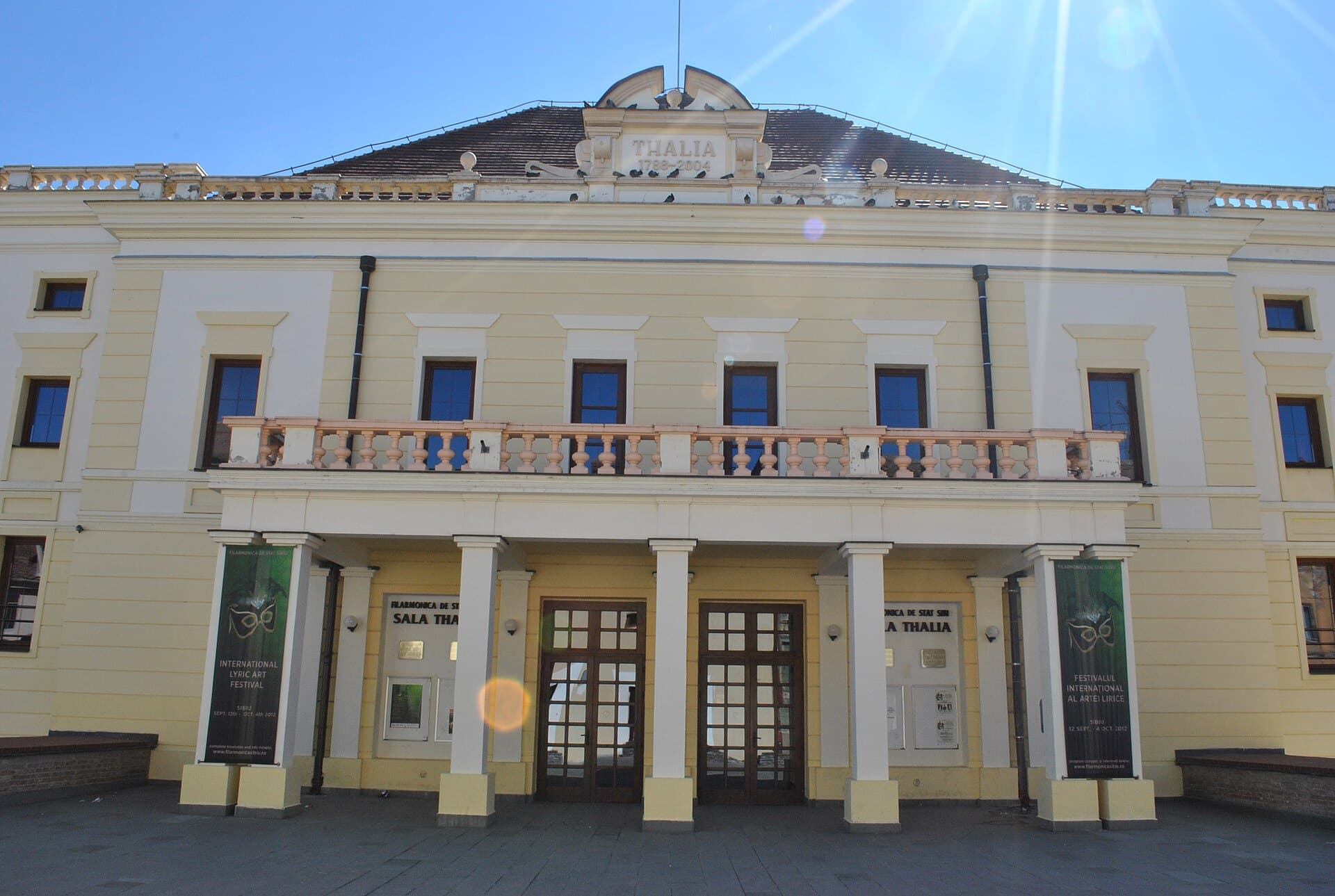 The Thick Tower and Thalia HallA fifteenth-century defensive tower in Sibiu's walls, called the Thick Tower for5 minutes walk4.8
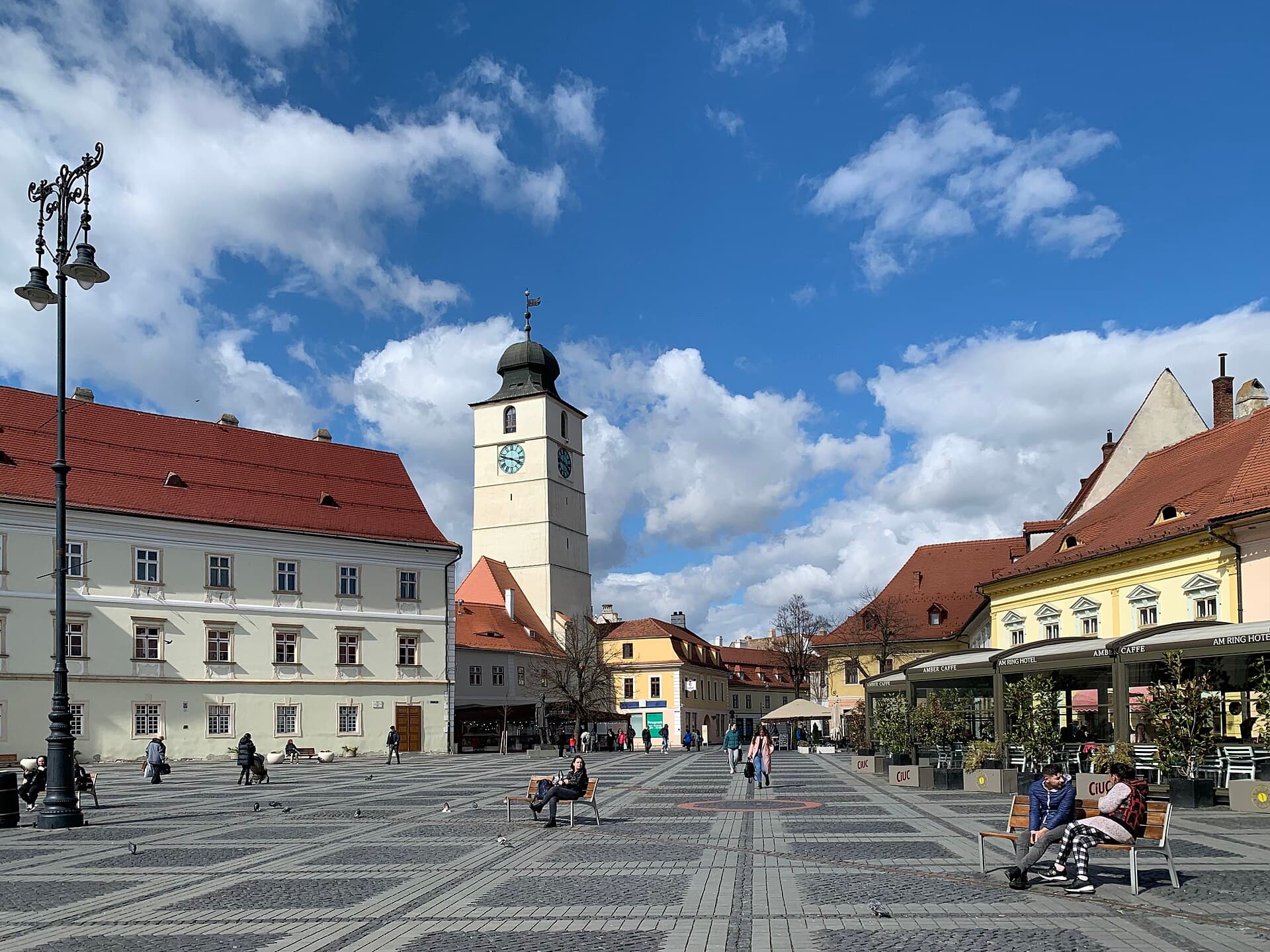 The Large SquareThe city with eyes: Sibiu's Large Square is ringed by pastel Saxon houses that w5 minutes walk4.9
A tower is a tall round or square structure projecting from the wall, designed for shooting arrows and stones from above. A bastion is a low, broad structure with sharp arrowhead angles, designed after the spread of artillery to achieve two things: absorbing shot in its thick sloped walls, and eliminating dead ground so each bastion covers its neighbours' flanks with fire. The complete system is called star fortification because the plan looks like a star.
Start from the small square and head to Cetății street along the south-eastern wall: a tree-shaded promenade passing the carpenters', potters' and blacksmiths' towers with the bastions between them. The route is about twenty minutes on foot and ends at a nearby park. The north-western section of the walls has disappeared beneath the modern city.