
Defence by guild
A Transylvanian arrangement: the guilds rather than an army held the town, each with its tower.
Cezar Suceveanu — CC BY-SA 3.0 · Andrei kokelburg — CC BY-SA 3.0 ro · Andrei kokelburg — CC BY-SA 3.0 ro
One of the surviving defensive towers in Sibiu's walls, roughly fifteenth century, standing on Strada Cetății alongside two others on the same stretch. The name explains the city's defensive system: each tower was the responsibility of a particular craft guild, which funded, manned and defended it. The carpenters had theirs, the potters theirs, and so on. Defence was not the job of an army but an obligation distributed across the trades, an arrangement common in the German towns of Transylvania. The tower itself is plain: a square mass of stone and brick with firing openings, seen from outside and not entered. The visit is minutes within a walk along the wall line. Walking Strada Cetății is the best way to understand Sibiu's fortifications: three towers in succession with the wall passage between them, all a short distance from the Large Square.
A Transylvanian arrangement: the guilds rather than an army held the town, each with its tower.
Three towers and the wall passage between them explain the defences better than one tower does.
A short pause within a walk of the historic centre rather than a destination.
Strada Cetății, historic centre of Sibiu
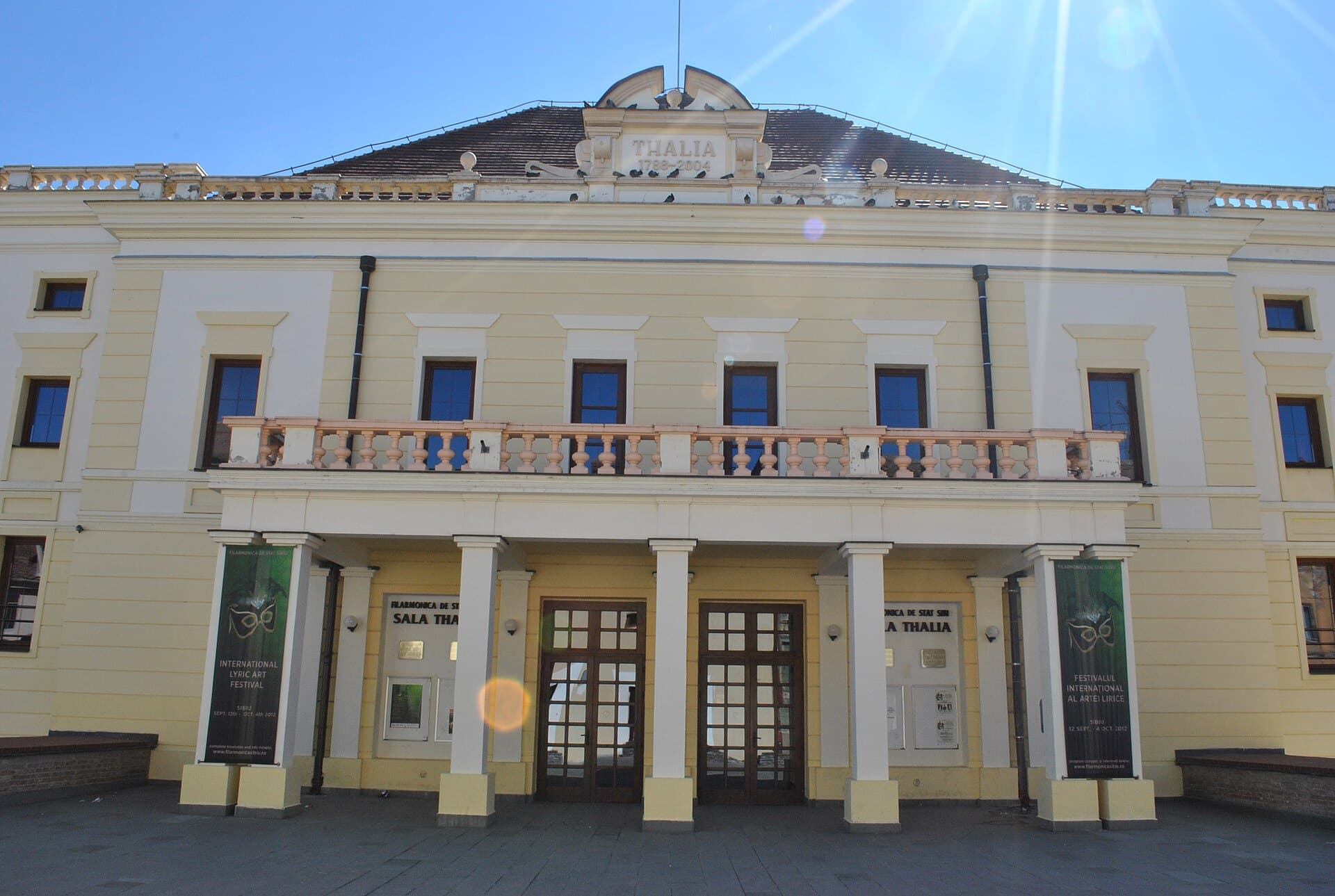 The Thick Tower and Thalia HallA fifteenth-century defensive tower in Sibiu's walls, called the Thick Tower for1 minute walk4.8
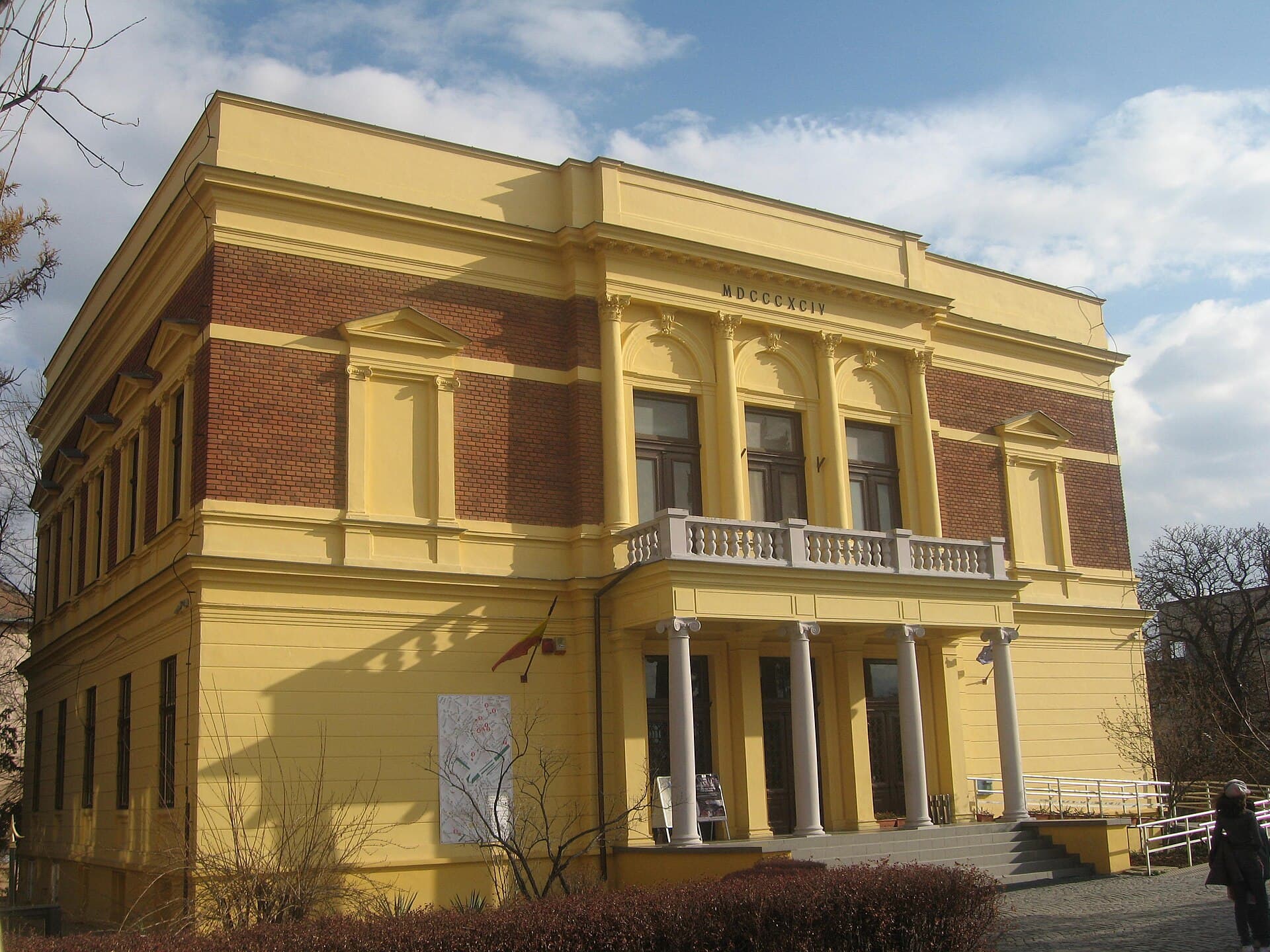 Natural History Museum of SibiuA natural history museum in a nineteenth-century building put up for the purpose2 minutes walk4.7
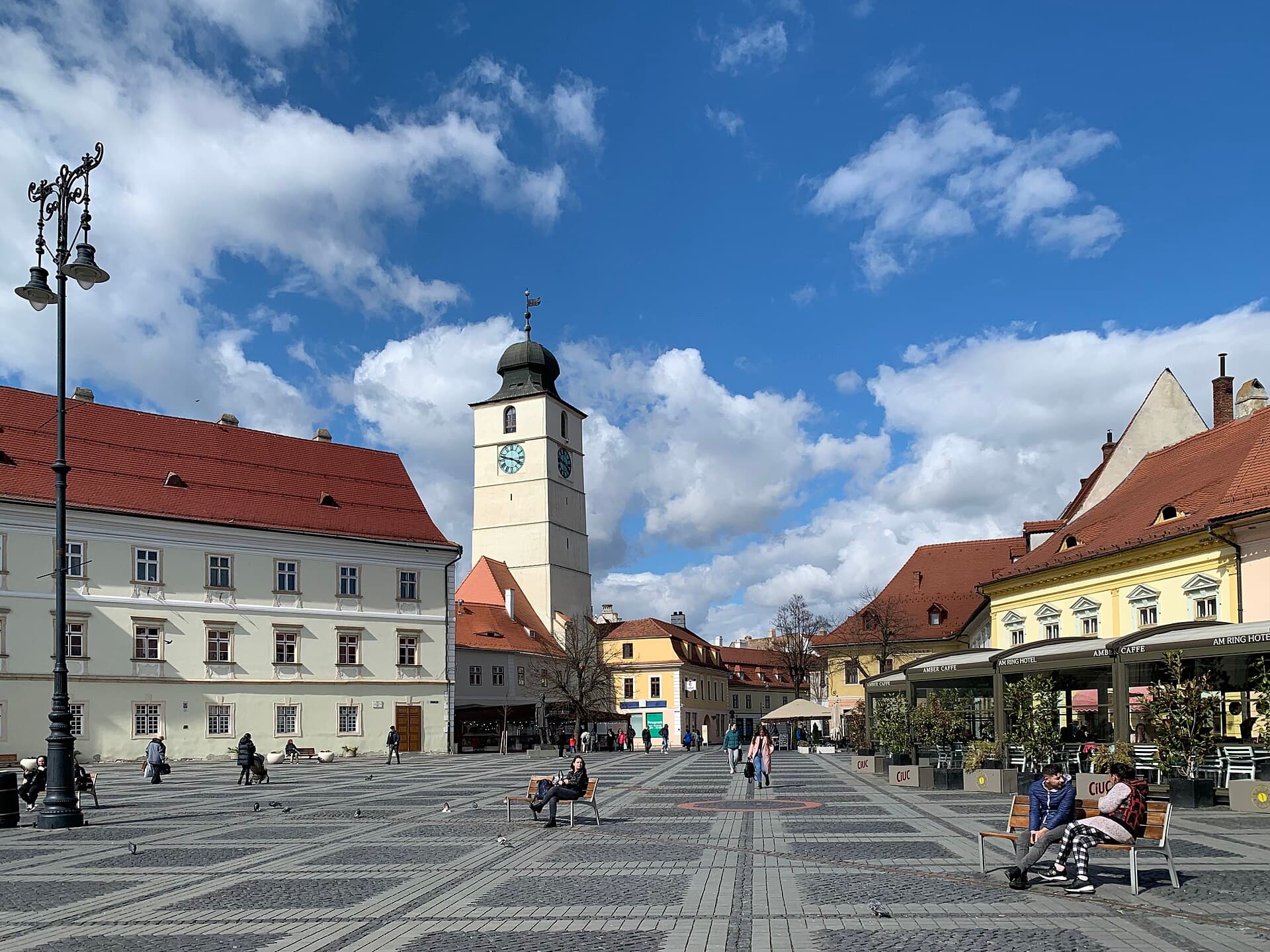 The Large SquareThe city with eyes: Sibiu's Large Square is ringed by pastel Saxon houses that w4 minutes walk4.9
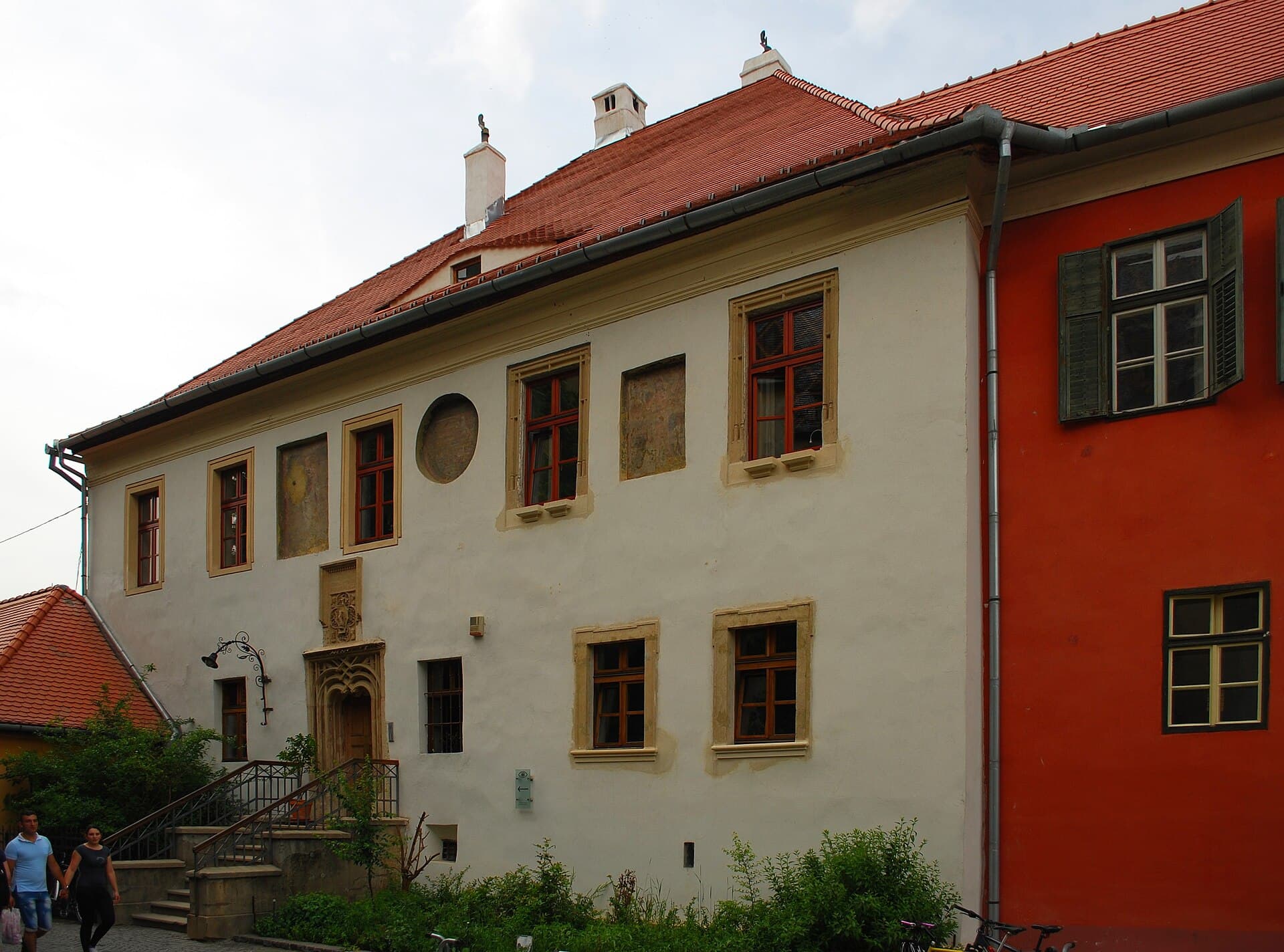 The Evangelical ParsonageA historic building in Sibiu's Upper Town, the administrative seat of the Luther4 minutes walk4.6
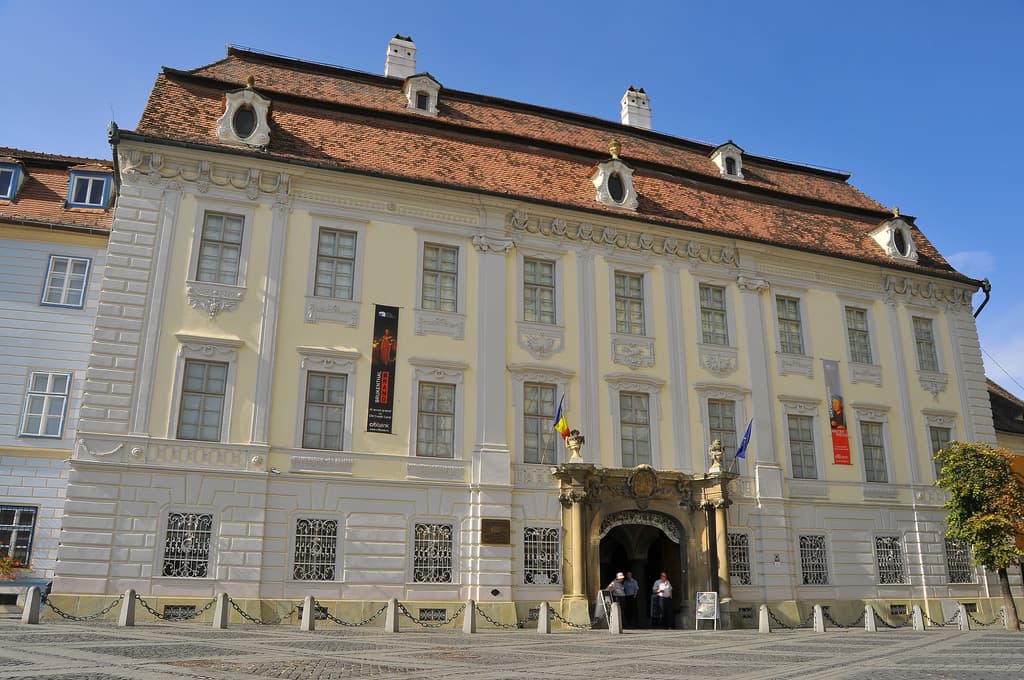 Brukenthal National MuseumRomania's first museum and among Europe's oldest: Baron Samuel von Brukenthal, g4 minutes walk4.5
In the German towns of Transylvania the fortifications were divided among the craft guilds: each took a tower and a stretch of wall, funding its upkeep, manning it and defending it under siege. The surviving names, carpenters, potters and the rest, are what remains of that division.
The Thick Tower on the same street, larger and now home to Thalia Hall and the philharmonic. They are minutes apart, and together they give a clearer picture of the defences than either alone.