
A museum about museums
The way specimens were displayed a century and a half ago, preserved intact.
Cezar Suceveanu — CC BY-SA 3.0 · Cezar Suceveanu — CC BY-SA 3.0 · Cezar Suceveanu — CC BY-SA 3.0
A natural history museum in a nineteenth-century building put up for the purpose, and a branch of the Brukenthal National Museum. The collection grew out of the Transylvanian Society for Natural Sciences, founded by the city's German-speaking residents in the nineteenth century to study the region's nature. That origin explains the character of the display: wooden cabinets, ranked specimens and hand-written labels, a nineteenth-century museum preserved as it was rather than redesigned. That is what makes it more interesting than its contents: you are visiting a museum of how museums were presented a century and a half ago, as much as visiting it to see the specimens. Anyone expecting a modern interactive display will find it dated; anyone who values that style will find it rare. The building stands on Strada Cetății near the wall towers, so it combines naturally with a walk along the line of the fortifications.
The way specimens were displayed a century and a half ago, preserved intact.
The collection grew from a society founded by the city's German speakers to study the region's nature.
No modern interactive display here; the value is in the old style, not the technology.
Strada Cetății, central Sibiu
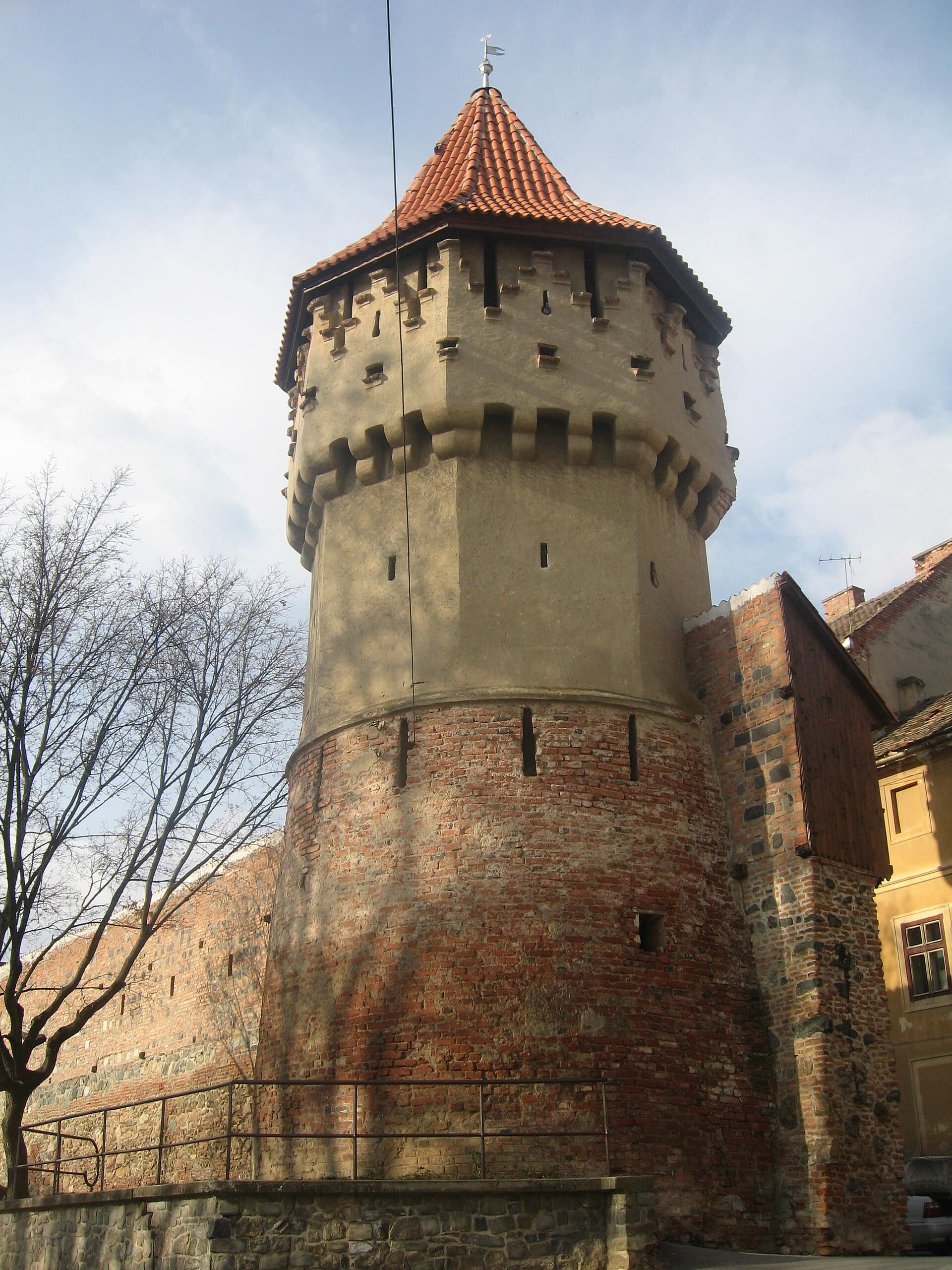 The Carpenters' TowerOne of the surviving defensive towers in Sibiu's walls, roughly fifteenth centur2 minutes walk4.8
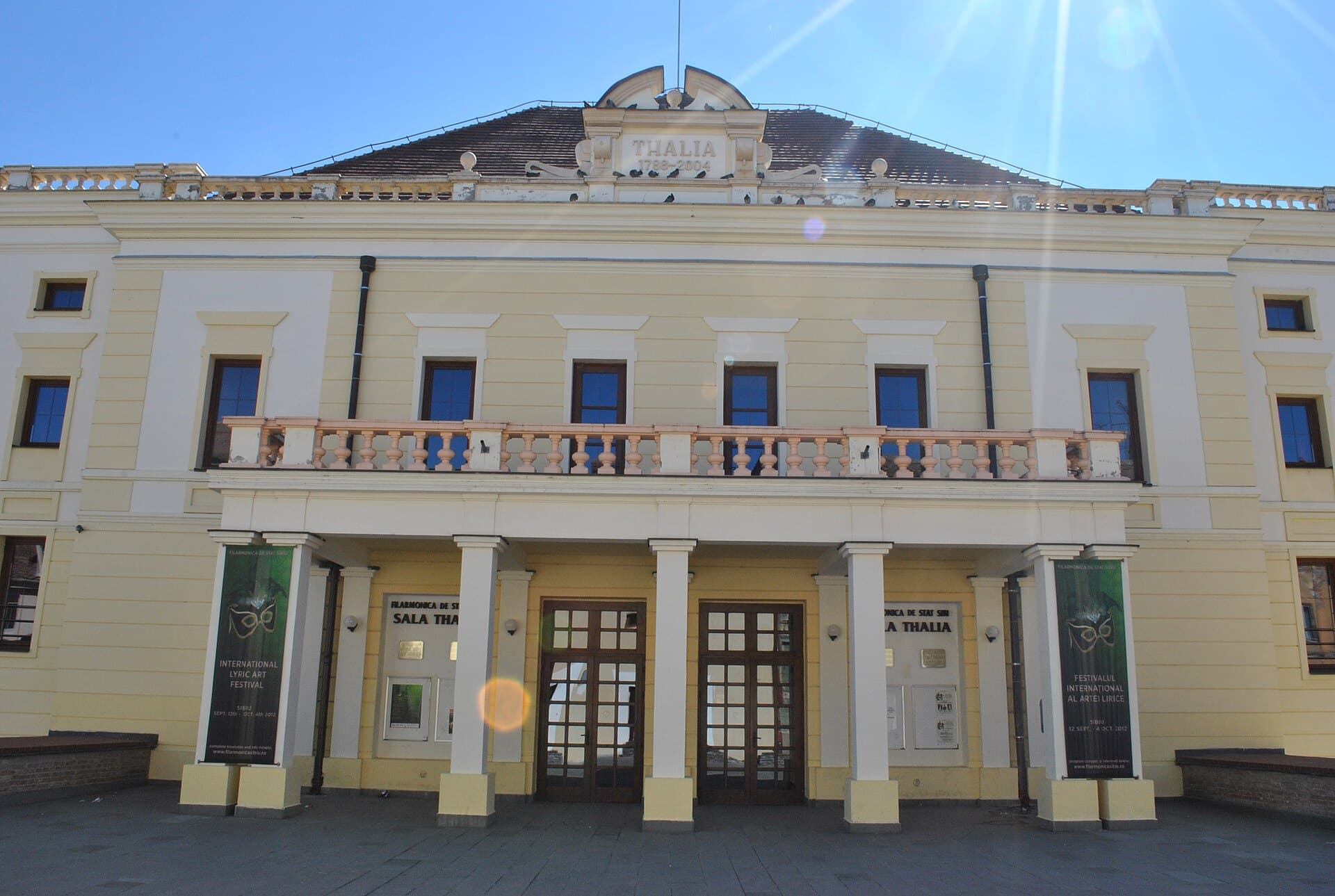 The Thick Tower and Thalia HallA fifteenth-century defensive tower in Sibiu's walls, called the Thick Tower for2 minutes walk4.8
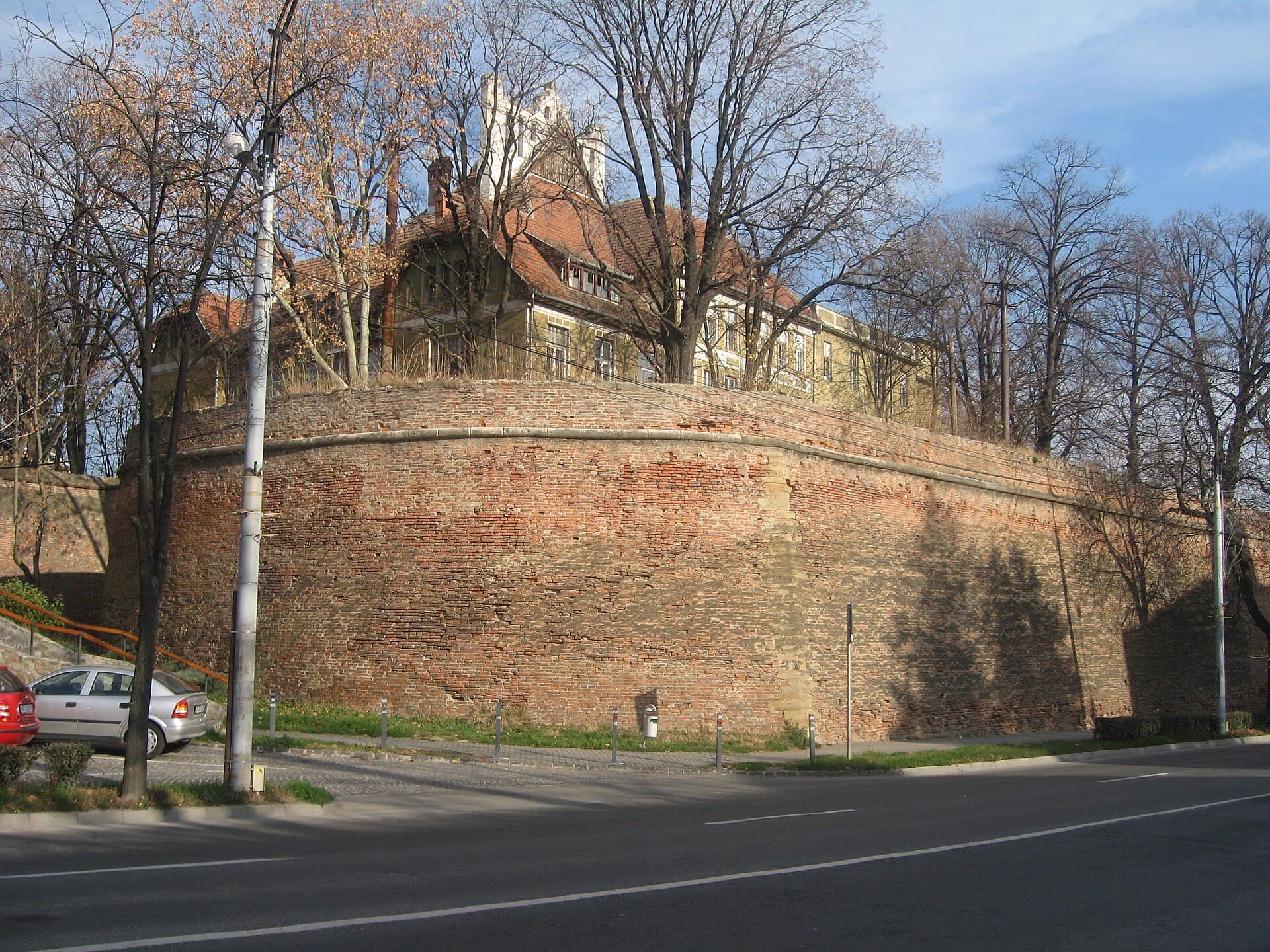 The Haller BastionA sixteenth-century defensive bastion in the eastern belt of Sibiu's walls, name3 minutes walk4.3
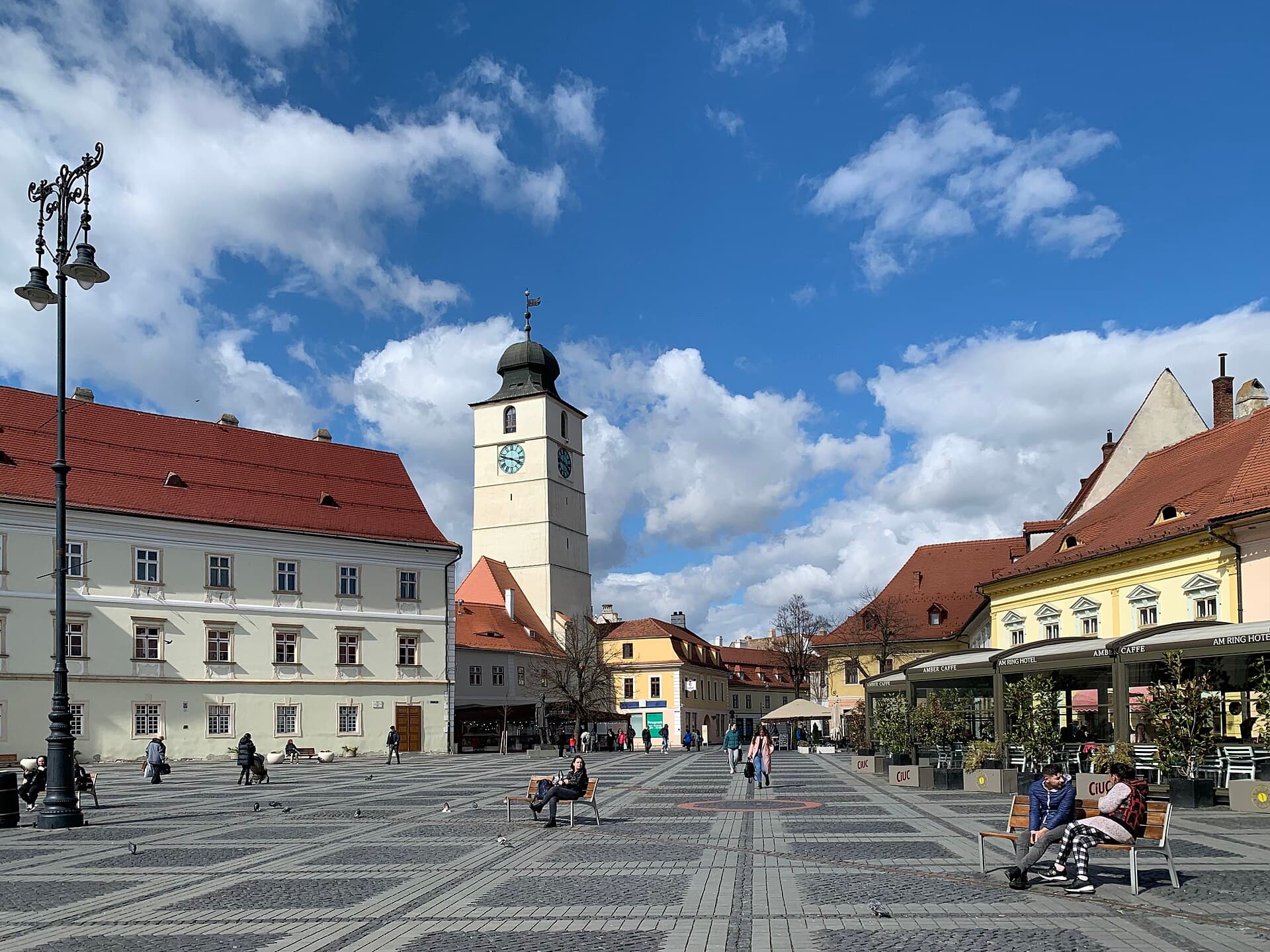 The Large SquareThe city with eyes: Sibiu's Large Square is ringed by pastel Saxon houses that w4 minutes walk4.9
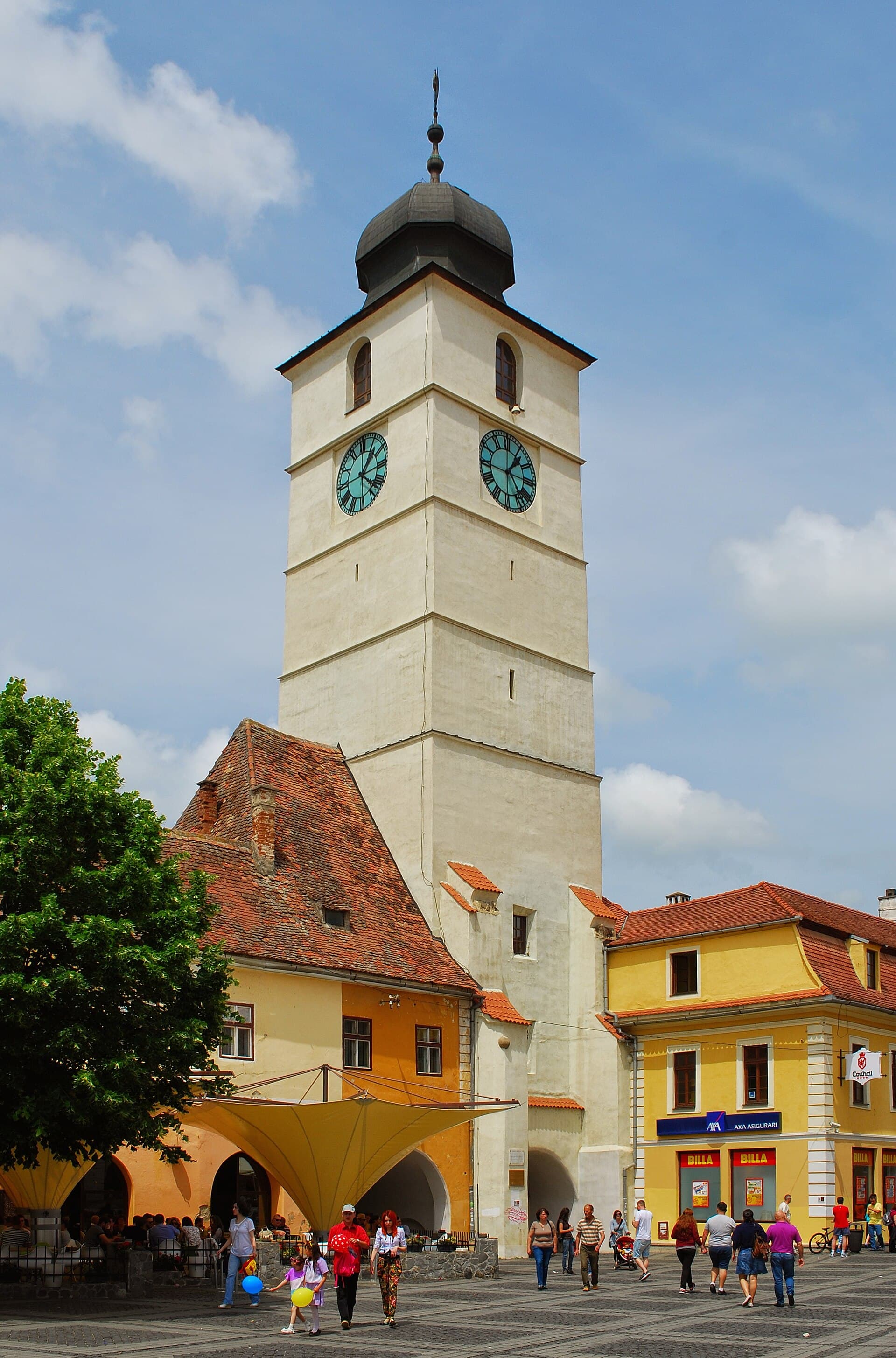 The Council Tower, SibiuA stone tower standing between Sibiu's large and small squares, working as a gat4 minutes walk4.9
Moderately. The skeletons and specimens appeal, but the display is traditional with no interactivity and may feel static next to a modern museum. The ASTRA open-air museum south of the city suits them far better.
It is a branch of the Brukenthal National Museum, an institution covering several museums in Sibiu including the main art gallery on the Large Square. A combined ticket covering more than one branch may be available and is better value if you plan two or more.