
A treasure in a wall
Hidden from Russian armies in 1655 and forgotten for centuries.
Bažnytinio paveldo muziejus — CC BY-SA 4.0 · Jerzy Strzelecki — CC BY-SA 3.0 · Jerzy Strzelecki — CC BY-SA 3.0 · Pofka — CC BY-SA 4.0
A museum in a former seventeenth-century church and convent, showing the treasures of the Vilnius archdiocese: silver vessels, vestments, manuscripts and paintings. Its central holding is the Vilnius Cathedral treasury, and its story is extraordinary. In 1655, with Russian armies approaching, the cathedral's most valuable possessions were hidden inside a secret wall. Their location was forgotten for centuries. They were rediscovered in 1985 during restoration work in the Soviet period, and the find was kept secret until Lithuanian independence in 1990 for fear of confiscation. The collection spans the medieval period to the nineteenth century, including silver figures of saints, crosses and liturgical vessels of fine goldsmiths' work. The building itself — St Michael's — is among the earliest Baroque buildings in Lithuania, and holds the mausoleum of the noble Sapieha family. Practical points: entry is ticketed, and the museum is relatively small so the visit is under ninety minutes. It sometimes closes two days a week — check before going.
Hidden from Russian armies in 1655 and forgotten for centuries.
Found in the Soviet period and kept quiet for fear of confiscation.
The building holds the tomb of one of Lithuania's most powerful noble families.
The former Church of St Michael, Vilnius
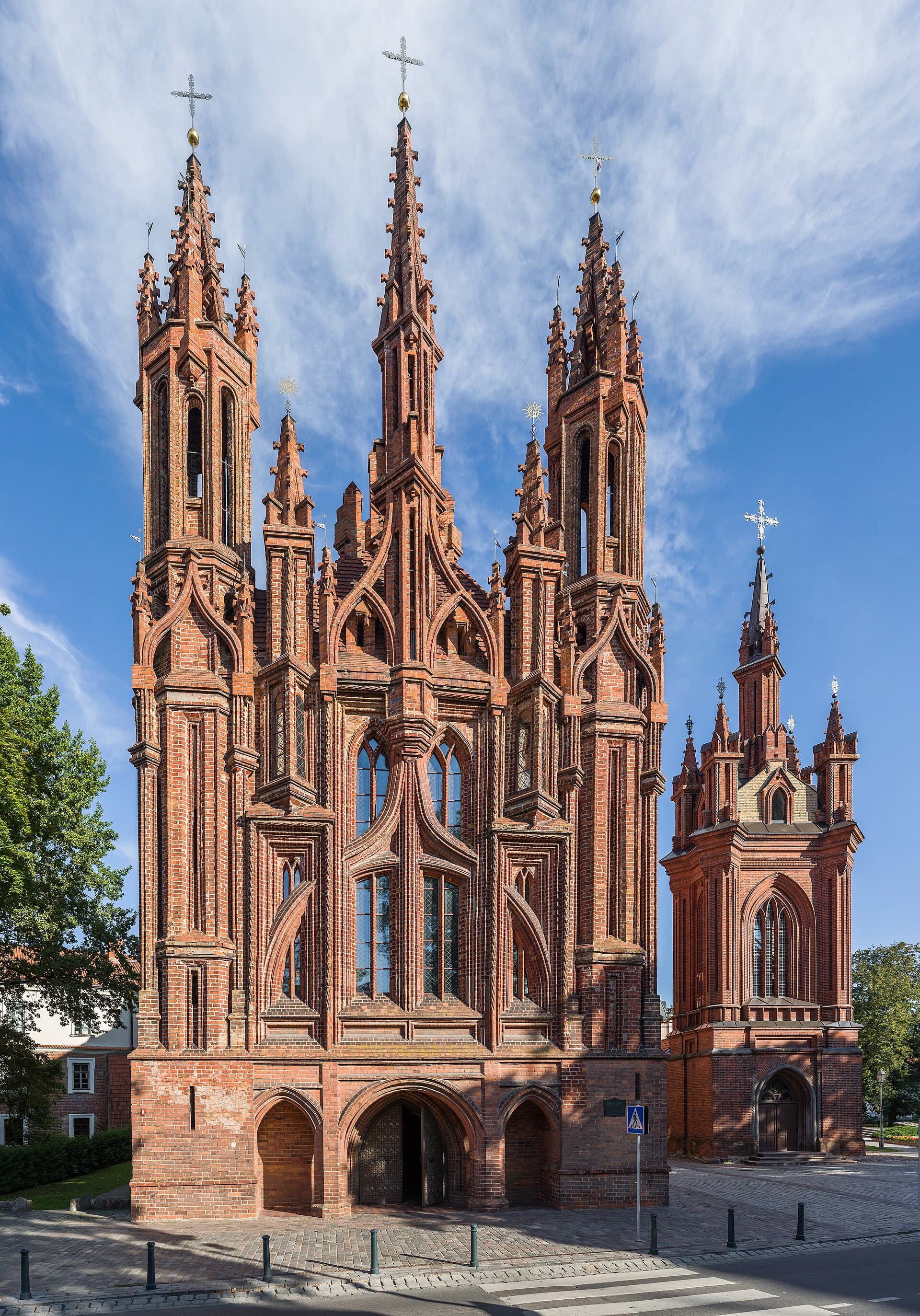 The Church of St AnneThe church Napoleon wanted to carry to Paris: St Anne's (1500) is the summit of 1 minute walk4.9
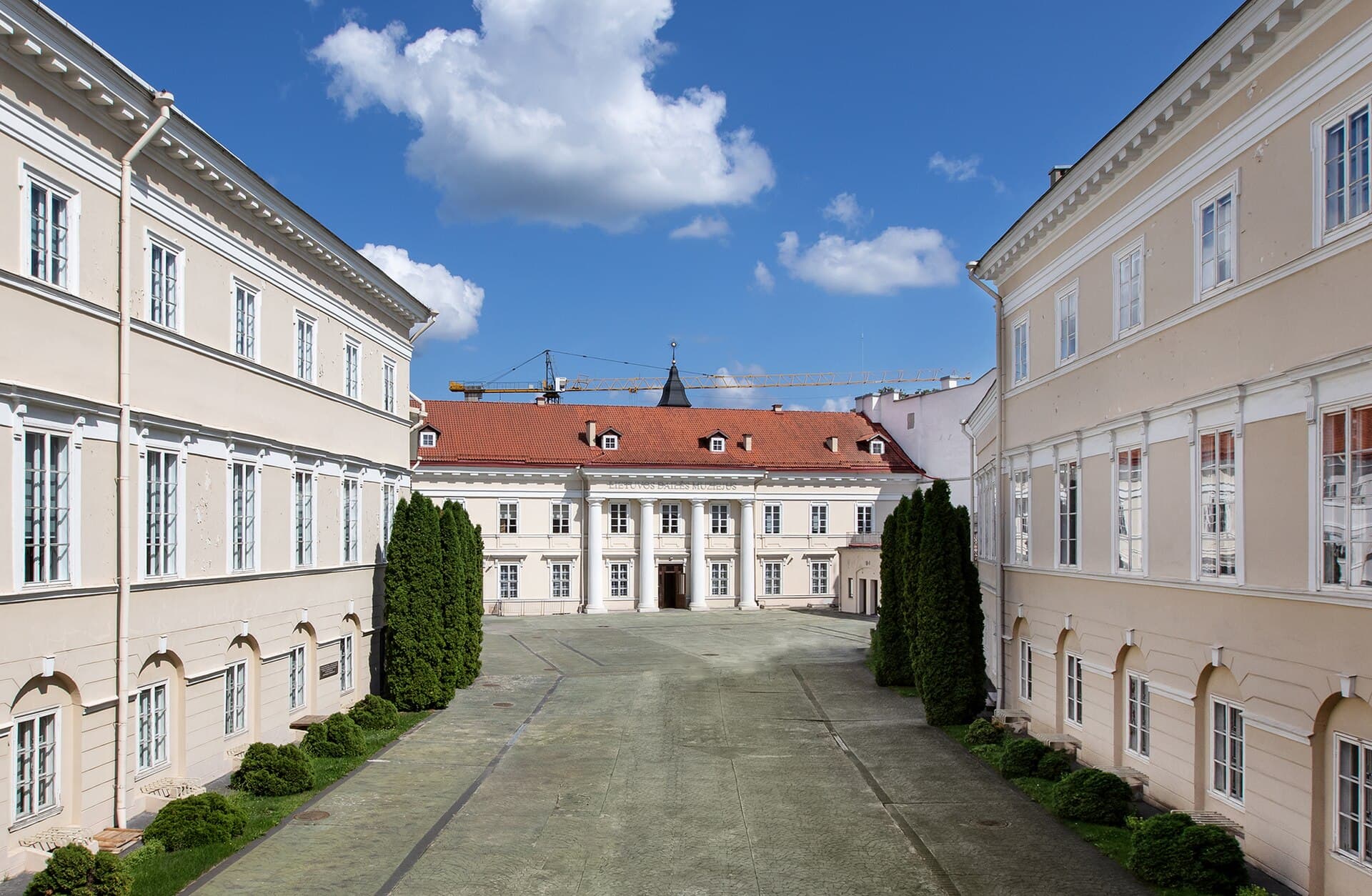 Lithuanian National Museum of ArtA network of museums rather than one building: the Lithuanian National Museum of3 minutes walk4.6
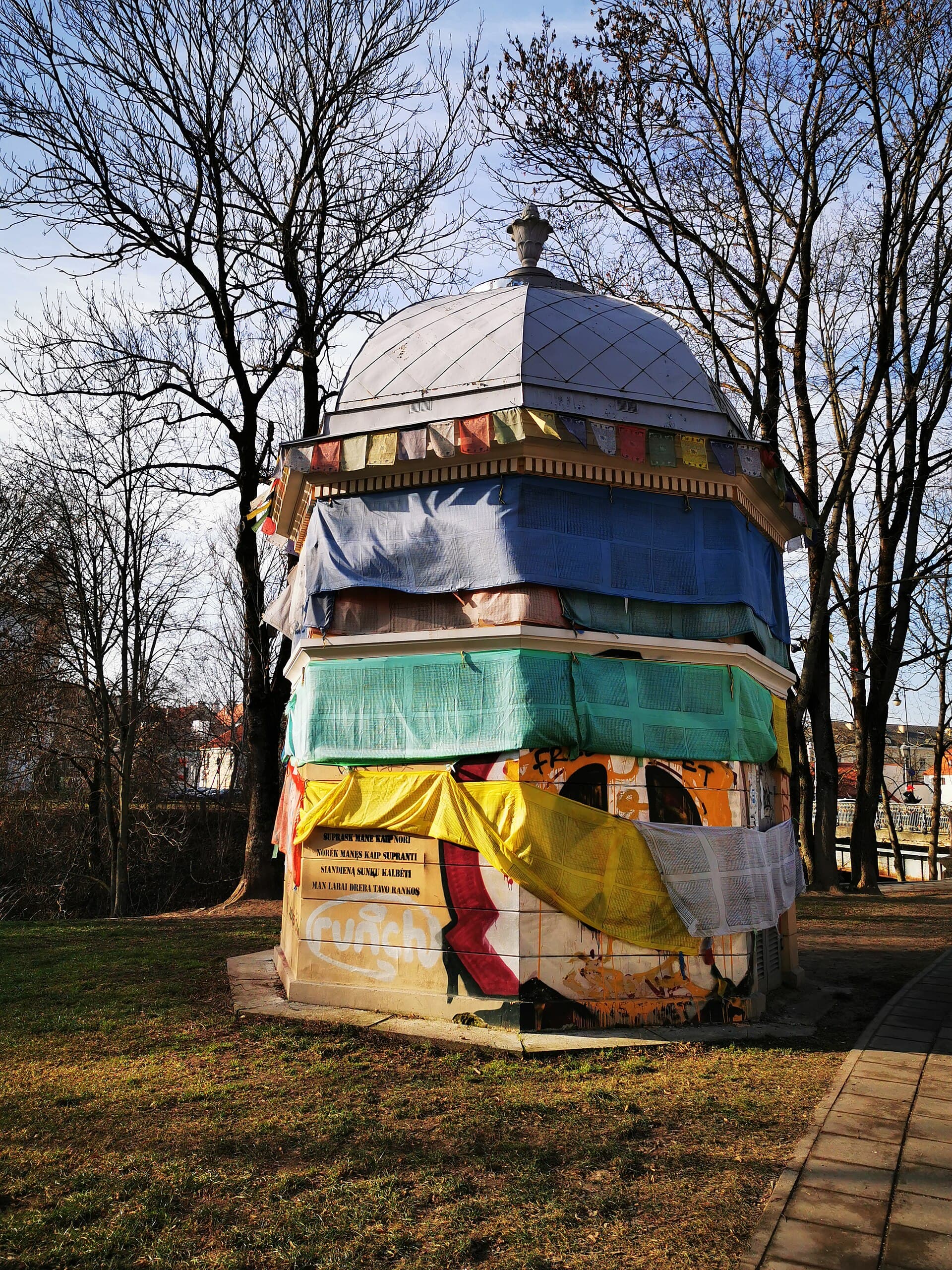 Tibet SquareA small square near the Užupis district of Vilnius, formally dedicated to Tibet 4 minutes walk4.6
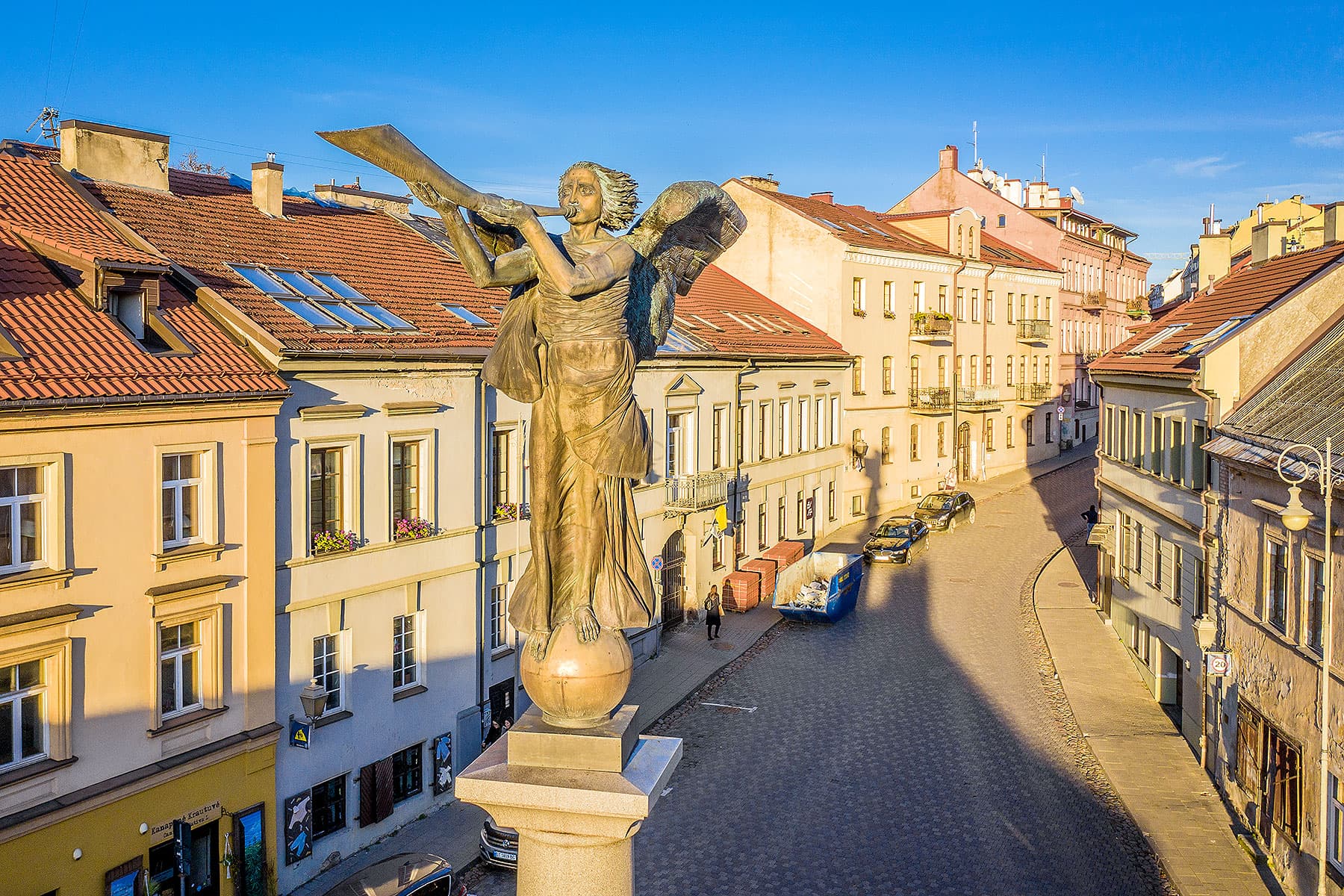 The Republic of UžupisA district that declared itself an independent republic as a joke — and the worl5 minutes walk4.7
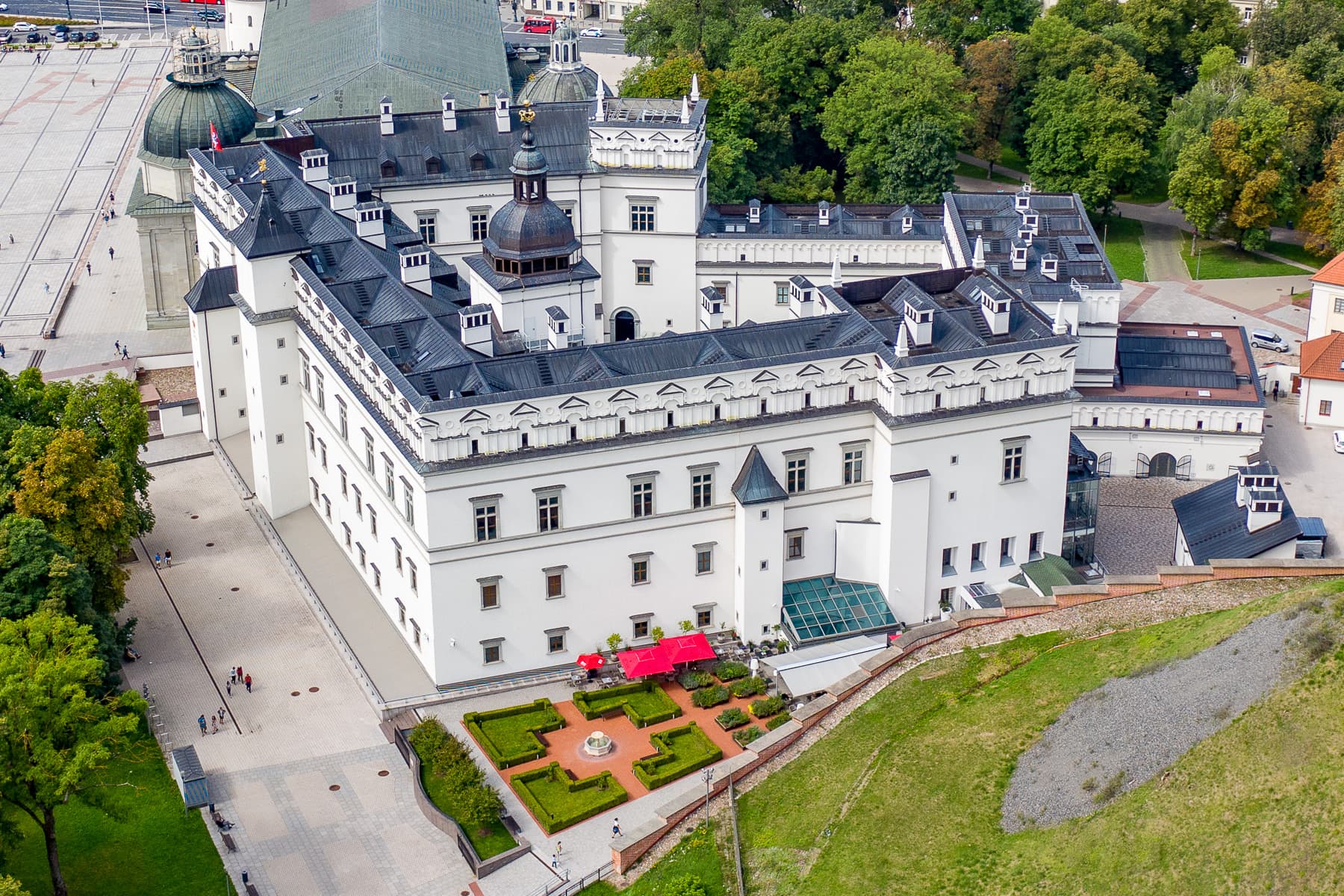 Palace of the Grand Dukes of LithuaniaA palace rebuilt from nothing to return a nation to its history: this was the se5 minutes walk4.8
Because Russian armies overran Vilnius that year during the Russo-Polish war, and the city was sacked and burned. Clergy hid the cathedral's most valuable possessions inside a wall before the invasion. Those who knew the place died or scattered, and the knowledge was lost. The treasure stayed in the wall for three and a half centuries.
St Anne's Church next door, among the finest examples of late Gothic brickwork in Europe, and the Bernardine church behind it. The three stand together and form the best-known architectural group in Vilnius.