
Recent memory
Fifty years of occupation makes a position on another occupation personal.
Jodkovska — CC BY-SA 4.0 · Augustas Didžgalvis — CC BY-SA 4.0 · Kontis Šatūnas — Public domain · pentax k5-2, Huawei — CC0
A small square near the Užupis district of Vilnius, formally dedicated to Tibet in 2010, holding a stone monument and coloured prayer flags. The decision is unusual for a small European municipality, and it has a direct cause. Lithuania emerged from Soviet occupation in 1991 after fifty years, and it draws an explicit connection between its own experience and Tibet's under Chinese rule. Dedicating a square to Tibet was a stated political position, and it drew a formal Chinese protest. The pattern recurs in Lithuanian foreign policy: a very small country taking positions out of proportion to its size on occupation and self-determination, because its own memory is recent. The square itself is modest — a patch of grass with a monument and flags — and needs no more than a few minutes. Visiting it means understanding why it is there rather than looking at what is in it. Practical points: always open and free. A short walk from Užupis and the old town.
Fifty years of occupation makes a position on another occupation personal.
Lithuania takes stances beyond its size on self-determination.
The square is modest; its value is why it exists, not what is in it.
Near the Užupis district, Vilnius
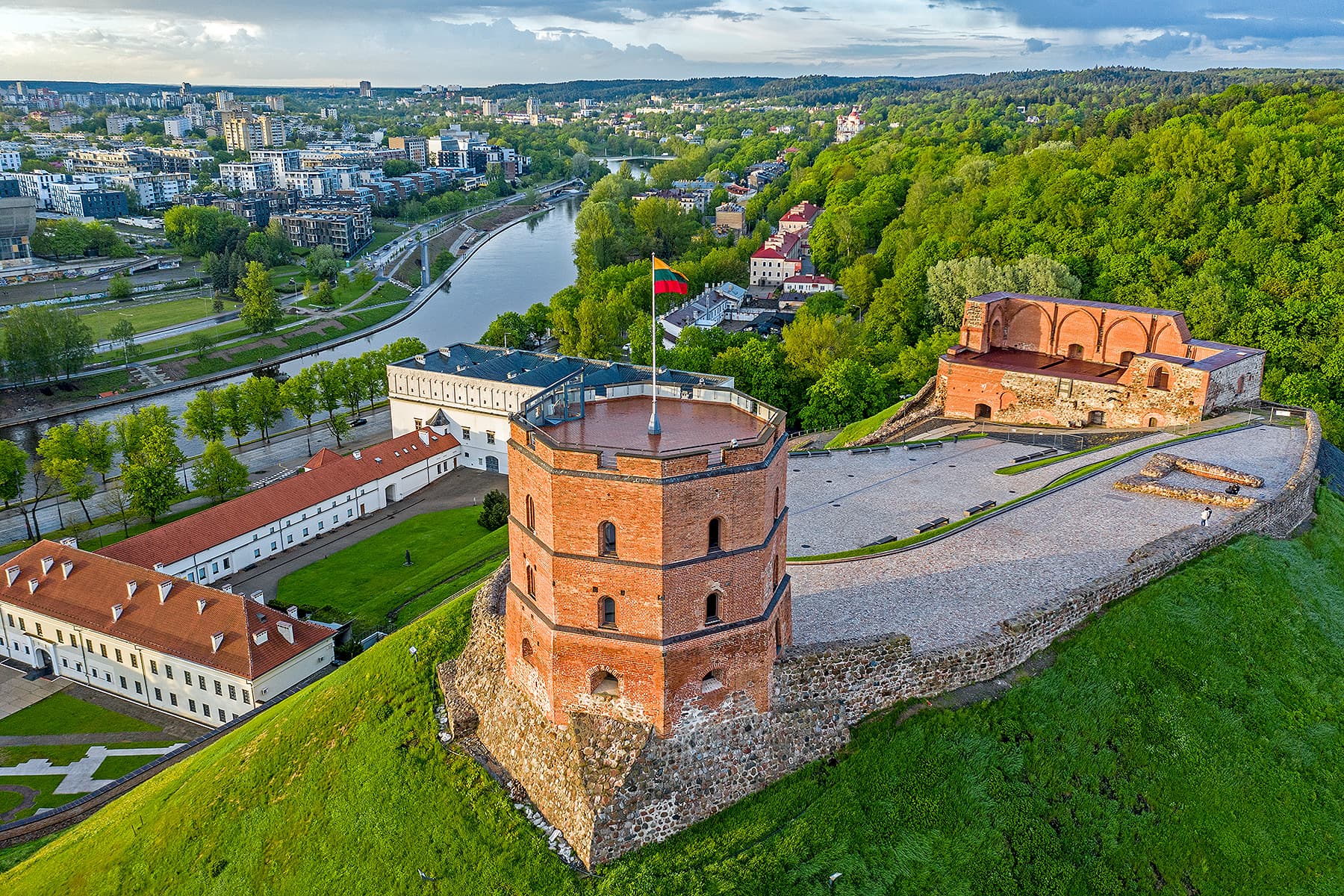 Gediminas' TowerAll that survives of Vilnius's Upper Castle, and the nation's emblem: the octago2 minutes walk4.8
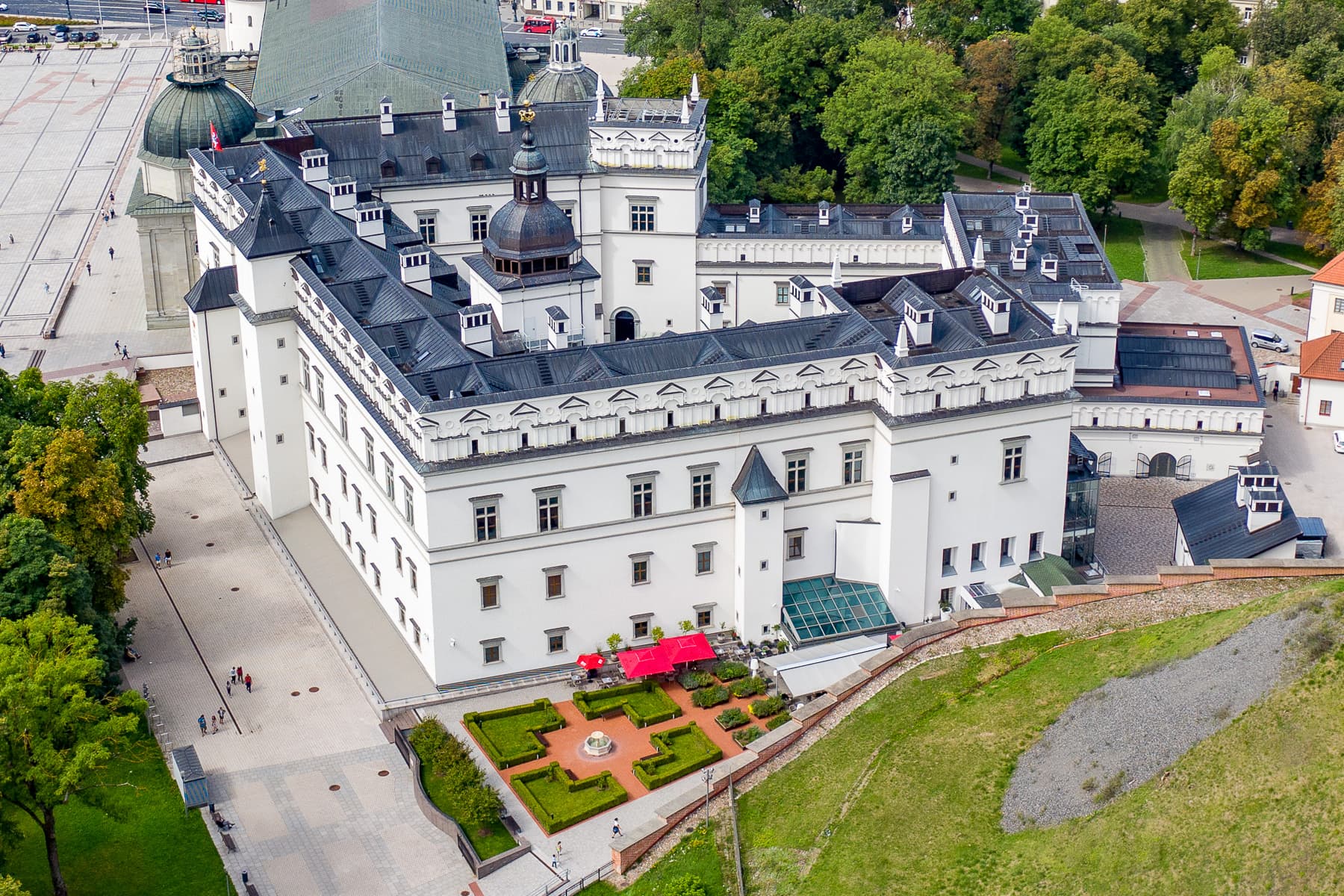 Palace of the Grand Dukes of LithuaniaA palace rebuilt from nothing to return a nation to its history: this was the se2 minutes walk4.8
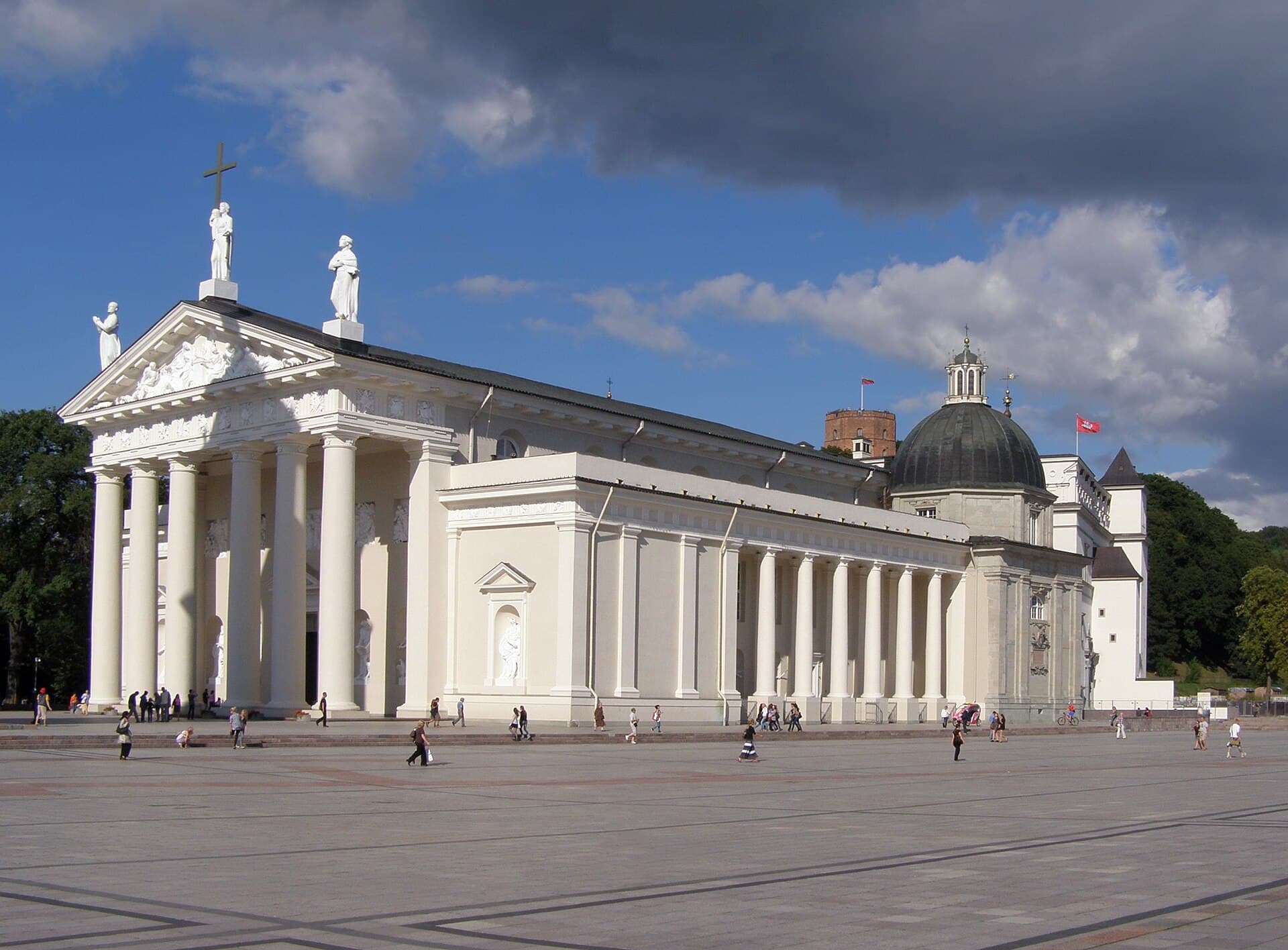 Vilnius CathedralA white Greek temple in the heart of the Baltic: Vilnius Cathedral, with its Neo3 minutes walk4.7
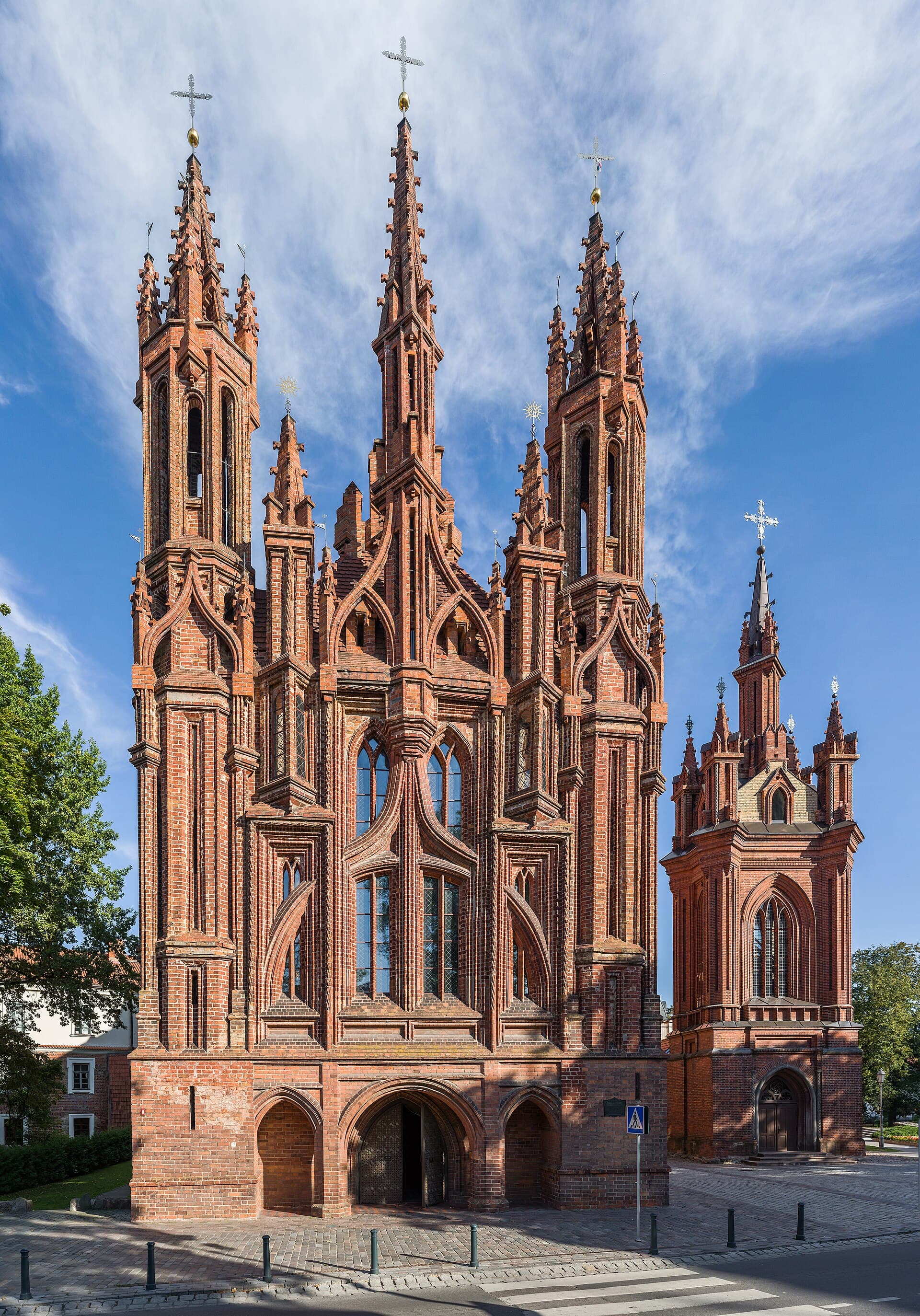 The Church of St AnneThe church Napoleon wanted to carry to Paris: St Anne's (1500) is the summit of 4 minutes walk4.9
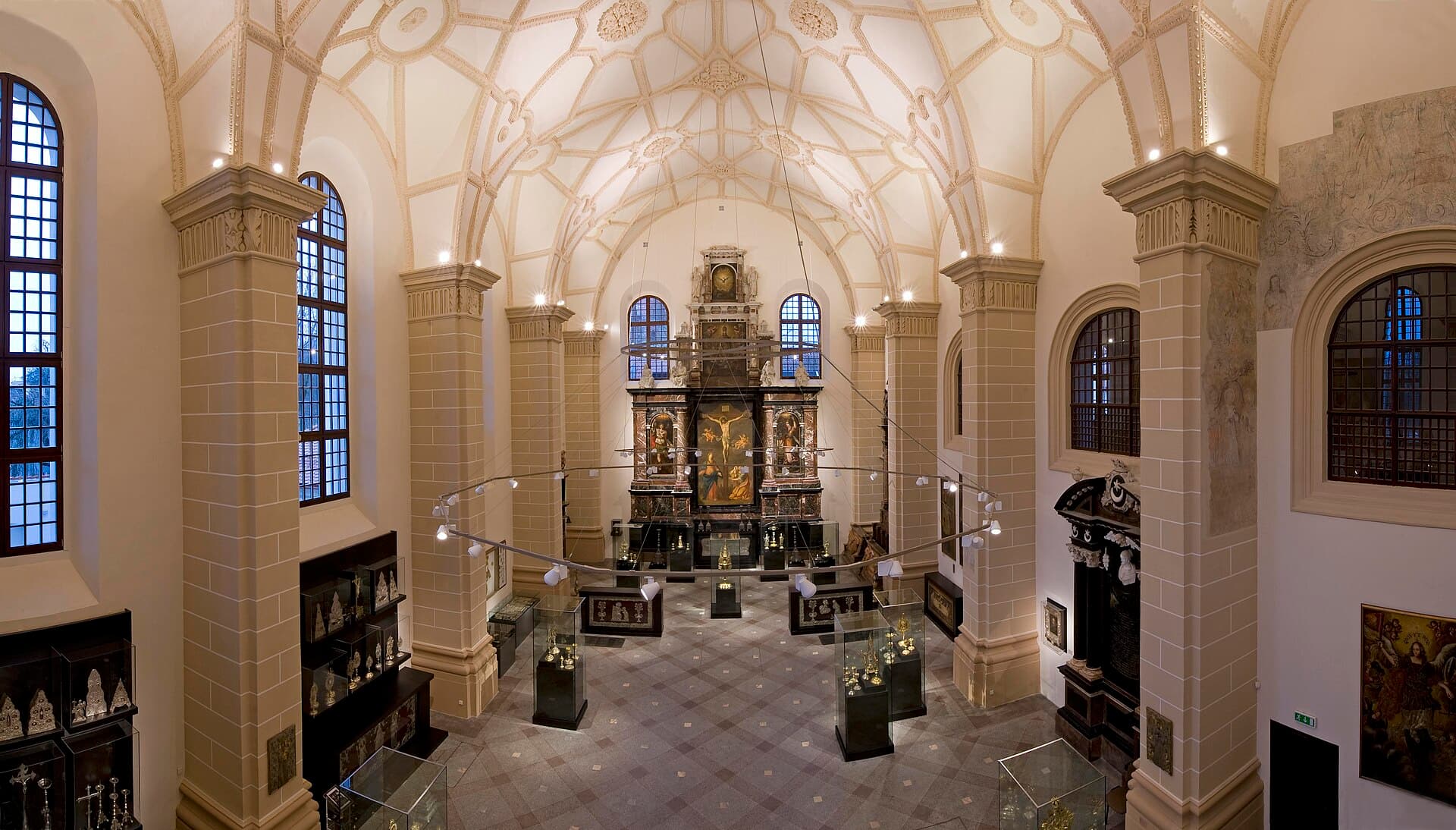 Church Heritage MuseumA museum in a former seventeenth-century church and convent, showing the treasur4 minutes walk4.6
It is not a destination. It is minutes from Užupis, so pass it if you are heading there and read the monument. The value is purely contextual: that it exists at all says more about Lithuania than the square itself does.
A small quarter across the river that declared itself an independent republic in 1997 as a serious joke, with a constitution mounted on a wall in several languages, a president, a flag and an independence day. It was a neglected district that became an artists' quarter. The constitution itself is worth reading — its articles mix humour and seriousness.