
The original walls
Gothic and Renaissance exposed in the cellars.
Augustas Didžgalvis — CC BY-SA 4.0 · Hayden Soloviev — CC BY 4.0 · Hayden Soloviev — CC BY 4.0 · Gytis Grižas https://www.wikidata.org/wiki/Q16452479 — CC BY-SA 4.0
A palace rebuilt from nothing to return a nation to its history: this was the seat of the Grand Duchy of Lithuania — fifteenth-century Europe's largest state, reaching from the Baltic to the Black Sea — until the Russians demolished it completely in 1801, down to the foundations. After independence Lithuania decided to rebuild it on those foundations, and it opened in 2018 for the state's centenary. The cellars display what archaeologists found in place: the Gothic and Renaissance palace walls, stove tiles, tools and coins — while the upper floors are state rooms refurnished in Gothic, Renaissance and early Baroque, with tapestries, arms, documents and thrones. Four visiting routes carry different tickets, the best known being the first (cellars and archaeology) and the second (ceremonial halls). Summer concerts fill the courtyard, and it stands against the cathedral at the foot of Gediminas hill.
Gothic and Renaissance exposed in the cellars.
Thrones and tapestries in sixteenth-century style.
Katedros a. 4, Vilnius
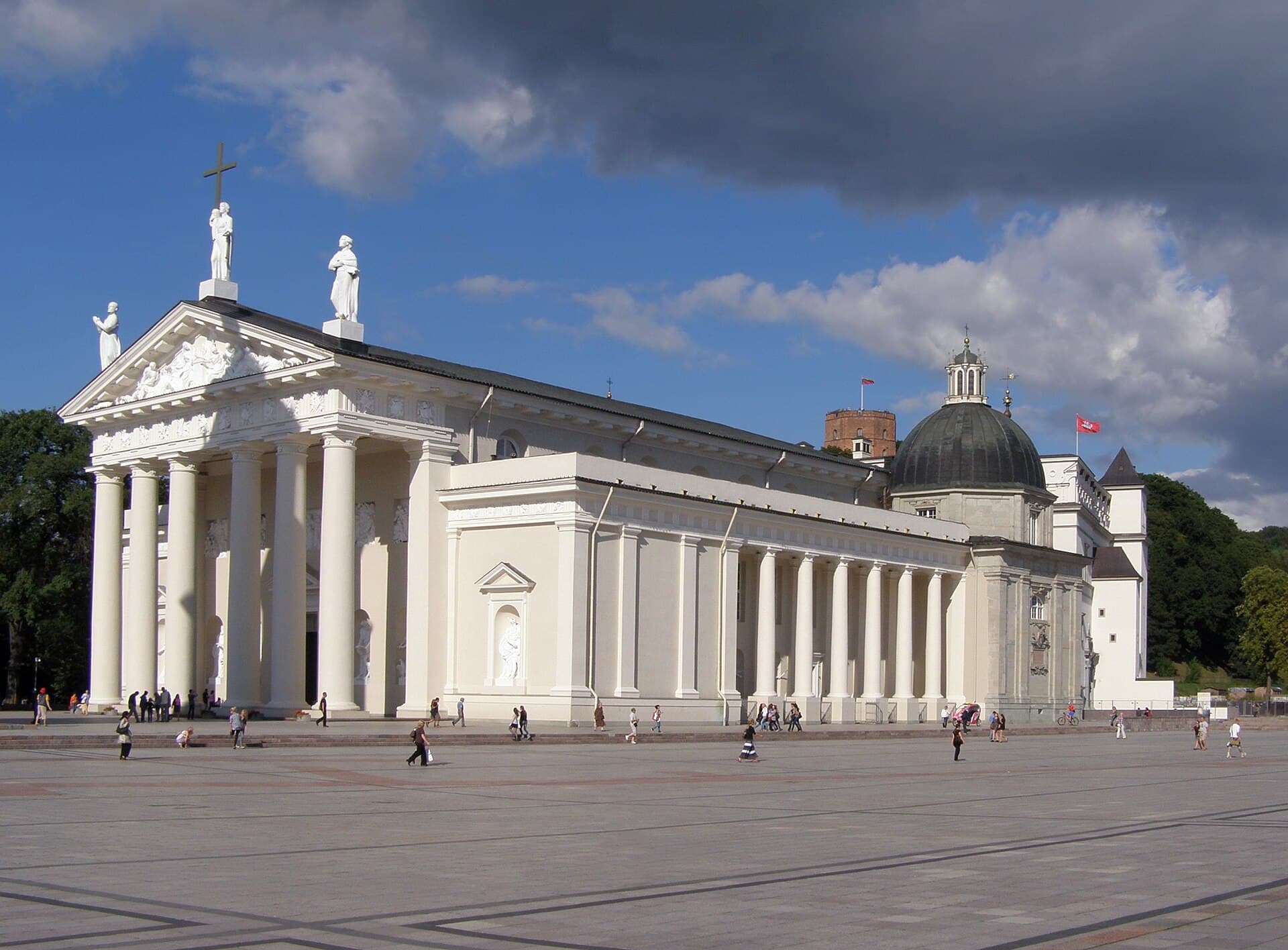 Vilnius CathedralA white Greek temple in the heart of the Baltic: Vilnius Cathedral, with its Neo1 minute walk4.7
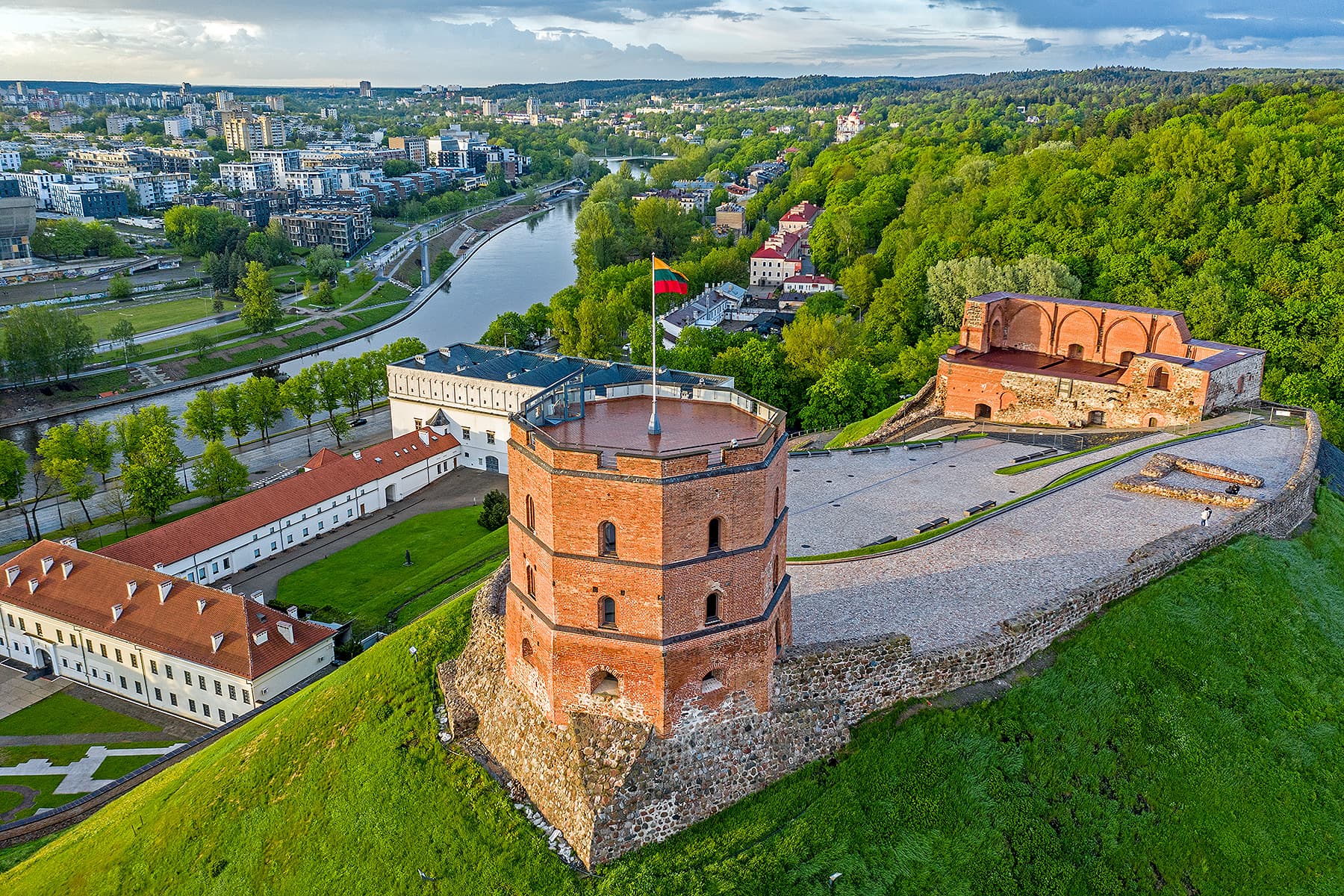 Gediminas' TowerAll that survives of Vilnius's Upper Castle, and the nation's emblem: the octago2 minutes walk4.8
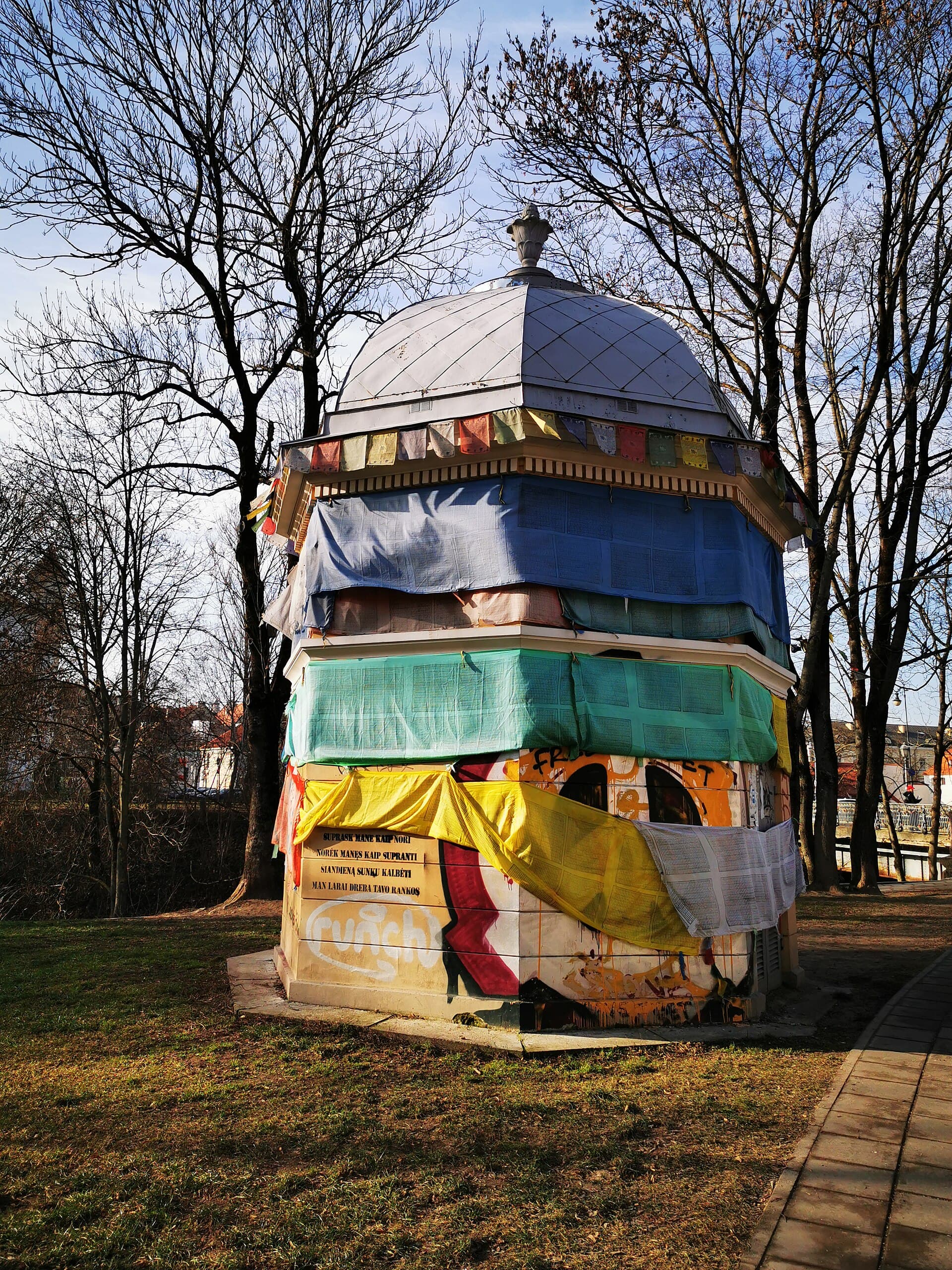 Tibet SquareA small square near the Užupis district of Vilnius, formally dedicated to Tibet 2 minutes walk4.6
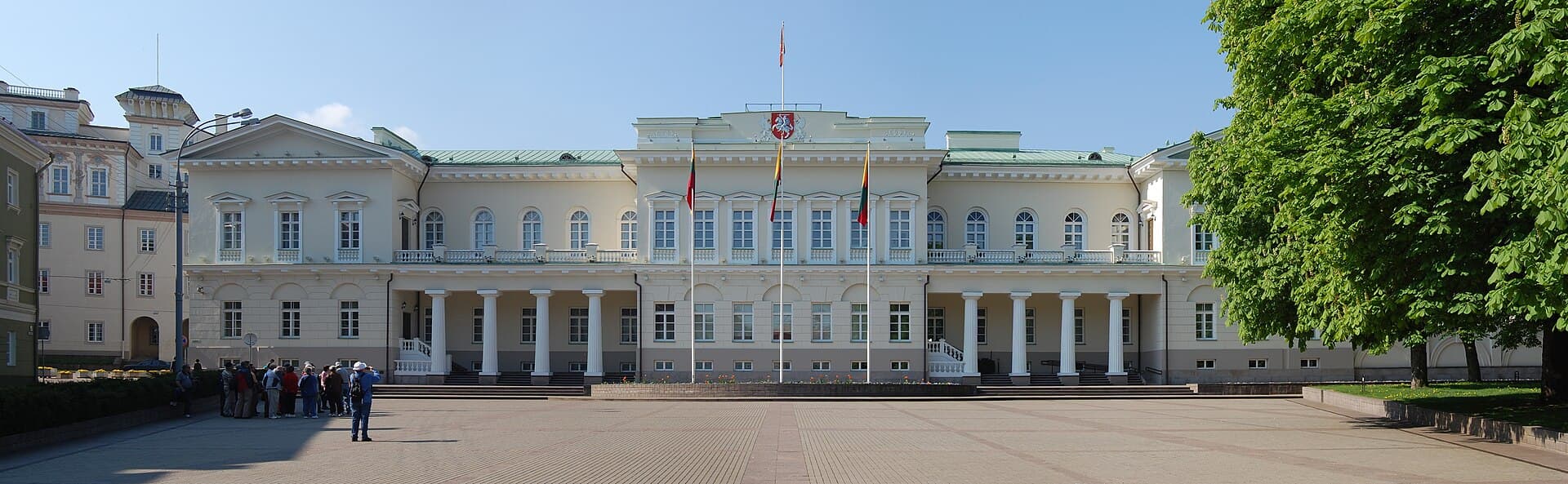 Presidential Palace, VilniusThe official residence of the president of Lithuania, in a neoclassical palace o5 minutes walk4.7
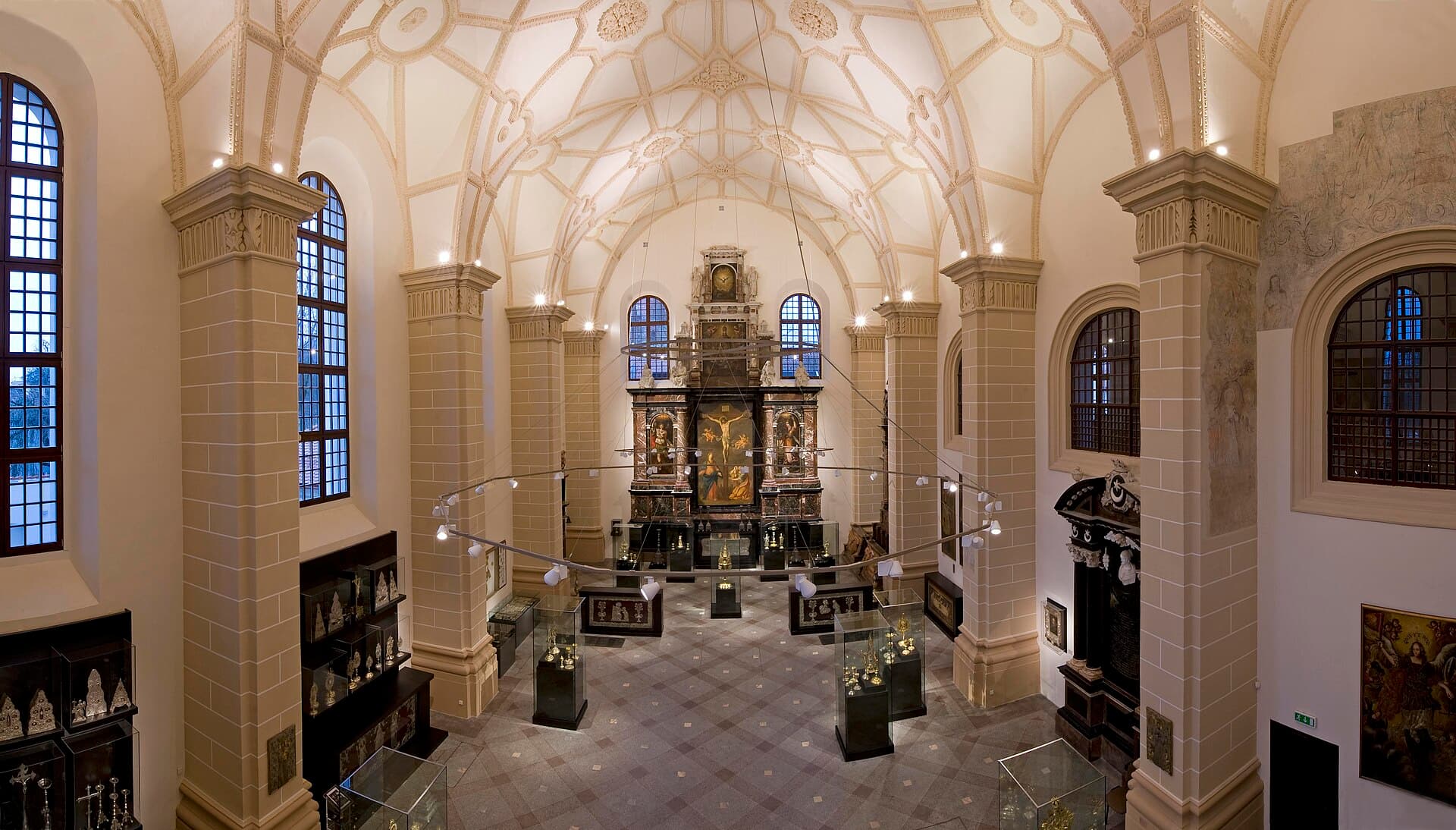 Church Heritage MuseumA museum in a former seventeenth-century church and convent, showing the treasur5 minutes walk4.6
A state founded in the thirteenth century that expanded to become Europe's largest (Baltic to Black Sea), united with Poland in 1569 as the Polish-Lithuanian Commonwealth until Russia, Austria and Prussia partitioned it at the end of the eighteenth century.