
The hill trams
Vehicles built for a city between seven mountains.
Andrewrabbott — CC BY-SA 3.0 · Reinhard Dietrich — CC BY-SA 4.0 · Reinhard Dietrich — CC BY-SA 4.0 · Reinhard Dietrich — CC BY-SA 4.0
The Bergen Technical Museum occupies a former tram depot south of the city centre, presenting the history of transport and technology in western Norway: trams, buses, cars, locomotives, boats and engines. The collection concentrates on what served a city hemmed in by mountains and water. Bergen is built on a narrow peninsula between seven mountains, and its transport network had to adapt: trams climbing steep gradients, small ferries crossing the bay rather than going round it, and the Fløibanen funicular that still runs. Many of the vehicles are restored to working order and some are run on set days. Volunteers keep the museum, many of them former technicians, and the explanation comes straight from them. The hours are limited — a few days a week, fewer in winter — so check the schedule; it is a good option for a wet day in a city that has a great many of them.
Vehicles built for a city between seven mountains.
Volunteers who ran these machines professionally.
Thormøhlens gate 23, 5006 Bergen
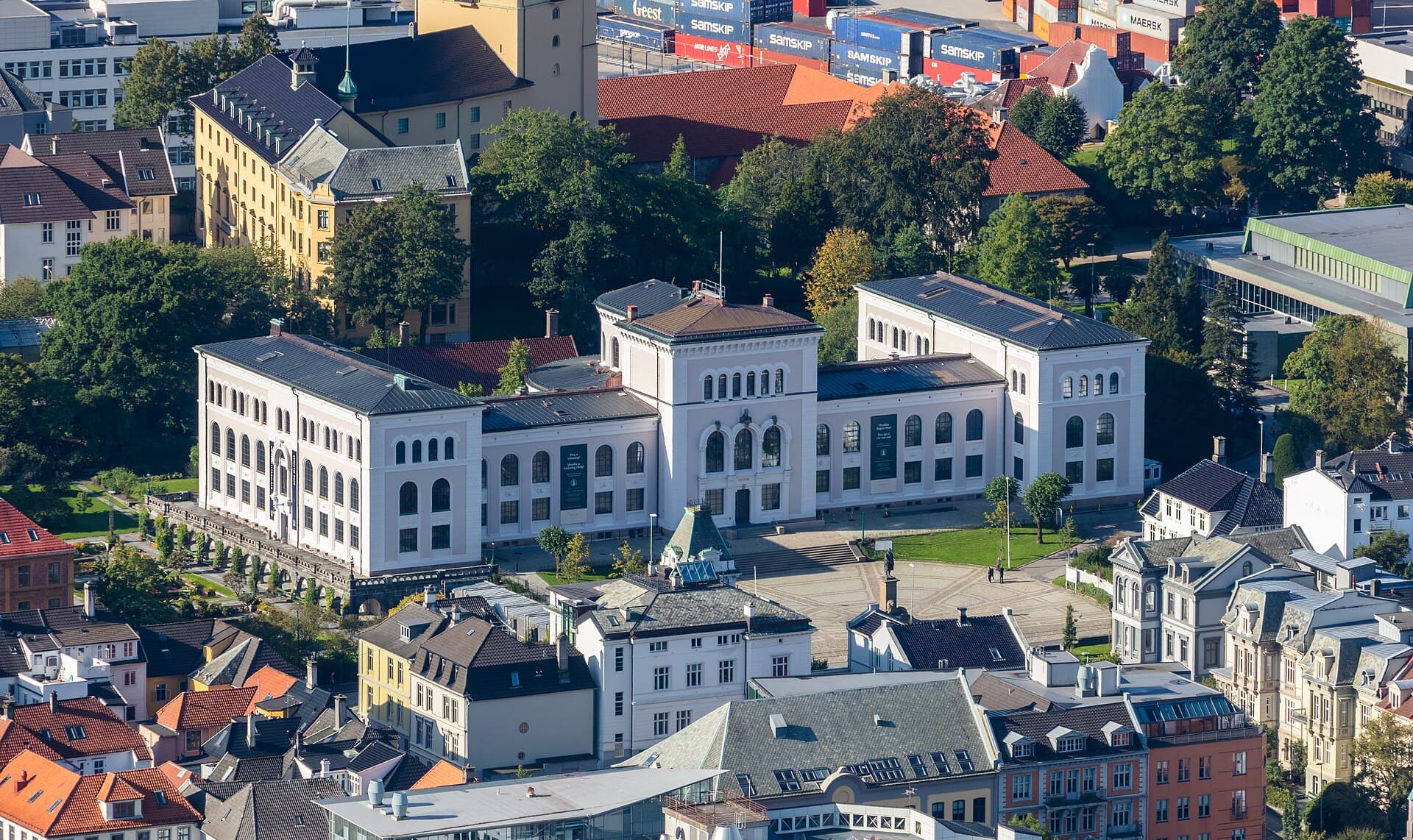 The University Museum of BergenThe University Museum of Bergen is an institution of 1825 — older than the unive5 minutes walk4.6
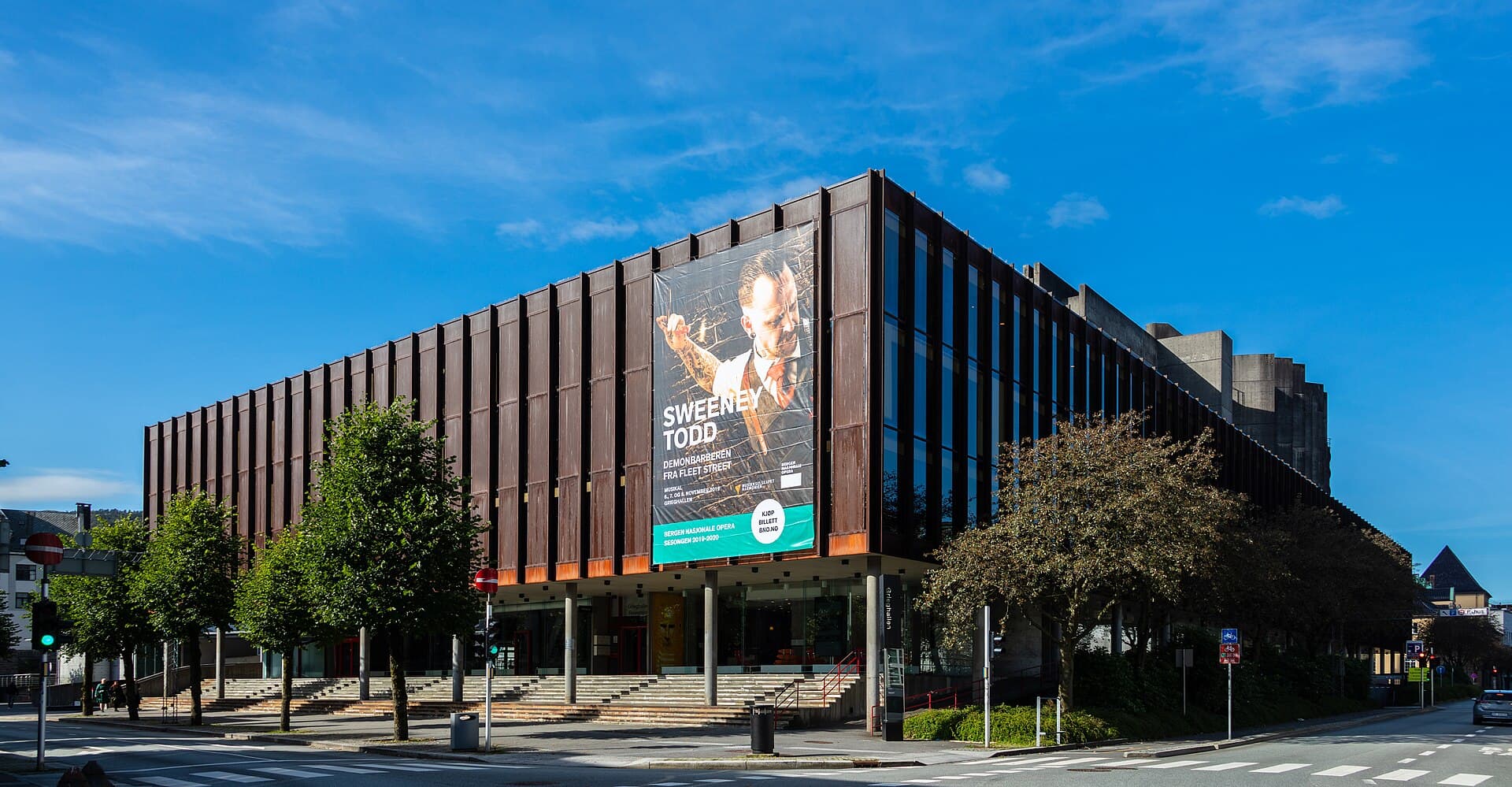 GrieghallenGrieghallen is Bergen's principal concert hall, opened in 1978 and named after E9 minutes walk4.7
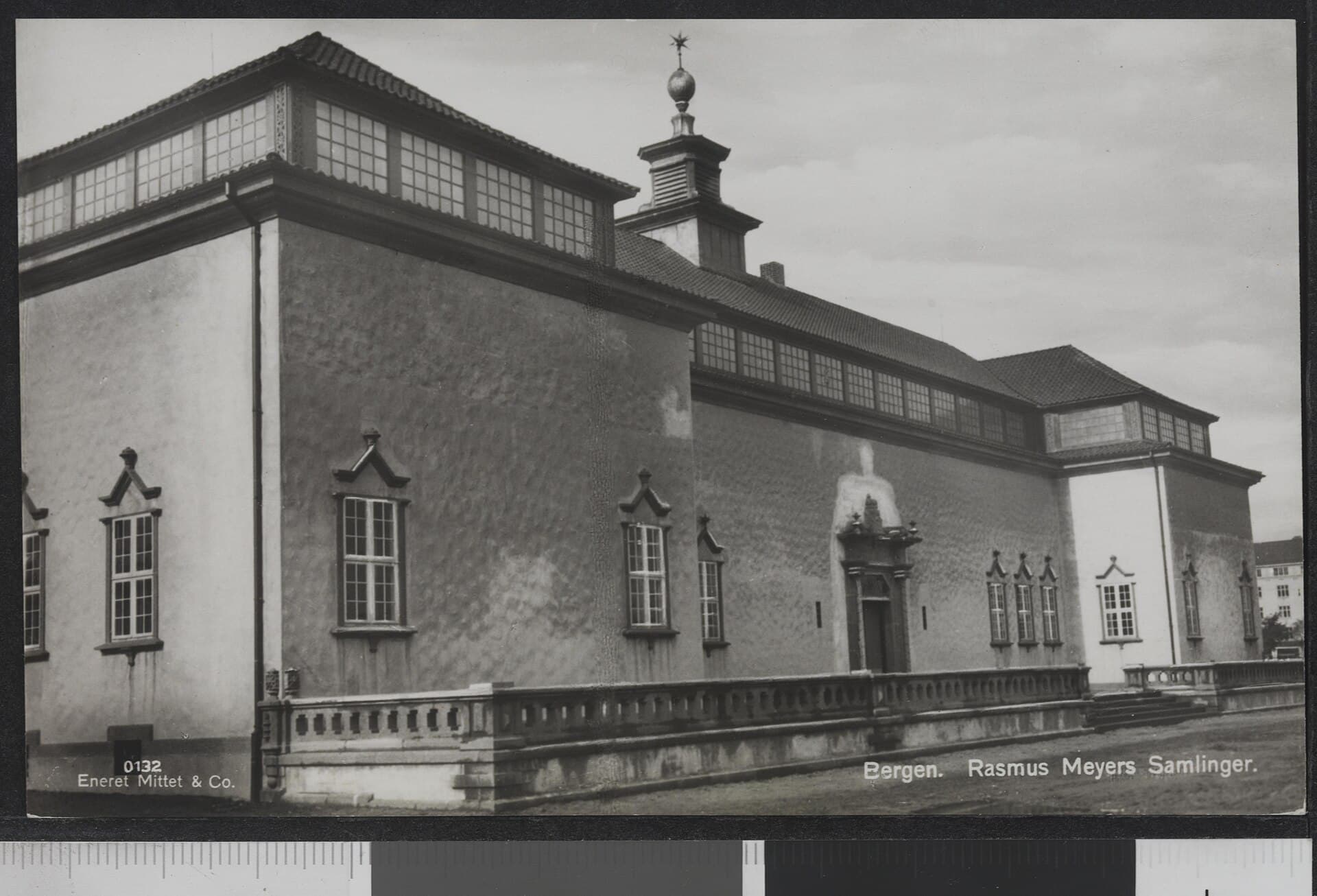 KODE — the Four Art MuseumsKODE is Scandinavia's largest visual-art collection outside the three capitals: 9 minutes walk4.3
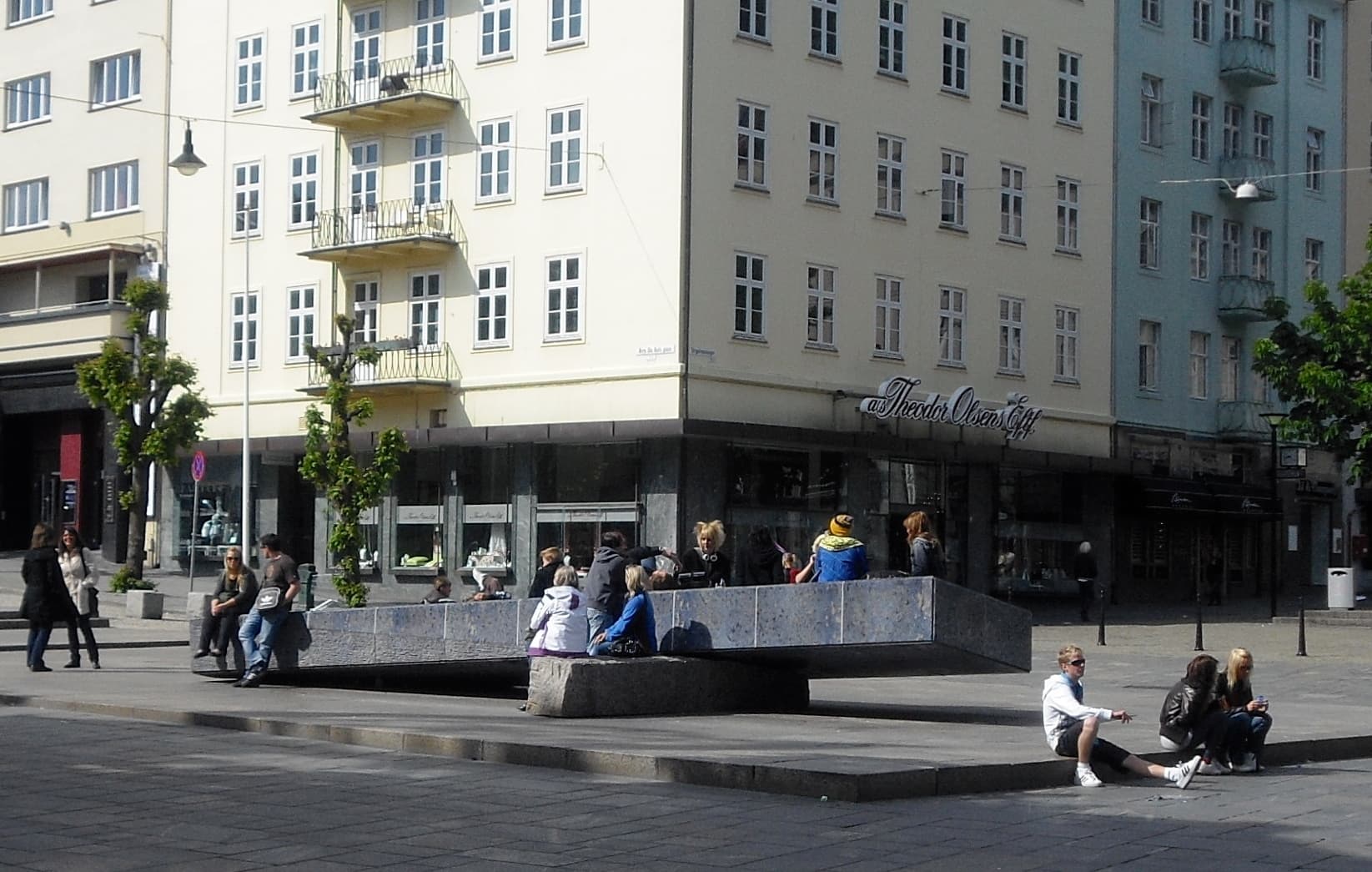 The Blue StoneThe Blue Stone is a long tilted slab lying across Ole Bulls plass, sculpted by A11 minutes walk4.5
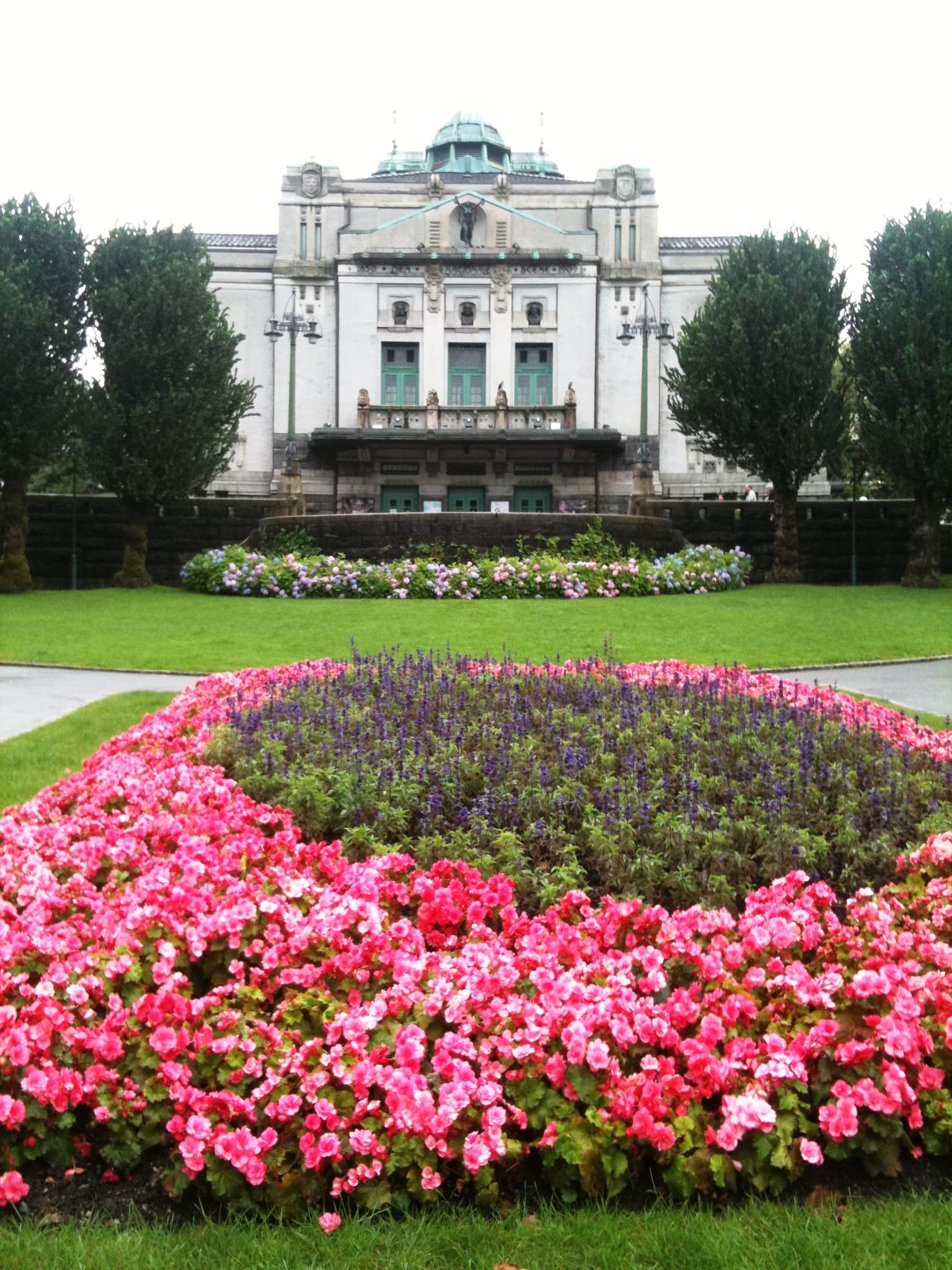 Den Nationale SceneDen Nationale Scene is Norway's oldest permanent theatre, founded by the violini12 minutes walk4.4
Bergen is among the wettest cities in Europe: around two hundred and thirty days with precipitation a year. Residents deal with it in a coat rather than under an umbrella — the wind turns umbrellas inside out. A wet-day plan: KODE for art, the University Museum, the Technical Museum, the Bryggen archaeological museum, then coffee in Bryggen itself. All of them are indoors and close together. Bring a waterproof coat and shoes that tolerate wet, which is what the city does.