
«Shot windows»
The architect's own name for the scattered small openings.
Unknown authorUnknown author or not provided — Public domain · Witizia — CC0 · dronepicr — CC BY 2.0 · Matt Brown — CC BY 2.0
A massive concrete building in central Cluj-Napoca, among the clearest examples of Brutalist architecture in Romania and recently the subject of a legal fight over its protection. The architect Vasile Mitrea designed it in 1968 to house the telephone exchange. It was built in two stages: the first three floors between 1969 and 1970, with a fourth added in 1976. The building today has eight levels — basement, ground floor, five storeys and a roof terrace. What distinguishes it are the faces of bare concrete and the small windows distributed in what looks like a random pattern — the architect himself called them «shot windows». This is not decoration: Brutalism shows its structural material without cladding and works with mass and void rather than ornament. The recent story is worth knowing: the culture minister's order classifying the building as a historic monument was signed in September 2020, but its publication in the official gazette was held up for nearly six years because the building's owner, Orange România, contested the classification in court. It became a formally listed monument on 27 June 2025. Practical points: a working office building — seen from the street, free, with no interior to visit.
The architect's own name for the scattered small openings.
Brutalism shows its structural material as it is.
The owner contested the listing in court before it took effect.
Octavian Petrovici street 2, Cluj-Napoca
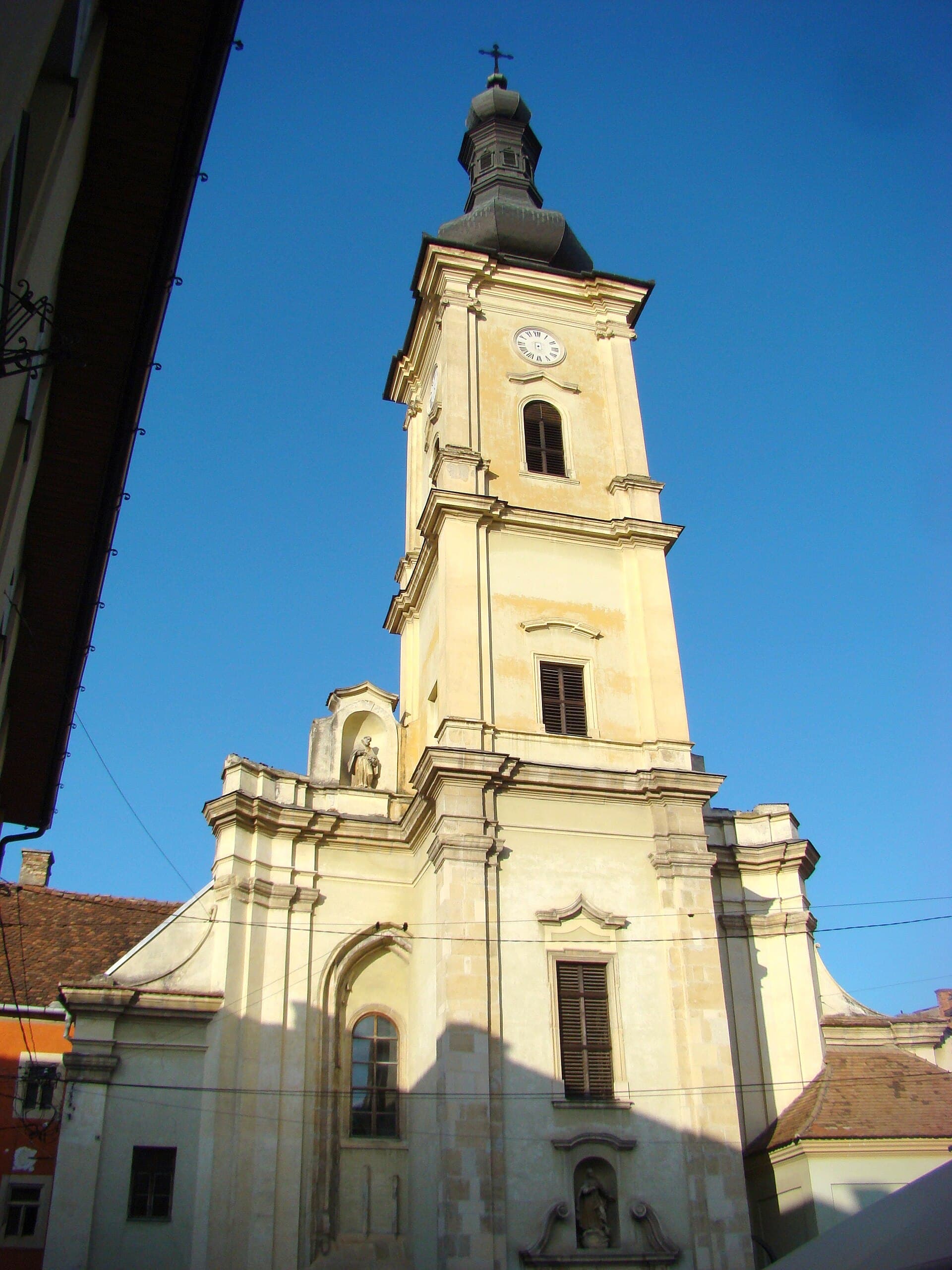 The Franciscan Church of ClujA church and monastery on Museum Square in the heart of Cluj's old town, the sit1 minute walk4.9
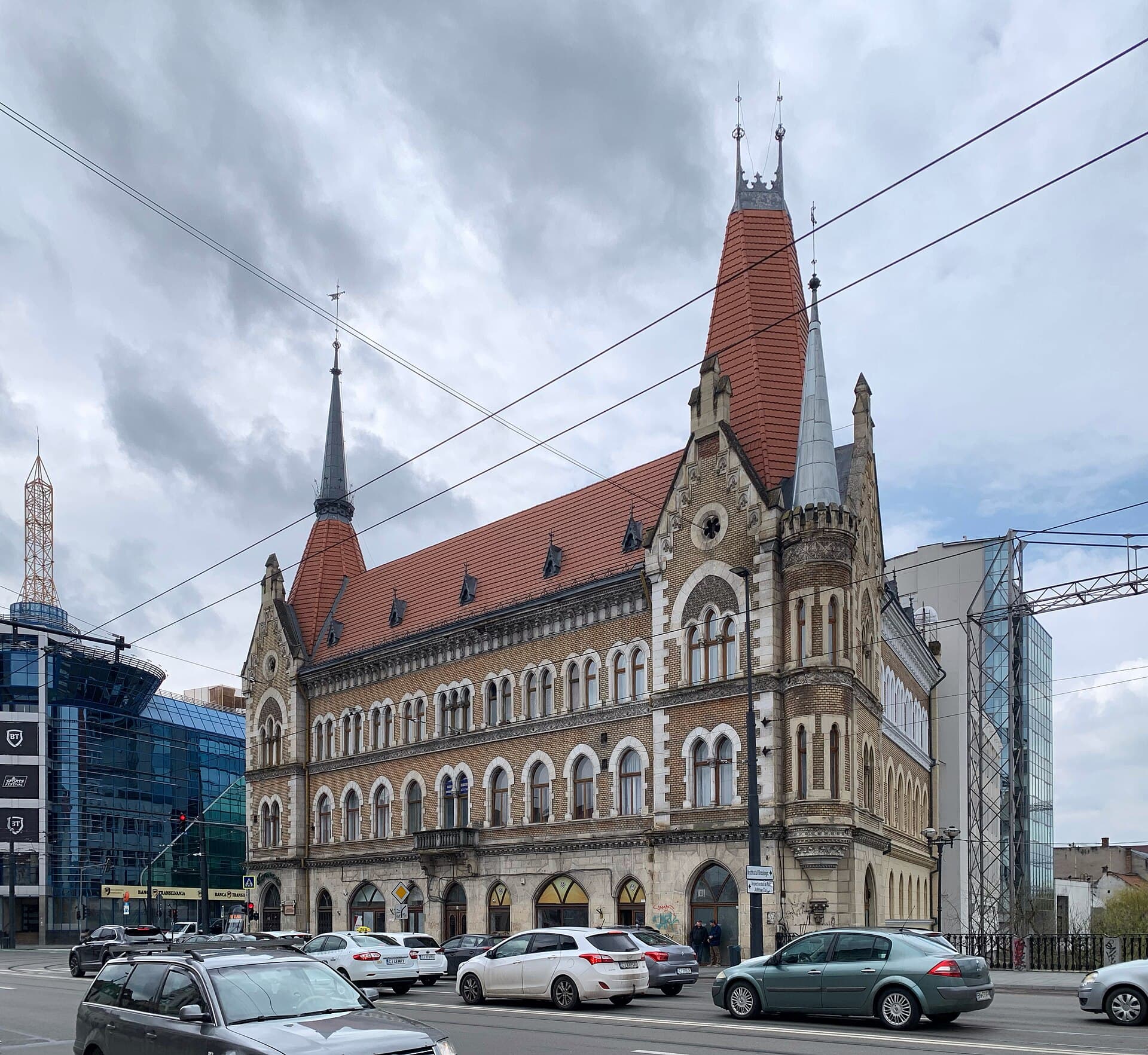 The Széki PalaceAn early twentieth-century town palace on Horea street in Cluj-Napoca, regarded 1 minute walk4.7
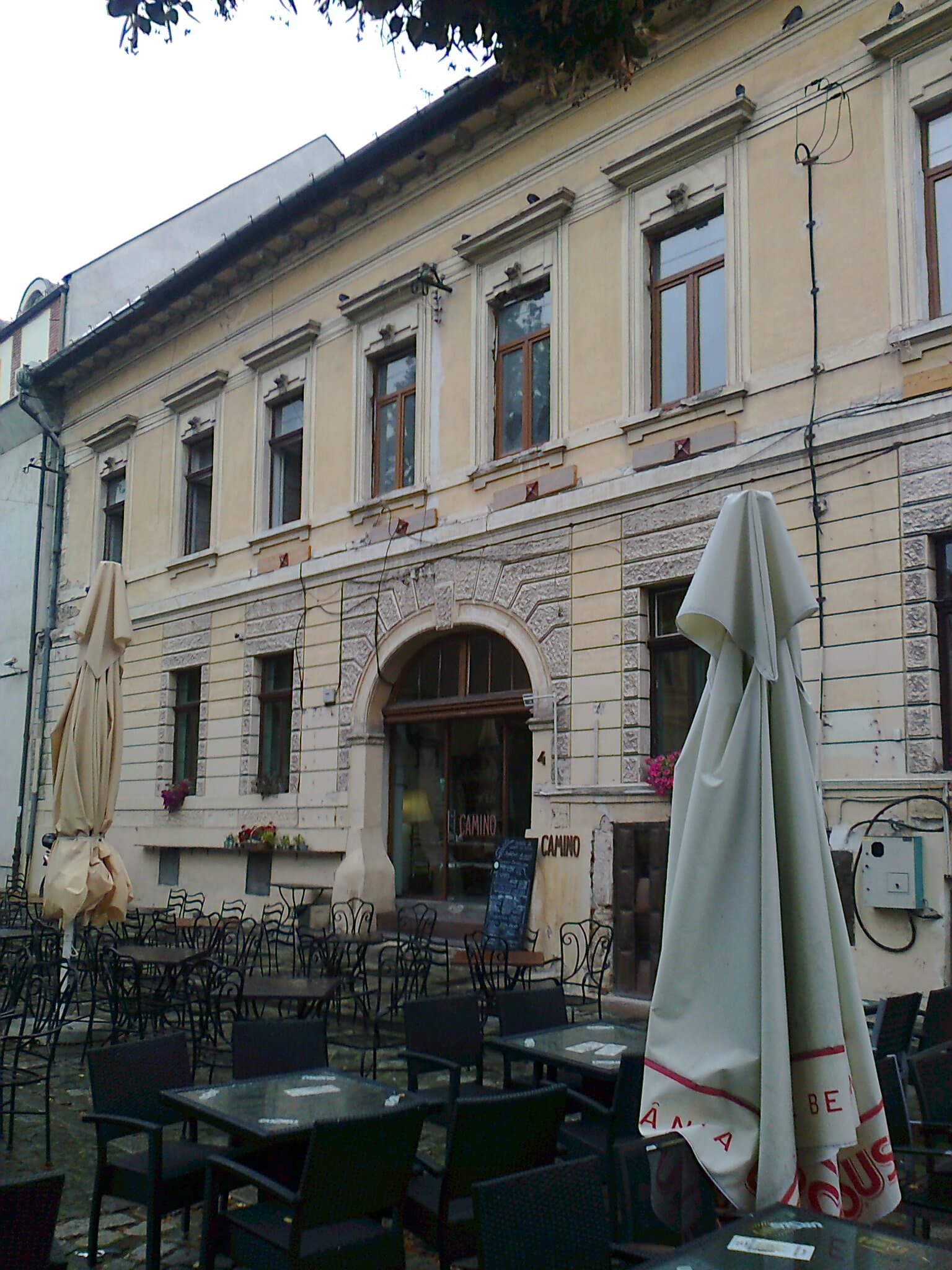 The Mikes HouseA listed noble townhouse on the northern side of Museum Square in Cluj-Napoca, c2 minutes walk4.9
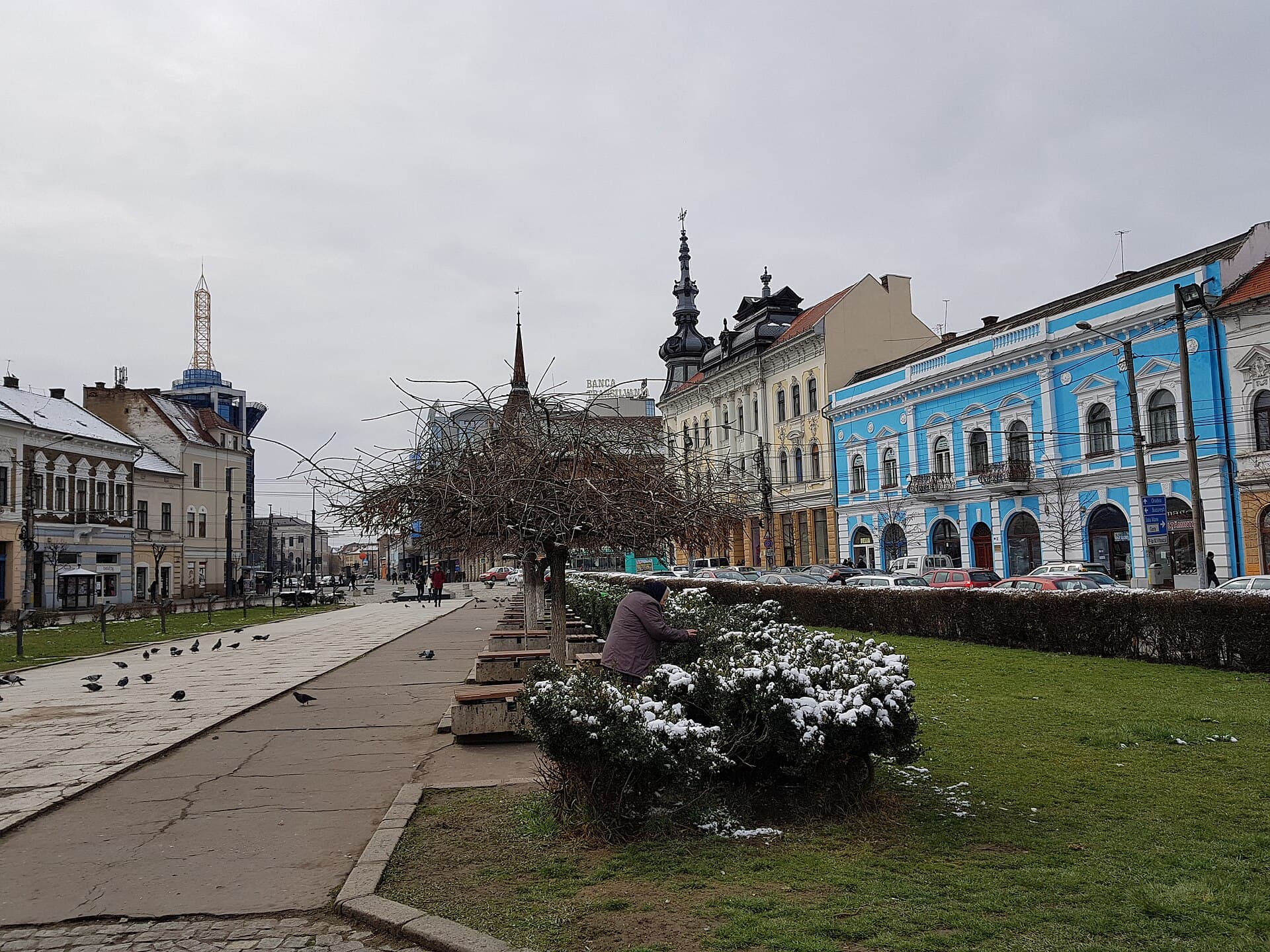 The Babos PalaceAn early twentieth-century residential and commercial building in Cluj-Napoca, b2 minutes walk4.5
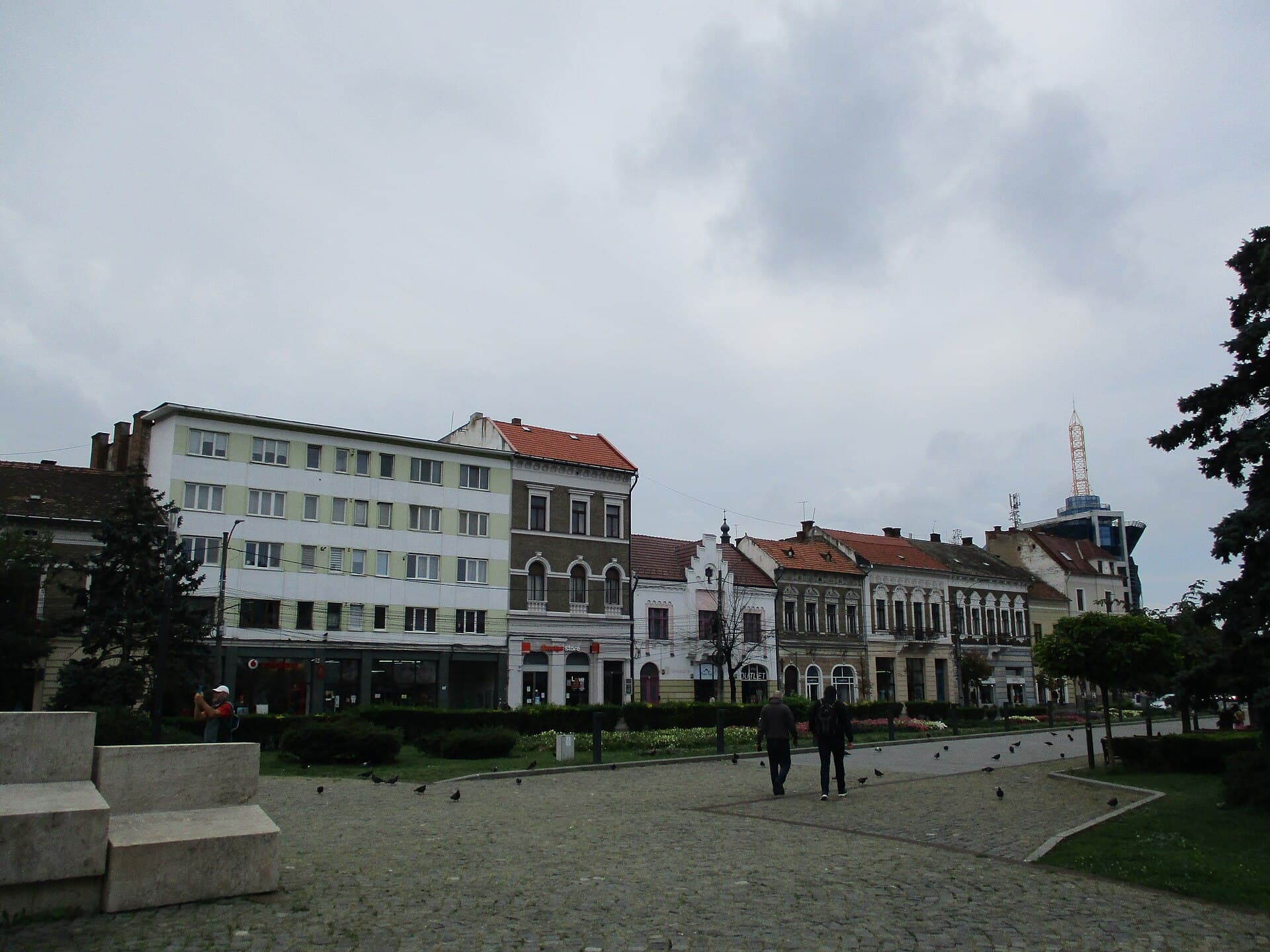 Piața Mihai ViteazulPiața Mihai Viteazul is Cluj's second great square, north of the historic centre2 minutes walk4.6
Because protection is about architectural and historical value, not political sympathy. Romania's 1970s architecture is being demolished or reclad in glass at speed, and once it goes it cannot be replaced. The argument over this building in particular — an owner wanting a free hand against a listing that constrains it — is the same argument going on in many European cities about buildings of the same era.
An architectural movement of the 1950s to 1970s, named from the French for «raw concrete» rather than from any sense of cruelty. Its principles: show the structural material without cosmetics, use clear geometric masses, and express the building's function honestly. It divides public taste sharply — many find it harsh, and many find it the most honest thing the twentieth century built.